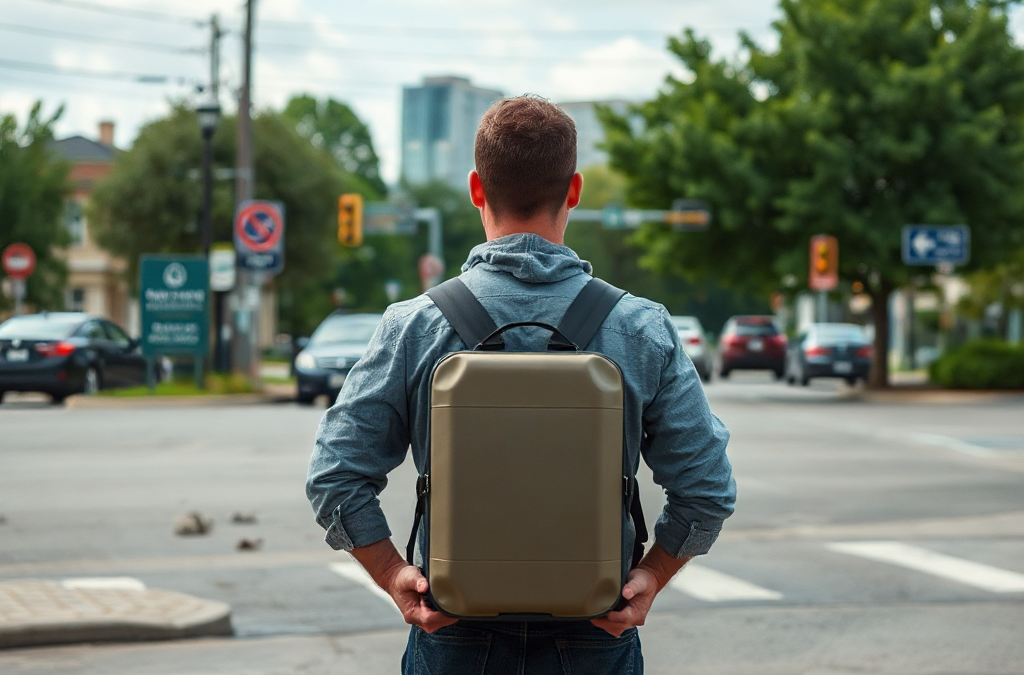
Neglecting personal security during disasters poses significant risks, including increased vulnerability to theft and personal harm. In chaotic situations, the breakdown of societal order can lead to opportunistic crime, making it essential for individuals to remain vigilant. Developing a comprehensive security plan that includes emergency protocols and communication strategies can help mitigate these dangers. Regularly practicing these plans ensures that everyone is prepared to act swiftly and effectively, reducing the likelihood of negative outcomes. By prioritizing personal safety and being proactive, individuals can protect themselves and their loved ones during emergencies.
Understanding Personal Security Risks
Personal security risks during disasters can escalate quickly due to the breakdown of societal norms and the potential for increased crime. In emergencies, individuals may find themselves in chaotic situations where the usual safety protocols are compromised. For instance, natural disasters like hurricanes or earthquakes can lead to looting, as some may take advantage of the vulnerable state of others. Understanding these risks is crucial for effective disaster preparedness.
During such events, the lack of communication and the stress of the situation can lead to poor decision-making. People often underestimate the likelihood of crime or fail to recognize the potential for personal harm. By acknowledging these risks, individuals can take proactive steps to protect themselves and their loved ones.
The Importance of Preparedness
Preparedness is not just about having supplies; it also involves planning for personal security. Having a clear emergency plan that includes security measures can significantly reduce risks. This plan should outline how to secure your home, what to do in the event of an evacuation, and how to communicate with family members during a crisis.
For example, consider creating a family emergency plan that includes designated meeting points, communication methods, and specific actions to take if separated. It’s essential to practice these plans regularly so that everyone knows what to do when disaster strikes. Preparedness can transform a chaotic situation into a manageable one, minimizing risks associated with personal security.

Common Mistakes in Disaster Scenarios
One of the most significant mistakes individuals make during disasters is failing to prioritize personal security. Many tend to focus solely on physical safety or securing supplies, overlooking the potential for theft or personal harm. For instance, during an evacuation, leaving doors unlocked or windows open can invite opportunistic thieves.
Another common error is underestimating the need for situational awareness. In the frenzy of a disaster, it’s easy to become complacent, thinking that others are equally concerned about safety. However, not everyone has the same intentions. Maintaining vigilance and being aware of your surroundings can help in identifying threats early on.
Practical Security Measures
Implementing practical security measures can vastly improve personal safety during disasters. Start by securing your home with reinforced locks and security systems, if possible. Additionally, consider creating a ‘go-bag’ that includes essential items such as identification, cash, and emergency contacts.
Furthermore, educate yourself and your family about self-defense techniques and emergency response protocols. This knowledge can empower you to act decisively in threatening situations. Lastly, stay informed through reliable news sources and community alerts to remain aware of any emerging threats during a disaster.
Frequently Asked Questions
What should I include in my emergency preparedness plan?
Your emergency preparedness plan should include contact information, designated meeting points, and procedures for securing your home and valuables.
How can I enhance my home security before a disaster?
Enhance home security by installing quality locks, using security cameras, and ensuring all entry points are secure before a disaster strikes.
What are common security risks during disasters?
Common security risks include theft, vandalism, and personal attacks, especially in areas with significant disruption or chaos.
How can I stay informed during a disaster?
Stay informed by following reliable news sources, signing up for community alerts, and using emergency apps that provide real-time updates.
What are some self-defense strategies during a disaster?
Self-defense strategies can include being aware of your surroundings, avoiding confrontation, and knowing basic self-defense techniques to protect yourself if necessary.
Further Reading
Authoritative Sources
- Library of Congress Research Guides
guides.loc.govResearch guides that help readers locate reliable background sources on a wide range of subjects
- USA.gov Official Information and Services
usa.govOfficial U.S. government information and public resources for practical reference
- Google Scholar
scholar.google.comAcademic search resource for finding research literature and source material
Conclusion
Neglecting personal security during disasters can lead to serious consequences, including theft and personal harm. To mitigate these risks, it is essential to prioritize preparedness by developing a comprehensive emergency plan, enhancing home security, and remaining vigilant. By taking proactive steps, individuals can significantly improve their safety and that of their loved ones during chaotic situations. Stay informed, plan ahead, and ensure that personal security is a key component of your disaster preparedness efforts.
Related Content
- The Importance of Routine Checks for Emergency Supplies: Essential Steps for Preparedness
- Preparation Call to Action: 7 Proven Strategies for Success in 2025
- Returning Home Safely After an Evacuation Warning Ends: A Property Reentry Checklist
- Keeping Kids Occupied During Long Emergencies
- Stay Calm and Act Fast: Unconventional Emergency Evacuation Tips for Every Situation