
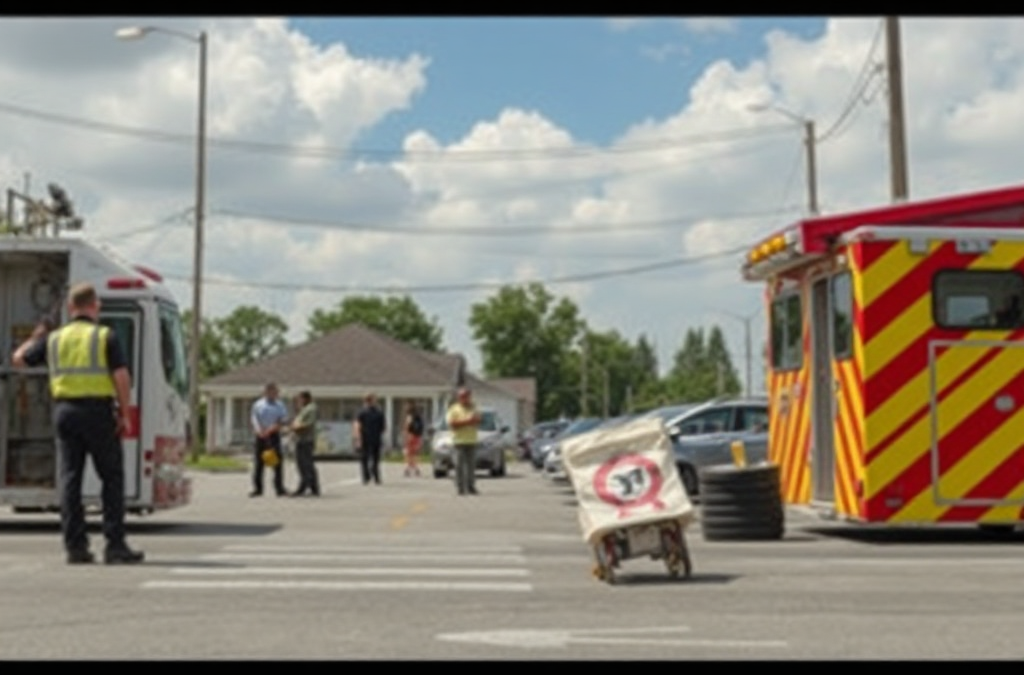
Emergency plans often fail during disasters due to miscommunication, inadequate resources, and insufficient training. Miscommunication among agencies can lead to confusion and delays, particularly if roles are unclear. Additionally, lacking the necessary resources, such as updated equipment or sufficient supplies, can severely hinder response efforts. Regularly assessing resource availability and conducting joint training exercises can help ensure that all stakeholders are prepared and aware of their responsibilities. By addressing these issues proactively, communities can improve their disaster response effectiveness and minimize the impact of emergencies.
Miscommunication Among Stakeholders
Miscommunication is a primary reason emergency plans fail during disasters. When stakeholders, including government agencies, emergency services, and community organizations, do not communicate effectively, it can lead to confusion and delays in response efforts. For example, if one agency is unaware of the specific roles assigned to another, it may result in duplicated efforts or critical tasks being overlooked altogether.
To mitigate these issues, establishing clear lines of communication and regularly scheduled meetings can help ensure that everyone understands their roles and responsibilities. Utilizing technology, such as shared platforms for real-time updates, can also enhance collaboration. Regular drills that involve all stakeholders can further solidify communication strategies and clarify expectations, reducing the likelihood of miscommunication during actual crises.
Inadequate Resources and Planning
Another significant factor contributing to the failure of emergency plans is inadequate resources. This includes both financial resources and physical supplies necessary for effective disaster response. For instance, if an emergency plan relies on specific equipment that is outdated or unavailable, it can severely hamper the response efforts. Communities often underestimate the resources required for both immediate response and long-term recovery, leading to gaps in preparedness.
To address this, thorough resource assessments should be conducted regularly. This involves inventorying available supplies, assessing financial readiness, and ensuring that all necessary equipment is functional and accessible. Engaging local businesses and organizations can also be beneficial in building a resource network that can be tapped into during a disaster. Prioritizing resource allocation based on risk assessments can help ensure that the most vulnerable areas are adequately prepared.

Lack of Training and Preparedness
Lack of training for personnel involved in executing emergency plans is another critical reason for their failure. Even the best-laid plans cannot succeed without adequately trained individuals who understand how to implement them. For example, emergency responders may struggle to apply protocols effectively if they have not practiced them in realistic scenarios. This lack of preparedness can lead to delayed responses and increased risks during disasters.
Regular training sessions and simulations can enhance the skills of personnel, ensuring they are familiar with the procedures outlined in the emergency plan. Incorporating lessons learned from past disasters into training programs can also provide valuable insights that help refine response strategies. Additionally, fostering a culture of preparedness within the community encourages individuals to take personal responsibility for their safety, further strengthening the overall response capacity.
Failure to Update Plans Regularly
Emergency plans that are not regularly updated can become obsolete, rendering them ineffective during disasters. Changes in population, infrastructure, and technology can all impact the efficacy of an emergency plan. For instance, if a community expands but the emergency plan does not account for the increased population, it may not adequately address the needs of all residents during a disaster.
To prevent this, it is essential to conduct regular reviews of emergency plans, ideally on an annual basis. Involving a diverse group of stakeholders in the review process can provide different perspectives and insights, ensuring that the plan remains relevant and effective. Additionally, incorporating feedback from drills and actual incidents can help identify weaknesses and areas for improvement, leading to a more robust emergency response framework.
For those interested in learning more about emergency preparedness and planning, several resources are available, including government publications, disaster management agencies, and community preparedness programs. These resources can provide additional insights into best practices and strategies for enhancing emergency plans.
Frequently Asked Questions
What are the most common reasons emergency plans fail?
Common reasons include miscommunication among stakeholders, inadequate resources, lack of training, and failure to update plans regularly.
How can miscommunication be avoided during a disaster?
Establishing clear communication protocols and utilizing technology for real-time updates can help prevent miscommunication.
Why is training important for emergency personnel?
Training ensures that personnel understand how to implement emergency plans effectively, which is crucial for timely and efficient responses.
How often should emergency plans be updated?
Emergency plans should be reviewed and updated at least annually to ensure they remain relevant and effective.
Further Reading
Authoritative Sources
- Ready.gov Preparedness Guidance
ready.govFederal preparedness guidance for household planning, alerts, supplies, and emergencies
- American Red Cross Emergency Preparedness
redcross.orgEmergency preparedness resources for families, disasters, and practical safety planning
- FEMA Preparedness Resources
fema.govNational preparedness resources for planning, mitigation, and response readiness
Conclusion
Understanding the common reasons emergency plans fail during disasters is critical to improving preparedness and response efforts. Miscommunication, inadequate resources, lack of training, and the failure to update plans regularly can significantly hinder effective disaster management. Communities should prioritize clear communication, resource assessments, regular training, and ongoing plan reviews to enhance their resilience against disasters. Taking proactive steps now can make a significant difference when emergencies arise.
Related Content
- Ultimate Earthquake Preparation Guide 2025: 10 Essential Tips to Stay Safe
- Readiness for Families: Essential Steps for Effective Emergency Preparedness
- The Ultimate Checklist for Emergency Preparedness
- How to Build a Disaster Kit for Your Home and Family
- Surviving the Unexpected: A Comprehensive Guide to Disaster Preparedness




