
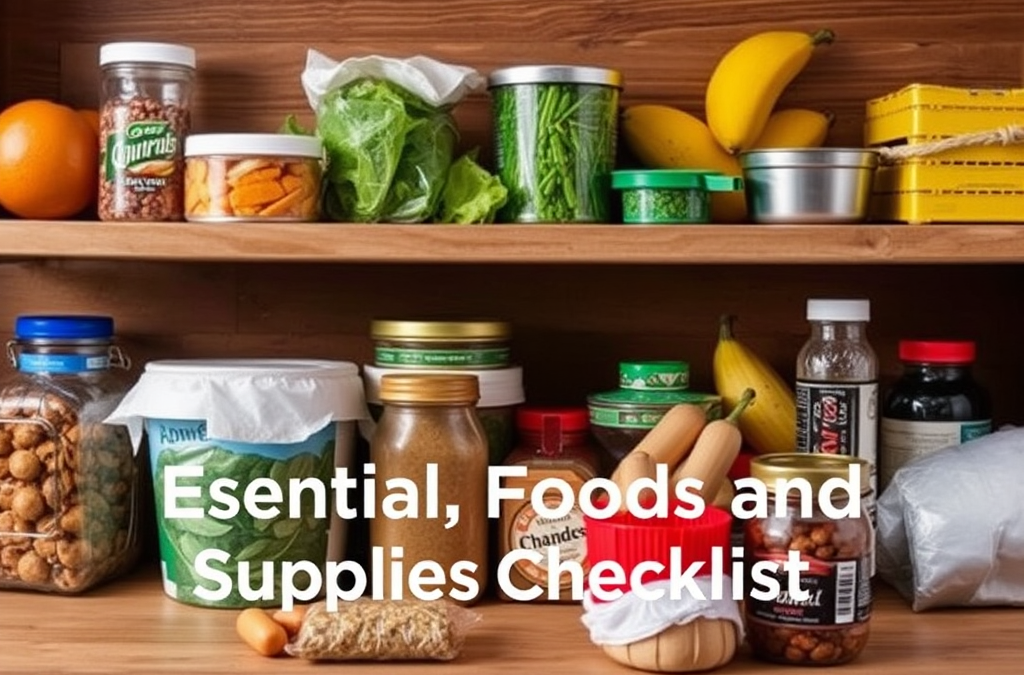
Begin by assessing your household’s needs and potential emergency scenarios, such as natural disasters or prolonged power outages. A good rule of thumb is to store enough food and water to last at least two weeks for each family member.
It’s also important to think about cooking methods during an emergency; ensure you have a portable stove or a reliable way to heat food. Regularly check your supplies to replace any expired items and adapt your stock based on changing needs or family members.
Understanding Emergency Needs
Recognizing the types of emergencies you might face is crucial for effective preparation. Natural disasters, pandemics, and unforeseen events can disrupt access to food and essential services. By understanding your specific risks, such as local weather patterns or infrastructure vulnerabilities, you can tailor your stock to meet those challenges. For instance, if you live in an area prone to hurricanes, focus on items that are easy to store and require minimal preparation.
It’s also vital to consider the unique needs of your household. Families with children, elderly members, or pets will require specific items that cater to their dietary and medical needs. Taking a personalized approach helps ensure that your emergency stock is not only sufficient but also relevant to your situation.
Essential Food Items for Emergencies
When stocking food for emergencies, prioritize non-perishable items that provide both nutrition and energy. Canned goods, such as beans, vegetables, and meats, are excellent choices due to their long shelf life and ease of use. Additionally, consider including items like rice, pasta, and oatmeal, which can be easily prepared and stored.
Here’s a quick list of essential food items to include:

- Canned vegetables and fruits
- Dried beans and lentils
- Whole grains like rice and quinoa
- Nut butter and nuts
- Powdered milk or shelf-stable dairy alternatives
- High-energy snacks like granola bars
Ensure that you have a variety of foods to prevent monotony and maintain morale during emergencies. Rotate your stock regularly to keep it fresh and avoid waste.
Non-Food Supplies to Consider
Adequate food is only part of emergency preparedness; non-food supplies are equally crucial. Stock first aid kits with essential medications, bandages, and antiseptics to address minor injuries. Additionally, include hygiene products such as soap, hand sanitizer, and toilet paper to maintain cleanliness during extended periods without utilities.
Consider adding the following non-food items to your emergency stock:
- Flashlights and batteries
- Portable cooking equipment
- Multi-tools or basic repair kits
- Blankets and warm clothing
- Water purification tablets
These supplies can make a significant difference in your comfort and safety during an emergency situation.
Common Mistakes When Stocking
Many individuals make critical mistakes when preparing their emergency stock. One common error is underestimating the amount of food needed; failing to account for individual caloric needs can leave you short on essential nutrients. Another mistake is neglecting to regularly update and rotate supplies, leading to expired or spoiled items.

To avoid these pitfalls, regularly assess your stock and adjust based on the number of family members and their specific dietary needs. Establish a schedule to review and refresh your supplies, ensuring that you maintain a reliable emergency stock.
Further Reading
Authoritative Sources
- Library of Congress Research Guides
guides.loc.govResearch guides that help readers locate reliable background sources on a wide range of subjects
- USA.gov Official Information and Services
usa.govOfficial U.S. government information and public resources for practical reference
- Google Scholar
scholar.google.comAcademic search resource for finding research literature and source material
Frequently Asked Questions
What are the most important items to stock for emergencies?
The most important items include non-perishable food, water, first aid kits, batteries, and hygiene products.
How much water should I store for emergencies?
Store at least one gallon of water per person per day for at least two weeks.
How often should I check my emergency supplies?
Check your emergency supplies every six months to ensure items are not expired and are still in good condition.
Can I use my regular pantry items for emergencies?
Yes, but focus on non-perishable items that have a long shelf life and require minimal preparation.
What should I do if I have special dietary needs?
Include specialized food items that cater to dietary restrictions, such as gluten-free or vegan options.
Conclusion
In conclusion, effective emergency stocking requires careful planning and consideration of both food and non-food items tailored to your household’s needs. Prioritize non-perishable foods and essential supplies that can sustain you during crises. Regularly review and refresh your stock to ensure its reliability. By proactively preparing, you can navigate emergencies with confidence and security.




