
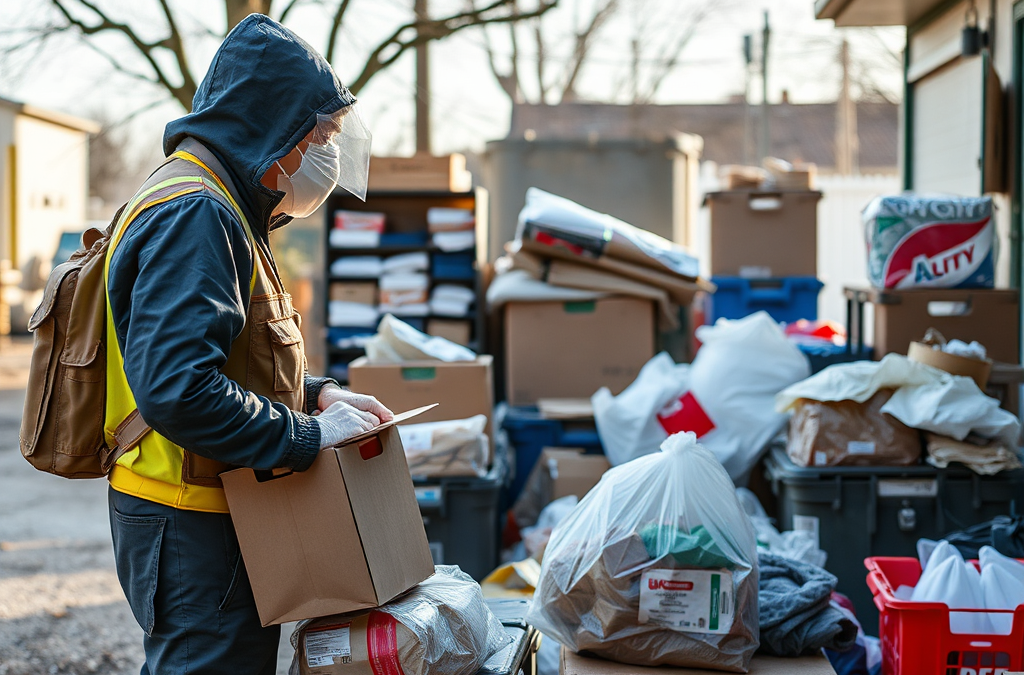
When an outage crosses into a second week, the priority shifts from conserving short-term supplies to managing sanitation, health, communications, replacement fuel, and a realistic recovery plan. Refrigerated food is no longer the main concern; safe water, medication storage, waste handling, indoor temperature, and dependable information become more urgent. Daily routines should be rebuilt around limited resources rather than extended indefinitely with the original 72-hour assumptions. Check official updates, reassess vulnerable household members, protect batteries and fuel, and arrange safe alternatives for water, cooking, cooling, heating, or medical equipment.
Why the Second Week Changes the Problem
A second-week outage exposes weaknesses that may not matter during a brief interruption. A household can tolerate limited lighting, reduced device use, and improvised meals for several days, but those measures become harder when batteries need recharging, fuel supplies shrink, temperatures remain uncomfortable, and normal services still have not returned. The central question changes from “How do we get through tonight?” to “Can this arrangement safely continue for another several days?”
Short-term plans usually assume that stores, fuel stations, pharmacies, banks, water systems, and local services will soon be available. Those assumptions may fail independently. A nearby shop might reopen while card payments remain unavailable, or a fuel station might have gasoline but no working pumps. A pharmacy may offer limited hours, yet a medication requiring refrigeration may still present a problem. Treat each service as a separate dependency rather than assuming that one sign of recovery means the whole area is functioning.
Resource accounting also becomes more useful than simple rationing. Record drinking water, cooking water, fuel, battery capacity, medications, cash, and food by days of safe use. Include hidden consumption: cleaning, handwashing, flushing, pet care, and preparing dry foods all draw from supplies. A generator that appears to have enough fuel for several days may provide far fewer hours if it is powering a refrigerator, space heater, chargers, and cooking appliances together.
One common mistake is preserving the original routine because it feels familiar. Running a generator on the same schedule as day two, taking long trips for uncertain information, or using disposable supplies without replacing them can create a sharper shortage later. Reassess every morning and evening, write down what changed, and set a specific threshold for seeking outside help or relocating.

Water, Food, Sanitation, and Health Priorities
By the second week, water and sanitation usually deserve more attention than food variety. Drinking water remains the first requirement, but water for hygiene, food preparation, wound care, and toileting determines whether the household can remain healthy. Use clearly labeled containers for drinking water and non-drinking water, and avoid treating an unknown source as safe merely because it looks clean. Follow the instructions for the treatment method being used, since boiling, chemical treatment, and filtration do not address every contaminant in the same way.
Food decisions should become more conservative. Refrigerated perishables should not be kept simply because they smell normal, and repeated brief power returns do not automatically make them safe. Shelf-stable foods are more useful now when they require little water, fuel, or cleanup. Canned beans, fish, vegetables, nut butter, crackers, oats, and ready-to-eat items can reduce cooking demands, but check sodium, allergies, chewing needs, and medical diets. Do not overlook the manual can opener.
Sanitation failures often develop gradually. Full waste containers, blocked toilets, standing dishwater, damp laundry, and poorly stored food attract pests and create odors before they become obvious health hazards. Establish a designated waste area away from food and water, keep hand-cleaning supplies accessible, and separate waste that may contain bodily fluids. Local authorities may issue specific instructions for sewage, refuse, or contaminated water; those instructions take precedence over improvised disposal methods.
Health needs can change quickly when sleep, temperature control, and routine medical care are disrupted. Make a written list of prescriptions, doses, allergies, medical devices, and provider contact details. Protect medicines from heat, freezing, moisture, and direct sunlight according to their labeling. People who depend on powered oxygen, mobility equipment, refrigeration, or electrically operated treatment should contact their care team and emergency services early rather than waiting until a battery is nearly empty.
- Secure drinking and treatment water before expanding food choices.
- Set a sanitation routine for waste, dishes, hand cleaning, and toilet use.
- Use low-fuel foods and preserve special-diet supplies for the person who needs them.
- Escalate medical concerns promptly; an outage is not a reason to delay urgent care.
The weak assumption is that a large pantry solves a long outage. Food without water, fuel, safe storage, or appropriate preparation may not be usable. A smaller supply of accessible, familiar food can be more valuable than a larger stock that requires extended cooking or produces difficult waste.
Power, Fuel, Communications, and Information
Second-week power management is a scheduling problem, not merely a battery problem. Decide which loads protect life, health, food safety, or communication, then assign operating windows. A refrigerator may need intermittent operation, while a medical device may require continuous power. Phones can be charged during a short generator run, but unnecessary video use, automatic updates, and repeated searches can consume that reserve without improving the household’s position.
Fuel should be treated as a finite reserve with safety limits. Never operate a generator, camp stove, or fuel-burning appliance indoors, in a garage, or near doors and windows where carbon monoxide can accumulate. Keep fuel in approved containers and away from ignition sources, following local fire-safety requirements. A generator may provide convenience, but it also creates noise, theft exposure, maintenance demands, and fuel dependence. In some households, a smaller power station used for communications and medical equipment is safer than attempting to run every appliance.
Communications should move from casual checking to a deliberate information schedule. Preserve one charged phone for emergency contact, use text messaging when voice calls are unreliable, and write down key numbers because contact lists may not be accessible. Battery-powered or vehicle-powered radios can provide local updates, but verify alarming claims through official local sources when possible. Information has practical value only when it changes a decision, such as where water is available, whether roads are open, or when a cooling center or medical facility is operating.
Compare two approaches: continuous low-level power use versus short, planned operating periods. Continuous use may protect a sensitive device but can exhaust fuel before replacement is available. Scheduled use may conserve fuel but requires temperature checks, charging discipline, and a clear priority order. Review the plan whenever weather changes, a vulnerable person develops symptoms, or official information indicates that restoration will take longer.
A common failure is assuming that a vehicle is an unlimited backup system. Idling a vehicle in an unsafe location can cause carbon monoxide exposure, and repeated short trips may consume fuel needed for evacuation or medical transport. Park vehicles so they can leave, keep keys accessible, and reserve fuel and mobility for the highest-consequence needs.
Deciding Whether to Stay or Relocate
Remaining at home is reasonable only while essential needs can be maintained safely. Evaluate water, sanitation, temperature, medication, food, communication, security, and the condition of everyone in the household. A familiar home may offer shelter and supplies, but familiarity does not compensate for unsafe indoor heat, worsening illness, contaminated water, or an inability to power critical equipment.
Use thresholds rather than waiting for a dramatic crisis. Relocation becomes more compelling when safe drinking water cannot be secured, sanitation is failing, indoor temperatures are dangerous, medication or medical-device power is running out, or reliable information and transport are unavailable. The destination must be more than “somewhere else.” Confirm that it has functioning utilities, space for the household, accessible transport, medication access, and a way to communicate arrival.
For example, a household with healthy adults, adequate water, shelf-stable food, and safe temperatures may be able to remain while monitoring restoration. A household with an infant, an older adult, or a person dependent on powered medical equipment may need to leave earlier, even if food supplies look sufficient. The relevant comparison is not comfort at home versus inconvenience elsewhere; it is the reliability of essential care in each location.
Prepare a departure kit before the decision becomes urgent. Include identification, prescriptions and medication lists, water, ready-to-eat food, chargers, cash, warm or weather-appropriate clothing, pet supplies, and copies of important contacts. Keep vehicles fueled when possible and avoid routes affected by downed lines, flooding, smoke, or official closures. Tell a trusted person where you are going, but do not publicize an empty home.
Do not confuse a restoration estimate with a guarantee. Conditions can change after equipment damage, access problems, or further weather. Recheck the plan at a fixed time each day, identify the next safe destination, and leave while transportation and health remain manageable rather than after reserves are exhausted.
Frequently Asked Questions
What becomes the biggest concern in the second week of an outage?
Water, sanitation, medical needs, indoor temperature, and fuel often become more urgent than lighting or entertainment. The answer depends on household health needs and local conditions.
Should food be rationed differently after seven days?
Use a written inventory and favor food that requires little water, fuel, and cleanup. Protect supplies for infants, medical diets, allergies, and people with limited ability to chew or cook.
How should generator fuel be prioritized?
Reserve it for medical equipment, essential refrigeration, communication, and carefully planned charging. Never operate a generator indoors or in an attached garage.
When should a household leave during a prolonged outage?
Consider leaving before water, sanitation, medication, temperature control, or medical-device power becomes unsafe. Confirm that the destination can actually provide the needed services.
Do short power restorations make an outage plan unnecessary?
No. Brief restoration may not stabilize refrigeration, water pressure, communications, or medical services. Continue monitoring official updates and keep essential reserves until service is dependable.
Further Reading
Authoritative Sources
- Academy of Nutrition and Dietetics
eatright.orgProfessional nutrition guidance, healthy eating resources, and practical dietitian-reviewed advice.
- U.S. Department of Agriculture
usda.govOfficial food, nutrition, agriculture, and consumer guidance from the USDA.
- NIH Office of Dietary Supplements
ods.od.nih.govResearch-based fact sheets on nutrients, supplements, dietary intake, and safety considerations.
- International Society of Sports Nutrition
sportsnutritionsociety.orgEvidence-informed sports nutrition resources and position stands for active people and athletes.
Conclusion
A second-week outage calls for a fresh operating plan, not a stretched version of the first few days. Count usable water, fuel, batteries, medication, food, and sanitation capacity; then match those reserves to the needs of the most vulnerable person in the household. Keep power use limited to health, safety, food protection, and communication, and treat every fuel-burning appliance as a carbon monoxide risk unless it is operated exactly as designed in a safe location. Set clear relocation thresholds and verify the destination before travel. Official restoration notices are useful, but household decisions should follow actual access to water, medical care, safe temperatures, sanitation, and transport. Reassess at scheduled times so that action occurs while options remain available.
Related Content
- The Importance of Practicing Survival Skills Regularly: Essential Techniques and Real-World Applications
- Survival Planning Tips: Essential Food Supplies and Strategies for Every Situation
- The Challenges of Prepping in High-Density Areas: Navigating Space Constraints and Resource Limitations
- Survival Packages Clarified
- Mastering Readiness for Crisis Situations: 5 Essential Tips for 2025




