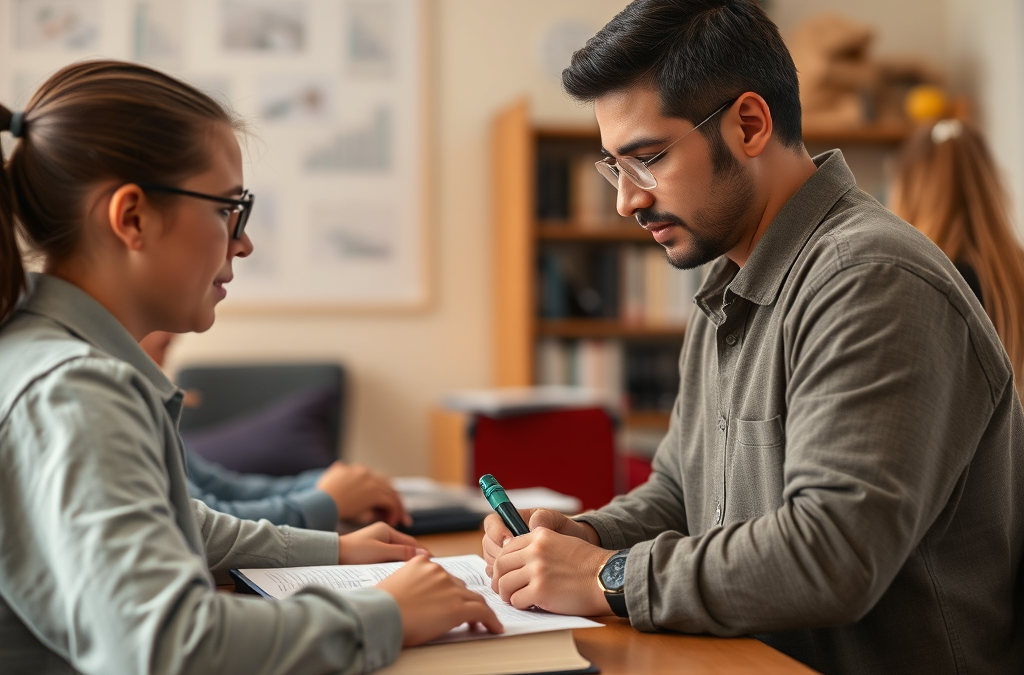
Ongoing education in emergency preparedness is vital for equipping individuals and communities with the skills needed to respond effectively to crises. By participating in regular training sessions, people can learn essential techniques such as first aid, crisis management, and effective communication during emergencies. This continuous learning process not only builds confidence but also fosters a proactive culture of preparedness. Moreover, staying updated with the latest best practices and resources ensures that individuals can adapt their responses to evolving challenges, ultimately leading to improved outcomes when emergencies occur. Engaging in simulation exercises can also help identify common mistakes, enhancing overall readiness.
Understanding Emergency Preparedness Education
Emergency preparedness education involves training individuals to respond effectively to various crises, including natural disasters, medical emergencies, and other unforeseen events. It is essential because it empowers people with the knowledge and skills necessary to act decisively when seconds count. Ongoing education ensures that individuals stay informed about the latest best practices, techniques, and tools available for effective emergency response.
A key aspect of ongoing education is its adaptability to new challenges. As technology and our understanding of emergencies evolve, so too must our approaches to preparedness. Regular training sessions help individuals grasp concepts like situational awareness, risk assessment, and effective communication during a crisis, ensuring they can navigate complex emergency situations skillfully.
Skills Developed Through Ongoing Education
One of the primary benefits of ongoing education in emergency preparedness is the development of critical skills. Participants learn vital skills such as first aid, CPR, fire safety, and evacuation procedures. These skills are not only essential for personal safety but also enable individuals to assist others during emergencies.
Moreover, ongoing education fosters problem-solving abilities and enhances decision-making skills under pressure. For instance, through simulation exercises, individuals practice their responses to various scenarios, which helps them remain calm and effective when real emergencies arise. Additionally, they learn to identify common mistakes, such as failing to communicate effectively or overlooking essential supplies, which can significantly impact the outcome of an emergency response.

Resources for Continuous Learning
Access to reliable resources is vital for ongoing education in emergency preparedness. Numerous organizations, such as the American Red Cross and FEMA, offer comprehensive training programs, workshops, and online courses. These resources provide up-to-date information and practical skills that individuals can implement in their communities.
Furthermore, community-based organizations often host local training sessions and drills, allowing participants to practice their skills in real-world scenarios. Engaging with these resources not only enhances individual preparedness but also builds a network of informed citizens ready to assist one another during crises.
Community Engagement and Preparedness
Community engagement plays a critical role in the effectiveness of emergency preparedness efforts. Ongoing education encourages individuals to share their knowledge and skills with others, fostering a culture of preparedness. When communities work together, they can develop comprehensive emergency plans that address specific local risks, such as floods, wildfires, or other hazards.
Moreover, community training programs can help identify and address gaps in preparedness, ensuring that all members have access to essential resources and information. This collaborative approach not only enhances individual readiness but also strengthens community resilience, making it easier to recover from emergencies and reduce the impact of crises.
Frequently Asked Questions
Why is ongoing education important in emergency preparedness?
Ongoing education helps individuals stay informed about the latest techniques and best practices for emergency response, ensuring they are prepared to act effectively when crises occur.
What skills can I gain from emergency preparedness education?
Participants can learn essential skills such as first aid, CPR, crisis management, and effective communication during emergencies, enhancing their ability to respond in real situations.
What role does community engagement play in preparedness?
Community engagement fosters collaboration and knowledge sharing, strengthening the overall preparedness of the community and ensuring that everyone is informed and equipped to handle emergencies.
What are common mistakes in emergency preparedness?
Common mistakes include failing to communicate effectively, not having an updated emergency plan, and neglecting to practice skills regularly, which can hinder effective response during a crisis.
Further Reading
Authoritative Sources
- Ready.gov Preparedness Guidance
ready.govFederal preparedness guidance for household planning, alerts, supplies, and emergencies
- American Red Cross Emergency Preparedness
redcross.orgEmergency preparedness resources for families, disasters, and practical safety planning
- FEMA Preparedness Resources
fema.govNational preparedness resources for planning, mitigation, and response readiness
Conclusion
Ongoing education in emergency preparedness is vital for developing the skills and knowledge necessary to respond effectively to crises. By prioritizing continuous learning, individuals and communities can enhance their resilience, ensuring they are better equipped to handle emergencies. Engaging with training resources and participating in community preparedness efforts will not only improve personal readiness but also foster a culture of preparedness that benefits everyone.
Related Content
- Meals Storage Space Guide To Emergency Situation Preparedness
- Dealing With Water Contamination After a Flood
- The Risks of Ignoring Personal Hygiene in Prepping: Health Consequences and Practical Solutions
- Simple Emergency Prep: Essential Steps for Creating a Family Safety Plan
- Who should help create a family emergency plan?