
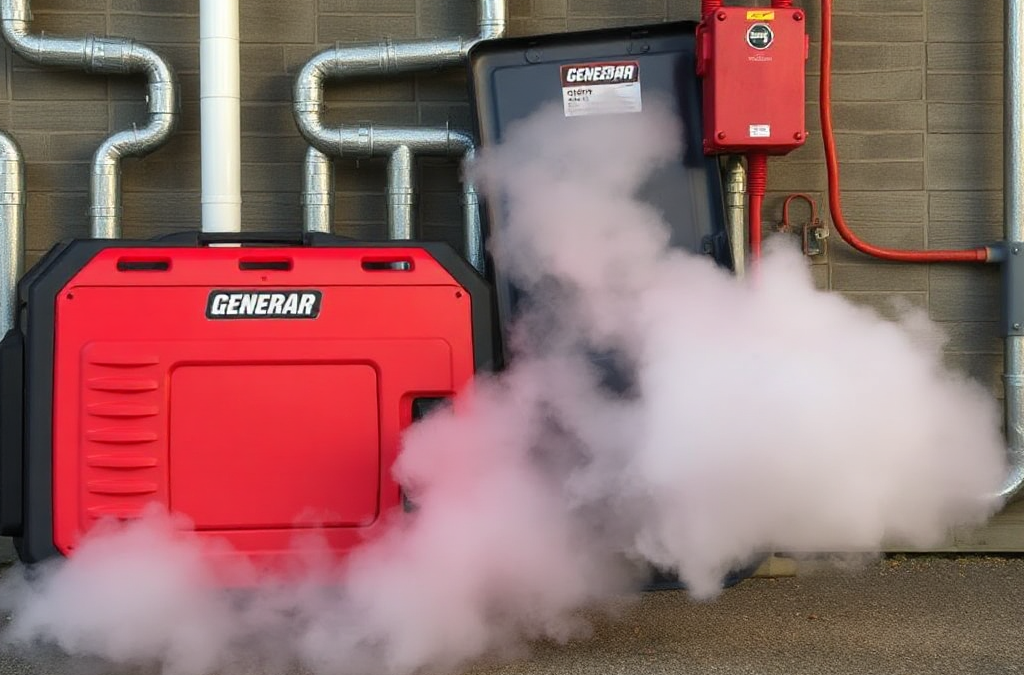
Recognizing dangerous carbon monoxide patterns around backup power means treating fuel-burning equipment, changing wind conditions, enclosed spaces, and unexplained symptoms as connected warning signals rather than isolated events. Generators, gasoline engines, propane appliances, and vehicle exhaust can release odorless carbon monoxide that drifts into homes through doors, windows, vents, or shared walls. The immediate response to an alarm or possible exposure is to move everyone outdoors into fresh air, call emergency services, and avoid reentering until responders say it is safe. Carbon monoxide alarms, outdoor generator placement, clear exhaust paths, and scheduled equipment checks reduce risk, but symptoms or an alarm should never be dismissed because the generator appears to be running normally.
How Carbon Monoxide Builds Around Backup Equipment
Carbon monoxide is produced when gasoline, diesel, propane, natural gas, or other carbon-based fuels burn. A portable generator may be operating normally and still create a lethal exhaust hazard if its discharge reaches a building. The gas has no reliable smell, color, or visible signal, so people often notice the danger through an alarm, a cluster of symptoms, or a change in where exhaust is accumulating.
Location matters more than the apparent size of the machine. A generator placed beside a garage, beneath a porch, near a crawl-space opening, or close to a window can send exhaust toward the building even when the operator believes the equipment is outdoors. Wind can push fumes against a wall, while fans, pressure differences, and open doors can draw contaminated air inside. A partly open garage door is not equivalent to outdoor operation because the garage can collect exhaust faster than it disperses.
Backup power creates additional confusion because several sources may operate at once. A generator outside, a propane heater inside, an idling vehicle, and a gas appliance with poor venting can produce overlapping exposure patterns. Connecting equipment through a transfer switch or approved inlet may solve electrical hazards, but it does not make exhaust safe. Electrical isolation and carbon monoxide control are separate decisions.
A common mistake is judging safety by distance alone. The generator may be several feet from a window yet still discharge toward it under a new wind direction. Another weak assumption is that a newer engine or a “clean-running” fuel means harmless exhaust. Fuel type and engine design affect emissions, but neither replaces outdoor placement, functional alarms, and a clear escape response.

For a household preparing to use backup power, write down every combustion source and every opening that connects outside air to living space. Include basement windows, vents, garage doors, crawl-space grilles, and adjoining units in multifamily buildings. That simple map is more useful than relying on a single remembered placement rule. Review it whenever the generator location, weather, or building conditions change, and keep recognizing dangerous carbon monoxide patterns around backup power as part of the operating plan.
Patterns That Signal a Dangerous Exposure
The most concerning pattern is a combination of combustion equipment and people developing headache, dizziness, weakness, nausea, unusual sleepiness, confusion, or shortness of breath. Symptoms may affect more than one person and may improve after leaving the building. That improvement does not prove the cause, but it makes continued indoor exposure especially unsafe. Children, older adults, pregnant people, and anyone with heart or lung disease may require prompt medical attention even when symptoms seem mild.
An alarm is another high-priority signal, whether or not anyone feels ill. Carbon monoxide alarms can activate because of a real concentration increase, a sensor problem, low battery, end-of-life condition, or environmental interference. The correct first move is not to identify which explanation is most likely. Leave the building, move into fresh air, and contact emergency services or the fire department from outside. Responders can assess the atmosphere and advise on reentry.
Pay attention to timing and location. If an alarm sounds soon after a generator starts, suspect exhaust intrusion until proven otherwise. If symptoms begin in a room beside a garage or near a fuel-burning appliance, treat that relationship seriously. If a problem appears only when wind shifts, a door closes, or a vehicle idles, changing airflow may be moving the gas rather than eliminating it.
People often compare a carbon monoxide alarm with a smoke alarm and assume a quiet alarm means the room is safe. Carbon monoxide can be present before a person notices a smell or visible smoke, and an alarm is only one part of protection. Low batteries, blocked power, expired sensors, poor placement, or a device located far from the sleeping area can reduce warning value. Follow the alarm manufacturer’s instructions, test units regularly, and replace them according to the stated service life.
Do not silence an alarm and return indoors to investigate. Do not open windows and wait to see whether the warning stops, because ventilation may lower the concentration temporarily while the source continues operating. A practical pattern log can record the equipment running, rooms affected, weather direction, alarm time, and symptoms, but documentation comes after evacuation and medical attention, never before. Use recognizing dangerous carbon monoxide patterns around backup power to distinguish a changing exposure from a routine equipment nuisance.
Safe Generator Placement and Ventilation Decisions
A portable generator belongs outdoors in a location where exhaust can disperse freely and cannot be carried into the structure. The exact placement must follow the generator manual and applicable local safety requirements, but the decision should account for windows, doors, vents, roof overhangs, neighboring buildings, and wind. A clear open yard is generally a better setting than a narrow side passage, recessed patio, carport, or porch.
Ventilation is not a substitute for distance and open-air dispersion. Opening a garage door, placing a fan near a window, or running a duct improvised from household materials can redirect exhaust unpredictably. Fans may even pull contaminated air toward occupied rooms. Permanent mechanical ventilation designed by a qualified professional is a different matter, but a temporary household workaround should not be treated as an engineered exhaust system.
Consider the real operating scenario rather than the calm conditions present during setup. A generator positioned safely on a still afternoon may become hazardous after wind changes, rain forces doors shut, or snow blocks an exhaust path. Snow, leaves, tarps, boxes, and temporary shelters can restrict discharge. A generator should never be operated under a tent or enclosed cover simply to protect it from weather.
Fuel storage creates a separate risk. Keep fuel in approved containers away from ignition sources and follow the equipment instructions for refueling. Shut the engine down and allow it to cool before adding fuel. Spilled fuel can create fire danger, while moving a hot generator or changing its position during operation can expose people to burns and electrical hazards. Carbon monoxide planning should fit into the same operating procedure rather than being treated as a last-minute add-on.
For a useful pre-start check, confirm four conditions: the machine is outside in open air; exhaust points away from structures and openings; alarms have power and are within their service life; and every household member knows the evacuation route. If any condition is uncertain, delay startup and choose a safer arrangement. The tradeoff may be a longer extension-cord run, fewer powered appliances, or a different location, but reducing electrical convenience is preferable to moving exhaust closer to occupied space.
What to Do When an Alarm or Symptom Appears
When a carbon monoxide alarm sounds or exposure symptoms appear, leave immediately using the nearest safe exit and take people and pets into fresh air. Do not stop to locate the generator, collect belongings, reset the alarm, or search for the source. Call emergency services from outside and report the alarm or symptoms clearly. If anyone is confused, fainting, having trouble breathing, or otherwise seriously ill, request urgent medical help.
Reentry requires more than a quiet alarm. Carbon monoxide can remain or return if the engine, appliance, vehicle, or exhaust pathway is still active. Emergency responders may use instruments to evaluate the building and identify hazards. If a fuel-burning appliance is suspected, leave it off and arrange inspection by a qualified technician rather than restarting it to test the theory.
Medical evaluation is appropriate when symptoms follow a possible exposure, even if they improve outdoors. Carbon monoxide symptoms can resemble influenza, dehydration, exhaustion, or food-related illness, and people may misattribute them during a power outage. Never use symptom improvement as permission to return inside. A household member who was asleep may have had fewer noticeable warning signs than someone awake and active.
A frequent failure mode is moving the generator farther away while people remain inside. That action may reduce future exposure but does not make the current air safe, and moving fuel-burning equipment can create additional hazards. Another is replacing an alarm battery and assuming the event is resolved. A battery warning and a full carbon monoxide alarm are not interchangeable; record the alarm type and let responders or a technician investigate.
After the immediate event, review the setup: generator position, exhaust direction, doors and windows used during the outage, appliance condition, alarm placement, and household response time. Correct the underlying arrangement before the next test run. A written plan should identify who takes children or pets, who calls for help, where everyone gathers, and how power is shut down only if doing so is safe. For broader preparation decisions, recognizing dangerous carbon monoxide patterns around backup power should be paired with the equipment manual and local emergency guidance.
Frequently Asked Questions
Can a generator cause carbon monoxide poisoning outside?
Yes. Exhaust can collect near walls, under overhangs, or beside openings and then enter a building. Outdoor operation is safer only when the generator has unrestricted air around it and its exhaust remains away from structures.
Does carbon monoxide have a smell?
No. Carbon monoxide is odorless and colorless. Smelling fuel or exhaust may indicate another hazard, but the absence of an odor cannot be used to judge whether carbon monoxide is present.
What should I do if the carbon monoxide alarm stops?
Stay outside, call emergency services, and do not assume the air is safe because the alarm became quiet. The concentration may have changed, the alarm may have malfunctioned, or the source may still be active.
Can opening windows make generator use safe?
Opening windows may change airflow but cannot reliably control generator exhaust. A generator should be placed outdoors in open air, away from doors, windows, vents, and other paths into the building.
Should I run a generator in a garage with the door open?
No. A garage can accumulate exhaust even with the door open. Keep portable generators outside and away from the building, and follow the manufacturer's placement instructions.
Further Reading
Authoritative Sources
- Academy of Nutrition and Dietetics
eatright.orgProfessional nutrition guidance, healthy eating resources, and practical dietitian-reviewed advice.
- U.S. Department of Agriculture
usda.govOfficial food, nutrition, agriculture, and consumer guidance from the USDA.
- NIH Office of Dietary Supplements
ods.od.nih.govResearch-based fact sheets on nutrients, supplements, dietary intake, and safety considerations.
- International Society of Sports Nutrition
sportsnutritionsociety.orgEvidence-informed sports nutrition resources and position stands for active people and athletes.
Conclusion
Safe backup power depends on recognizing relationships, not waiting for a dramatic warning. A running engine near an opening, changing wind, a recessed location, an alarm, or symptoms affecting several people can point to the same carbon monoxide problem. Treat alarms and possible exposure as emergencies: get into fresh air, call for help, and do not reenter until the building has been assessed. Before the next outage, test alarms, check their service life, identify every combustion source, and choose an open outdoor generator location that remains suitable in realistic weather. If an appliance or exhaust path is suspected, leave it off until qualified inspection. Fewer powered devices, a longer cord, or a revised equipment position is a worthwhile tradeoff when it keeps exhaust away from living space.
Related Content
- The Consequences of Inadequate Training for Disaster Response: Risks, Mistakes, and Real-World Impacts
- Food Storage Tips To Emergency Preparedness
- Improving Home Security Before a Disaster
- Survival Skills for Handling Chemical Spills
- Power Outage Preparation Plan: Essential Steps for Effective Readiness




