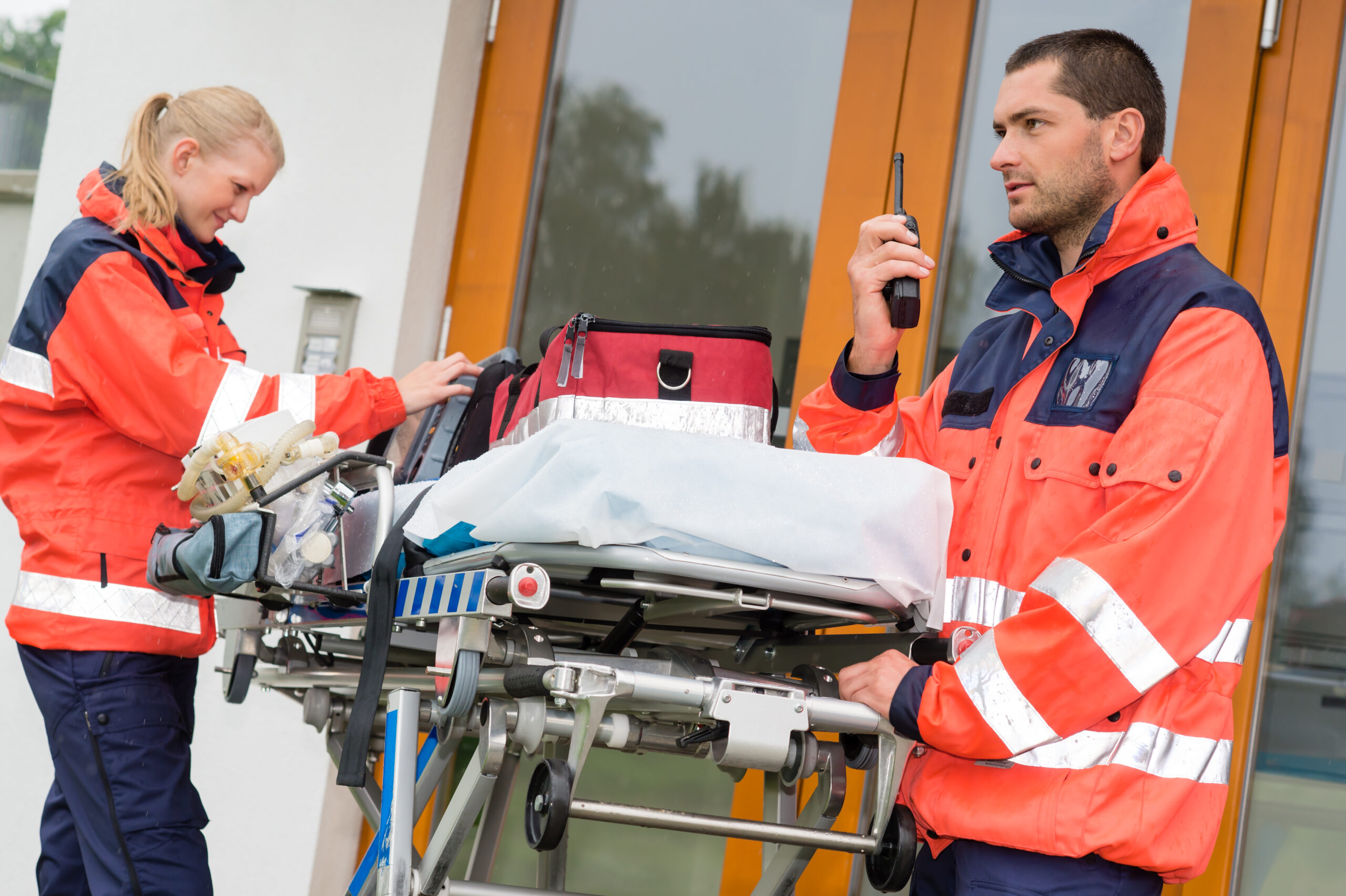
When calamity strikes, being prepared can make all the difference. Disasters come in various forms—natural, technological, or even man-made—and understanding these types is crucial. Earthquakes, hurricanes, floods, fires, and pandemics are just a few examples. Each type demands specific preparations and responses. Familiarize yourself with potential risks in your area; knowledge is power.
Now that you understand the threats you might face, let’s talk about crafting a comprehensive emergency plan. Start by assessing your household’s needs: who needs special assistance? Do you have pets? Next, establish communication protocols. Designate a meeting point in case you’re separated and ensure everyone knows how to reach each other through texts or calls. Consider creating an emergency contact list that includes relatives and friends outside your immediate area—this will be invaluable if local networks are down.
Once your plan is in place, it’s time to build an essential disaster kit. This isn’t just about grabbing random supplies; it requires thoughtful consideration of what you might need when disaster strikes. Include non-perishable food items like energy bars and canned goods, sufficient water (at least one gallon per person per day), flashlights with extra batteries, first-aid supplies, whistle for signaling help, dust masks to filter contaminated air, moist towelettes for personal sanitation, and essential medications. Don’t forget important documents as well—copies of IDs and insurance policies should be stored safely yet accessibly.
Staying informed during a crisis can be life-saving. Reliable sources for updates include government websites such as FEMA or NOAA for weather alerts and local news stations that provide real-time information on unfolding situations. Social media platforms can also help spread information quickly but verify facts before making decisions based on them.
Preparing not only your home but also your community fosters resilience in times of chaos. Reinforce structures where necessary—install storm shutters or secure heavy furniture to walls if you live in a high-risk area for earthquakes or hurricanes. Encourage neighbors to form support groups; sharing resources strengthens communal bonds during emergencies.
Equally important is emotional resilience—a critical aspect often overlooked when discussing disaster preparedness. Coping strategies vary from person to person but may include mindfulness practices like meditation or yoga that help manage stress levels before and after an event occurs. Engage with loved ones; talking about fears can alleviate anxiety while reinforcing support systems during tough times.
Lastly, consider seeking professional counseling if traumatic experiences linger long after the disaster has passed—mental health plays a vital role in recovery.
In conclusion, don’t wait for the storm to take action! Equip yourself with knowledge about disasters specific to your region; formulate a detailed emergency plan tailored to your family’s needs; compile an effective disaster kit stocked with essentials; stay connected through reliable information channels; reinforce both home safety measures and community ties; nurture emotional resilience proactively. By taking these steps now, you’ll safeguard not just lives but livelihoods too when faced with unforeseen crises!
When disaster strikes, the minutes that follow can feel like a lifetime. Whether it’s a natural calamity or an unexpected emergency, being prepared can make all the difference. In this guide, we’ll delve into crucial steps for ensuring you and your loved ones are ready when it matters most.
*Understanding the Risks: Assessing Your Vulnerabilities**
The first step in effective emergency preparedness is understanding the unique risks you face. Are you living in an area prone to earthquakes, hurricanes, floods, or wildfires? Each region has its own set of vulnerabilities. Take time to evaluate your surroundings and consider factors such as local climate patterns, historical events, and even infrastructure weaknesses. Don’t overlook personal vulnerabilities as well—think about family members who might need extra assistance or those with medical conditions requiring special attention during emergencies. Knowledge is power; identifying these risks will guide your preparedness efforts.
*Creating a Comprehensive Emergency Plan**
A solid emergency plan serves as your roadmap during crises. It should outline specific steps for various scenarios—evacuations, shelter-in-place orders, and communication protocols. Start by designating meeting points both locally and away from home where family members can regroup if separated. Make sure everyone knows how to reach one another using multiple communication methods—cell phones may fail during disasters. Include information about nearby shelters and resources that could provide assistance in times of need.
Involve every member of your household in crafting this plan; their input ensures a more comprehensive perspective on potential challenges and solutions. Regularly review the plan together so everyone stays informed and confident in their roles during an emergency.
*Building Your Emergency Kit: Essentials for Every Household**
An effective emergency kit could be your lifeline when disaster occurs. Begin with the basics: water (one gallon per person per day), non-perishable food items, medications, first-aid supplies, flashlights with extra batteries, and sanitation needs like wipes or soap. Don’t forget important documents—consider keeping copies of insurance information and identification sealed in waterproof bags.
Tailor your kit to reflect individual family needs; include baby supplies if you have young children or pet essentials if furry friends are part of your household. Regularly inspect your kit to ensure perishables remain fresh and items stay functional—nothing undermines preparedness faster than outdated supplies!
*Communication Strategies: Staying Connected in Crisis**
In today’s world filled with technology, maintaining communication is essential during emergencies but can be challenging when systems fail or networks become overloaded. Establish clear protocols for staying connected with family members—this may include utilizing group text messages or social media check-ins when standard methods falter.
Consider investing in walkie-talkies or ham radios for scenarios where cell service might be disrupted entirely. Designate an out-of-town contact who can relay information between separated loved ones—a reliable way to bridge gaps created by chaos.
*Regular Drills and Updates: Keeping Your Preparedness Plan Fresh**
Preparedness isn’t just a one-time task; it requires ongoing commitment! Schedule regular drills to practice evacuations or sheltering techniques so everyone knows what to do without hesitation when real emergencies strike. These drills instill confidence while highlighting areas needing improvement within your plan.
Moreover, revisit your emergency strategy periodically—changes in circumstances such as new family members or relocations warrant updates to ensure continued effectiveness. The more familiar everyone becomes with the plan through practice and discussion, the better equipped they’ll be when faced with uncertainty.
By implementing these key steps into your routine planning now, you’ll cultivate resilience that extends beyond yourself—it will create a safer environment for all around you! So ask yourself today: are you truly ready?
In an increasingly unpredictable world, having a reliable supply of clean water during emergencies is crucial. Whether facing natural disasters, grid failures, or other unforeseen events, effective emergency water storage is vital for safety and survival. This comprehensive guide will walk you through 2025’s best practices, innovative solutions, and practical tips to optimize your emergency water storage plans. If you’re wondering how to prepare for unexpected water shortages, keep reading to learn everything you need to know to stay safe and hydrated.
Water is fundamental to human survival; it constitutes about 60% of our body weight and is essential for virtually all bodily functions. During emergencies, access to clean water can be the difference between life and death. Proper emergency water storage ensures that you have a buffer supply to sustain you and your loved ones through disruptions.
In 2025, new studies indicate that households with prepared water reserves are 50% more likely to weather crises without health complications. Understanding this importance motivates many to prioritize emergency water storage as part of a comprehensive preparedness plan.
Risks of Insufficient Water Reserve
Without adequate emergency water storage, individuals risk dehydration, illness, and compromised hygiene. Waterborne diseases can proliferate when safe drinking water isn’t available. Additionally, in many modern urban settings, municipal supplies can be interrupted during disasters or cyber-attacks, making stored water your safest backup.
For instance, recent events like natural floods and cyberattacks on infrastructure highlight the critical need for well-planned water reserves. Therefore, understanding these risks prompts us to implement smarter water storage strategies today.
2. Assessing Your Water Needs for Emergencies
Calculating Daily Water Requirements
Knowing how much water your household needs daily is the first step in effective emergency water storage. Standard recommendations suggest at least 1 gallon per person per day for drinking and sanitation. For a family of four, this amounts to a minimum of 4 gallons daily.
However, itâs wise to plan for at least two weeks of storage, especially in areas prone to longer crises. This translates to 14 gallons per person, or 56 gallons for four individuals, which should be stored safely.
Adapting for Special Needs and Climate
Children, elderly family members, or those with health issues may need more water daily. Hot climates or strenuous activities also increase water needs. Adjust your emergency water storage plan accordingly, adding 10-20% buffer for these variables.
In practice, creating an emergency water plan involves assessing these factors and ensuring your storage capacity accommodates the worst-case scenario. Practical tips include inventorying your household’s water needs and adjusting your storage goals over time.
3. Choosing the Right Containers for Water Storage
Types of Water Storage Containers
Choosing durable, food-grade containers is essential for safe emergency water storage. Common options include plastic jerry cans, stainless steel tanks, and BPA-free bottles. Each has advantages; for instance, stainless steel resists corrosion and is easy to clean, while BPA-free plastics are lightweight and affordable.
In 2025, innovative materials like collapsible water bottles and modular tanks are gaining popularity because they save space and are scalable to your needs. Always ensure containers are labeled food-grade and free of harmful chemicals.
Proper Maintenance and Refilling
To prevent bacterial growth, containers should be cleaned regularly with clean water and a mild detergent. Chlorine or specialized water preservatives can extend shelf life, which is recommended every 6-12 months.
Remember to store water in a cool, dark place to slow bacteria growth and prevent algae. Proper maintenance ensures your emergency water storage remains safe and ready for use when needed most.
4. Best Locations for Emergency Water Storage
Indoor vs. Outdoor Storage
Deciding where to store your emergency water depends on space, climate, and safety considerations. Indoor storage, like in a basement or pantry, offers protection from temperature fluctuations and contamination, making it ideal for most households.
Outdoor storage requires more careful selection of sealed, weatherproof containers. In 2025, smart water tanks with temperature regulation and pest-proof features are emerging, allowing safe outdoor storage in various environments.
Accessibility and Safety Tips
Store water in easily accessible locations, away from direct sunlight and chemicals. Mark containers with date labels and ensure the storage area is secure from pets and children. Regularly rotating your water supply ensures freshness and safety.
Good storage practices increase your preparedness efficiency, keeping water safe from environmental elements and accidental spillage.
5. Water Purification and Filtering Options
Portable Purification Devices
Having reliable water purification tools is vital for emergency scenarios. In 2025, portable filters such as countertop systems, pump filters, and UV purifiers are more advanced, offering quick and effective purification solutions.
For instance, portable UV purifiers can treat large quantities of water in minutes, making them a popular choice for families on the go. These devices often remove viruses, bacteria, and protozoa, ensuring water safety.
DIY Water Treatment Techniques
If advanced devices arenât available, simple DIY methods like boiling water for at least one minute can kill most pathogens. Using household chlorine bleach (unscented, 5-6% sodium hypochlorite) at 8 drops per gallon can disinfect stored water effectively.
Combining storage of purified water with regular treatment practices enhances your overall safety during extended emergencies.
Frequently Asked Questions about Emergency Water Storage
1. How much emergency water should I store for my household in 2025?
It’s recommended to store at least 14 gallons per person for a two-week supply, based on the standard of 1 gallon per day. Adjust this amount based on individual needs, climate, and potential disruptions.
2. What is the best way to ensure stored water remains safe for long-term use?
Proper cleaning of containers, using food-grade materials, storing in cool dark places, and regular rotation or treatment of water are key strategies to maintain water safety over time.
3. What are some innovative emergency water storage solutions in 2025?
Modern options include collapsible tanks, modular water storage systems, and smart, temperature-controlled containers designed for durability and ease of access in emergencies.
4. Why is emergency water storage crucial?
Having an emergency water reserve ensures your household stays hydrated, healthy, and self-sufficient during disasters, making it a fundamental part of preparedness in 2025.
Conclusion
Emergency water storage is the cornerstone of disaster preparedness in 2025. By understanding your household’s needs, choosing appropriate containers, and implementing effective storage and purification practices, you can safeguard your health and comfort during crises. Remember, planning ahead and staying informed will make all the difference when emergency situations arise. Stay prepared, stay safe, and ensure your water supply is reliable through smart strategies that will serve you well now and into the future.