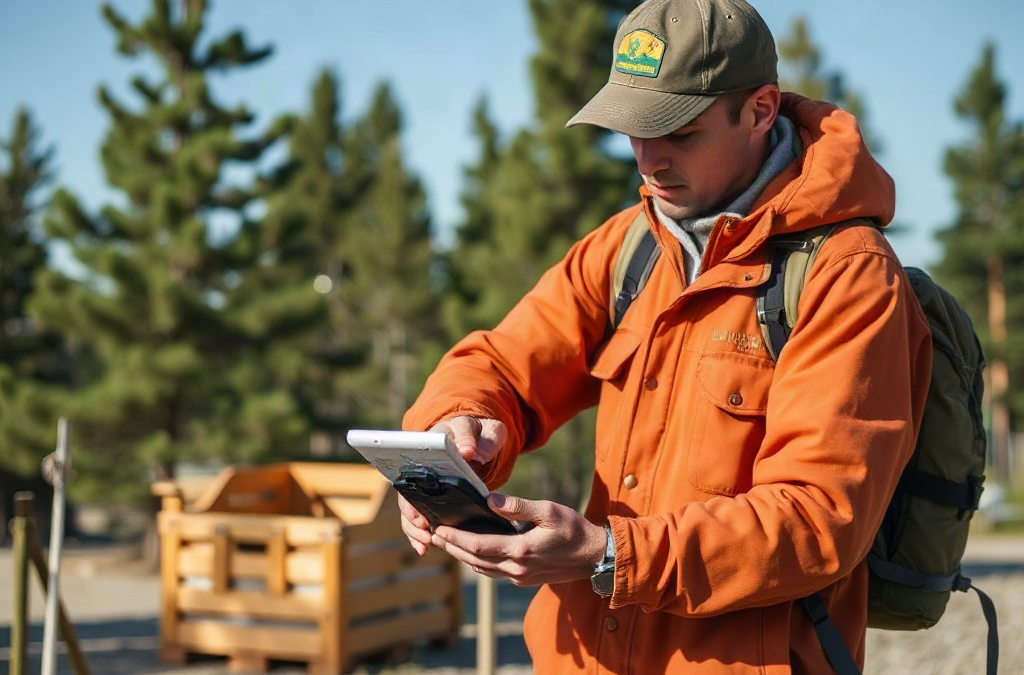
Define the Communication Failure Before Choosing Equipment
Lost communication is not one problem. A cellular outage, damaged local infrastructure, a dead phone battery, network congestion, poor reception, and a simple missed call require different responses. A useful back-up plan for lost communication begins by identifying which part of the chain may fail: the device, the power source, the network, the person using it, or the route between two locations.
That distinction changes the solution. If a phone has power but the cellular network is overloaded, a short text may succeed where a voice call does not. If the network is unavailable across an area, another carrier may offer little practical improvement. If relatives are only a few miles apart, a properly tested two-way radio may be useful; if they are in different cities, a radio designed for short-range use will not solve the problem. A written rendezvous arrangement may be more dependable than buying equipment that cannot reach the people who need it.
Consider a family whose members work in separate parts of town. Their first failure may be congestion after a storm, followed by low phone batteries and conflicting assumptions about whether to travel. Their backup should address those stages in order: conserve battery, attempt brief text messages, consult an agreed status schedule, and use a fixed meeting location only when travel is reasonable. Someone living alone may need a different design, such as a neighbor check-in and a contact outside the affected area.
A common mistake is treating “no signal” as the only scenario. Communication can also become unsafe when rumors, impersonation, or contradictory instructions circulate. A plan should identify trusted contacts and define what counts as confirmation. The objective is not to maintain constant conversation; it is to exchange enough accurate information to make the next safe decision.
Build Contact Rules That Still Work Under Stress
Contact rules convert a vague intention into a sequence people can follow without negotiating during a disruption. The arrangement should specify a primary contact, a secondary contact, check-in times, a meeting location, and the action to take when nobody responds. Each detail removes a decision that could otherwise produce delays or unnecessary travel.
Use a contact card rather than relying solely on an address book. Include full names, phone numbers, an out-of-area contact, relevant addresses, allergies or access needs where appropriate, and the agreed meeting points. Keep a paper copy in a wallet, vehicle, work bag, and home location that is easy to reach. Digital copies can supplement the paper, but they should not be the only record if devices may be lost or uncharged.
The meeting arrangement deserves precise wording. “Go to the usual place” is weak because people may have several usual places or may find one inaccessible. Identify a primary site and an alternate, along with a time window and a rule for leaving. For example, a household might use a nearby public location as the first site and a relative’s home outside the immediate area as the second. The plan should account for locked buildings, road closures, weather, mobility limits, and the possibility that one person is already with a caregiver or at work.
Contact attempts also need boundaries. Repeated calls drain batteries and may prevent short messages from getting through. A practical sequence could allow one brief call, one text containing location and status, and a later check-in rather than continuous redialing. Keep messages factual: identify yourself, state whether you are safe, give your current general location, and name the next planned action. Do not include sensitive information in a message that could be viewed by the wrong person.
The failure mode to avoid is assuming that silence means danger or that a reply means the situation is fully resolved. A delayed message may reflect congestion rather than an emergency, while a single successful exchange may not confirm safe travel. Rules should tell people when to wait, when to seek help through official channels, and when a change in conditions overrides the original schedule.
Use Layered Alternatives: Text, Radio, and Written Messages
A resilient communication arrangement uses different failure points rather than several versions of the same tool. A second phone on the same exhausted network is not a complete alternative. Layering may involve text messaging, email or an internet service when available, two-way radio for nearby users, a landline where one exists, and physical messages at a predetermined location.
Text messages are often worth trying before voice calls because they require less continuous connection and can be sent briefly. Their limitation is that delivery may be delayed, and the sender may not know whether the recipient has seen the message. Keep the wording compact and use an agreed format, such as “SAFE—AT WORK—NEXT CHECK 6 PM.” Avoid creating a long conversation that consumes battery power or obscures the latest confirmed status.
Two-way radios can be useful for neighbors, worksites, or family members within a tested area. Range depends on terrain, buildings, antenna position, power, and the specific radio service. A radio that works across an open park may perform poorly between concrete buildings. Users should know how to charge it, change channels, lock the keypad, and speak clearly. Do not assume that a channel is private; many consumer radios can be heard by anyone nearby using compatible equipment.
Written messages remain valuable when people may pass through different places at different times. A message-drop point should be protected from rain, easy for authorized people to recognize, and checked at defined intervals. Use a simple notation that records the date, time, writer, location, and next action. Avoid leaving personal details visible in public. A sealed envelope or agreed symbol may reduce casual exposure, but it should never substitute for a plan that considers theft or tampering.
These methods have different tradeoffs. Radios provide immediate local exchange but require proximity and practice. Texts can cross a wider area but depend on network service. Written notes require movement and may be missed, yet they remain available when electronics fail. The best choice depends on distance, mobility, privacy needs, likely outage type, and the users’ ability to operate the equipment.
A practical minimum setup includes a printed contact card, a paper map with marked meeting points, charging cables or a tested power bank, and one secondary method suited to the group’s distance. The common mistake is buying devices before testing the route and users. A radio left in packaging or a power bank with an unknown charge level is stored equipment, not a functioning backup.
Test, Maintain, and Trigger the Back-Up Arrangement
A backup becomes dependable through rehearsals that expose small failures before a real outage. Test the entire sequence, not merely whether a device turns on. Send a short message, make the scheduled call, operate the radio from likely locations, locate the paper instructions, and walk through the meeting decision. Record what worked and what did not.
Run at least two kinds of test. A normal test checks equipment and timing under ordinary conditions. A constrained test simulates a dead phone, unavailable internet, poor weather, or one person being away from home. If the plan depends on a neighbor, that person should understand the role and agree to it rather than discovering the arrangement during a crisis. Children, older adults, and people with disabilities may need simplified instructions or an alternative contact route.
Maintenance should be tied to ordinary routines. Check power banks, radio batteries, chargers, contact numbers, and meeting locations after moves, job changes, phone replacements, or changes in household membership. Review printed information when a number or address changes. Keep radios and paper materials where everyone can find them, but avoid making a public display of private contact details.
Trigger conditions prevent hesitation. A plan might activate when a household cannot reach a designated contact after a set number of attempts, when authorities advise against travel, or when a local outage lasts beyond a defined period. The trigger should not encourage risky movement. If roads are hazardous, the correct backup may be sheltering in place and leaving a written status message rather than heading toward the meeting point.
Signs that the arrangement is working include concise status exchanges, known decision times, and people choosing the same next step without a debate. Signs of failure include repeated contradictory messages, unnecessary travel, depleted batteries, and uncertainty about who is responsible for updates. Revise the plan after every exercise or real disruption. The back-up plan for lost communication should remain small enough to remember and detailed enough to prevent avoidable guesswork.
A compact review sequence is useful:
Confirm the person’s safety and immediate location.
Conserve power and switch from repeated calls to brief messages.
Use the secondary method appropriate to the distance and outage.
Follow the meeting or message-drop rule only when conditions permit.
Escalate through emergency services or official information channels when there is an immediate threat.
That sequence is not a substitute for emergency services. It is a way to reduce confusion while people wait for ordinary communication to return or decide whether further action is warranted.
Readers can compare their arrangements with communication guidance from local emergency management offices, public safety agencies, and the Federal Communications Commission. Official local alerts are particularly useful for understanding area-specific reception problems, road restrictions, shelter locations, and available public information channels.
Frequently Asked Questions
What should be the first backup when phone calls fail?
Try a brief text message, conserve battery power, and follow the agreed check-in schedule. Move to another method only when it suits the distance and the likely cause of the failure.
Can a two-way radio replace a mobile phone?
No. Radios may support nearby communication, but their range, terrain performance, privacy, power, and licensing requirements differ. Test the exact models and locations before relying on them.
Where should people meet if communication is unavailable?
Choose a primary and alternate location that are recognizable, accessible, and outside likely hazards. Add a time window and a rule for leaving so nobody waits indefinitely or travels into unsafe conditions.
Why keep paper contact information?
Paper remains usable when a phone is lost, damaged, uncharged, or locked behind an inaccessible account. Store copies securely and update them after number, address, or household changes.
How often should a communication backup be tested?
Test it after major changes and at regular intervals that fit the household’s routine. Include a constrained test so users practice when a device, network, or meeting location is unavailable.
Conclusion
A workable communication fallback is built around decisions, not gadgets. Identify whether the likely failure involves power, network coverage, congestion, distance, or human confusion, then match each problem with a suitable alternative. Put contact numbers, meeting points, check-in times, and escalation rules on paper. Add text messaging, a tested local radio, or a protected message drop only when that method fits the people and places involved.
Keep instructions short enough to use under pressure, and test them from realistic locations. Correct weak assumptions such as “someone will know where I am,” “a radio works everywhere,” or “silence proves the worst.” After each drill or disruption, replace obsolete numbers, recharge equipment, and revise unsafe meeting arrangements. That maintenance is what turns a written intention into a dependable response.
Outage-related congestion usually comes from many people attempting the same action at once: repeated voice calls, long conversations, image uploads, and constant redialing. A damaged tower, local power loss, overloaded backhaul connection, or reduced network capacity can make ordinary communication unreliable even when a phone shows signal. The result is frustrating for families and can make it harder for utilities, public agencies, care providers, and emergency responders to exchange essential information.
A schedule reduces this pressure by separating routine welfare checks from urgent traffic. For example, a family spread across two towns might agree to send a short text at 8 a.m. and 8 p.m. Each person reports only location, basic condition, and immediate need. Someone who does not receive a reply does not begin calling every member immediately; the plan identifies a later retry period and a designated relay contact. That spacing limits duplicate traffic and gives people a predictable time to conserve battery and monitor information.
The schedule should not be treated as a substitute for emergency communication. A suspected fire, serious injury, dangerous medical deterioration, or immediate threat requires the appropriate emergency channel. Routine updates belong in the scheduled system. Mixing both categories causes confusion, especially when a group assumes that a missed check-in automatically means a life-threatening event.
Weak plans also assume that every failed call means the person is unsafe. Phones may be powered down, in a low-signal area, charging, or avoiding network use to preserve battery. A missed message is a signal to follow the escalation rule, not permission to flood the network. For more related planning context, see contact schedules that reduce congestion during outages.
Building a Schedule by Urgency and Capacity
A useful schedule begins with communication tiers rather than a single time that everyone must call. Tier one covers urgent welfare concerns and uses immediate escalation. Tier two covers people who need a check-in because of age, disability, medical equipment, childcare, or isolation. Tier three covers routine updates among friends, neighbors, and extended family. Giving every participant the same priority creates unnecessary traffic and can obscure the people who need attention first.
Assign one person or role to coordinate each group. The coordinator does not need to make every call; the role is to collect concise updates, identify missing responses, and pass along only relevant information. A neighborhood might divide into blocks, with one block contact reporting to a wider coordinator. An organization might use team leads who report headcounts instead of asking every employee to contact the main office independently.
Choose intervals that reflect the outage, not an abstract ideal. A short interruption may need one confirmation followed by a later update. A prolonged outage may use morning and evening windows, with a separate check for people dependent on powered medical devices. Very frequent routine check-ins consume battery and increase congestion, while intervals that are too long may leave a real problem unnoticed. The right spacing depends on vulnerability, weather, access to transportation, and whether someone has a reliable local support person.
A practical schedule can contain:
Contact windows: specific local times for routine status messages.
Priority order: vulnerable people and urgent needs checked before general updates.
Message format: a short status code or plain sentence with location and need.
Missed-contact rule: a defined retry time and one assigned follow-up person.
Escalation boundary: circumstances that require emergency services or an in-person welfare check.
Consider time zones, work schedules, sleep, and charging access when participants live in different places. A plan that requires a person to respond while driving, working overnight, or standing in a long charging line will fail in practice. Use a small shared document or printed card so the schedule remains available if a phone battery dies. A schedule written from real constraints is more dependable than one built around constant availability.
Message Rules, Contact Trees, and Backup Channels
Short messages reduce both network demand and interpretation errors. A useful update identifies the sender, location, condition, and request: “Maya, north apartment, safe, battery at 40%, no assistance needed.” If assistance is required, state the specific need and whether it is urgent. Avoid sending long explanations, videos, repeated greetings, or the same update to every contact when one relay can distribute it.
Text messaging may work when voice calling is difficult because messages can be queued and delivered when capacity becomes available, but it is not guaranteed. A person should not assume that a sent message was read merely because it left the device. Delivery and response rules need to be explicit. If the first message fails, wait for the planned retry window unless the situation has become urgent. Repeated redialing often adds little value while draining the battery.
A contact tree prevents a central coordinator from becoming a bottleneck. In a five-household group, each household can report to a nearby lead, and the leads can send a consolidated update to one out-of-area contact. That relay can then share a single family status message rather than receiving dozens of parallel calls. The tree must include alternates because a coordinator may lose power, travel, become ill, or be affected by the same outage.
Backup channels should be chosen for the actual area and participants. Possible options include landlines that remain functional, local radio systems, building intercoms, in-person neighborhood checks, or an out-of-area relay. Each option has limitations: radio requires compatible equipment and operating knowledge, in-person checks create travel risks, and a landline may fail if its supporting equipment loses power. The purpose is not to collect every possible tool; it is to prevent one failed channel from ending the plan.
Use a simple priority vocabulary that everyone understands. “Routine” can mean safe with no assistance, “follow-up” can mean a delayed response or nonurgent need, and “urgent” can identify an immediate hazard. Do not create so many codes that people forget them under stress. The contact schedules that reduce congestion during outages should be printed, shared, and readable without an internet connection.
Testing and Adjusting the Outage Plan
A schedule is only useful if participants can follow it when conditions are inconvenient. Test it during a normal week with a brief drill. Send the designated message during the planned window, have one participant intentionally delay a response, and observe whether the coordinator follows the retry rule instead of launching an uncontrolled call chain. The test should reveal unclear wording, missing phone numbers, outdated alternates, and unrealistic response expectations.
Check whether the chosen channel works in the places where people actually spend time. A phone may connect at a front window but not in a basement or parking structure. A radio may reach one block but not a relative in another district. Charging arrangements also matter: a person may have a portable battery but no compatible cable, or may be saving power for medical equipment. Record those constraints beside the contact information rather than relying on memory.
After a real outage or drill, revise the plan based on observable failures. If everyone contacted the coordinator within the same five-minute period, stagger the windows or add local leads. If messages were too vague to identify needs, improve the format. If people missed the window because they were traveling to a charging location, add a wider response period or permit a later confirmation. Do not respond to every problem by increasing contact frequency; that may worsen congestion without improving awareness.
Signs that the approach is working include fewer duplicate calls, clear knowledge of who is responsible for follow-up, predictable battery use, and rapid separation of routine updates from urgent needs. Signs of failure include several people checking the same household, participants forwarding unverified rumors, a coordinator receiving more messages than can be reviewed, or a missed response triggering immediate panic. Those symptoms point to unclear ownership or poor escalation rules.
Review the plan when household members move, phone numbers change, a new medical dependency appears, or local communication options change. Keep one paper copy in an accessible place and share the latest version with every participant. A modest plan that is current and rehearsed is more useful than a sophisticated plan that no one remembers.
Frequently Asked Questions
How often should people check in during an outage?
Routine check-ins commonly work best in defined morning and evening windows, but vulnerable people may need a more frequent arrangement. Set the interval according to risk, battery access, and local conditions.
Should texting replace phone calls during network congestion?
Texting may use less immediate network capacity and can be useful when calls fail, but delivery is not guaranteed. Use it for routine updates and follow the plan’s retry rule rather than repeatedly resending.
What should a scheduled status message contain?
Include the person’s name, location, basic condition, immediate need, and whether follow-up is required. Keep it short enough to read quickly and avoid unnecessary attachments.
What happens when someone misses a check-in?
Use the predetermined retry window and assign one person to follow up. Escalate only according to the stated risk criteria; a missed message alone does not prove an emergency.
How can a contact tree avoid overloading one coordinator?
Divide participants into small groups with local leads, then send consolidated reports to a central relay. Add alternates so the tree continues working if a lead loses service or becomes unavailable.
Public health guidance for disasters, emergency response, and recovery conditions.
Conclusion
Effective outage communication depends less on constant access than on disciplined traffic. Set contact windows, separate urgent needs from routine reassurance, and give each group a clear coordinator and alternate. Short status messages preserve battery and reduce duplicate calls, while a contact tree prevents one person from becoming the only point of failure. Test the arrangement before an outage, including a delayed response and a failed channel, then revise it around what participants actually experienced. Keep emergency escalation separate from ordinary check-ins, and provide a backup method that matches local conditions. The next practical step is to write the schedule on one page, confirm every contact number, and run a brief drill so uncertainty does not turn into unnecessary network congestion.
Build Check-In Windows Around Real Communication Limits
A useful family schedule begins with communication conditions, not an arbitrary promise to call constantly. Cellular networks may work intermittently, data service may fail while text messaging still functions, and a power outage can make battery conservation more important than immediate convenience. Fixed windows give relatives a predictable opportunity to report status without requiring everyone to remain available all day.
Choose windows that match the household’s likely movements and access. A morning status period can confirm that people reached work, school, or another planned location. An evening period can cover travel, medication needs, and overnight arrangements. A third window may be worthwhile during a fast-changing event, but too many required contacts create unnecessary battery use and increase the chance that someone misses one.
Use a schedule with a defined tolerance rather than a single exact minute. For example, a 7:00 a.m. window could remain open from 6:45 to 7:30. That accommodates a delayed bus, a crowded charging station, or a short service interruption without immediately triggering escalation. The schedule should state the next expected opportunity, so a person who cannot connect at 7:00 knows whether to try again at noon or in the evening.
Write down the details in a format that works offline. Include each person’s name, usual location, expected destination, check-in windows, and the meaning of each status message. A compact plan can include:
Routine window: the normal time and acceptable range.
Message format: status, location, immediate need, and next contact time.
Late threshold: when a missed window becomes a follow-up issue.
Escalation threshold: when the designated contact takes a specific action.
One common mistake is designing the schedule around ideal coverage. A family living in an area with unreliable power may need shorter messages and wider windows, while relatives in different time zones need clearly labeled local times. The goal is not maximum contact frequency; it is a dependable pattern that remains usable when networks, transport, and attention are all impaired. Related planning details can be recorded alongside family check-in schedules during unreliable communications so the household is not relying on memory.
Choose Primary, Backup, And Relay Contact Methods
Each check-in window should identify a preferred channel and at least one alternative. Voice calls are familiar but may fail during congestion or consume more battery through repeated attempts. Text messages can succeed when voice service is difficult, although delivery may be delayed. Internet messaging can be useful where data service remains available, but it should not be the only option if power, Wi-Fi, or mobile data access is uncertain.
Assign methods in an order that people can remember. A simple sequence might be: send one text, try one call, then use the agreed messaging application or relay contact. The limit matters. A person who makes dozens of calls may exhaust a phone before the network improves, while relatives may mistake a busy signal for evidence of an emergency. The plan should distinguish “message sent” from “message received” and should not assume that a delivery indicator confirms a person’s safety.
A relay contact can reduce pressure on a separated family. This person receives updates from one group and passes along a concise status to others, rather than every relative contacting every other relative. Select someone outside the most affected area if practical, and make sure that person has the current contact list. A relay is not a substitute for emergency services or local responders; it is an information-routing arrangement for family coordination.
Consider the needs of each participant. A child may know how to send a preset text but not how to explain a changing location. An older adult may prefer a voice call and need a printed contact card. Someone with a low battery may only be able to send one short message. An alternative channel is useful only if the person has access to it, understands it, and can use it without instructions that depend on a live internet connection.
Test the methods under ordinary conditions. Send the agreed message from each phone, check that contact names are recognizable, and confirm that family members know how to reach the relay. Store essential numbers in the phone and on paper. If an app requires a password, recovery code, or two-factor prompt, verify that the account can be accessed before a disruption. A technically sophisticated channel may be less reliable in practice than a plain text message if nobody remembers the login.
Write Missed-Check-In Rules That Avoid Panic
A missed check-in is an information gap, not automatically a confirmed emergency. Phones may be off to conserve power, a person may be in a building with poor reception, or the network may be processing messages slowly. Written rules prevent relatives from improvising different responses and turning a routine delay into a chain of alarming calls.
Use staged follow-up. The first stage can wait through the agreed window and grace period. The second can involve one message asking for a simple response, such as “reply 1 when safe.” The third can contact the person’s planned destination, workplace, school, or relay contact if that action is appropriate and lawful. The schedule should identify who is responsible for each step so that several people do not duplicate calls or expose sensitive information unnecessarily.
Set different thresholds for different circumstances. A missed evening message from an adult who is traveling through a known dead zone may require patience. A missed check-in from a child expected at a specific pickup point deserves faster verification. The rule should account for the person’s age, health needs, transportation plan, weather, and last known location. It should also state when to contact emergency services based on observed danger or credible information, rather than treating the schedule itself as a monitoring system.
Use neutral status categories. “Safe,” “delayed,” “need pickup,” and “need medical help” are easier to interpret than long explanations typed under stress. A family can agree that a status message includes a location only as precisely as necessary; broadcasting an exact home or travel location through an unsecured channel may create privacy risks. If a person cannot share details, “safe, unable to talk, next update at 9” may be enough.
The weak assumption to avoid is that a schedule creates certainty. It cannot reveal a person’s condition when no signal, battery, or trusted observer is available. It can, however, make uncertainty more manageable by defining what is known, what is merely delayed, and what action follows. Keep the plan close to the contact card and review it with anyone expected to initiate follow-up.
Test, Update, And Use The Schedule Under Pressure
A schedule becomes dependable through rehearsal. Run a brief drill in which one person misses the first window, another uses the backup channel, and the relay passes a status message to the group. The exercise often exposes practical problems that are invisible on paper: a number is outdated, a child cannot unlock the phone, a contact uses a different time zone, or the family has no agreed meaning for “no response.”
Review the plan after changes in school, work, travel, housing, or medical needs. Update expected locations and remove old numbers. Check that printed copies are legible and that phones retain enough charge for the intended windows. A portable charger may extend access, but it does not solve a missing cable, a damaged device, or a communications outage. Keeping a small set of compatible charging options may be more useful than assuming one battery pack covers every phone.
During an actual disruption, send the shortest message that answers the family’s immediate question. A practical format is: “Maya safe; at library; battery 35%; next update 6 p.m.” If the person needs help, name the need and location rather than burying it in a long narrative. Recipients should record the time received and avoid forwarding unverified rumors as if they were family updates.
Compare a centralized plan with a fully shared group chat. A group chat is convenient when service is stable, but it can become confusing as messages arrive out of order or participants send repeated requests. A designated coordinator can reduce duplication, while a group channel may still be useful for confirmed updates. Families with complex travel patterns may need both: individual check-ins to a relay and a group message for information everyone should see.
Signs the arrangement is working include successful tests, messages that identify the next expected contact, and clear ownership of follow-up. Signs it is failing include constant calling, contradictory instructions, outdated destinations, or relatives treating every missed window as proof of harm. Adjust the schedule toward fewer, clearer requirements if people cannot maintain it during a normal drill. Practical preparedness depends on a plan that survives imperfect participation, not one that looks comprehensive only in a document.
For households refining their broader communications plan, family check-in schedules during unreliable communications should sit beside transportation details, meeting locations, and backup contacts. Those pieces work together: a message can report that someone is safe, but the family still needs a known place and method for reunification if communication stops.
Frequently Asked Questions
How often should a family schedule check-ins?
Two or three windows per day are often easier to maintain than constant contact. Increase frequency only when a specific risk, travel plan, or care need justifies it.
What should a check-in message say?
Include the person’s status, general location, immediate need if any, and the next expected update. Keep it short enough to send with a weak signal or low battery.
What is the best backup if phone calls fail?
Use an agreed text message, messaging application, or relay contact, depending on what each person can access. Keep important numbers on paper as well as in phones.
How long should a family wait after a missed check-in?
Use the written grace period and consider the person’s age, health, route, expected location, and network conditions. A missed window alone does not establish an emergency.
Should everyone contact everyone else?
Usually not. A designated relay or coordinator can reduce duplicated calls, conserve battery, and prevent conflicting information while still allowing urgent messages to reach the right person.
Evidence-informed sports nutrition resources and position stands for active people and athletes.
Conclusion
A resilient family communication plan relies on predictable windows, realistic channel choices, and measured responses to silence. Set contact times that fit likely network and battery conditions, define a primary method and a backup, and give every participant a short message format they can use under pressure. Add a relay contact when the family is dispersed, then write staged follow-up rules that distinguish delay from credible danger. Test the arrangement with the actual phones, numbers, locations, and users involved. After each move, trip, school change, or equipment change, revise the plan. The next practical step is a short household drill: miss one window, use the backup, record what confused people, and simplify the schedule until everyone can follow it offline.
Voice calls and text messages may use the same phone and carrier while relying on different delivery requirements. A voice conversation needs a continuous connection between two endpoints. The network must reserve or coordinate enough capacity for audio in both directions, maintain timing, and hand the call between nearby cell sites if the caller moves. A text message is much smaller and can be stored temporarily by the carrier before being forwarded.
That difference explains why a call may fail with no connection while an SMS arrives several minutes later. A marginal signal may not support stable speech, yet it may be sufficient for a brief signaling exchange. The phone can transmit the message, the carrier can queue it, and the recipient’s device can retrieve it when coverage improves. The result is not guaranteed, but the technical burden is lower.
Modern phones add another layer. A message may be sent as traditional SMS, multimedia messaging, an internet-based service, or a carrier-integrated chat feature. A voice call may be placed through cellular voice, voice over LTE, voice over Wi-Fi, or an app. Two icons that look similar to a user can therefore follow different routes. Checking whether a message is marked SMS, sent through Wi-Fi, or dependent on a chat service can clarify what actually worked.
Consider a person inside a concrete building during a busy period. Their phone may show one bar, enough to register a short text, but the audio connection drops during call setup. Moving to a window could improve both services, but sending a concise SMS may be the fastest first move. The common mistake is assuming that a successful text proves voice service is fully restored. It only shows that one message path succeeded at that moment.
Readers researching why text messages may work after voice calls fail should separate three questions: whether the message left the sender’s phone, whether it reached the carrier or recipient device, and whether the recipient noticed it. Those are different events and should not be treated as a single confirmation.
Network Conditions That Favor Text Messages
Network congestion is one of the clearest reasons texting can outperform calling. During a large event, power interruption, severe weather incident, or local outage, many devices may attempt to connect at once. Voice sessions require sustained resources, whereas short messages can be processed in brief bursts and queued. A text may therefore get through after repeated call attempts have failed.
Coverage gaps also produce uneven results. Radio signals weaken inside elevators, basements, metal-sided buildings, and structures with dense concrete or energy-efficient glazing. Voice service may fail during the initial handshake or during a handoff between towers. An SMS sent while the phone briefly detects a usable signal may remain pending until the device reconnects. This is why a message can appear delayed rather than immediately delivered.
Infrastructure failures do not always affect every service in the same way. A carrier may have a problem with voice switching, local backhaul, voice-over-LTE registration, or a particular cell site while text routing remains available. Conversely, SMS may be delayed if the messaging center is overloaded even when calls work. Wi-Fi can change the picture again: a phone connected to a functioning wireless network may send an internet-based message despite poor cellular coverage, but ordinary SMS generally depends on the carrier’s cellular service unless the device and carrier support a specific Wi-Fi calling or messaging arrangement.
Phone settings can create a misleading comparison. Airplane mode, disabled cellular data, an inactive SIM, blocked contacts, incorrect network selection, or a messaging app that cannot authenticate may prevent one service while another still functions. A recipient who has changed numbers, lost power, or enabled a focus setting may also receive the text later than expected.
Do not interpret a delivered message as a network-wide test. It confirms only that the particular route, device state, and moment were favorable enough for that message. If communication matters, test both directions with a simple reply rather than relying on a single outgoing text.
What to Check Before Sending an Urgent Text
A short, well-formed message has a better chance of being useful when calling is unavailable. Include your name if the recipient may not recognize the number, your location in broad but meaningful terms, the immediate status, and the action you want. “Alex: I’m at the library entrance, safe but unable to call. Please reply YES when you see this” is more useful than a vague “Call me.”
Keep the first message small. Plain SMS text is preferable when the network is strained because photos, videos, read receipts, typing indicators, and group-chat features may require additional data or a different service. If the recipient uses an iPhone, Android phone, satellite-capable device, or messaging app with different defaults, a message may switch between protocols without making the technical distinction obvious.
Before assuming the other person received anything, check the status shown by the phone. “Sending” or “Pending” means the device has not completed its attempt. “Sent” may indicate acceptance by a messaging service without confirming delivery to the recipient’s handset. “Delivered” is stronger evidence, but it still does not show that the person has read the message, has power, or can respond safely.
Use this compact order when a call fails:
Try one call, then stop repeated dialing if the network appears congested.
Send a plain, concise SMS with identity, location, condition, and requested reply.
Move to a window, higher floor, outdoor area, or known coverage point if doing so is safe.
Check airplane mode, signal status, SIM or eSIM activation, recipient number, and message status.
Wait briefly for a queued message before sending many duplicates.
The best location is not always the strongest signal shown by the phone. A safe public place with power, shelter, and people nearby may be preferable to walking into an unsafe area for one extra bar. Likewise, toggling airplane mode can prompt a new network registration, but repeatedly changing settings can waste battery and does not repair a carrier outage.
A useful comparison is between an urgent coordination message and a casual conversation. The urgent message should be short and operational. A casual chat can wait for richer features or a stable connection. If the first attempt fails, retrying from a better position may be sensible; sending a long series of increasingly complex messages usually adds confusion rather than reliability.
When Texting Is Not a Reliable Substitute
Text messages are not a universal replacement for voice communication. They are asynchronous, so the recipient may not see them promptly. A phone can be powered on but muted, left unattended, damaged, out of storage, or disconnected from the network. Delivery records also vary by carrier and app, making status labels imperfect evidence.
Texting is especially weak when the situation requires immediate confirmation, detailed explanation, or rapid back-and-forth decisions. A medical emergency, dangerous location, missing person concern, or time-critical evacuation should not depend on an unanswered message. Use the appropriate emergency service or local authority when immediate assistance is needed, and follow any established household or workplace communication plan.
Privacy and misdirection create additional risks. A text may be forwarded, seen by someone else, or sent to an outdated number. Avoid placing sensitive identity details, financial information, access codes, or precise locations in a message unless the recipient and circumstances justify it. Group texts can also reveal everyone’s phone number and create a noisy reply chain.
There is a practical tradeoff between brevity and context. “I’m okay” is easy to send but does not tell the recipient where you are or what you need. A long narrative may fail to send, consume attention, or bury the request. Use a compact structure: who you are, where you are, what is happening, and what reply is needed. If more detail is necessary, send it after the recipient confirms contact.
Another failure mode is treating texting success as proof that the other person can communicate normally. They may receive your message but lack outgoing service, battery, privacy, or safe conditions for a reply. Ask for a simple response such as “OK” or “NEED HELP,” and establish an alternate contact route in advance. The broader communication plan should specify when to wait, when to try another channel, and when to seek direct assistance.
A Practical Communication Sequence
A reliable sequence reduces both network load and uncertainty. Begin by deciding whether the situation is urgent enough to require immediate professional help. If it is, do not delay that action while experimenting with phone settings. If it is not immediately life-threatening, use one call attempt followed by one concise text, then allow time for the message to move through a congested network.
After sending, look for evidence rather than guessing. A pending status suggests a connection problem on the sender’s side or between the phone and carrier. A delivered status suggests the message reached the recipient device or service, but a requested reply is still needed for two-way confirmation. If no response arrives, try a second channel that is genuinely independent, such as a landline, trusted messaging app over available Wi-Fi, or a designated contact who can check in person.
Battery management matters more than constant screen checking. Lower screen brightness, close unnecessary applications, use low-power mode when appropriate, and avoid repeated call attempts that keep the radio active. If coverage is absent, searching continuously for a signal can drain the phone before service returns. A known safe location with charging access may provide more value than walking around randomly.
Households and teams can improve outcomes before a disruption by agreeing on plain-language check-in rules. Decide what “safe,” “need assistance,” and “cannot reply” mean. Record important numbers in more than one place, including a paper copy. Test the arrangement occasionally, because people change phones, carriers, addresses, and preferred apps. Do not assume that everyone receives the same message format or has the same network capability.
The central mistake is escalating activity without improving information. Ten duplicate messages do not create ten independent delivery paths. A better approach is to change one meaningful variable at a time: location, network connection, communication channel, or recipient. That makes the result easier to interpret and preserves battery and attention for the next decision.
Frequently Asked Questions
Can a text work when there is no cell service?
Ordinary SMS generally needs some cellular connection, but it may succeed during a brief signal window or after the phone reconnects. An internet-based message may work over functioning Wi-Fi instead.
Why does a call fail immediately while a text says sent?
Calls require a continuous voice connection and successful call setup. A text can be accepted by a messaging system or queued, so “sent” does not necessarily mean the recipient has received it.
Should I keep calling if my messages are going through?
Usually, avoid repeated calls when congestion is suspected. Send a concise message, request a simple reply, and try another channel only if the situation or waiting period justifies it.
Does moving outside always make texting work?
No. Moving near a window or outdoors may reduce building-related signal loss, but a carrier outage, inactive SIM, damaged phone, or overloaded network will not necessarily improve with location.
What should an urgent text include?
Include your name, approximate location, immediate condition, and the action or reply you need. Keep it plain and brief, and avoid assuming that delivery means the recipient has read it.
Public health guidance for disasters, emergency response, and recovery conditions.
Conclusion
Texting can succeed after a failed voice call because it needs less continuous network capacity and can be queued while coverage or congestion changes. That advantage is useful, but it does not guarantee quick delivery, a response, or emergency assistance. Send one short message with your identity, location, status, and requested reply; then check its delivery state and conserve battery while waiting. A safer communication plan also includes an alternate channel, updated contact details, and a clear point at which you stop troubleshooting and seek direct help. Treat each status indicator as partial evidence, not proof that communication is complete. The most reliable next step is the one that improves confirmation without creating extra delay or exposing someone to unnecessary risk.
Disasters can strike at any moment, leaving families in disarray and uncertainty. To navigate through turbulent times, preparedness is essential. Crafting a family emergency plan not only equips you with the tools to respond but also brings peace of mind. Here’s how to create a comprehensive strategy that keeps your loved ones safe.
*Understanding the Risks: Identifying Potential Disasters**
First and foremost, understanding the risks specific to your area is crucial. Is your region prone to hurricanes, earthquakes, floods, wildfires, or severe storms? Conduct thorough research on local hazards; this will inform your planning process. It’s not just about knowing what could happen—it’s about recognizing which risks are most likely and can have the most significant impact on your family’s safety.
*Building Your Emergency Kit: Essentials for Every Family**
Once you’ve identified potential threats, it’s time to gather supplies for an emergency kit. This should include non-perishable food items sufficient for at least three days, water (one gallon per person per day), flashlights with extra batteries, a first-aid kit, medications, personal hygiene items, and important documents stored in waterproof containers. Don’t forget about any special needs for infants or elderly family members! Tailoring this kit ensures that everyone in your household has what they need during an emergency.
*Communication is Key: Establishing a Family Contact Plan**
In chaotic situations, staying connected can be challenging yet vital. Develop a family communication plan outlining how each member can reach one another if separated. Designate an out-of-town contact as a central point of communication—this way, if local lines are down or congested, you still have a reliable means of sharing information. Make sure everyone knows the plan; practice it regularly so no one feels lost when it counts.
*Developing an Evacuation Strategy: Mapping Out Safe Routes**
While some disasters may require shelter-in-place strategies, others will necessitate evacuation. Identify multiple routes from your home to predetermined safe locations such as friends’ houses or shelters away from danger zones. Keep maps handy (both physical and digital) and discuss these routes with all family members so everyone understands where to go when time is of the essence.
*Reviewing and Practicing Your Plan: The Importance of Drills**
Having an excellent plan is just half the battle; you must practice it regularly! Schedule drills that simulate various disaster scenarios—whether it’s gathering at home during an earthquake or executing your evacuation route during a fire drill—this repetition builds confidence and reduces panic during real emergencies. Ensure every member takes part; participation fosters teamwork which is critical in high-stress situations.
*Staying Informed: Utilizing Alerts and Local Resources**
Finally, stay informed about ongoing risks by utilizing local resources such as community alert systems or weather apps that provide real-time updates on emergencies in your area. Social media channels often broadcast urgent information too; following local government accounts can help keep you abreast of any developments related to potential disasters.
By taking proactive steps now—understanding risks, building kits tailored for your family’s needs, establishing clear communication plans and practicing them—you stand ready to face any storm together as a united front. Disaster preparedness isn’t merely about survival; it’s about reinforcing bonds while facing challenges head-on!
When calamity strikes, being prepared can make all the difference. Disasters come in various forms—natural, technological, or even man-made—and understanding these types is crucial. Earthquakes, hurricanes, floods, fires, and pandemics are just a few examples. Each type demands specific preparations and responses. Familiarize yourself with potential risks in your area; knowledge is power.
Now that you understand the threats you might face, let’s talk about crafting a comprehensive emergency plan. Start by assessing your household’s needs: who needs special assistance? Do you have pets? Next, establish communication protocols. Designate a meeting point in case you’re separated and ensure everyone knows how to reach each other through texts or calls. Consider creating an emergency contact list that includes relatives and friends outside your immediate area—this will be invaluable if local networks are down.
Once your plan is in place, it’s time to build an essential disaster kit. This isn’t just about grabbing random supplies; it requires thoughtful consideration of what you might need when disaster strikes. Include non-perishable food items like energy bars and canned goods, sufficient water (at least one gallon per person per day), flashlights with extra batteries, first-aid supplies, whistle for signaling help, dust masks to filter contaminated air, moist towelettes for personal sanitation, and essential medications. Don’t forget important documents as well—copies of IDs and insurance policies should be stored safely yet accessibly.
Staying informed during a crisis can be life-saving. Reliable sources for updates include government websites such as FEMA or NOAA for weather alerts and local news stations that provide real-time information on unfolding situations. Social media platforms can also help spread information quickly but verify facts before making decisions based on them.
Preparing not only your home but also your community fosters resilience in times of chaos. Reinforce structures where necessary—install storm shutters or secure heavy furniture to walls if you live in a high-risk area for earthquakes or hurricanes. Encourage neighbors to form support groups; sharing resources strengthens communal bonds during emergencies.
Equally important is emotional resilience—a critical aspect often overlooked when discussing disaster preparedness. Coping strategies vary from person to person but may include mindfulness practices like meditation or yoga that help manage stress levels before and after an event occurs. Engage with loved ones; talking about fears can alleviate anxiety while reinforcing support systems during tough times.
Lastly, consider seeking professional counseling if traumatic experiences linger long after the disaster has passed—mental health plays a vital role in recovery.
In conclusion, don’t wait for the storm to take action! Equip yourself with knowledge about disasters specific to your region; formulate a detailed emergency plan tailored to your family’s needs; compile an effective disaster kit stocked with essentials; stay connected through reliable information channels; reinforce both home safety measures and community ties; nurture emotional resilience proactively. By taking these steps now, you’ll safeguard not just lives but livelihoods too when faced with unforeseen crises!