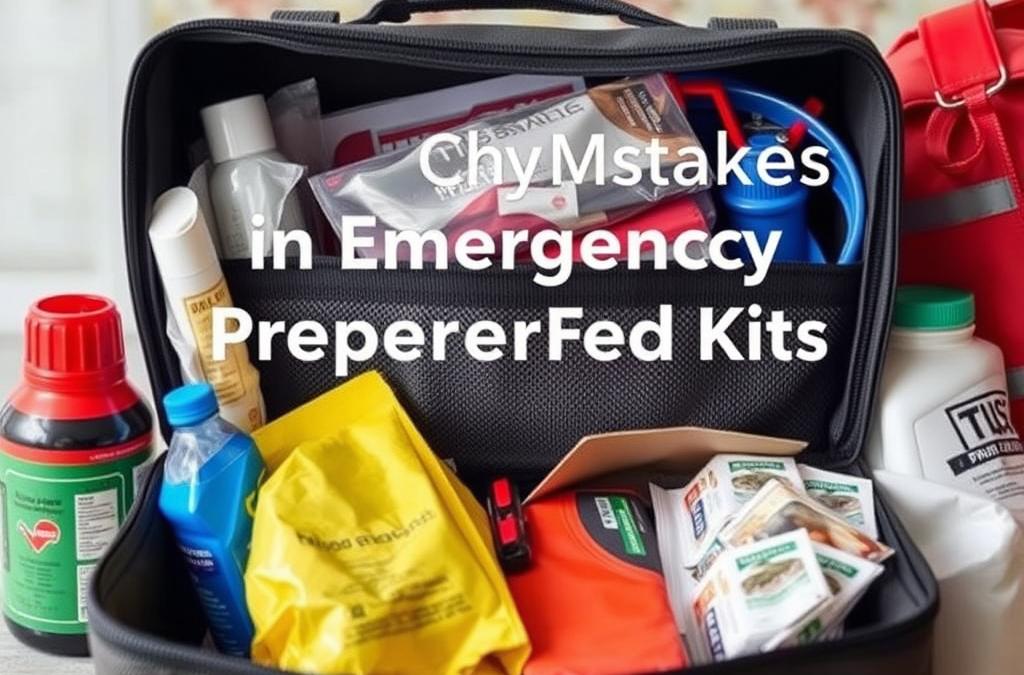
Individuals often stock up on only one type of food, which can lead to dietary deficiencies during extended emergencies. Proper planning should involve selecting foods that are calorie-dense, nutrient-rich, and easy to prepare. Additionally, keep in mind the dietary restrictions of family members and ensure that their needs are met.
Regular maintenance of your emergency preparedness kit is crucial to ensure that all items are usable when needed. Failing to update your kit can lead to expired items that are no longer effective in an emergency.
Neglecting Regular Maintenance and Updates
Regular maintenance of your emergency preparedness kit is crucial to ensure that all items are usable when needed. Many people forget to check expiration dates on food, medications, and other supplies. Failing to update your kit can lead to expired items that are no longer effective in an emergency. Schedule regular reviews, ideally every six months, to replace expired items and add new supplies as needed.
It’s also essential to consider seasonal changes that might affect your kit. For instance, if you live in an area prone to extreme weather, ensure your kit includes appropriate clothing, blankets, and heat sources during winter months. Keeping your kit relevant to your environment and lifestyle increases its effectiveness.
Ignoring Personal Medical Needs
Many people overlook the specific medical needs of household members when assembling their emergency kits. This can lead to critical gaps in preparedness. If someone in your household requires prescription medications, ensure that you have an adequate supply in your kit. Additionally, consider including over-the-counter medications for common ailments, such as pain relievers, antihistamines, and digestive aids.
To enhance your kit’s effectiveness, include a first aid manual and supplies tailored to your family’s needs. For example, if a family member has allergies, ensure that your kit contains an epinephrine auto-injector. By anticipating individual medical requirements, you can improve your family’s response to emergencies.
Overlooking Water Supply
Water is a critical component of any emergency preparedness kit, yet it is often neglected or insufficiently stocked. The general guideline is to have at least one gallon of water per person per day for at least three days. Many people underestimate their water needs, especially in high-stress situations where additional hydration may be necessary.
When preparing your water supply, consider the duration of potential emergencies and the number of people in your household. Additionally, think about including water purification tablets or filters, which can help ensure access to safe drinking water if your primary supply runs out.
Failing to Include Essential Tools
Another common mistake is neglecting to pack essential tools and equipment in your emergency kit. Basic tools like a flashlight, batteries, multi-tool, and a whistle can significantly enhance your ability to respond to emergencies. A lack of these tools can hinder your ability to communicate, navigate, or perform necessary repairs.
Evaluate your household’s needs and consider including items like a portable phone charger, fire starter, or duct tape. These tools can provide significant advantages in emergencies, allowing you to address various challenges effectively.
National preparedness resources for planning, mitigation, and response readiness
Frequently Asked Questions
What should I include in my emergency preparedness kit?
Your kit should include food, water, first aid supplies, medications, and essential tools like a flashlight and multi-tool.
How often should I check my emergency kit?
Regularly check your kit every six months to replace expired items and update supplies as needed.
How much water should I store in my emergency kit?
Store at least one gallon of water per person per day for at least three days.
What types of food are best for emergency kits?
Include non-perishable, calorie-dense foods like canned goods, dried fruits, nuts, and energy bars.
What tools are essential for an emergency kit?
Essential tools include a flashlight, batteries, a multi-tool, a whistle, and a portable phone charger.
Conclusion
Being aware of common mistakes in emergency preparedness kits can significantly enhance your ability to respond effectively during a crisis. Ensure that your kit is regularly maintained, includes essential supplies tailored to your family’s needs, and contains adequate food and water. By avoiding these common pitfalls, you can better prepare for unexpected situations and safeguard your family’s well-being.
For instance, families with children may need to include additional supplies such as baby formula or diapers. Furthermore, maintaining a rotation system for food and other perishables is crucial to prevent waste and ensure that supplies remain usable. Regularly updating the storage with fresh items and reviewing the inventory helps avoid the pitfalls of being underprepared.
When considering emergency storage ideas, having a variety of non-perishable food items is vital. Regularly updating the storage with fresh items and reviewing the inventory helps avoid the pitfalls of being underprepared.
Essential Food Supplies
When considering emergency storage ideas, having a variety of non-perishable food items is vital. Foods such as canned goods, rice, pasta, and dehydrated meals can provide sustenance during emergencies. It is important to select foods that require minimal preparation and have a long shelf life. Additionally, including a mix of protein sources, such as canned beans or peanut butter, ensures balanced nutrition.
Smart storage practices involve keeping a detailed inventory of food supplies, noting expiration dates, and regularly rotating older items to the front. A common mistake people make is focusing solely on one type of food, which can lead to nutritional deficiencies during extended emergencies. Diversifying food options helps maintain morale and health.
Water Storage and Purification
Water is a critical component of emergency storage ideas, as it is essential for hydration and food preparation. It is recommended to store at least one gallon of water per person per day for a minimum of three days. Utilizing clean, food-grade containers for water storage can help maintain quality. Additionally, consider investing in water purification systems or tablets, which can be invaluable when access to clean water is compromised.
Many overlook the importance of water storage, leading to severe dehydration in emergency situations. Regularly checking and replacing stored water ensures that it remains safe for consumption. Understanding local water sources and having purification methods ready can significantly enhance preparedness.
First Aid and Medical Supplies
First aid kits are an essential part of emergency storage ideas, as they can address injuries or health issues that arise during a crisis. A well-stocked first aid kit should include bandages, antiseptics, pain relievers, and any necessary prescription medications. Customizing the kit based on individual and family health needs, such as including specific medications or allergy treatments, is crucial.
One frequent oversight is failing to regularly check the contents of the first aid kit. Expired medications or missing supplies can render the kit ineffective. Establishing a routine to review and restock the kit ensures it remains ready for use, providing peace of mind during emergencies.
Personal Documents and Important Information
Emergency storage ideas should encompass important personal documents and information, which can be critical during emergencies. This includes identification, insurance papers, medical records, and emergency contact information. Storing these documents in a waterproof and easily accessible container can prevent loss and facilitate quick retrieval.
Many individuals underestimate the importance of having personal documents readily available. In chaotic situations, having organized access to essential information can expedite processes such as medical treatment or evacuation. Regularly reviewing and updating these documents ensures they remain relevant and accurate.
National preparedness resources for planning, mitigation, and response readiness
Frequently Asked Questions
What should I include in my emergency storage?
Your emergency storage should include non-perishable foods, clean water, first aid supplies, and important personal documents.
How often should I check my emergency supplies?
It’s advisable to check your emergency supplies every six months to ensure that items are not expired and are in good condition.
What is the best way to store water for emergencies?
Store water in clean, food-grade containers and keep it in a cool, dark place. Replace the water every six months.
How can I make my own first aid kit?
To create your own first aid kit, include band-aids, antiseptic wipes, gauze, adhesive tape, and any personal medications needed.
Why is it important to have personal documents in emergency storage?
Having personal documents readily available is crucial for identification, accessing services, and facilitating communication during emergencies.
Conclusion
Incorporating effective emergency storage ideas into your preparedness plan is essential for ensuring safety and security during crises. By prioritizing non-perishable foods, clean water, first aid supplies, and important personal documents, you can create a well-rounded storage strategy. Regularly reviewing and updating your supplies will help maintain their effectiveness and ensure you are ready to respond to any situation. Take action now to safeguard your future and enhance your readiness for emergencies.
For instance, if you live in a region prone to natural disasters like hurricanes or earthquakes, focus on items that will help you respond effectively to those situations. It’s also important to regularly check your supplies to ensure they are functional and up to date, as expired items can do more harm than good.
Key items that should be included in any emergency kit are a first aid kit, flashlights, batteries, and a multi-tool. It's also important to regularly check your supplies to ensure they are functional and up to date, as expired items can do more harm than good.
Essential Emergency Supplies
Key items that should be included in any emergency kit are a first aid kit, flashlights, batteries, and a multi-tool. A well-equipped first aid kit is fundamental for treating injuries, while flashlights provide visibility in power outages. Multi-tools can assist in a variety of tasks, from cutting and gripping to prying open containers.
When selecting these items, prioritize quality and functionality. For example, ensure your flashlight is waterproof and has a long battery life. Avoid cheap tools that may fail at critical moments. Regularly inspect your kit to replace any expired items or batteries, keeping everything ready for immediate use.
Personal Safety Equipment
Personal safety equipment such as fire extinguishers, whistles, and reflective vests can significantly enhance your preparedness. Fire extinguishers are essential in case of small fires, while whistles can help signal for help if you are trapped or lost. Reflective vests ensure visibility, especially during low-light conditions.
Invest in high-quality safety gear that meets safety standards. Check expiration dates for items like fire extinguishers and replace them as necessary. Familiarize yourself with how to use each piece of equipment, as knowing how to react quickly can save lives.
Food and Water Considerations
Having an adequate supply of food and water is critical during emergencies. Aim for at least one gallon of water per person per day for at least three days. Non-perishable food items like canned goods, dried fruits, and energy bars are suitable for storage as they have long shelf lives.
Store food in a cool, dry place and rotate supplies regularly to avoid spoilage. Plan meals that require minimal preparation and cooking, as you may not have access to cooking facilities during emergencies. Remember, it’s better to overestimate your needs than to run short.
Tailoring Your Gear to Your Needs
Every individual or family may have unique needs based on location, health conditions, and the number of people involved. Tailor your emergency gear to include any necessary medications, baby supplies, or pet food if applicable.
Consider creating personalized bags for each family member that contains essential items they might need. This allows for quick evacuation if necessary. Regularly review and update your emergency plans and gear to ensure they remain relevant to your current circumstances.
National preparedness resources for planning, mitigation, and response readiness
Frequently Asked Questions
What items should be included in a first aid kit?
A first aid kit should include band-aids, antiseptic wipes, gauze, adhesive tape, scissors, tweezers, and pain relievers.
How much water should I store for emergencies?
It’s recommended to store at least one gallon of water per person per day for at least three days.
How often should I check my emergency supplies?
Check your emergency supplies at least twice a year to replace expired items and ensure everything is functional.
What type of food is best for emergency kits?
Non-perishable foods like canned goods, dried fruits, and energy bars are ideal for emergency kits due to their long shelf life.
Should I customize my emergency gear?
Yes, customize your emergency gear to meet the unique needs of your family, including medications, baby supplies, or pet food.
Conclusion
Being prepared with must-have emergency gear is vital for ensuring safety during unexpected events. Prioritize your supplies based on your specific needs and regularly update them to avoid any lapses in readiness. Focus on quality items that serve multiple purposes, and don’t forget to tailor your gear for personal circumstances. With the right preparation, you can significantly enhance your ability to respond effectively to crises.