
by Preparation | Aug 24, 2025 | Preparation Call
Disasters can strike when you least expect them—be it a natural calamity like an earthquake, a hurricane, or even man-made crises. Understanding the types of disasters that could affect your area is the first step toward being prepared. Take some time to research common threats specific to your region. Floods, wildfires, tornadoes, and severe storms each require different strategies for readiness. Knowing what could happen will empower you to take actionable steps.
Once you’re aware of potential risks, it’s crucial to create a robust emergency plan. This plan should outline the procedures everyone in your household needs to follow during a disaster. Start by determining escape routes from your home and identifying safe meeting points outside. Discuss how family members will communicate if separated—consider using text messages or social media as alternatives in case phone lines are down. Regularly review this plan together so everyone feels confident about their roles should an emergency occur.
A well-stocked emergency kit is another cornerstone of preparedness. Your kit should contain essential supplies to sustain your family for at least 72 hours after a disaster strikes. Key items include bottled water (one gallon per person per day), non-perishable food (think canned goods and energy bars), first-aid supplies, flashlights with extra batteries, and important documents stored in waterproof bags. Don’t forget personal hygiene products and any necessary medications! Customize your kit according to individual family needs—infants may require formula while pets need food too.
Home safety cannot be overlooked either; assessing and fortifying your space against possible disasters is vital. Begin by inspecting structural weaknesses in your home—check for loose roof shingles or cracks in walls that might worsen during severe weather events. Reinforce windows with storm shutters or plywood boards if you live in hurricane-prone areas. Additionally, consider installing smoke detectors and carbon monoxide alarms throughout the house; routinely test these devices to ensure they’re functioning properly.
Staying informed is paramount when it comes to disaster preparedness; communication plays a critical role here. Subscribe to local alert systems that provide real-time updates regarding weather conditions or emergencies happening nearby. Social media platforms often serve as immediate sources of information during crises—follow relevant local agencies who share timely alerts on these channels.
Family preparedness means involving every member of your household in the planning process—from toddlers learning about staying safe at home to older kids practicing drills for various scenarios, inclusivity fosters confidence among all ages. Create opportunities for discussion around fears related to disasters; addressing concerns openly can help alleviate anxiety while ensuring everyone understands their responsibilities within the emergency plan.
In summary, being ready for disasters involves understanding potential threats, creating actionable plans with clear communication strategies, assembling comprehensive emergency kits tailored specifically for your household’s needs, fortifying physical spaces against hazards—and most importantly—engaging every family member throughout this process! By taking these essential steps now, you’ll cultivate resilience within your home that can make all the difference when facing unforeseen challenges ahead!
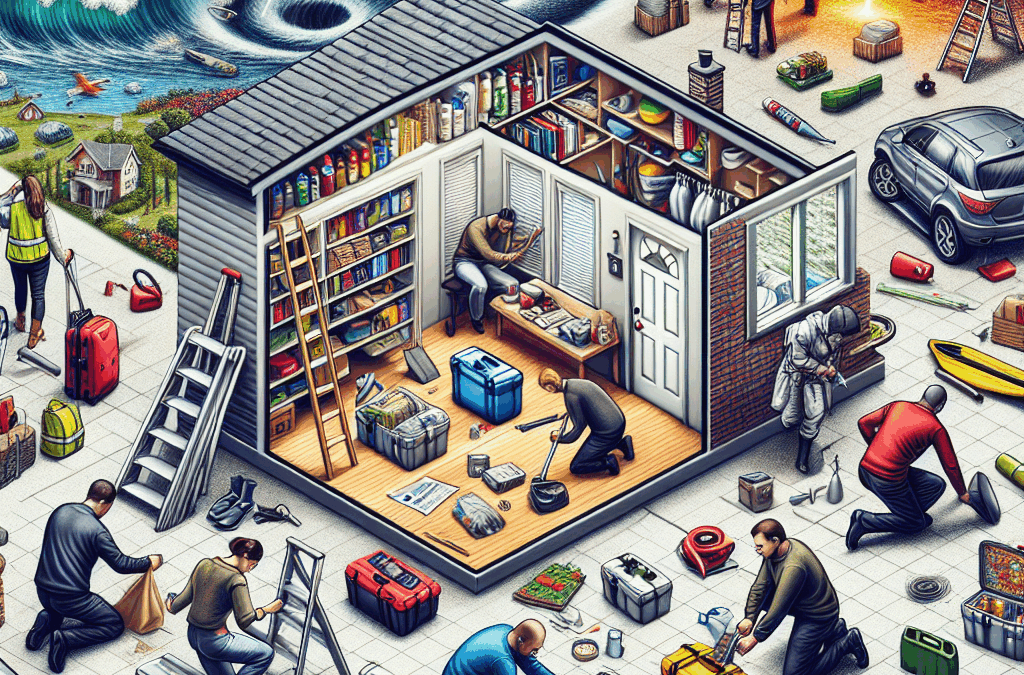
by Preparation | Aug 24, 2025 | Preparedness
Table of Contents
- Introduction to Preparedness for Hurricanes
The Rising Threat in 2025
Hurricanes have become more intense and frequent in recent years. In 2025, climate scientists warn that hurricane activity is expected to increase due to ongoing climate change. Understanding the importance of preparedness for hurricanes is essential for safeguarding lives and property.
Many communities have experienced devastating storms, emphasizing the need for proactive action. Being prepared can significantly reduce the risk of injury and damage during hurricane events.
For example, after Hurricane Laura in 2020, communities that had comprehensive emergency plans fared much better than those that were unprepared. Recognizing the importance of preparedness for hurricanes helps motivate residents to take necessary precautions well in advance.
Impacts of Inadequate Preparation
Failure to prepare for hurricanes in 2025 can lead to chaos, injuries, and financial loss. Unprepared households often find themselves overwhelmed and vulnerable when a storm arrives unexpectedly.
Statistics show that nearly 40% of hurricane-related injuries occur due to preventable hazards during storms. Proper preparedness minimizes these risks by mitigating hazards in advance.
Community-wide preparedness also enhances resilience, enabling quicker recovery and less strain on emergency services after the storm passes.
2. Building Your Emergency Kit for Hurricane Season 2025
Essential Items to Include
An effective emergency kit provides crucial supplies that ensure survival and safety during hurricanes. Essential items include non-perishable food, clean water, medications, flashlights, batteries, and cash.
In 2025, consider adding solar-powered chargers and portable power banks to keep electronics functioning. These tools are invaluable during power outages.
Remember, your kit should also contain important documents, personal hygiene items, and pet supplies if needed. Preparing a comprehensive kit ensures you’re ready for any situation.
Where to Store Your Emergency Supplies
Store your emergency kit in a cool, dry, and easily accessible location known to all family members. Consider waterproof containers to protect supplies from water damage during floods.
Regularly check and update your kit, replacing expired items and adding new supplies as needed. This ongoing maintenance is key to effective preparedness for hurricanes.
Practical tip: Keep a smaller, portable kit in your car or at work for quick access during evacuations.
3. Developing a Family Evacuation Plan
Creating Clear Evacuation Routes
Having a well-thought-out evacuation plan is critical for safeguarding your loved ones during a hurricane in 2025. Map out multiple routes to local shelters and practice them regularly.
Consider factors like traffic patterns, road conditions, and potential flood zones. Knowing your routes in advance minimizes confusion during emergencies.
Involving every family member in the planning process ensures everyone understands their role and responsibilities.
Designating a Safe Meeting Spot
Choose a safe, accessible location outside your home where family members can reunite after evacuating. This spot should be familiar and easy to reach.
Notify friends or relatives outside your immediate area about your plan, so they can assist or provide support if needed.
Having a clear evacuation plan and designated meeting point increases your preparedness for hurricanes in 2025, reducing panic and chaos during storm events.
Understanding Weather Warnings
Stay ahead of hurricane developments by monitoring official alerts from the National Hurricane Center and local authorities. Sign up for emergency notification systems in your area.
In 2025, leveraging technology like weather apps, social media, and NOAA broadcasts provides real-time updates that are vital for preparedness for hurricanes.
Knowing the difference between watches and warnings helps you respond appropriatelyâbeing ready when a warning is issued is crucial.
Creating a Communication Strategy
Develop a plan to stay connected with family members and neighbors during a storm. Share contact information and agree on communication methods if phones or internet go down.
Designate an out-of-area contact who can coordinate information if local communication lines fail. Regular check-ins can save lives.
In 2025, advanced communication tools and apps can aid in maintaining contact and ensuring everyoneâs safety is prioritized.
5. Reinforcing Your Home Against Hurricanes
Home Renovation and Strengthening Tips
Strengthening your home to withstand hurricane-force winds is a critical part of preparedness for hurricanes in 2025. Installing storm shutters, reinforcing garage doors, and securing roof shingles can significantly improve your home’s resilience.
Window and door protection reduces the risk of shattered glass and wind intrusion. These measures are especially important in coastal regions prone to high winds.
Consulting professional contractors who specialize in hurricane-resistant construction ensures that your house is prepared for extreme weather events.
Insurance and Property Protection
Review and update your homeownerâs insurance policy to ensure adequate coverage for hurricane-related damages. In 2025, insurers are offering new policies that include coverage for flood and wind damages.
Document your property with photographs and inventory to streamline claims process after a storm.
Proper insurance and home reinforcement lessen financial burdens and improve recovery times after hurricanes.
6. Preparing Financially for a Hurricane in 2025
Emergency Funds and Financial Readiness
Having a dedicated emergency fund is essential for covering unexpected expenses during and after hurricanes. Aim to save at least three to six monthsâ worth of living expenses.

In 2025, consider setting aside cash or digital equivalents that are accessible even if power and banking systems fail.
Financial preparedness ensures that you can handle emergencies without panic or delay, allowing you to focus on safety.
Managing Insurance Claims and Documentation
Keep copies of important documents like insurance policies, identification, and property records in a secure, accessible location.
Start gathering receipts and photos of possessions before hurricane season begins. This practice helps streamline your claim process.
Being organized financially reduces stress and speeds recovery efforts after hurricanes in 2025.
7. Post-Hurricane Recovery and Resilience Building
Steps to Safely Reenter Your Home
After a hurricane passes, wait for official clearance before reentering your home. Check for structural damage, electrical hazards, and gas leaks.
Use protective gear such as gloves and masks when assessing your property. Document damages for insurance claims.
Gradually restore utilities and personal belongings, prioritizing safety at all times during cleanup efforts.
Community Support and Damage Assessment
Joining local community groups can facilitate faster recovery and resource sharing. Communities that work together bounce back more quickly after hurricanes.
Coordinate with authorities for damage assessments and aid programs. Reporting damages promptly assists in faster aid distribution.
Building community resilience enhances preparedness for future hurricanes in 2025 and beyond.
8. Incorporating Technology into Your Hurricane Preparedness Plan
Smart Home Devices and Alerts
Smart home technology, such as connected cameras, weather stations, and automated alerts, can enhance your ability to monitor and respond to hurricane threats.
These tools provide real-time updates and remote control over security and safety devices, giving you peace of mind during storms.
In 2025, brands are integrating AI-driven alerts that can predict weather patterns more accurately, improving preparedness for hurricanes.
Apps and Online Resources for 2025
Utilize disaster preparedness apps that provide checklists, emergency contacts, and evacuation routes. State-sponsored websites often have updated maps and storm tracking features.
Bookmark reliable sources to stay updated on weather warnings, shelter locations, and recovery resources.
Incorporating these digital tools into your preparation routine ensures that youâre well-informed and ready for hurricanes in 2025.
9. Cultivating a Hurricane Preparedness Mindset
Education and Community Outreach
Education is key to fostering a preparedness mindset. Attend local emergency preparedness workshops and community drills.
Sharing knowledge with neighbors and friends helps build a culture of readiness, which is vital during hurricanes.
In 2025, more communities are using social media campaigns to raise awareness and promote preparedness for hurricanes.
Personal Responsibility and Mindfulness
Adopt proactive habits like regularly checking your emergency supplies and reviewing safety procedures.
Practicing mindfulness in planning reduces stress and improves decision-making during emergencies.
Developing a persistent preparedness mindset ensures safety remains a priority year-round, especially during hurricane season.
10. Conclusion: Why Preparedness for Hurricanes is Vital in 2025
As we navigate the growing threats posed by hurricanes in 2025, understanding and implementing effective preparedness for hurricanes becomes more critical than ever. Being proactive saves lives, reduces property damage, and speeds up recovery.
This comprehensive guide provided you with practical tips and actionable steps to strengthen your hurricane readiness. Every effort counts in building resilience against storms.
Remember, preparedness for hurricanes isnât a one-time activityâit’s a continuous process that ensures you and your loved ones stay safe, no matter what 2025 brings.
FAQ: Frequently Asked Questions About Preparedness for Hurricanes
1. What are the most important items to include in an emergency kit for hurricanes in 2025?
Key items include non-perishable food, water, medications, flashlight, batteries, cash, important documents, and personal hygiene supplies. Adding solar chargers and portable batteries can be beneficial for 2025.
2. How can I improve my home’s resilience against hurricanes in 2025?
Reinforce windows with storm shutters, secure your roof, and strengthen doorways. Regularly review your insurance policy to ensure comprehensive coverage. Consulting professionals can help optimize your home’s defenses.
3. How do I develop an effective hurricane evacuation plan?
Plan multiple evacuation routes, identify safe shelters, and designate a family meeting point. Practice your plan regularly and ensure everyone understands their roles. Stay informed about weather alerts to act quickly.
4. Why is community involvement important in hurricane preparedness?
Community support enhances resilience, facilitates resource sharing, and speeds recovery. Participating in local drills and outreach programs builds collective awareness and readiness.
5. Where can I find the latest updates on hurricanes in 2025?
Use official sources such as the National Hurricane Center, NOAA, and trusted weather apps. Sign up for local emergency alerts and follow verified social media accounts for real-time information.

by Preparation | Aug 24, 2025 | Preparedness
Table of Contents
- 1. Understanding the Importance of an Emergency First Aid Kit
- 2. Key Features to Look for in the Best Emergency First Aid Kit (2025)
- 3. Top Brands and Models for 2025
An emergency first aid kit is an essential safety tool that can make the difference between minor injuries and more serious health crises. In 2025, data shows that around 1.7 million injuries occur annually in homes and workplaces, emphasizing the need for quick access to first aid supplies. Having a well-prepared emergency first aid kit ensures safety, peace of mind, and prompt medical assistance in critical moments.
Many accidents happen unexpectedlyâthink about slips, cuts, burns, or allergic reactions. Without a ready supply of first aid essentials, those moments can escalate. An emergency first aid kit allows you to respond quickly, stabilize injuries, and reduce risks of infection or further harm. Practical preparedness is vital for families, outdoor enthusiasts, and workplaces alike.
Professionals recommend assessing your environment to determine what kind of emergency first aid kit suits your needs best. Whether it’s for your home, vehicle, or outdoor activity, having the right supplies on hand can be lifesaving. In 2025, knowing how to use the contents effectively is equally important, which is why proper training or tutorials are encouraged.
2. Key Features to Look for in the Best Emergency First Aid Kit (2025)
Essential Contents Every Emergency First Aid Kit Should Include
When selecting an emergency first aid kit, especially for 2025, focus on comprehensive content that covers a wide range of injuries. Basic supplies include bandages, antiseptic wipes, adhesive tape, scissors, gloves, and pain relievers. A top-tier kit should also contain specialized items like burn creams, splints, and emergency blankets.
New advancements in 2025 have introduced innovative supplies such as compact tourniquets, rapid clotting dressings, and digital thermometers. These features improve treatment efficiency and outcomes. The best emergency first aid kit is organized logically, with clearly labeled compartments for quick access during high-stress situations.
Investing in a kit with ISO-certified components ensures reliability and safety standards. Remember, an emergency first aid kit is only as good as your ability to use it effectively. Regularly check expiration dates, replenish used supplies, and practice basic first aid procedures to stay prepared.
3. Top Brands and Models for 2025
Leading Manufacturers and Their Top Products
In 2025, several brands stand out for producing high-quality emergency first aid kits. Brands like Lifeline, First Aid Only, and Surviveware have consistently received positive reviews for durability, completeness, and user-friendly design. Their kits are designed for families, outdoor adventurers, professionals, and vehicles.
For example, Lifeline’s “Road Warrior” kit features a compact design with an extensive array of supplies, making it an excellent choice for motorists. Survivewareâs “Comprehensive First Aid Kit” offers extensive content suited for outdoor enthusiasts and wilderness explorers, including snake bite kits and hydration packs.
When choosing a model, consider your specific needs, such as portability, storage options, and scope of supplies. Also, check customer reviews and professional ratings. The right emergency first aid kit tailored to your lifestyle provides peace of mind in critical moments.
FAQ Section
Q1: What should I include in an emergency first aid kit for 2025?
In 2025, your emergency first aid kit should include essentials like bandages, antiseptic wipes, scissors, gloves, pain relievers, burn creams, and new items such as rapid clotting dressings and digital thermometers. Tailor your kit to your environment and specific needs.
Q2: How often should I update my emergency first aid kit?
It’s recommended to check your emergency first aid kit at least every 6 months. Replace expired supplies, replenish used items, and upgrade contents with new innovations added in 2025 to ensure readiness.
Q3: Can I learn first aid online?
Absolutely! Many organizations offer online courses on first aid and CPR. These courses often include training on how to use your emergency first aid kit effectively, which enhances your confidence in an emergency situation.
Q4: Why is the emergency first aid kit considered a critical safety investment in 2025?
As accidents and emergencies become increasingly unpredictable, having a well-stocked emergency first aid kit is vital. It provides immediate response capabilities, minimizes injury risks, and can even save lives in critical moments, making it an essential part of personal and community safety plans.
Conclusion
In conclusion, an emergency first aid kit remains a cornerstone of safety preparedness in 2025. From selecting the right features to understanding how to use them effectively, investing in a quality kit can make all the difference during unexpected incidents. Remember, being prepared with the best emergency first aid kit is about protecting yourself and those around you, ensuring quick, effective responses when every second counts.




