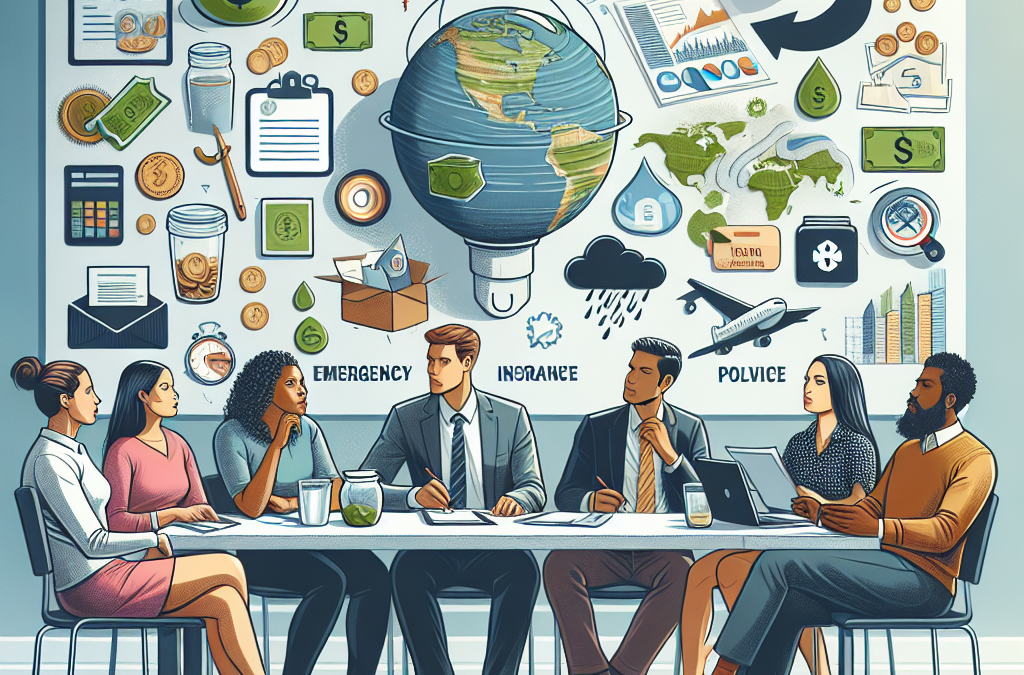
by Preparation | Aug 24, 2025 | Preparedness
Table of Contents
- 1. Create a Family Emergency Plan
- 2. Assemble an Emergency Supply Kit
- 3. Establish Communication Strategies
- 4. Practice Emergency Drills Regularly
- 5. Designate Emergency Contacts
- 6. Secure Important Documents
- 7. Plan for Special Needs and Pets
- 8. Educate Your Children About Safety
- 9. Stay Informed with Alerts and Updates
- 10. Review and Update Your Emergency Plan
1. Create a Family Emergency Plan
Develop Clear Roles and Responsibilities
One of the most crucial steps in emergency planning for families is establishing a comprehensive plan that assigns specific roles to each family member. In 2025, with increased natural disasters and unexpected crises, knowing who does what can save precious time. For example, designate who will handle communication, who will gather supplies, and who will assist children or elderly members.
Having a family meeting to discuss and assign these responsibilities ensures everyone understands their part. During a disaster, panic can set in, but a clear plan helps everyone stay calm and effective. Remember, the plan should be simple and easy to follow, especially for young children.
Action tip: Create a written plan tailored to your familyâs needs and review it quarterly. Use visual aids like charts or maps for younger children to help them remember their roles.
Map Out Safe Zones and Evacuation Routes
Knowing where to go during an emergency is critical. Identify multiple safe zones both within your home and in your community. For example, a sturdy basement or an interior room without windows might be safe during a tornado.
Plan and familiarize yourself with multiple evacuation routes from your home to these safe zones. Use maps to plot different paths, considering potential road closures or hazards that may occur during a crisis. Practice these routes with your family so everyone knows how to reach safety quickly.
Real-world example: During recent wildfires in 2024, families that had pre-planned evacuation routes and safe zones were able to evacuate faster and more safely.
2. Assemble an Emergency Supply Kit
What Should Be in Your Kit?
An emergency supply kit is a fundamental component of effective emergency planning for families. In 2025, experts recommend having at least a 72-hour supply of essentials. Stock items like bottled water, non-perishable food, medications, flashlight, batteries, first aid kit, hygiene products, and blankets.
Consider special needs such as baby formula, pet food, or medical devices. Make sure all supplies are stored in waterproof, accessible containers, and update them every six months to replace expired items.
Tips: Label your kit clearly and keep a smaller grab-and-go bag for quick evacuations. Your family should be able to access the supplies within minutes.
Incorporate Technology and Communication Devices
In today’s digital age, technology enhances emergency preparedness. Include a portable charger, a battery-powered radio, and a backup power source for essential devices in your supply kit. In 2025, with increased reliance on smartphones and communication apps, maintaining connectivity is vital.
Learn how to use emergency alert apps and services locally and nationally. These tools can provide real-time updates about weather, road closures, or other threats affecting your area.
Pro tip: Share your emergency plan details with all family members’ devices and store hard copies in your kit as backup.
3. Establish Communication Strategies
Developing a Family Contact Tree
Effective communication can be a lifesaver during crises. Create a contact tree that includes a designated out-of-area contact. This person should be someone everyone can reach to coordinate updates and confirm safety statuses. For example, an out-of-state relative often works well because local networks may be compromised.
Ensure all family members have your contact information saved and know how to reach this central contact. Practice calling and messaging to confirm everyone understands the communication plan.
Tip: Use multiple channelsâtexts, social media, and phone callsâto improve chances of reaching loved ones in emergencies.
Utilize Emergency Notification Systems
Many communities now offer emergency alert systems that send instant notifications on your phone. Register with local authorities for alerts about severe weather, evacuations, or public safety issues. In 2025, these systems are more refined and reliable, providing critical information almost immediately.
Encourage your family to subscribe to these alerts and familiarize yourselves with how to receive and interpret them. This can help you make informed decisions quickly.
Action: Test your alert subscriptions regularly and update contact information to ensure you stay connected.
4. Practice Emergency Drills Regularly
Simulate Different Scenarios
Practicing emergency drills helps to ingrained responses and reduces panic during real events. In 2025, make it a family routine to simulate various scenarios â fire, tornado, earthquake, or pandemic outbreak. Tailor drills to your specific risk factors.
During each drill, review your plan, test communication, and check supplies. Make adjustments based on what you learn from these practice runs. Involving children in these exercises ensures they understand safety procedures and feel more confident during actual emergencies.
Pro tip: Schedule drills at different times of day and under various conditions to build adaptability.
Review and Improve Your Plan
After each drill, gather feedback from all family members to identify gaps or uncertainties. Use this information to update your emergency plan, making it more robust and tailored to your familyâs needs in 2025.
Remember, emergency preparedness is an ongoing process. Regular reviews ensure your planning stays relevant with evolving threats and personal circumstances.
Example: Many families found their initial fire drills ineffective until they revised escape routes after practice.
Choosing Trusted Contacts
Beyond your immediate family, establish a list of trusted contacts outside your local area. These can include relatives, friends, or neighbors who can assist in coordinating help or providing refuge. In 2025, such contacts are especially vital during extended crises like pandemics or widespread natural disasters.
Make sure everyone in the family knows how to reach and communicate with these contacts. Ensure they understand your familyâs emergency plan and can support you if needed.
Tip: Keep a physical and digital copy of your emergency contacts for quick access.
Sharing Your Plan with Emergency Contacts
Inform your designated contacts about your familyâs emergency plan, key locations, and evacuation routes. This ensures that, even if you’re separated, they can help coordinate efforts or provide assistance from afar.
In 2025, many communities offer online platforms or apps for families to share safety updates securely. Use these tools to keep your contacts informed and connected.
Remember: Clear communication and mutual understanding with your emergency contacts can significantly improve your safety during unpredictable events.
6. Secure Important Documents
Gathering and Digitizing Essential Records
Important personal, medical, and financial documents should be organized and stored securely. Create digital copies of passports, insurance policies, medical records, birth certificates, and legal documents. Use secure cloud storage or encrypted drives to protect sensitive information.
In 2025, with increased cyber threats and natural disasters, having both physical and digital backups ensures accessibility even if physical records are lost or inaccessible.
Pro tip: Keep hard copies in a fireproof and waterproof container, easily accessible during emergencies.

Creating a Family Emergency File
Designate a specific folder or a digital file as your familyâs emergency resource, containing critical documents, medical info, and emergency contacts. Make sure all trusted family members and emergency contacts know its location.
Update this folder regularly, especially after significant life events or changes in insurance or healthcare providers. This practice can save valuable time during stressful moments in 2025 emergency situations.
Real-world example: Families with ready access to their emergency files report quicker access to funds, medications, or legal assistance during crises.
7. Plan for Special Needs and Pets
Accommodating Special Needs
If family members have special needs, such as medical conditions or mobility challenges, incorporate these considerations into your emergency plan. Stock extra medications, medical devices, and supplies tailored to their requirements.
Coordinate with caregivers, doctors, or support services to ensure continuity of care during emergencies. In 2025, many communities are developing inclusive disaster response plans to better serve vulnerable populations.
Tip: Create a personalized emergency kit for each family member with special needs, including spare batteries and medical documentation.
Including Pets in Your Planning
Pets are family too, and planning for their safety is essential. Prepare pet supplies, food, medications, and a carrier in your emergency kit. Know pet-friendly shelters or safe zones where you can evacuate with your animals.
In 2025, explore local resources and policies regarding pets during emergencies, as many areas now recognize the importance of pet inclusion in disaster planning.
Pro tip: Practice evacuating with your pets regularly to ensure smooth transitions during unexpected events.
8. Educate Your Children About Safety
Teaching Basic Safety Skills
Children should understand fundamental safety procedures like “Drop, Cover, and Hold” during earthquakes or how to call emergency numbers. Use age-appropriate language and activities to make learning engaging.
In 2025, many schools incorporate disaster preparedness into their curricula, but reinforcing lessons at home is equally important. Practice scenarios with your children regularly to build confidence and knowledge.
Example: Role-playing fire drills or earthquake simulations helps children remember actions and reduces fear during actual events.
Building Confidence and Calmness
Helping children feel prepared can lessen panic. Teach them to stay calm, follow the plan, and seek help when needed. Encourage open conversations about fears related to emergencies and reassure them.
Practical tip: Maintain a family safety kit that children can help pack, fostering a sense of responsibility and readiness.
Remember: Educated children are more resilient during crises, making emergency planning for families even more effective.
Subscribe to Local and National Alerts
Real-time alerts notify you about imminent dangers, weather warnings, or public safety information. In 2025, mobile technology and smart devices have made staying informed easier than ever. Subscribe to local emergency alerts, NOAA weather radios, and social media channels for crucial updates.
Ensure your family is aware of how these alert systems work and where to receive notifications. Check your subscriptions periodically to ensure they are active and effective.
Tip: Set up emergency alert sounds and notifications on mobile devices to get immediate alerts during critical events.
Regularly Check for Updates and Changes
Conditions change rapidly; therefore, staying engaged with news sources and official channels is vital. Make it a habit to review your information sources daily during high-risk periods.
Leverage community apps or platforms that share localized safety news. Automate alerts whenever possible to stay updated seamlessly.
Fact: Families that monitor alerts actively are 40% more likely to respond effectively during emergencies in 2025.
10. Review and Update Your Emergency Plan
Schedule Regular Plan Reviews
Emergencies evolve, and so should your plan. Set a scheduleâat least annuallyâto review and revise your emergency plan. Changes in family members, new risks, or updated resources can all impact your preparedness.
In 2025, technological advances and new disaster patterns necessitate ongoing updates. Make adjustments based on lessons learned from drills or recent events.
Tip: Keep a checklist and documentation of past drills, updates, and lessons learned to track your progress.
Involve the Whole Family in Updates
Engage everyone during reviews to address concerns and incorporate new insights. Ensure each member knows the current plan and any modifications made.
Use feedback from children to identify aspects that may need clearer instructions or additional safety measures. This collective approach enhances overall preparedness.
Remember: The most effective emergency planning for families is an ongoing, adaptive process that evolves with your needs and circumstances in 2025.
Frequently Asked Questions
Q1: What is the most important aspect of emergency planning for families in 2025?
The most important aspect is creating a comprehensive, practiced plan that includes communication, supplies, and safety procedures tailored to current risks and family needs.
Q2: How often should I review my familyâs emergency plan?
Experts recommend reviewing and updating your emergency plan at least once a year or after significant life changes or events. Regular practice ensures everyone remembers their roles.
Q3: How can I include my children in emergency preparedness?
Teach them basic safety skills through age-appropriate lessons, conduct regular drills, and involve them in planning. Building confidence and knowledge reduces panic during real emergencies.
Q4: Why is it essential to secure important documents for emergency planning for families?
Securing and organizing essential documents ensures quick access to critical information, legal paperwork, and medical records during emergencies, helping you respond swiftly and effectively.
Q5: What are the trends in emergency planning for families in 2025?
In 2025, technology integration, community-based support systems, and increased awareness of inclusivity for vulnerable populations are shaping better, more resilient emergency plans for families worldwide.
Conclusion
Effective emergency planning for families is essential to ensure safety and resilience in 2025âs unpredictable landscape. From developing detailed plans, assembling supplies, practicing drills, to staying informed, each step builds a stronger foundation for your loved ones’ security. Remember, the keys to successful emergency preparedness lie in consistency, communication, and adaptability. By following these ten powerful strategies, you can confidently face any crisis, knowing your family is prepared and protected.
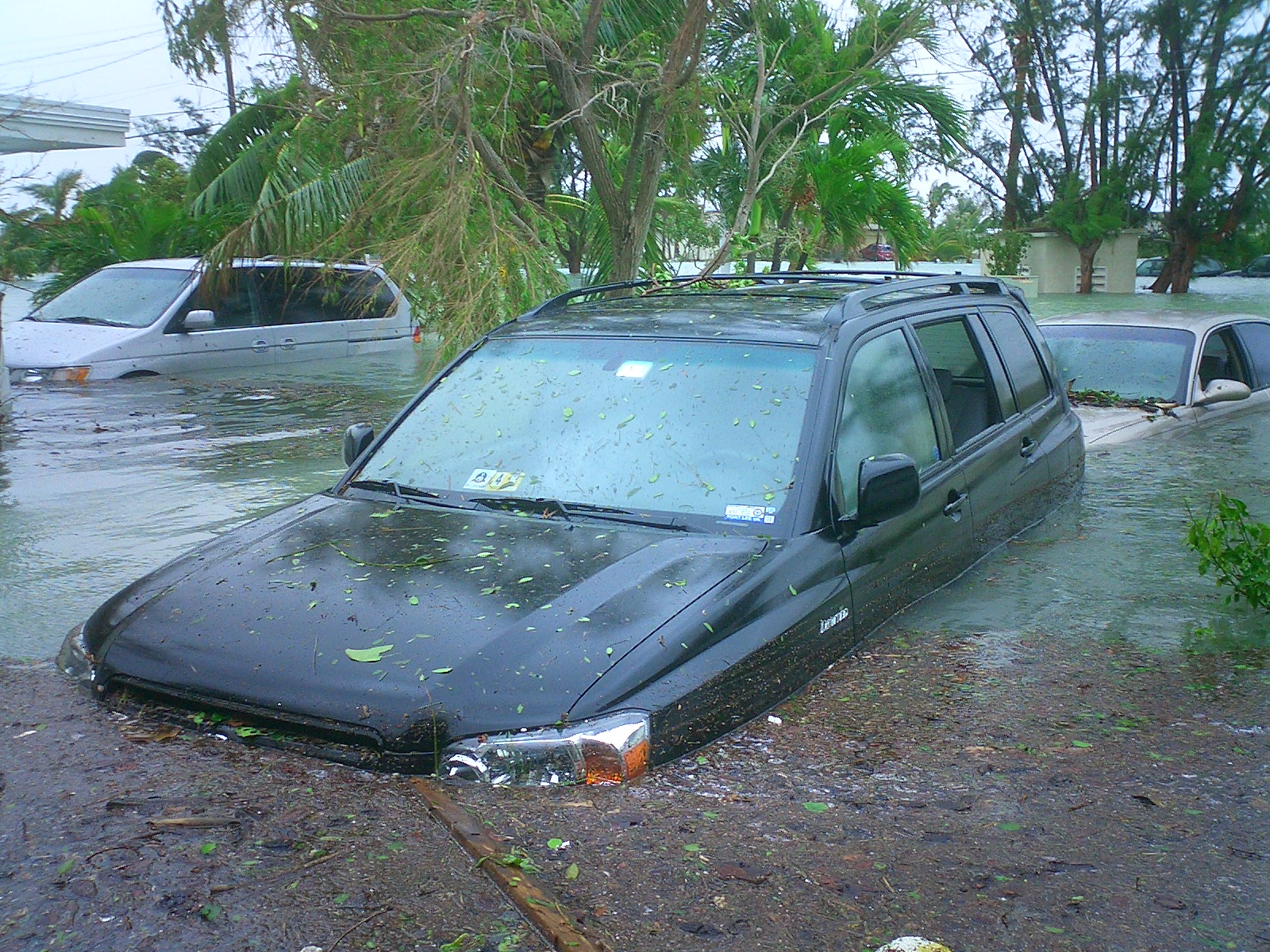
by Preparation | Aug 24, 2025 | Preparedness
- 1. Water Purification Systems
- 2. Emergency Food Supplies
- 3. First Aid Kits
- 4. Portable Power Sources
- 5. Multi-Tool and Knife Set
- 6. Shelter Materials
- 7. Warm Clothing and Blankets
- 8. Communication Devices
- 9. Personal Hygiene Supplies
- 10. Important Documentation and Cash
1. Water Purification Systems
Essential Water Filtration Tools
Water is the most critical resource during any emergency, making a reliable water purification system a top priority on your survival supply list for 2025. Portable filters like activated carbon purifiers, ceramic filters, or UV sterilizers can effectively turn contaminated water into safe drinking water. Considering that at least 71% of the Earth’s surface is covered with water, access isn’t the issueâclean water is. Ensuring you have the right tools in your survival kit is essential for health and hydration.
From personal handheld filters to larger filtration systems, there are options suitable for every scenario. For short-term emergencies, a compact water straw or small pump filter works well. For longer-term preparedness, a gravity filter or even a purification tablet system can sustain multiple users. In 2025, new innovations are making water purification more efficient and accessible, so choose the most suitable system based on your needs.
Remember, relying solely on raw water sources without proper purification can lead to serious health risks, including cholera and dysentery. It’s always best to include multiple water purification methods as part of your survival supply list to ensure you’re prepared for any situation.
Storage and Portability
Storing ample clean water is vital, but portability is equally important. Collapsible water bottles, large water storage containers, and water purification kits should all be part of your preparation. Label and rotate your water supplies regularly to prevent stagnation and contamination.
In 2025, smart water storage solutions with built-in purification indicators are emerging, helping you monitor water quality easily. Investing in these can make your survival planning more effective, especially in unpredictable scenarios. Keep emergency water supplies accessible for quick access when needed.
Finally, practice obtaining, filtering, and storing water during drills or practice runs. Familiarity with your equipment makes it more likely you’ll use it correctly when emergencies hit.
2. Emergency Food Supplies
Non-Perishable Food Options
A vital component of the survival supply list for 2025 is stocking up on non-perishable foods. Freeze-dried meals, canned goods, and energy bars are staples that last years with proper storage. These foods provide the necessary nutrients to keep you energized and healthy in a crisis situation.
Opt for a variety of food types, including proteins, carbohydrates, and fats, to maintain balanced nutrition. MREs (Meal Ready-to-Eat) are especially popular among survivalists for their convenience and shelf life. In 2025, innovations in packaging have extended shelf lives and improved taste, making long-term storage more practical than ever.
Be sure to include specialized foods for dietary restrictions or health considerations, such as gluten-free or vegetarian options. Regularly check expiration dates and rotate your stock to keep your survival food supply fresh and reliable.
Storage Tips for Food Supplies
Proper storage is crucial to maximize shelf life and prevent spoilage. Use airtight containers and store your food supplies in a cool, dry, and dark place. Consider placing your supplies in a designated emergency pantry or waterproof containers to protect against moisture and pests.
Label all your food supplies clearly and create a rotation schedule to use older items first. As you prepare for 2025, explore new storage solutions like vacuum-sealed bags or oxygen absorbers, which can extend the longevity of your food supplies even further.
Testing your stored food periodically helps ensure everything remains in good condition. Remember, a well-organized food storage area makes it easier to access and refill your survival supply list quickly during emergencies.
Conclusion
Creating a comprehensive survival supply list for 2025 is essential for effective emergency preparedness. By including key items such as water purification systems, emergency food supplies, first aid kits, and more, you can significantly enhance your readiness for any unforeseen event. Remember, the key to survival is planning ahead, staying informed, and continually updating your supplies based on new innovations and personal needs.
Whether you’re preparing for natural disasters, societal disruptions, or other emergencies, having a well-thought-out survival supply list will give you peace of mind. Start now, follow these tips, and ensure you’re fully prepared for whatever 2025 might bring.
Frequently Asked Questions
- 1. Why is a survival supply list important in 2025?
- Having a survival supply list in 2025 ensures you are prepared for modern emergencies by including up-to-date tools and resources needed to sustain yourself during crises.
- 2. What are the most critical items on a survival supply list for 2025?
- Key items include water purification systems, emergency food supplies, first aid kits, portable power sources, and communication devices.
- 3. How often should I update my survival supply list?
- You should review and update your survival supply list at least once a year, especially as new products and technologies become available, or if your needs change.
- 4. Can I rely solely on stored food and water?
- No, itâs essential to have multiple methods of water purification and food sources, along with tools for securing additional supplies if needed.
- 5. What are some innovative survival supply items for 2025?
- In 2025, you’ll find smart water purifiers, solar-powered chargers, compact emergency shelters, and multifunctional tools that enhance your preparedness.
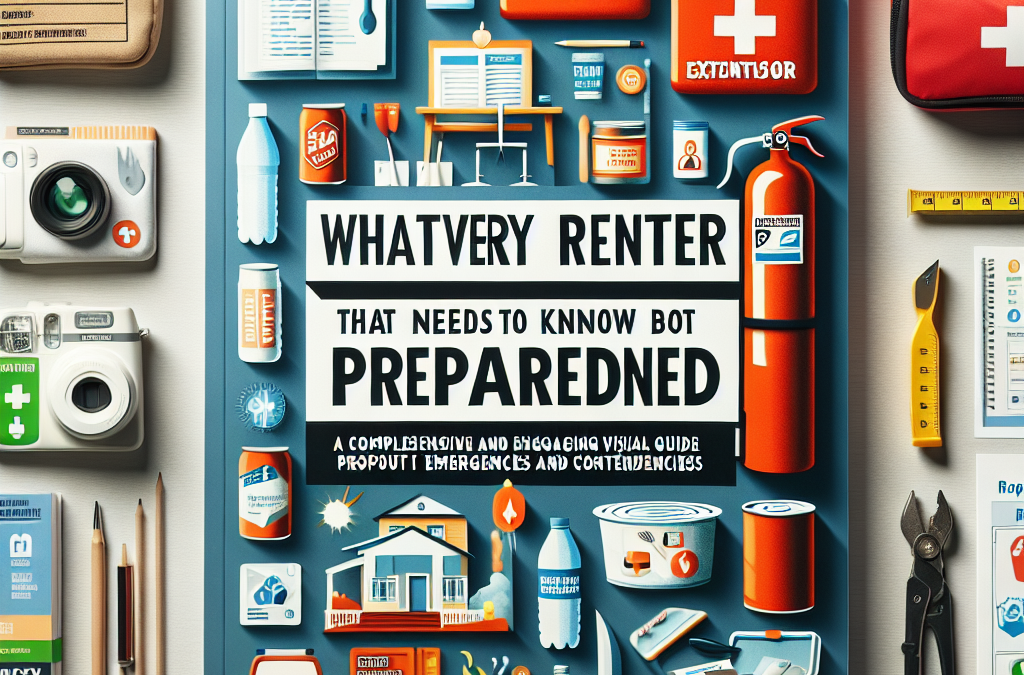
by Preparation | Aug 24, 2025 | Preparedness
Table of Contents
- Introduction: Why Preparing for Emergencies Matters in 2025
- 1. Essential First Aid Supplies
- 2. Portable Power Sources and Batteries
- 3. Non-Perishable Food and Water Supplies
- 4. Emergency Clothing and Gear
- 5. Communication Devices and Charging Solutions
- 6. Important Documents and Cash
- 7. Multi-Tool and Utility Devices
- 8. Personal Hygiene Items
- 9. Shelter and Sleeping Equipment
- 10. Emergency Contact and Planning Tools
1. Essential First Aid Supplies
Basic first aid kit essentials
One of the top priorities when considering what to pack for emergencies is a comprehensive first aid kit. In 2025, biological threats, natural disasters, and accidents remain prevalent, making first aid supplies essential. Include bandages, antiseptic wipes, antibiotic ointments, and pain relievers. Keeping a well-stocked kit helps you respond swiftly to injuries and potentially saves lives.
It’s advisable to customize your first aid kit based on your familyâs needs, such as including allergy medications or specific prescription drugs. Remember, quality mattersâinvest in durable, medical-grade supplies that wonât easily deteriorate over time.
For added preparedness in 2025, consider digital first aid guides or apps that provide step-by-step instructions. These resources can be invaluable if you’re managing injuries under stressful conditions.
Advanced medical supplies
Beyond basic supplies, consider including advanced items like trauma dressings, tourniquets, or portable splints. These are crucial during severe emergencies where professional medical help may not be immediately available.
In 2025, home and vehicle emergency kits should be expanded to include these advanced supplies, especially if you live in areas prone to natural calamities like earthquakes or hurricanes. Proper training on how to use these items is also recommended.
Having an emergency medical guidebook or quick-reference card can help ensure correct usage during urgent situations. Remember, preparation is key to effective emergency response.
2. Portable Power Sources and Batteries
The importance of reliable power in 2025
In 2025, our dependence on electronic devices continues to growâsmartphones, GPS devices, portable radios, and medical gadgets all rely on power. During emergencies, access to power sources can be a matter of life and death, especially when traditional grids fail due to weather events or grid shutdowns.
Having portable power sources ensures communication lines stay open, critical information is accessible, and emergency devices remain operational. Backup batteries and power banks are now more efficient and longer-lasting than ever before.
Choosing the right power solution depends on your needs. For instance, solar-powered chargers are eco-friendly and ideal for long-term preparedness, especially in 2025, when renewable energy adoption is accelerating.
Best power options for 2025
Modern power sources include high-capacity power banks, portable solar panels, and even fuel-powered generators for larger needs. Before an emergency strikes, test these devices regularly to ensure they are functioning properly.
Remember to carry extra charging cables, adapters, and compatible accessories. As technology evolves, so do the charging options, so staying updated on the latest innovations can further enhance your preparedness.
In 2025, integrating power sources with smart features like battery status indicators can help manage energy use efficientlyâyou wonât want to run out of power at a critical moment.
3. Non-Perishable Food and Water Supplies
Stocking up on food essentials
During emergencies, access to fresh food may be limited or impossible. As part of what to pack for emergencies, ensuring a supply of non-perishable foods is vital. In 2025, consider incorporating advanced options like freeze-dried meals and nutrient-rich snacks that can last years without refrigeration.
Itâs recommended to store at least a 72-hour supply per person, with an emphasis on calorie-dense foods to sustain energy levels. Also, select foods that cater to dietary restrictions and preferences for better mental health during stressful times.
Explore innovative packaging that reduces waste and makes distribution easier, a trend gaining momentum in 2025, making your emergency kit both practical and sustainable.
Water purification and storage
Water is arguably the most critical resource in an emergency. The CDC recommends storing at least one gallon of water per person per day. In 2025, advances in portable water purification devices have made it easier to access clean water in crisis situations.
Consider including water filters, purification tablets, or UV sterilizers in your emergency kit. Proper storage containers that prevent contamination are also essential.
Replenish your water supply regularly, and keep multiple sources, such as bottled water and water purification systems, to ensure availability during extended emergencies.
4. Emergency Clothing and Gear
Weather-appropriate apparel
In 2025, unpredictable weather patterns mean you should pack versatile and durable clothing. Think layers that can address both cold and hot conditions, waterproof jackets, and sturdy footwear. Itâs wise to choose clothing made from quick-drying, breathable fabrics to stay comfortable and dry.
Donât forget to include extra socks and gloves to prevent frostbite or blisters, especially if you’re in colder regions or facing winter emergencies. Preparedness involves anticipating weather variations.
Packing compact or foldable clothes saves space in your emergency kit without sacrificing functionality, which is especially critical when space is limited.
Emergency gear essentials
Other vital gear includes flashlights, multi-functional jackets with integrated pockets, and reflective elements for visibility. In 2025, wearable tech such as emergency alert devices and GPS trackers enhance safety and assist rescue efforts.
Choosing high-quality gear that withstands rough conditions ensures longevity and reliability. Remember to regularly check and replace worn or outdated items.
Incorporate lightweight but durable gear to maximize your mobility and preparedness during evacuation or shelter-in-place scenarios.
5. Communication Devices and Charging Solutions
Essential communication tools
Staying connected during emergencies is crucial. In 2025, satellite phones, two-way radios, and emergency beacons are increasingly accessible and reliable, especially in remote or disaster-stricken areas. Consider adding these to your list of what to pack for emergencies.
High-frequency radios allow you to listen for official alerts and communicate with rescue teams, even when cellular networks are down.
Ensure devices are fully charged and include backup batteries or solar chargers to extend their operational life during power outages.
Charging solutions for extended survival
Power banks and solar chargers are essential for maintaining device functionality. Modern portable chargers with fast-charging capabilities and large capacities help keep your devices alive longer.
In 2025, portable energy systems with smart management features optimize charging cycles, conserving battery life for critical moments.
Practice using these devices regularly so you’re familiar with their operation when an emergency occurs, reducing stress and saving valuable time.
6. Important Documents and Cash
Protecting vital documents
One of the essential aspects of what to pack for emergencies is having access to important documents. Store IDs, passports, insurance policies, and medical records in a waterproof, fireproof container.
Digitizing documents and storing them securely on encrypted cloud servers is also a smart move in 2025. This way, vital information is accessible even if physical copies are lost or destroyed.
Create a quick-reference list of critical contact numbers and medical info, and keep it readily available in your kit.
Cash and digital payments
In many emergencies, electronic banking systems might be down. Carrying a small amount of cashâpreferably in small denominationsâensures you can purchase essentials when needed.
Some regions are increasingly adopting contactless digital payments, which are convenient but dependent on technology. Balance your preparedness by including both options.
Re-evaluate your cash reserves periodically to ensure they are current and usable in various scenarios.
Must-have multi-tools
Multi-tools combine numerous functions into one compact deviceâpliers, screwdrivers, knives, can openers, and more. They are indispensable in emergencies for repairs and improvisations.
In 2025, look for multi-tools made from durable, corrosion-resistant materials with ergonomic designs. Brands offering lifetime warranties are a good choice for this high-use tool.
Practice using your multi-tool regularly so you can operate it efficiently under stress or adverse conditions.
Other utility equipment
Items such as duct tape, paracord, and small shovels can greatly expand your emergency capabilities. Duct tape fixes broken gear, paracord can be used for shelter or securing items, and shovels help in excavation or clearing pathways.
Consider compact, lightweight versions that fit easily into your emergency kit. Remember, versatility and reliability are key attributes for survival gear in 2025.
Keeping these items organized ensures quick access when every second counts.
Conclusion
Knowing what to pack for emergencies is a vital step toward ensuring safety and resilience in 2025. By thoughtfully preparing with essential supplies, reliable technology, and strategic planning, you can face unforeseen crises with confidence. Remember, each item you include could make a difference in critical situations, and staying updated on the latest trendsâlike advanced water purification or solar power solutionsâcan enhance your preparedness. As we navigate an increasingly unpredictable world, being proactive with your emergency kit is more important than ever. Prioritize these tips, review your supplies regularly, and be ready for whatever 2025 brings!
Frequently Asked Questions
- 1. What is the most important thing to include when thinking about what to pack for emergencies?
- While all supplies are important, having a reliable source of clean water and non-perishable food should be your top priority for survival and health.
- 2. How often should I update my emergency kit in 2025?
- Review and update your emergency supplies every 6 to 12 months, checking expiration dates, battery life, and functionality of electronic devices.
- 3. What are some innovative items to include in my 2025 emergency kit?
- Consider advanced water purification systems, solar-powered chargers, lightweight multi-tools, and smart safety devices that integrate with your smartphone.
- 4. Why is it important to know what to pack for emergencies in 2025?
- Being prepared with the right supplies can significantly impact your safety, health, and ability to recover quickly from various crises, especially as new threats and challenges emerge in 2025.




