
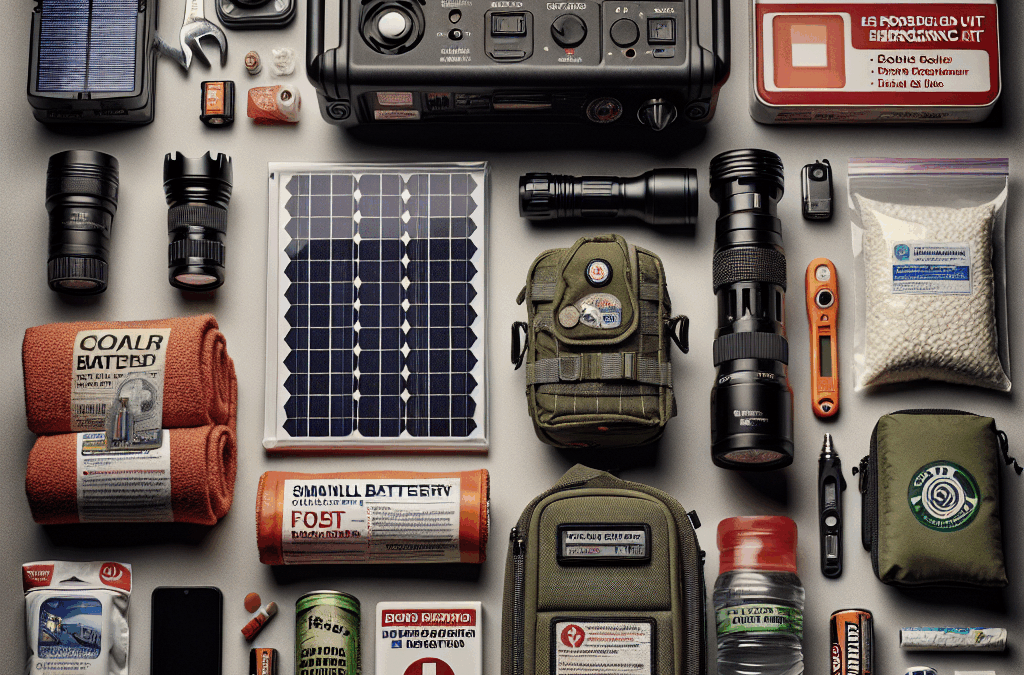
When planning your emergency storage, consider the types of emergencies you are preparing for, such as natural disasters, power outages, or health crises. Each scenario may require different supplies, so it’s crucial to tailor your storage setup to meet specific needs. Mistakes often arise from overestimating what can be stored in a small space or underestimating the variety of items required for different emergencies.
Additionally, one common pitfall is neglecting to regularly review and update your emergency supplies. Items can expire, and needs may change over time. Therefore, establishing a routine for checking and replenishing supplies is essential to maintaining an effective emergency storage system.
Choosing the Right Containers for Storage
Selecting appropriate containers is paramount in effective emergency storage. Using clear plastic bins allows for easy visibility of contents, while airtight containers protect against moisture and pests. Consider the size of containers based on your storage space and the quantity of supplies you need to store.
Moreover, labeling containers can significantly enhance efficiency during emergencies. Clearly marking each bin with its contents and expiration dates can save valuable time when you need to access supplies quickly. A well-organized storage system not only helps you find items faster but also ensures that you have everything you need at a moment’s notice.
Prioritize durability when choosing containers, especially if they will be stored in potentially harsh conditions. Investing in high-quality storage solutions can prevent the need for frequent replacements and maintain the integrity of your emergency supplies.
Organizing Supplies by Type and Urgency
Organizing your emergency supplies by type and urgency is crucial for effective response during a crisis. Grouping items such as food, water, medical supplies, and tools can help you quickly locate necessary items when time is critical. Within each category, consider further breaking down supplies based on expiration dates or usage frequency.
Thank you for reading this post, don't forget to subscribe NOW for FREE!

For instance, keep high-urgency items, like first aid kits and water, at the top of your storage area for easy access. Lower-urgency items, such as extra blankets or non-perishable foods, can be stored further back. This system not only streamlines access but also aids in maintaining an up-to-date inventory.
A common oversight is failing to account for the size of items when organizing. Ensure that larger items are stored in a way that they do not block access to smaller, more critical supplies. This will prevent delays in retrieving necessary items during emergencies.
Maintaining Your Emergency Storage
Regular maintenance of your emergency storage is essential to ensure its effectiveness. This includes periodic checks to assess the condition of items, replacing expired products, and ensuring that everything is in its designated place. A common recommendation is to conduct a thorough inventory check every six months.
Additionally, consider rotating supplies, especially food and medical items, to keep your stock fresh. Using the FIFO (first in, first out) method can help you manage expiration dates effectively. This practice not only keeps your supplies usable but also ensures that you are familiar with what you have on hand.

Moreover, maintaining a checklist can be instrumental in managing your supplies. Documenting what items you have, their expiration dates, and any items that need restocking will streamline the maintenance process and prevent last-minute scrambles during emergencies.
Common Mistakes in Emergency Storage
There are several common mistakes individuals make when setting up emergency storage. One significant error is over-packing storage spaces, which can lead to damage or spoilage of supplies. It’s important to leave some space in containers to avoid crushing items and to allow for air circulation.
Another frequent oversight is underestimating the necessity of diverse supplies. Many people focus solely on food and water while neglecting other critical items such as hygiene products, tools, and medications. A comprehensive approach to emergency storage considers all aspects of survival, not just basic needs.
To avoid these pitfalls, regularly review your emergency storage plan and adjust it based on the changing needs of your household. Engaging family members in discussions about what to include can also provide valuable insights and ensure that everyone’s needs are met.
Further Reading
For more information on emergency storage ideas, consider exploring resources from local emergency management agencies or reputable organizations focused on disaster preparedness. These resources can provide valuable insights and tailored advice for your specific situation.
Further Reading
Authoritative Sources
- Ready.gov
ready.govOfficial U.S. preparedness guidance, checklists, and planning resources for households and emergencies.
- FEMA
fema.govFederal emergency management resources, disaster planning information, and recovery guidance.
- American Red Cross Emergency Preparedness
redcross.orgPractical emergency preparation steps, supply lists, and safety guidance for families.
- National Weather Service
weather.govOfficial forecasts, hazard alerts, and weather safety information.
- CDC Emergency Preparedness and Response
cdc.govPublic health guidance for emergencies, disasters, and recovery situations.
Frequently Asked Questions
What should I include in my emergency storage?
Your emergency storage should include food, water, first aid supplies, hygiene products, and tools. Tailor your supplies to potential emergencies you may face.
How often should I check my emergency supplies?
It is advisable to check your emergency supplies every six months to ensure items are not expired and are in good condition.
How can I organize my emergency supplies effectively?
Organize supplies by type and urgency, using clear containers and labels for easy access. Group high-urgency items together for quick retrieval.
What mistakes should I avoid in emergency storage?
Avoid over-packing storage spaces, neglecting diverse supplies, and failing to regularly update your inventory. Each of these can hinder your preparedness.
Can I store food items for long periods?
Yes, many non-perishable food items can be stored for long periods. However, it’s crucial to check expiration dates and rotate your stock regularly.
Conclusion
In summary, effective emergency storage requires careful planning, organization, and maintenance. By choosing the right containers, organizing supplies by type and urgency, and regularly reviewing your inventory, you can enhance your preparedness for any unexpected situation. Remember to avoid common mistakes, such as over-packing and neglecting diverse supplies, to create a robust emergency storage system. Prioritize accessibility and regular checks to ensure your supplies remain reliable when you need them most.




