
Understanding the specific risks in your area—whether floods, earthquakes, or wildfires—is crucial for effective preparation. This guide emphasizes customizing your emergency plan based on these risks. Many people overlook the importance of regular reviews and updates to their plans, which can lead to outdated strategies and inadequate responses during a crisis.
One common mistake in disaster preparedness is underestimating the time and resources required to create a robust plan. While it may seem straightforward, effective preparation involves thorough research, practice, and continual improvement. Additionally, individuals often fail to account for the unique needs of all family members, such as pets, elderly relatives, or those with disabilities, which can complicate emergency responses.
Assessing Risks and Vulnerabilities
The first step in any disaster prep guide is assessing the risks and vulnerabilities specific to your location. This involves identifying potential disasters such as earthquakes, hurricanes, floods, or wildfires. Understanding these risks allows you to prioritize your preparation efforts and tailor your emergency plan effectively.
Many people may not realize that their geographical area can significantly influence the type of disasters they might face. For instance, those living near fault lines should prioritize earthquake preparedness, while residents in coastal areas should focus on hurricane and flood preparedness. A thorough risk assessment also includes considering personal vulnerabilities, such as health issues or mobility challenges, which may affect evacuation and response strategies.
Regularly reviewing and updating your risk assessment is vital, as new developments, such as climate change or urban development, can alter the risks faced. This proactive approach ensures that your emergency plan remains relevant and effective, addressing the most pressing threats to your safety.
Creating a Comprehensive Emergency Kit
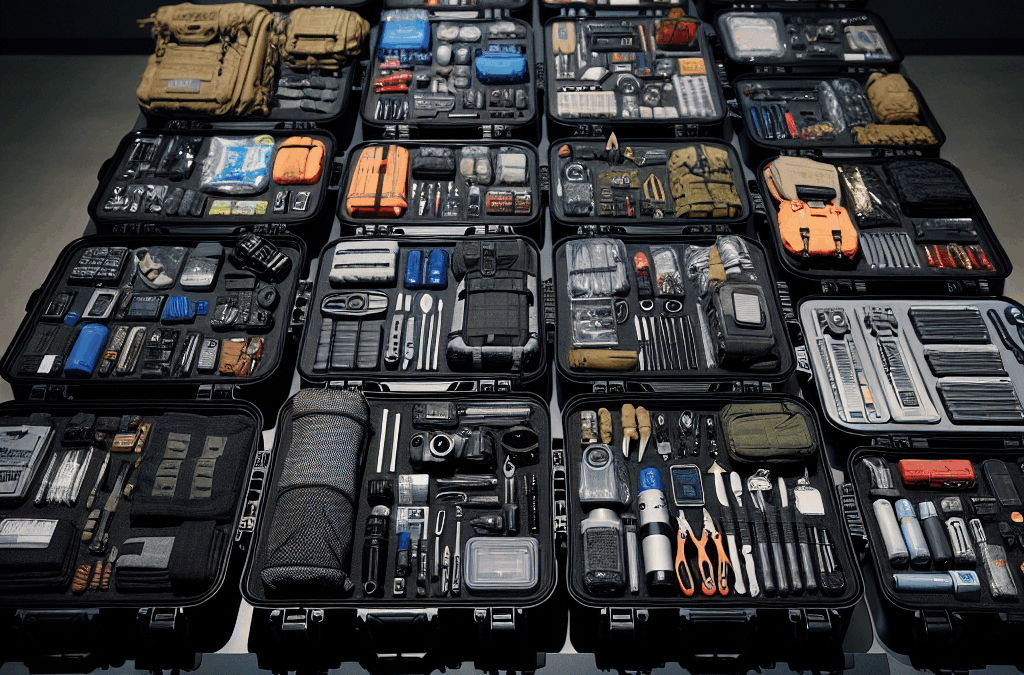
An essential element of any disaster prep guide is the creation of a comprehensive emergency kit. This kit should include items that cater to your family’s specific needs, ensuring that everyone has access to necessary supplies during an emergency.
Thank you for reading this post, don't forget to subscribe NOW for FREE!

When assembling your emergency kit, consider including items such as non-perishable food, water, first aid supplies, medications, flashlights, batteries, and personal hygiene items. It’s also wise to include important documents, such as identification and insurance information, in a waterproof container. Many people overlook the importance of customizing their kits; for instance, families with pets should include pet food and supplies, while those with infants may need formula and diapers.
Regularly check and refresh your emergency kit, replacing expired items and adapting it to changing family needs. This practice ensures that your kit is always ready when needed, preventing last-minute scrambles for supplies during a crisis.
Establishing Communication Plans
A well-structured communication plan is crucial in any disaster prep guide. This plan outlines how family members will communicate during an emergency, ensuring everyone knows their roles and responsibilities.
When creating a communication plan, designate a meeting place where family members can gather if separated. Also, establish a list of emergency contacts, including local authorities and friends or relatives outside your immediate area who can provide support. It’s essential to discuss and practice these plans with all family members, including children, to ensure they understand what to do in various scenarios.
One common oversight is relying solely on mobile phones for communication. During disasters, phone lines may be overwhelmed or unavailable, so it’s wise to have alternative methods, such as two-way radios or designated landlines, to ensure everyone can connect. Regularly review and practice your communication plan to address any changes in family dynamics or contact information.

Conducting Drills and Practice Runs
Conducting drills and practice runs is a vital part of any disaster prep guide, reinforcing the importance of preparedness through hands-on experience. Regular practice helps family members understand their roles and increases confidence in executing the emergency plan during a real crisis.
Schedule drills for various scenarios, such as evacuation routes, shelter-in-place procedures, and communication protocols. These drills not only familiarize everyone with the plan but also reveal any weaknesses that need addressing. For example, a practice evacuation may highlight the need for a quicker exit strategy or adjustments to your emergency kit.
Many families neglect the importance of making drills engaging and informative, especially for children. Incorporating fun elements, such as games or rewards for participation, can enhance learning and retention. By treating preparedness as an ongoing process rather than a one-time task, you can ensure that your family remains ready and resilient in the face of emergencies.
Further Reading
Authoritative Sources
- Ready.gov
ready.govA comprehensive resource for emergency preparedness, offering tools and checklists to help individuals and families create effective disaster prep plans
- American Red Cross Emergency Preparedness
redcross.orgProvides guidance on creating emergency plans and assembling emergency kits, along with community resources
- FEMA Risk Management
fema.govOffers resources and tools for understanding risks and managing disaster preparedness at the community level
Frequently Asked Questions
What should be included in a disaster prep kit?
Your disaster prep kit should include non-perishable food, water, first aid supplies, medications, flashlights, batteries, personal hygiene items, and important documents stored in a waterproof container.
How often should I update my emergency plan?
Regularly review and update your emergency plan at least once a year or whenever significant changes occur in your family dynamics or local risks.
What is the best way to communicate during a disaster?
Establish a communication plan that includes a designated meeting place and a list of emergency contacts. Consider alternative communication methods such as two-way radios.
Why are drills important in disaster preparedness?
Drills reinforce the emergency plan through hands-on experience, helping family members understand their roles and increasing confidence in executing the plan during a real crisis.
How can I prepare my pets for a disaster?
Include pet food, water, and supplies in your emergency kit. Create a plan that addresses your pets’ needs during an evacuation or shelter-in-place scenario.
Conclusion
Effective disaster preparedness is an ongoing process that requires careful planning, regular updates, and practice. By assessing risks, creating a comprehensive emergency kit, establishing communication plans, and conducting drills, families can ensure they are ready to face any emergency. Prioritizing these steps not only enhances safety but also builds resilience, allowing individuals to respond confidently when disaster strikes. Take the time to implement these strategies now, as preparedness today can make all the difference in the face of unforeseen events.
Related Content
- Ultimate Earthquake Preparation Guide 2025: 10 Essential Tips to Stay Safe
- How to Survive a Flood: Tips and Strategies
- Techniques for Purifying Contaminated Water
- Verifying Secondhand Emergency Information Before Acting: A Source-Checking Decision Process
- How to Build a Home Emergency Kit in 30 Minutes or Less




