by Micah Caldwell | Jul 31, 2025 | Preparedness
Creating a Flexible Mindset
Understanding Uncertainty
One of the most enlightening moments I’ve had was realizing that uncertainty is simply a part of life. Instead of viewing it as a barrier, I started to see it as a doorway to new possibilities. Life is full of surprises, right? By opening myself up to the idea that things may not always go according to plan, I found a deeper sense of freedom and less anxiety.
When we talk about uncertainty, it’s easy to think of it in a negative light. But here’s the thing: it can also be an adventure. By acknowledging that tomorrow might bring unexpected changes, we can begin to prepare ourselves to adapt and thrive in those situations. This shift in perspective has helped me tackle challenges with a can-do attitude.
The key takeaway here is to embrace the unknown. Fill your mind with the thought that surprise can lead to personal growth. The more we equip ourselves with this flexible mindset, the better we can handle whatever curveballs life throws at us!
Practicing Adaptability
Okay, so once I acknowledged uncertainty, I realized that adaptability was my best friend. It’s like having a toolbelt for life’s unpredictability. When things inevitably don’t go as I planned, I remind myself to pivot. For me, being adaptable means not clinging too tightly to one path or plan.
One way I practice adaptability is by regularly stepping out of my comfort zone. Whether that’s trying a new hobby, taking a different route to work, or even striking up a conversation with a stranger—every little experience helps me build that muscle of flexibility.
So, when life throws a wrench in your plans, don’t panic! Instead, look for alternative routes or methods. The more I train myself to adapt, the less daunting the unpredictable becomes. It’s empowering to know that I can handle whatever comes my way.
Embracing Change
Here’s a truth bomb for you: change is inevitable. We can’t escape it, but we can choose how we react. I’ve seen folks cling to routines and structures, and when change comes knocking, it’s often a messy ordeal for them. But I’ve learned to welcome change as a part of my growth journey.
Each time I’ve embraced change instead of resisting it, I’ve discovered beautiful opportunities on the other side. It’s not always easy, but being open to change has led me to exciting collaborations, new friendships, and different adventures I never saw coming.
Change really can be a friend, but it requires a mindset shift. Approach change with curiosity rather than fear. Ask yourself what you can learn and how you can grow—it’s a game changer!
Developing a Support Network
Identifying Your Tribe
Ever been in a tight spot and thought, “Man, I wish I had someone to talk to?” That’s where a solid support network comes in. Surrounding myself with like-minded individuals has been a lifesaver when facing unpredictable circumstances. Friends, family, or even colleagues who understand me can be a secure base when life gets wild.
The journey doesn’t have to be lonely. I actively seek those who uplift me, offer different perspectives, and genuinely care about my well-being. Having those conversations can really lighten the load, trust me!
So, take a moment to evaluate your support network. Are they people who help you rise? If not, think about how you can expand your circle to include those who inspire you and encourage resilience.
Communication is Key
Let me be real with you: one of the biggest lessons I’ve learned is that open communication makes a world of difference. When I’m going through a rough patch, sharing what I’m experiencing with people in my support network has been transformative. You’d be surprised at how many insights and solutions come from simply being open about my struggles.
Whether it’s sharing my feelings with friends over coffee or discussing hurdles with a mentor, each conversation helps me feel less alone. It’s like shaking off the dust and seeing things from a fresh angle. Plus, there’s often relief in knowing that others have faced similar unpredictable moments and came out the other side stronger.
So, don’t bottle it up! Talk about what’s going on in your life. You might find that the right words at the right time can spark the inspiration you need to tackle the unpredictable.
Leveraging Resources
Let’s talk tangible help. Sometimes, I need more than friendly chats; I need actual resources! Whether it’s courses, books, or even online communities, tapping into various resources can fortify your ability to face unpredictability.
I’ve found that taking workshops or joining online groups can offer a treasure trove of information and strategies for dealing with unpredictable situations. You never know where inspiration will strike! It’s kind of like adding tools to a toolbox—you never know when you might need that extra wrench.
Always be on the lookout for resources that can help build your skills, expand your knowledge, or connect you with others. Combining community support with the right resources equips us even further to handle whatever life throws our way.
Anticipating Possible Scenarios
Scenario Planning
Here’s where things get a bit nitty-gritty but super useful! We all have dreams and goals, but what if we took some time to think through potential bumps along the journey? I call this scenario planning. By thinking ahead and contemplating various “what-if” situations, I can often prepare myself mentally for what lies ahead.
This doesn’t mean I’m living in fear or anxiety, but rather I’m equipping myself with solutions and strategies for various possibilities. For instance, if I’m anticipating a job interview but fear a potential curveball question, I can practice my responses ahead of time. It’s a game-changer!
Also, throw in a bit of creativity! When you brainstorm potential scenarios, allow yourself to think outside the box. Who knows what innovative solutions you might uncover with a little bit of imagination?
Assessing Risks
Every adventure comes with some level of risk, right? But when I assess risks beforehand, I feel a sense of control over situations. It’s about weighing the pros and cons. When faced with life’s unpredictability, I always ask myself: What’s the worst that could happen, and can I handle that?
This isn’t about being pessimistic; it’s about being realistic. By having an honest discussion with myself about potential downsides, I can prepare for them and lessen their impact. I often find that most risks are manageable, especially when I back myself up with a solid plan or coping strategy.
So, when your gut tells you something’s off, take a second to evaluate it. This awareness not only helps in reducing anxiety but also empowers me to step forward confidently!
Building a Contingency Plan
Alright, moving on to a more proactive approach: the contingency plan. I’ve learned that having a backup plan can be a game changer when creating a safety net amid uncertainty. It’s like knowing there’s a safety rope attached when I’m trying something new and risky.
When I’m mapping out my goals or projects, I always take a moment to think about what I would do if things didn’t go as planned. By strategizing multiple routes to my goals, I build confidence and resilience. It feels less daunting when I know I have options.
So take the plunge! Outline your backup plans, and know that you can switch gears if needed. The more prepared I feel, the better I manage the unpredictables in life!
Practicing Self-Care
Prioritizing Mental Health
Self-care isn’t just a buzzword; it’s a necessity, especially when dealing with unpredictability. I’ve experienced periods where stress took a toll on my mental health, making every little setback feel like a mountain. By prioritizing my mental health, I’ve found I can handle surprises with grace.
For me, this means incorporating mindfulness exercises, meditation, or even just quiet time into my daily schedule. I’ve made it a habit to check in with myself and acknowledge my feelings. It’s amazing what a little self-reflection can do for my overall well-being!
When life gets overwhelming, taking time for mental health isn’t selfish—it’s self-preservation. So remember to be kind to yourself and keep mental wellness on your radar!
Physical Well-Being
But let’s not forget about physical health! Taking care of my body has a magnetic effect on my ability to manage stress and unpredictability. I’ve noticed that when I’m active and eating well, my mindset shifts into a more positive and resilient space.
Exercise is my go-to stress reliever. Whether it’s a brisk walk, hitting the gym, or dancing around my living room, getting my body moving does wonders for my mood. Plus, the endorphins?! Pure magic!
So, if you’re feeling the pressure of unpredictability, consider investing some time and energy into your physical health. It might just be the boost you need to adapt and overcome challenges!
Establishing Routines
Finally, let’s talk routines! Yes, I know routines can sound boring, but hear me out—they’re my anchors in unpredictable waters. Establishing a daily routine gives me a sense of stability and control over my day, even when life outside feels chaotic.
Simple rituals like morning coffee, reading, or exercise help me ground myself. Routines offer comfort during uncertain times. So, I encourage you to create a structure for your day that makes you feel secure and ready to tackle whatever comes your way.
Life is unpredictable, but having routines can be your steady rhythm in the dance of life’s ups and downs.
Conclusion
Preparing for the unpredictable is like arming yourself with tools for whatever life has in store. It takes a few thoughtful strategies—fostering a flexible mindset, building your support network, anticipating scenarios, and practicing self-care. The beauty of being ready for unpredictability is that we can turn challenges into golden opportunities for growth and learning. Whenever life throws a curveball your way, remember that you’ve got what it takes to handle it!
FAQ
1. What is the first step in preparing for unpredictability?
The first step is creating a flexible mindset that embraces uncertainty rather than fearing it. By shifting your perspective, you can open yourself up to new possibilities.
2. How can I build a support network?
Start by reaching out to friends, family, or colleagues who uplift you. It’s crucial to foster relationships with people who can offer insight and support during tough times.
3. What does scenario planning involve?
Scenario planning is the process of anticipating potential challenges and formulating proactive solutions. It’s about asking yourself “what-if” questions so you can prepare mentally.
4. How can self-care help me manage unpredictability?
Prioritizing self-care ensures your mental and physical health are optimized. By taking care of yourself, you’re better equipped to handle stress and uncertainty.
5. Why are routines important in dealing with unpredictability?
Routines provide stability and control in your daily life. They act as an anchor amid chaos, giving you a structure that helps you feel secure even when things are unpredictable.

by Micah Caldwell | Jul 31, 2025 | Preparedness
Awareness and Observation
The Importance of Being Aware
Let me tell you, awareness is your first line of defense in urban settings. I’ve found that keeping my head up and really observing my surroundings can be the difference between feeling safe and feeling like a sitting duck. You wouldn’t believe how many times I’ve avoided sketchy situations just because I was tuned in. It’s all about being present and engaged with the world around you.
When you’re out and about, make it a point to notice the little things. Who’s around you? What’s the vibe like? Is there something that feels off? By honing your awareness, your instincts kick in, and trust me, they usually keep you out of trouble. I’ve had my share of close calls, but it’s been my intuition, born from a keen sense of observation, that’s often guided me to safety.
Try to avoid staring at your phone when you’re walking outside. It’s a total no-no. Not only is it a distraction, but it also makes you an easy target for thieves or anyone with less-than-noble intentions. So, keep that phone down and your eyes up; it’s a simple habit that pays off big time.
Situational Awareness Skills
In addition to being alert, developing situational awareness skills is key. Always assess what’s happening around you. Who’s acting weird? Are people rushing away from something? I remember a night out where I noticed a crowd acting strangely, and just by the vibe, I could tell a fight was brewing. Trust me, ditching that area was the best choice I made that night!
Practice reading people. Noticing their body language can tell you a lot about someone’s intentions. If you see someone leaning in too close or acting overly aggressive, it’s usually a sign to take a step back. Pick up on those cues! Your gut will often steer you right, so don’t dismiss that feeling. Listen to it and react accordingly.
Finally, remember to always have an escape plan. No need to be paranoid, but having a route in mind can ease a lot of anxiety. Whether it’s knowing where the nearest exit is in a building or locating a safe area in a park, being prepared helps you feel grounded. I can’t tell you how many times that mental map has come in handy when the unexpected occurs!
Utilizing Technology
We live in a digital age, so why not use technology to our advantage, right? My phone is my best friend when it comes to personal safety. Apps like safety alert systems or neighborhood watch platforms can keep you plugged in with community information. Seriously, knowing which areas have had recent disturbances can be a game-changer in determining your route through the city.
GPS services can help you find the safest paths, especially if you’re out at night. I regularly check if there are well-lit streets or populated areas. It adds a layer of comfort knowing I’m not wandering into potentially dodgy parts of town. If a route feels off, don’t hesitate to change it up; just like with people, trust your instincts.
Lastly, consider carrying a personal safety device, like a whistle or pepper spray. I know it sounds a bit extreme, but having something to deter would-be troublemakers can be a major confidence boost. Just remember, the goal here is to feel empowered and prepared, not anxious!
Developing Confidence
Understanding Your Boundaries
Personal boundaries are crucial. It’s essential to understand what feels comfortable and what doesn’t. The first time I had someone get too close for comfort, I froze up. But after that experience, I learned to assert my space — not aggressively, but confidently. You have the right to establish your personal bubble!
Knowing how to draw the line can prevent uncomfortable or unsafe situations. Practice saying “no” if someone invades your space. Whether it’s a stranger or someone you know, being firm yet polite sends a powerful message. Trust me, it’s all about what you project. When you look confident, predators often steer clear.
Remember, confidence starts from within, but it shows on the outside. Own your space and take pride in your ability to handle various situations. Each little victory builds your confidence, making the next challenge feel a little less daunting.
Practicing Self-Defense
Look, I’m not saying everyone should train to be a ninja, but knowing some basic self-defense moves can be really empowering. I took a self-defense class a while back, and whoa, it wasn’t just about fighting; it was about learning how to stay calm and think on my feet. This aspect is priceless, especially in a city where unpredictability lurks.
Finding classes in your area can be a fun way to not only learn skills but also meet folks who share your interests in safety. A tight-knit group of friends who are all about urban survival is invaluable! Training builds camaraderie, and having a buddy system makes you feel safer while venturing out.
Even if you just practice a few techniques at home, it’s all about creating muscle memory. When things escalate, panic can set in. But feeling prepared and knowing how to react can mean the world between fear and survival. So roll up your sleeves and find a class — you won’t regret it!
Staying Calm Under Pressure
Let’s get real; it’s one thing to have knowledge, but staying calm when chaos hits is another. In my own experiences, I realized that breathing techniques can save you in seemingly stressful situations. When I was surrounded by a rowdy crowd, I took a moment to breathe, which helped me stay centered and think rationally about my exit strategy.
Practice mindfulness or meditation techniques to build this inner calm. Even a few minutes a day can do wonders. The more equipped your mind is to handle stressful situations, the less likely you are to feel overwhelmed when it matters most.
Finally, keep an open line of communication with friends or family during your outings. Letting people know your plans can lend extra peace of mind. If anything goes awry, someone has a heads-up and can check on you. Nothing beats a well-connected network, and it really adds to your confidence when you step out.
Building a Safety Network
Creating Connections
A strong safety network can be your best asset in urban survival. Whether it’s friends, family, or even co-workers, building a solid crew can prepare you for unexpected situations. I’ve often relied on a small group for late nights out, and knowing I had their backs and they had mine made it way more enjoyable and less stressful!
Don’t underestimate local community resources. Neighborhood watch programs or social media groups focused on local safety are fantastic platforms for sharing tips or alerting others about suspicious activity. Getting involved can help strengthen your network and foster a supportive vibe in your community.
Regularly check in with your circle. It’s easy to get caught up in our busy lives, but scheduling regular meets or chatting with your safety network ensures everyone stays connected and informed. A collective awareness is a powerful deterrent against crime.
Establishing a Buddy System
Having a buddy system is a classic but effective strategy. It’s just smart! There’s power in numbers, and knowing someone’s got your back can inherently boost your safety. Friends can cover each other’s blind spots and literally watch each other’s backs as you navigate through potentially sketchy scenarios.
Make it a habit to check in before heading out. “Hey, I’m going to this area”; simple texts can be lifesavers. Plus, if one of you senses trouble, you have someone to rely on, which can make all the difference in the world. Don’t leave home without a buddy (unless it’s absolutely necessary)!
Even if you don’t have a friend nearby, consider tagging along with groups or community events. There’s strength in numbers, and group outings often attract less trouble. Plus, you may make new friends along the way — it’s a win-win!
Resources and Support
Lastly, remember that resources exist for those who need additional help or guidance. Local organizations or helplines can offer support. Educate yourself about the area you live in, understanding what types of assistance are available for emergencies can add an extra layer of security.
Talk to your friends about sharing safety resources. Everyone wants to be in-the-know, and pooling resources might just lead to finding new safety apps or self-defense classes that none of you knew about previously. The more informed we all are, the better prepared we can be.
If you’re ever feeling threatened or unsafe, don’t hesitate to reach out to local support services. Whether it’s law enforcement or community outreach programs, these resources are available for a reason. Don’t tough it out alone — it’s perfectly okay to seek help.
FAQ
What should I do if I feel unsafe in a crowded area?
If you feel uneasy, trust your instincts. Move to a well-lit, populated space or seek out security personnel if available. Staying aware of exit routes can also help.
How can I improve my situational awareness?
Practice being present. Spend time consciously observing your environment without distractions like your phone. Look for odd behaviors or changes in the atmosphere.
What are the best apps for personal safety?
Some popular apps include bSafe, Noonlight, and Citizen. These can alert your contacts in emergencies and keep you connected to community safety alerts!
I don’t feel confident enough to handle dangerous situations. What should I do?
Consider taking self-defense classes to build your confidence. Additionally, practicing relaxation techniques can help you remain calm in stressful situations.
How can I build a safety network in my community?
Join local social media groups focused on safety, participate in neighborhood watch programs, and encourage friends and family to stay connected about safety concerns.

by Micah Caldwell | Jul 31, 2025 | Preparedness
1. Building a Resilient Mindset
Understanding Resilience
Let me tell you, the first step in thriving after an emergency is cultivating a resilient mindset. Resilience isn’t just a buzzword; it’s a way of thinking that helps us bounce back from setbacks. I remember during a recent emergency when everything seemed chaotic, it was my mindset that kept me grounded. Instead of seeing obstacles, I started looking for opportunities within them.
It’s about embracing a growth mindset. You know, seeing challenges as growth opportunities rather than insurmountable problems. The next time something goes wrong, ask yourself, “What can I learn from this?” It’s a game changer!
Moreover, don’t underestimate the power of self-compassion. It’s essential to be kind to ourselves in tough times. Acknowledge your feelings but don’t dwell. Get curious about how you can grow and adapt. That’s how you build resilience!
Cultivating Positivity
When the going gets tough, it’s easy to focus on the negatives. I mean, who wouldn’t? But what I’ve found incredibly helpful is deliberately cultivating positivity. Keeping a gratitude journal has really shifted my perspective. Every evening, I jot down three things I’m thankful for, and trust me, it works wonders.
Even in the darkest situations, there’s always a silver lining. Maybe it’s a lesson learned, a deeper bond with loved ones, or even just finding unexpected kindness from strangers. I’ve been blown away by how uplifting it feels to focus on those positives!
Surrounding myself with positive influences—be it books, podcasts, or uplifting people—has also been key. It’s all about creating a positive bubble around you that acts like a shield against negativity.
Setting Realistic Goals
After an emergency, it’s super important to set realistic and attainable goals. I learned this the hard way after trying to do too much too soon. Starting with small, manageable goals can help you regain your sense of control. For example, after a storm damaged my backyard, instead of overhauling the entire space, I tackled one corner at a time.
When you achieve these smaller goals, it boosts your confidence and creates momentum. Celebrate those little victories! You’ve earned that victory dance, trust me!
Your goals should cater to your emotional and mental state. If you need a break, allow yourself that time instead of pushing through. It’s about progress, not perfection.
2. Effective Communication
Importance of Clear Communication
During an emergency, clear communication can make all the difference. I learned this after a miscommunication led to a friend missing out on crucial information during a crisis. I’ve gathered that it’s essential to be transparent and clear about your needs and plans.
Be proactive in sharing information with loved ones. Update them regularly about your situation and feelings. It’s amazing how communicating openly can create waves of support and empathy. It’s like having a team behind you, ready to assist!
Dive into active listening as well. Making sure you understand others’ needs takes relationships to a new level. It’s not just about talking; it’s about connecting!
Utilizing Technology for Connection
In this digital age, technology can be our best friend for staying connected. When things turned upside down for me, I utilized social media and messaging apps to keep in touch with friends and family. Everyone has their preferred platform, so think about which one works best for your circle.
Video calls became a regular thing, which helped maintain that human touch. Seeing a familiar face amidst chaos was a huge morale booster. You might be shocked by how comforting it can be to just chat and catch up!
Don’t forget to keep your info organized. Apps for scheduling updates or sharing documents can streamline communication and make it easier for everyone involved.
Empathy in Conversations
Empathy turns a good conversation into a great one. When I’ve talked to others during tricky situations, it helps to put myself in their shoes. Acknowledging others’ feelings fosters trust and opens the door for support.
I remember reaching out to a neighbor after a flood. Rather than just chatting about the damage, I first listened to their experience. It deepened our connection and allowed for a more meaningful exchange.
Remember, sometimes people just need someone who understands. A simple, “That sounds tough; I’m sorry you’re facing this,” can go a long way in building that supportive network.
3. Personal Safety and Preparedness
Assessing Your Risks
Knowing the risks specific to your area is crucial. Reflecting on recent emergencies, I started mapping out potential hazards around my neighborhood. Flood zones? Wildfire risks? It’s all about understanding the likelihood of events that could disrupt my life.
Don’t just think about it—create a safety plan! Gather info on local emergency services, hospitals, and shelters. There’s no such thing as being too prepared. Having this knowledge can shave precious time off your response when it counts most.
The more you know about your environment, the more empowered you’ll feel when things go awry. It’s less about fearing the unknown and more about being ready for whatever life throws at you!
Emergency Supplies
Let’s be honest, having supplies ready is both a confidence booster and a safety measure. I’ve learned to keep an emergency kit stocked with the essentials—water, non-perishable food, first aid supplies, and a flashlight at the very least!
Make it a point to evaluate and refill these supplies regularly. Nothing’s worse than discovering a dead flashlight battery when you need it most! And if you have pets, don’t forget about their needs too.
Also, think about incorporating sentimental items or documents into your emergency bag. It could be photos or anything that provides comfort. Sometimes it’s not just about survival; it’s about soothing our hearts.
Practice Drills
Lastly, practice makes perfect! I can’t stress enough how important it is to run through emergencies with your family or housemates. Knowing the plan is one thing, but physically practicing it can save lives.
Whether it’s a fire drill or a tornado plan, get everyone involved. Make it fun! Kids can benefit from role-playing, and it can help calm nerves when real emergencies arise.
As a side bonus, practicing builds camaraderie. It’s not just about surviving—it’s about supporting each other through even the toughest of times.
4. Community Connections
Building Local Relationships
Community can be a powerful source of support. It’s something I’ve come to greatly appreciate after going through several emergencies. The relationships you forge with your neighbors can mean the world when things get tough.
Engage with your community, whether through local events, online groups, or volunteering. It’s amazing how a shared experience or common interest can form deep connections. Plus, you never know who might have valuable skills or resources!
Check out local forums or neighborhood groups to keep abreast of community needs, support systems, and resources. We are stronger together—remember that!
Creating a Support Network
Having a readily available support network is crucial. It’s comforting to know there’s a string of folks you can count on in both good and tough times. Personally, I’ve organized a group amongst friends to share resources and lend a helping hand when someone needs it most.
Don’t be afraid to reach out. Everyone goes through challenges, and often, simply asking for help can open doors to support you never knew existed. You’ll be surprised by how willing people are to assist!
Think about starting a community initiative to develop some local resources. Whether it’s organizing a food bank or a skills swap, bringing people together is beneficial for all involved.
Engaging in Community Service
One of the most fulfilling experiences can be giving back. Volunteering helps foster a sense of purpose and connection. I’ve found that helping others not only uplifts my spirits but also strengthens my community bonds.
Find opportunities in your area related to emergency preparedness, disaster relief, or even local charities. The connections you make through service can be incredibly enriching.
Your experiences could inspire someone else, creating a ripple effect of support and resilience throughout your community. Together, we can thrive after emergencies!
5. Healing and Recovery
Managing Stress and Anxiety
Let’s be real—going through emergencies can take a toll on your mental health. After the chaos calms, it’s essential to address any stress or anxiety directly. I remember feeling completely drained after a particularly tough situation; acknowledging my feelings was the first step.
Recognize what’s triggering your stress and find healthy outlets. Exercising, journaling, or even talking it out with friends helped me tremendously. Everyone’s different, so explore what works best for you.
Don’t shy away from seeking professional help if needed. Talking to a therapist can provide tools and strategies you may not have considered. There’s strength in asking for help!
Reflecting on the Experience
Reflection is a powerful tool for personal growth. After each emergency, I took time to ponder what I learned. What worked? What didn’t? Trust me, this practice helped me head into the next challenge with eyes wide open.
Consider journaling your thoughts or discussing them with trusted friends. Reflecting can help process feelings and lead to deeper insights about yourself and your responses to adversity.
It’s also important to celebrate progress. Each experience is a building block for your resilience. That’s something to be proud of!
Finding Joy in Recovery
Finally, finding joy in the little things can be a balm in the recovery process. After it’s all said and done, try to sprinkle moments of joy throughout your day. Whether it’s a walk in nature, spending time with friends, or indulging in your favorite hobby, seek joy!
I found that cultivating moments of happiness helped counterbalance the stress of emergencies. It’s great to let that light in and enjoy what life has to offer!
Remember, recovery is not a straight path—it comes with ups and downs. Allow yourself grace during this process; healing takes time, but you can thrive through it!
FAQs
1. What is Positive Preparedness?
Positive Preparedness refers to developing the mindset and systems needed to not just survive emergencies but to thrive in their aftermath. It involves resilience, effective communication, community support, and holistic recovery strategies.
2. How can I build resilience?
You can build resilience by cultivating a positive mindset, practicing self-compassion, setting realistic goals, and nurturing relationships that support you during tough times.
3. Why is communication important in emergencies?
Clear communication during emergencies helps in sharing vital information, fostering connections, and providing emotional support, which are crucial for recovery and survival.
4. What should I include in my emergency kit?
Your emergency kit should contain essentials like water, food, a flashlight, batteries, a first aid kit, and any necessary items specific to your needs, like medications or pet supplies.
5. How can volunteering help during emergencies?
Volunteering can create a profound sense of connection and purpose. It not only aids those in need but also strengthens community bonds and fosters resilience among individuals facing challenges.
by Micah Caldwell | Jul 31, 2025 | Preparedness
Understanding Family Needs
Assessing Individual Requirements
When it comes to putting together an emergency kit for your family, the first step is to understand the specific needs of each member. Each person may require different essentials based on their age, health, and personal circumstances. For instance, young children may need specific items like diapers or formula, while elderly family members may require medications or mobility aids.
I often recommend starting with a family meeting to discuss everyone’s unique needs. This way, you can create a comprehensive list that ensures no one is left out. Involving everyone also helps teach kids about responsibility and the importance of being prepared.
Consider additional situations as well—maybe a family member has allergies or special dietary requirements. Essentially, your kit should cater to the unique mix that makes your family, well… yours!
Recognizing Potential Threats
Next, it’s crucial to identify the types of emergencies your family might face. Depending on where you live, you might be more susceptible to hurricanes, earthquakes, or even man-made disasters. Understanding these potential threats will help you tailor your kit accordingly.
I remember living in a coastal area and learning the hard way about the importance of preparation during hurricane season. I had to reconsider what essentials made the most sense. Each region has its quirks, so be sure to do your research.
Moreover, once you know the risks, you can instruct your family on what actions to take during each type of emergency. This knowledge will empower everyone to stay calm when things get chaotic.
Engaging Children in the Process
One of the best ways to ensure you have all bases covered is to involve the children. This can be as simple as having them help choose what goes into the emergency kit. It’s a fun way to make them feel included while also teaching valuable lessons.
For younger children, a “survival game” can be a great way to get them excited about the kit. Have them pretend to pack their own essentials based on toy items, which adds a playful element. You’ll be surprised at how serious they take it!
Older kids can take on more responsibility, perhaps leading the effort to check expiration dates on food or medications. Their participation fosters a sense of ownership over the kit and emphasizes its importance.
Essential Supplies for Every Family Kit
Food and Water Provisions
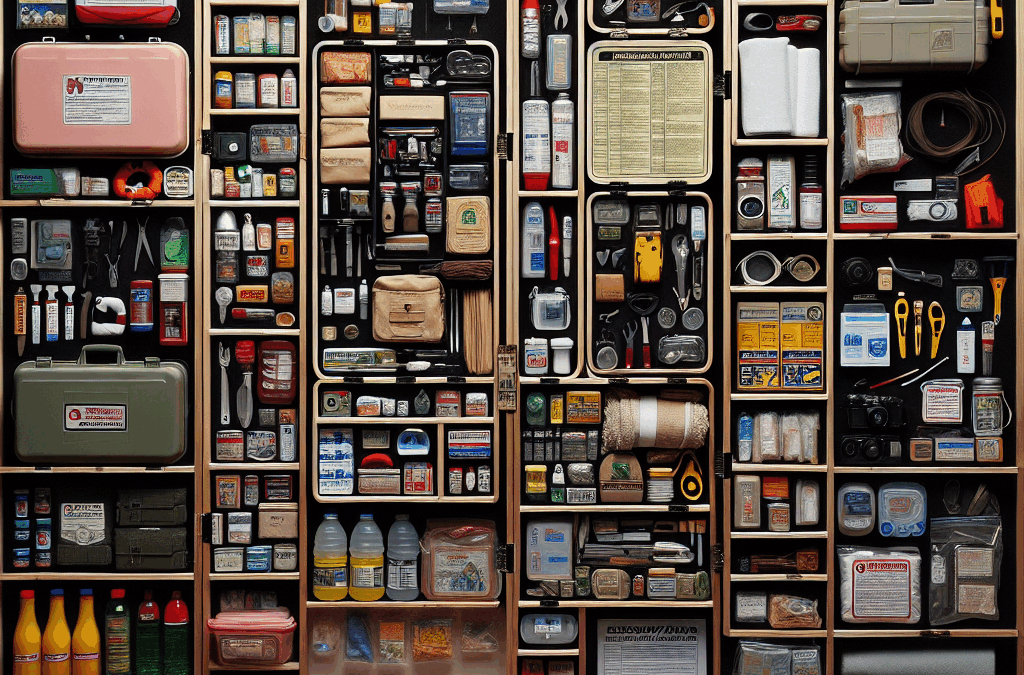
When you think about essentials, food and water are the big hitters. I can’t stress enough the importance of having a sufficient supply of non-perishable food. Think items like canned goods, energy bars, and, of course, plenty of bottled water!
Every family should aim for at least a three-day supply of food and water per person. It can be helpful to label these items with dates to ensure freshness. Plus, having a stockpile of food means you can skip that last-minute grocery dash if a crisis hits.
Don’t forget also to consider dietary restrictions—there’s no point in packing up a ton of peanut butter if someone is allergic. Think about what everyone actually eats and adjust accordingly!
First Aid Kits
A well-stocked first aid kit is another critical part of your emergency kit. Now, I’ve seen a fair share of first aid kits that just contain a couple of Band-Aids, but that won’t cut it in a true emergency situation. Make sure to stock up on antiseptics, gauze pads, and any medications your family may need.
I also recommend including a pamphlet on basic first aid techniques. While you might think you remember everything from the last course you took, it’s always good to have quick-reference material on hand. It can literally save a life!
Don’t overlook any special medical needs, such as an EpiPen for allergies or inhalers for asthma. Make a checklist to keep track of everything, and ensure you review it regularly.
Safety Gear and Tools
Safety gear can really make a difference in times of need. Items like flashlights, batteries, multi-tools, and whistles should definitely be on your list. Trust me, these are the little things that can bring peace of mind during a crisis.
During a power outage, having reliable flashlights with extra batteries can turn a stressful night into a cozy family campout! I vividly recall a blackout during a snowstorm, and let me tell you, those dollar-store flashlights became treasured family items!
Consider including personal safety items, such as blankets for warmth, gloves, and even a basic survival guide. Knowing you have simple tools at your fingertips gives you all a sense of security.
Planning for Communication
Establishing a Family Communication Plan
Having a communication plan is crucial for ensuring everyone stays connected during an emergency. I suggest setting up a designated meeting place or a point of contact outside your immediate area. Life can get chaotic, and knowing where to meet can ease everyone’s mind.
It’s a good idea to write down emergency contacts, including neighbors, family, and friends. Keep this list in your emergency kit and also create digital copies in your phones. It’s super handy to have the information at your fingertips.
Lastly, holding regular family drills can help keep everyone in the loop. The more familiar your family members are with the plan, the smoother things will go during an actual emergency.
Using Technology to Stay Informed
In today’s world, technology is our friend! Make the most of apps and services that provide real-time updates on emergencies and potential threats. These can be lifesavers in knowing what actions need to be taken.
Additionally, consider having backup charging options for your devices, such as power banks. It’s essential to stay connected and receive critical updates, especially during power outages. No one wants to be caught off-guard!
Don’t forget about social media platforms; they can also be excellent resources for gathering information from your community about any unfolding situations. Just remember to verify info from reliable sources!
Reevaluating Your Plan
Once your emergency plan and kit are set, the work doesn’t end there. Reevaluating your plan is just as important as setting it up originally. As life changes—like new family members or moving—you need to update both your kit and your communication plan.
I like to set reminders on my calendar to review our emergency kit every six months. This helps ensure that food isn’t expired and that necessary supplies are replenished. It’s also a great opportunity to teach kids about responsibility!
Please keep in mind that emergencies can be unpredictable; don’t be afraid to ask for family input or expert advice on what else might be necessary. The goal is to feel prepared, not overwhelmed.
Conclusion
So, there you have it—a comprehensive guide to tailoring emergency kits for your family! It can seem like a daunting task, but breaking it down into manageable steps, engaging your family, and regularly reassessing your supplies will make the process smoother.
Whenever I hear of an emergency, I’m thankful for the effort I put into preparing my family. Feeling ready really alleviates stress and, above all, promotes a sense of security. I hope you feel inspired to assemble your family’s emergency kit with love and a bit of fun!
FAQ
What supplies should I prioritize in my family emergency kit?
The essentials you should prioritize are non-perishable food items, clean water, a first aid kit, safety gear (like flashlights and multi-tools), and important documents. Tailor these to your family’s needs!
How often should I check the contents of my emergency kit?
It’s a best practice to check your emergency kit every six months. This ensures that items are not expired and that you have everything your family might need in case of an emergency.
What resources can I use to identify potential local emergencies?
National and local government websites, news outlets, and community bulletin boards are excellent resources. Additionally, there are apps designed to provide real-time updates about local emergencies.
How can I involve my kids in the emergency preparedness process?
Involve your kids by having them help pack the kit, create a “survival game” with their toys, or assign them responsibilities like checking expiration dates. It keeps it fun and educational!
What should I do if my family goes through a real emergency?
Stay calm, follow your communication plan, and make sure everyone in your family knows where to meet. Utilize the items in your kit, and remember to check in with each other regularly. Support is key!
by Micah Caldwell | Jul 31, 2025 | Preparedness
Understanding Fire Hazards
Types of Fires
When I first started learning about fire safety, I didn’t realize there were different types of fires. Of course, I knew about destructive house fires, but did you know that there are actually five classes of fire? Each type has a different cause and requires a specific method of extinguishment. It’s pretty fascinating!
For instance, Class A fires involve ordinary combustible materials like wood, paper, or cloth. These are your standard household fires. Class B fires are fueled by flammable liquids such as gasoline and oil, which are a little trickier because you can’t just throw water on them. Similarly, Class C fires involve electrical equipment and require a different approach.
Understanding these distinctions can save your life. Each fire class needs a specific approach for prevention and extinguishment, which is essential to know when preparing for potential emergencies.
Identifying Risks in Your Environment
Now that you know the types of fires, it’s time to identify risks around your home or workplace. I like to walk around my house with a critical eye. Are there any overloaded power cords? Flammable materials stored too close to heat sources? This is where your detective skills come into play!
Keep a notebook and jot down any potential hazards you find. Once you have this list, prioritize what needs to be addressed immediately. It could be as simple as relocating a can of paint or getting rid of that old rag stuffed in the corner of the garage.
Regularly reviewing your environment means you’ll stay ahead of the game. Making fire safety a part of your routine can go a long way in preventing emergencies before they happen.
Fire Safety Equipment
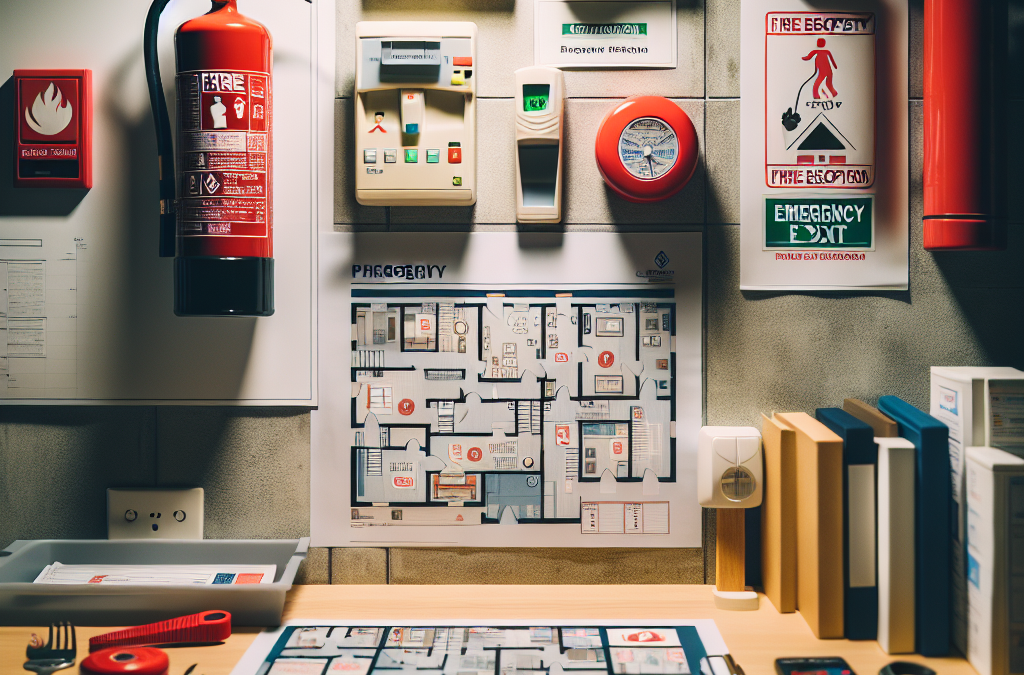
Ever heard the saying “better safe than sorry”? Well, when it comes to fire safety equipment, this couldn’t be more true. I always make sure I have the essentials around. A good fire extinguisher is like having a trusty sidekick at home. Just be sure it’s rated for the types of fires you might encounter!
Another vital piece of equipment is smoke alarms. I can’t stress enough how crucial these are. Place them in every sleeping area and check the batteries at least twice a year. You can never be too careful, and these devices are your first line of defense.
And let’s not forget about fire blankets! These can smother small fires before they spiral out of control. They also can be a lifesaver if someone’s clothing catches fire. Don’t wait for a fire to happen to think about these essentials—be proactive!
Creating an Emergency Plan
Developing a Fire Escape Plan
One of the most empowering things I’ve done is create a fire escape plan for my home. It’s not just for the kids or elderly members—everyone needs to know what to do in case of a fire. I suggest gathering everyone together to draw out an escape route. Make sure there are at least two ways to exit every room.
Rehearsing this plan is critical. We practice it every six months, and it’s essential to teach kids to stay low and crawl under smoke! Practicing can really help calm nerves in a real emergency.
Don’t forget to choose a meeting spot outside where everyone can gather after evacuating. This way, you’ll know if everyone made it out safely and can focus on calling for help.
Staying Informed
In today’s world, staying informed is more important than ever. Local authorities often share information about fire risks, and staying in the loop can help us all stay safe. I check out local fire department websites or social media pages to get updates on fire safety tips.
Sometimes, they host community events or training sessions on fire safety, which are invaluable. It’s a neat way to meet neighbors while learning something crucial.
And never underestimate the power of a good ol’ community chat! Talking with friends and family to share experiences or tips can strengthen your preparedness when it comes to fire safety.
Educating Others
After learning so much about fire safety, I felt the urge to share this knowledge with my friends and family. Education is one of the best forms of prevention. I often hold informal gatherings where we talk about safety practices over snacks—who says it can’t be fun?
Teaching kids about fire safety is especially important. I’ve found fun ways to engage them in learning, like games or simple demonstrations. The more they understand, the better prepared they’ll be.
Being an advocate for fire safety can create a ripple effect. Encourage your friends to have conversations at their homes, and watch the community become more aware and prepared.
Regular Maintenance and Safety Checks
Inspecting Equipment Regularly
Just like your car needs regular maintenance, so does your fire safety equipment. I can’t tell you how many times I’ve heard of extinguishers failing because people forgot to check them. Mark your calendar for routine checks—a little planning can help you avoid big headaches later!
Make it a habit to inspect smoke alarms, extinguishers, and other equipment at least once a month. You’d be surprised how easy it is to overlook the little details like changing batteries or checking expiration dates.
Taking a few minutes each month can give you peace of mind knowing that if a fire were to break out, you’re ready to handle it and have the functioning tools on hand.
Reviewing Your Fire Plan
Your fire escape plan is your roadmap to safety. But just like any good plan, it needs to be updated as life changes. Living situations, new family members, and renovations all warrant a good review of your escape plan. I go through mine every year; it’s like spring cleaning but for safety!
We chat about any new potential hazards that might have popped up and adjust our plan accordingly. Has a new room been added to the home? Do we need to identify a new exit route? Keeping these discussions ongoing ensures everyone remains informed and prepared.
Remember to include pets in your plan, too! Preparing for their safety can be just as crucial as our own, so think about ways to keep them out of harm’s way during an emergency.
Community Involvement
Being part of your community doesn’t stop at knowing your neighbors; it extends to fire safety, too! Get involved with local fire safety organizations. Many times, they conduct drills and have resources available for families.
Volunteering is not only rewarding but also a great way to learn more about fire prevention directly from the pros! These folks have vast experience and understanding of fire safety, and it can be super beneficial to soak in that knowledge.
And hey, consider hosting a fire safety workshop in your area—my friends and I organized one last year, and it was a hit! Knowledge is power, and the more we spread it, the safer our communities become.
Frequently Asked Questions
What types of fires should I be prepared for in my home?
It’s important to understand the five classes of fires: A (ordinary combustibles), B (flammable liquids), C (electrical), D (metals), and K (cooking oils and fats). Understanding these will help you prepare specifically for your home environment.
How often should I check my smoke alarms?
You should check your smoke alarms at least once a month and replace the batteries twice a year. Consistent checks ensure that they are working properly and ready for any unexpected fire incidents.
What should I include in my fire escape plan?
Your fire escape plan should include two exits per room, a designated meeting place outside, and safety routes to escape. Involving everyone in discussions and walkthroughs can help make the plan second nature for all family members!
How can I engage my kids in learning about fire safety?
Get creative! Use games, storytelling, or role-play to make fire safety engaging. Teaching them about the importance of staying low to the ground and practicing the escape plan together can make it fun and educational.
Why is community involvement important for fire safety?
Community involvement creates a supportive network where people share knowledge and resources. Engaging with local fire departments or safety organizations can also provide essential training, heightening preparedness for everyone.
by Micah Caldwell | Jul 31, 2025 | Preparedness
Emergency Lighting Tools
Why You Need Emergency Lighting
We’ve all been there: a sudden power outage or a camping trip that goes sideways. Emergency lighting is not just a luxury; it’s a necessity! When darkness falls, having a reliable light source can make all the difference. You can say goodbye to fumbling around in the dark while searching for candles or your phone’s flashlight app.
Personally, I’ve experienced a blackout in the middle of cooking a family dinner. The sudden darkness sent us scrambling for our flashlight. It highlighted how crucial having a dependable light source can be—not just for safety but also for maintaining calm in chaos.
Battery-operated lanterns and flashlights can illuminate your surroundings efficiently. This means less stress and more focus on what’s really important: keeping everyone safe and comfortable, whether you’re at home aiming for your emergency kit or out in nature enjoying the stars.
Top Picks for Battery Operated Lights
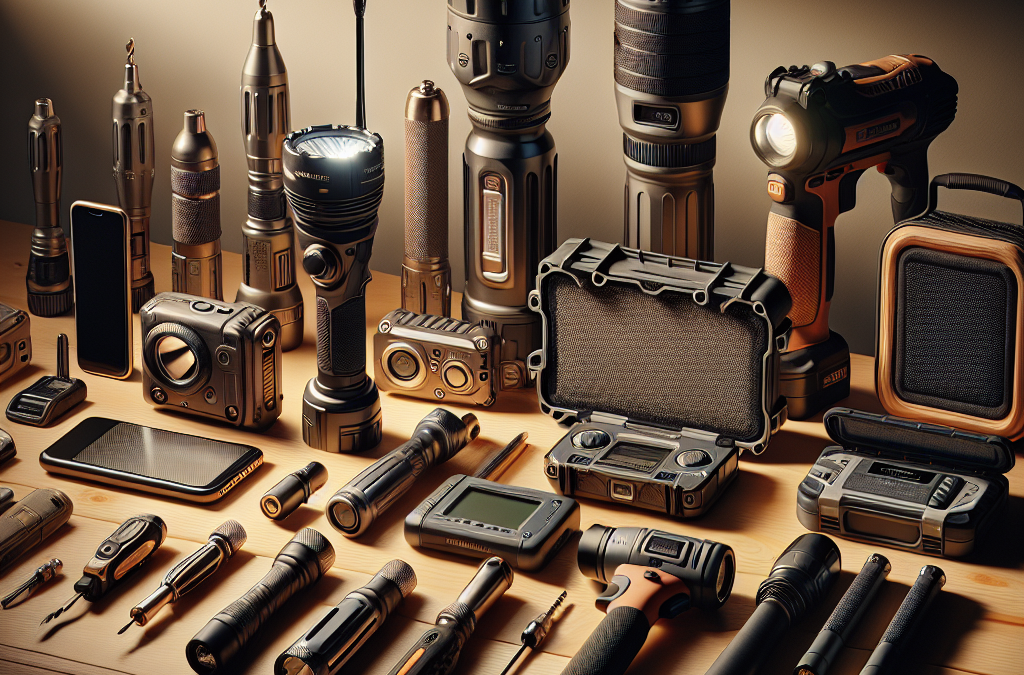
When determining the best emergency lights, I’ve found that brightness and battery life are key. My go-to is the LED lanterns that give off a warm light and can last hours without needing a recharge. They even have settings for different brightness levels!
Some flashlights come equipped with solar charging options, which I think is super cool. This feature ensures that even if you forget to charge them, they’ll still work thanks to the sun’s power. I love being outdoors, so these flashlights are often by my side on hikes or nights under the stars.
Don’t overlook smaller options, either. A simple battery-operated clip-on light can save space in your emergency kit and is incredibly versatile. I often use them for late-night reads or even board games when the power goes out!
Maintenance Tips
Keeping your lighting tools in working order is crucial. I can’t stress this enough: make sure to check your batteries regularly. No one wants to be caught in the dark with dead batteries! I set reminders on my calendar every few months to give everything a check-up.
Additionally, store your lights in an easily accessible place while still ensuring they won’t accidentally turn on. A dedicated pouch in your emergency kit is a great idea. I’ve learned the hard way after throwing my gear in a backpack, only to find a flashlight that mysteriously drained its batteries.
Lastly, give your tools a good clean every now and then. Dust and dirt can affect their performance, and nobody wants that—especially in an emergency. A quick wipe with a damp cloth is often all it takes to keep things running smoothly!
Battery Operated Power Tools
Why Choose Battery Operated Tools
Battery-operated power tools are a game changer during emergencies or any unexpected home repairs. From drills to saws, these tools offer convenience without the hassle of cords or searching for an outlet. I particularly appreciate the mobility they offer—no matter where I’m working, I know I can get the job done.
It’s also worth mentioning the environmental advantage. Many modern battery-operated tools have lithium batteries, which tend to be more efficient and environmentally friendly than traditional corded power tools. Using less energy means we can all do our part to reduce our carbon footprint while tackling our home projects.
Throughout my DIY journey, I’ve accumulated a small arsenal of battery-powered tools, and they’ve saved me countless headaches, whether it’s assembling furniture or fixing things around the house. The ability to pick up and move freely is a massive benefit.
Choosing the Right Tools
When it comes to selection, focus on versatility. My favorite tool is a cordless drill that can switch from drilling to driving screws effortlessly. It saves time and minimizes the chances of losing my momentum when tackling a project.
Furthermore, consider the runtime of the tools. If you’re dealing with large tasks, ensure your battery can last long enough to complete them. Many tools today come with additional battery packs, which is fantastic—just swap it out and keep going!
Don’t forget to check reviews for durability. I’d recommend leaning towards brands known for their quality. It’s an investment, and you want something that’s going to last through all those unexpected emergencies.
Safety Tips
Battery-operated tools can still be dangerous if not used properly. Always read the manual before starting any project! I admit I was tempted to skip this step once, and it cost me a minor injury due to improper equipment handling.
Make sure to wear appropriate safety gear, regardless of whether you’re using manual or battery-operated tools. Goggles, gloves, and even dust masks can protect you from splinters or debris flying your way.
And if you’re ever unsure about using a specific tool, ask someone! Your safety should always come first, and there’s no harm in reaching out for help. I’ve learned so much from friends and family when I was stuck or confused.
Battery Backup Systems
What are Battery Backup Systems?
Battery backup systems are a fantastic way to ensure you have power when you need it most. They store electric energy to provide power during outages, whether it’s a storm taking out your electricity or an unexpected home emergency.
My experience with battery backup systems started after a particularly nasty winter storm that left my neighborhood without electricity for days. I invested in a battery backup system that kept my essentials powered, and it was one of the best decisions I made.
Not all systems are created equal, though. Some are designed just for smaller devices, while others can power larger appliances like refrigerators or medical devices. Assess your needs before making a purchase. It’s a crucial step that can save you a ton of hassle later!
Choosing the Right Battery Backup System
Consider the wattage requirements of the devices you intend to power. The last thing you want is to assume you can power a fridge when your backup can barely handle a light bulb. I once made that mistake, and it was definitely a lesson learned!
Look for units with multiple plug options. A system that only provides a few outlets is pretty limiting. My backup has multiple plugs and USB ports, so I can charge my phone and keep a few essential appliances running all at once.
Battery lifespan is another factor. I always opt for those that display how long they can sustain power at varying loads. The last thing you want is a system that doesn’t live up to its advertised capabilities when you need it most.
Maintenance and Storage Tips
Battery backup systems need a little TLC to keep them in top shape. Check and replace batteries regularly; this will ensure they’re always ready when needed. I check mine twice a year—it’s such an easy task!
Store your system in a cool, dry place. If you place it in places that are too hot, the batteries can degrade much faster than their intended lifespan. I always try to be mindful of temperature when setting up my emergency gear.
Finally, periodically testing your system is essential. I run through a quick test every few months to ensure it actually works—this way, I’m never caught off guard.
Portable Battery Chargers
The Importance of Portable Power
We live in such a tech-driven world, and running out of battery can feel like the end of the world. Portable battery chargers can help keep our devices powered, which can be especially critical during emergencies. I’ve found them to be essential during camping trips and travels where charging options are limited.
These handy chargers can fuel everything from smartphones to tablets and even small medical devices. Picture this: you’re in an emergency at home, and your phone dies. A portable charger could be what saves the day—you need a way to communicate with others!
They can also be a lifesaver during outdoor adventures. If you rely on GPS or other essential applications, you won’t want to run out of juice. Having a portable charger just brings peace of mind, knowing that I am covered, no matter what adventure I tackle.
Choosing the Right Portable Charger
When choosing a charger, look for one with a high capacity—something like 20,000mAh is a great choice for multiple charges. It might be a bit bulkier, but I assure you, it’s well worth the extra size when you’re out and about.
I prefer chargers with multiple outputs, which allows me to charge several devices simultaneously. If I’m camping with friends, it means we can all keep our devices charged together instead of fussing over who gets to use the charger first.
Quality matters too! Be sure to invest in a reputable brand, as low-quality chargers can pose safety risks. I learned this one the hard way after a cheap knockoff charger overheated. Scary stuff—I never made that mistake again!
Maintenance for Longevity
Treat your portable chargers with care. Avoid leaving them in extreme temperatures, as it can damage the batteries. I store mine in a cool place where they aren’t exposed to direct heat from sunlight or excessive cold.
Also, clean the connectors gently. Dust can build up quickly, which may prevent your devices from charging properly. A soft cloth does wonders to keep everything spick and span.
Lastly, don’t let your charger sit idle for too long. Periodically use it to keep the battery healthy. It’s easy to forget, but I’ve made it a habit to plug in my portable charger every so often, ensuring it’s always ready to go when I need it.
Emergency Communication Tools
The Need for Communication in Emergencies
Effective communication can make or break an emergency situation. Have you ever been left in the dark during a storm, unsure of the updates or what to do next? That’s where battery-operated communication tools come in.
From walkie-talkies to emergency radios, these tools ensure you stay connected even when regular systems fail. During a time when everyone is in panic mode, having a way to communicate can keep things calm and organized.
Personally, I love having a small emergency radio with NOAA Weather Band capability. It offers immediate information on weather updates during severe storms, and I can easily take it along when I go hiking. Knowledge is power, right? It’s crucial for staying safe!
Types of Emergency Communication Tools
Walkie-talkies are incredible for short-range communication. They can be great for family outings or situations where cell coverage might not reach. I picked up a pair, which transformed our family camping trips from “Where are you?” to promises of “I’m right here!”
Emergency radios provide peace of mind, especially during severe weather. I like models that can also charge my phone or have multiple power sources, including hand-cranking options. You never know when you might need it!
Don’t overlook options like signal mirrors or whistles. In a pinch, these tools can help you communicate without relying on battery power. They’re lightweight and can easily fit into your emergency kit—definitely a smart addition.
Keeping Communication Tools Ready
Be sure to check batteries regularly in your communication devices; I can’t stress this enough! It’s something I do alongside my lighting checks. A talking device that’s out of batteries won’t help anyone during a crisis.
Store all your communication tools in a designated bag within your emergency kit. This way, you know exactly where to find them when the time comes, instead of frantically rummaging through your supplies.
Learn how to use your devices ahead of time. I once stumbled in the dark while trying to tune an emergency radio during a storm. Familiarizing yourself with your devices beforehand can save precious time and reduce panic when a true emergency arises.
Conclusion
In conclusion, battery-operated tools are invaluable during emergencies. Their ease of use, portability, and reliability can help you navigate through unexpected situations with confidence. Remember to maintain your tools regularly, choose wisely, and always be prepared. I’ve learned the hard way that preparation truly is half the battle!
Whether it’s lighting a path in the dark, powering devices, or providing reliable communication, having the right tools can significantly impact safety and peace of mind. As someone who’s been through various emergencies, I can assure you: it’s better to be over-prepared than underprepared.
FAQ
1. What types of battery-operated lights are best for emergencies?
LED lanterns and flashlights are fantastic choices due to their brightness, longevity, and versatility. Look for ones with multiple brightness settings to cater to different scenarios.
2. How do I choose the right battery-operated power tools?
Prioritize versatility, battery life, and brand reliability. Tools like cordless drills that can switch between tasks are incredibly useful in a pinch.
3. What is a battery backup system, and why do I need one?
A battery backup system stores power to provide electricity during outages. It’s particularly vital for running essential appliances to ensure comfort and safety during emergencies.
4. How do I maintain my portable battery charger?
Store it in a cool, dry place, regularly check charge levels, and clean connectors to ensure optimal performance. Regular use can also keep the batteries in good shape!
5. What communication tools should I have during an emergency?
Invest in emergency radios, walkie-talkies, and even signal tools like whistles. These tools ensure effective communication when traditional means may fail.