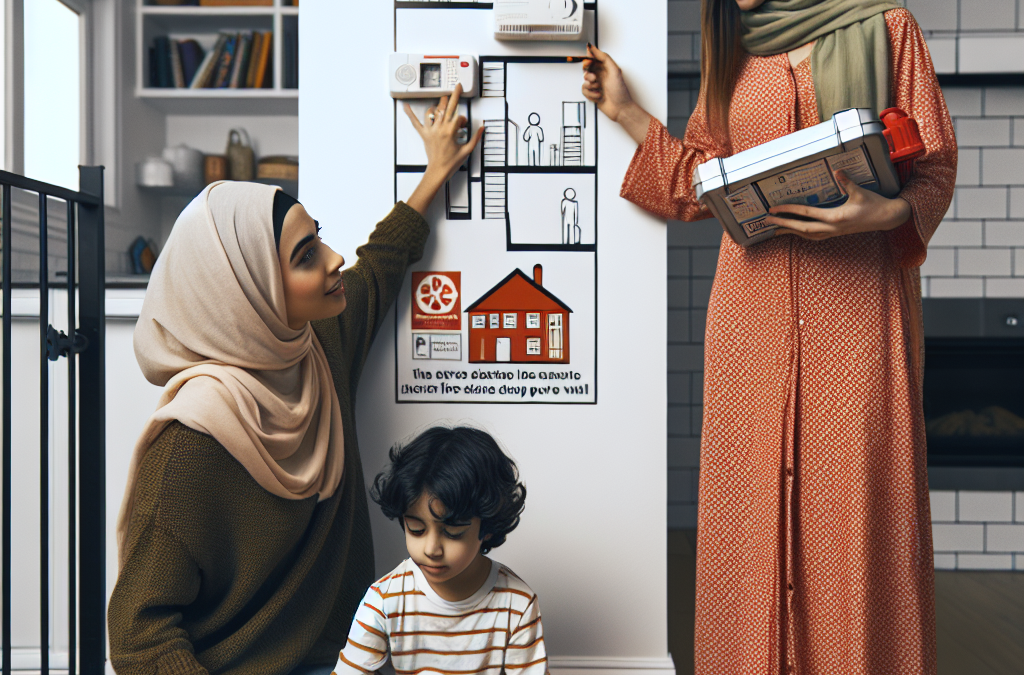
So, the very first thing I did was bring the family together. It’s super important to sit down as a unit. I made sure everyone, from the little ones to the adults, understood the gravity of the situation—any emergency can knock on our door at any time.
We talked about what emergencies could happen—natural disasters, fires, and even home intrusions. It’s not all doom and gloom, but knowledge is power! Each family member felt more involved and it made the discussions way less scary.
Everyone had a voice; we tossed around ideas about the best ways to react in emergencies. This isn’t just a mom or dad thing; it’s a team effort to make sure we’re all on the same page when things hit the fan.
Assign Roles
After we established our plan, the next step was assigning roles. This was something that truly made me feel comforted! I assigned simple and clear responsibilities, so if something happens, everyone knows what to do without scrambling.
For instance, I designated one of my kids to grab the emergency kit, while another was in charge of keeping track of our pet. Knowing who’s doing what helps a ton to keep our minds clear during chaos. It made them feel important, and that little boost of confidence is key.
Every role was age-appropriate. I remember my youngest was proud to help by dialing an emergency number. Making them part of the solution really eased my nerves—if everyone knows their part, we’re much more likely to succeed!
Regular Drills
Next up was the fun part—practicing! We started conducting regular drills. I turned them into games to keep the atmosphere light and engaging. Kids love playtime, and it makes learning less intimidating!
Doing these drills made it clear what needed to be done without panic. It’s amazing how these repetitive actions became second nature for us all. We’d practice logging out of our home quickly, taking our emergency kit, and checking in with each other afterwards.
I can’t stress enough how vital those moments are; when the real deal comes knocking, it’s too late to be figuring things out. So, we made it a tradition—silly but effective in getting our kid’s little hearts ready for the “what ifs.”
Emergency Supplies
Pack an Emergency Kit
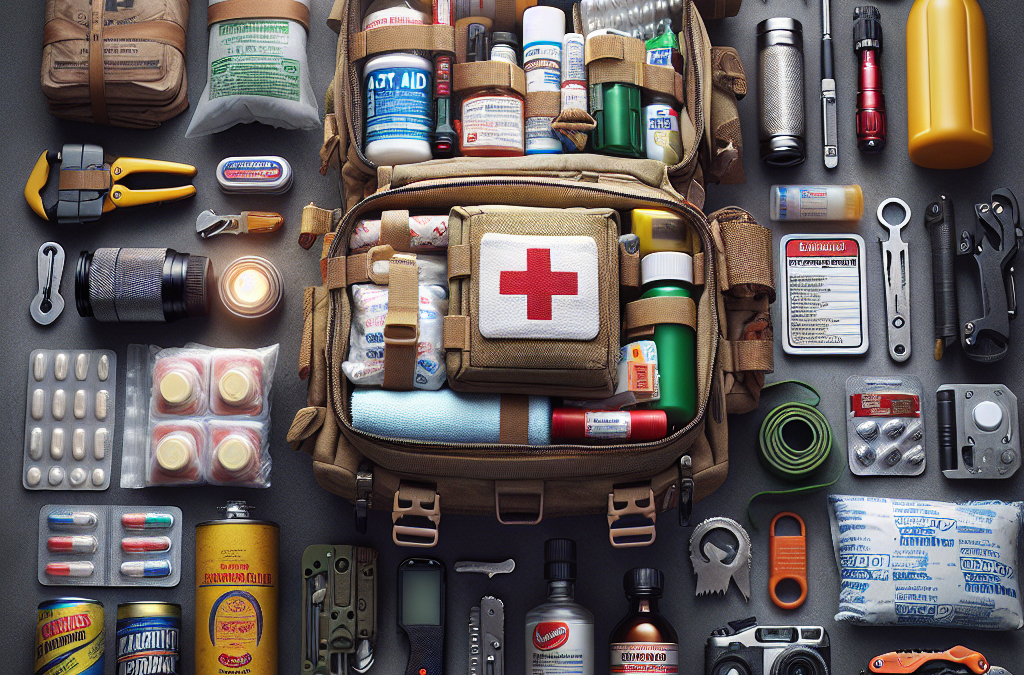
Now, let’s talk about emergency supplies! I can’t stress this enough: having an emergency kit ready is crucial. I created a checklist, or as I like to call it, our ‘survival backpack’!
This kit is stocked with essentials like water, snacks, first aid supplies, and flashlights. I made it a rule to check it every six months and rotate the snacks. Trust me, you don’t want scampering kids and expired granola bars when the stress is high!
There’s a certain peace of mind that comes with knowing you have what you need ready to go. Next time a storm is brewing, I know I won’t be flying by the seat of my pants—I’ve got our backs covered!
Plan for Basic Needs
Aside from just the emergency kit, I made sure we had plans for basic needs too. That means knowing where to find alternative sources of food, light, and warmth. We diversified our supplies beyond the initial kit.
For instance, we now keep extra blankets and warm clothes in our car, just in case we find ourselves stuck somewhere. It’s about being proactive rather than reactive. No one wants to find themselves cold and hungry; it’s about ensuring comfort in discomfort.
We even researched local shelters and resources, so we’d know where to turn in case home isn’t safe. Making these plans gave me an overwhelming sense of responsibility; the “What ifs?” could now have answers.
Regular Updates
Just as important as packing the kit is making sure it’s updated! I learned the hard way that supplies can change, kids grow, and what we need may vary over time. So, keeping our emergency kit fresh was essential!
I began scheduling those refreshes on our family calendar to make them a priority. A simple reminder helps us remember, “Hey, it’s time to sift through the emergency stuff!” and we all get excited about it together!
It’s a great bonding time, sorting out what’s still useful and perhaps letting go of things we no longer need. Update your kit, and it gives another angle of peace, knowing you’re all prepared for whatever comes your way.
Communication
Establish Safe Words
The next gem I discovered is communication. Establishing safe words can be a literal lifesaver. We came up with words that would signify we need to act securely without creating too much panic.
For example, if I shout “pineapple,” everyone knows it isn’t a joke—they need to gear up and follow the backup plan. It’s fun to see the kids shout it out around the house, knowing it means serious business when it counts!
This ability to communicate effectively brought us much closer. By establishing these codes, we ensure that a stressful situation does not spiral into chaos; clarity transforms what could have been confusion.
Emergency Contacts
Another crucial aspect of communication is having updated emergency contact lists. I made it a habit to have my family’s contacts written out, including out-of-town relatives who can help.
We put this list on the fridge to ensure it’s visible. The kids learned how to dial those numbers, giving them a solid grasp of who to reach out to when needed. It’s all about making sure they feel a sense of safety in their ability to communicate.
This is doubly important in an age where phones can die. A little old-school paper works, too! We even laminated our list so it stays intact. I encourage you to gather those numbers, as it truly saves worry when the chips are down.
Community Resources
Engaging with community resources and emergency services can bolster our safety protocol. We reached out to our local sheriff’s office to understand better what resources were available, which led to some invaluable insights!
They provided resources for neighborhood watch programs and local shelters. That networking helped us stay informed about community drills or exciting family safety events, encouraging more families to be aware and prepared.
Once we participated in a local emergency preparedness fair, the kids loved learning about it while also earning some fun giveaways. Getting involved nurtured a supportive environment for the whole family. Two heads are better than one, right?
Stay Informed
Emergency Alerts
Staying informed is key. I’ve set up emergency alerts through our local government and weather services. Getting these alerts can really help navigate through potential disasters before they strike.
There’s nothing worse than being caught off guard! Our phones buzz, and I gather everyone around to explain what we need to do next. This knowledge ahead of any emergency is empowering and helps decrease panic levels.
Besides, it’s cool to be in the know. I mean, who doesn’t love feeling like the family hero with timely updates? It has also encouraged my kids to pay attention to the world around us.
Trustworthy Sources
In our digital age, there’s a ton of info online—but not all of it is trustworthy. I’ve established a list of reliable sources that I check for updates, like the CDC or local government pages.
I talk with my family about fact-checking and distinguishing between real news and clickbait. I think it’s so important to instill that understanding in them early on; it builds a strong knowledge base.
We even decided to turn it into a family project; they’d grab a news source and share what they found, and we’d discuss it. Keeps them engaged while learning what’s trustworthy, and earns parental brownie points!
Regular Family Meetings
Lastly, I can’t emphasize enough the importance of regular family meetings. We set aside time to gather everyone to share updates on our emergency plan. It’s as much about sharing knowledge as it is a reunion.
This leads to open discussions about any concerns, adjustments in plans, and sharing our success stories from practicing drills. It warms my heart to see the kids taking pride in what they’re learning!
Reinforcing this ongoing open communication fosters a safety net of support and knowledge that will carry us through any emergencies. It’s more than just plan updates; it’s our family growing together!
Conclusion
Keeping my family safe in an emergency boils down to preparation, communication, and education. From creating a solid emergency plan to building bonds through practice, every step I’ve taken has been rewarding.
It gives me peace to know that we are well-prepared. Setting everything in motion has not only enhanced our safety but transformed our family dynamic—creating an encouraged and united front.
So, I encourage you not to wait. Take that next step in preparing your family—it’s one of the best things you can do for peace of mind. Remember: it’s a journey, and every small effort counts!
FAQ
1. What should be included in an emergency kit?
Ideal items include water, food, a flashlight, batteries, a first aid kit, and personal medication. Tailor it to the specific needs of your family!
2. How often should I review and update my emergency plan?
It’s a good idea to review your plan at least every six months or after any significant life changes, like moving or adding new family members.
3. What is a good way to establish a family communication plan?
Gather your family and discuss roles and safe words, and ensure everyone knows how to contact each other during an emergency. Keep that list handy!
4. How do I find trustworthy emergency resources online?
Stick to official resources like government websites, the CDC, and trusted news outlets. Always cross-check information for accuracy!
5. Can community resources help during an emergency?
Absolutely! Engaging with community resources can provide critical support, and networking helps you stay informed about local safety initiatives.
When I think about prepping for an emergency, food and water are at the top of the list. It sounds obvious, right? But the reality is, having enough non-perishable food and fresh water could be the difference between comfort and panic. Stock up on items like canned goods, granola bars, and dried fruits. And don’t forget about water—aim for at least one gallon per person, per day.
It’s not just about quantity, though. You also want to think about the variety in your food supplies. Having some fun snacks can lift spirits during tough times. So, throw a few bags of your favorite chips or chocolate bars into the mix. It’s all about keeping morale high!
Lastly, don’t forget to rotate your supplies. Eating the canned food that’s been sitting on the shelf for a while is great, but make sure to replace it with fresh stock every now and then. It’s all part of staying prepared.
First Aid Kit
Next up is the first aid kit. I cannot stress enough how important it is to have a well-stocked first aid kit on hand. Accidents can happen at any time, and having the right supplies ready to go can be a lifesaver. Make sure your kit contains bandages, antiseptic wipes, gauze, pain relievers, and any personal medications you or your family might need.
Don’t just grab a pre-packaged kit, though; personalize it! For example, I always add in some allergy medications for pollen season and a few extra band-aids because my kids seem to attract scrapes and bruises like a magnet.
And remember, it’s important to know how to use the items in your first aid kit. Consider taking a basic first aid course. Honestly, it doesn’t hurt to be prepared to help others, too, especially in emergency situations.
Flashlights and Batteries
Imagine a storm knocking out power in the middle of the night. That’s why having a few trusty flashlights and a stash of batteries is so crucial. I keep flashlights in various places around my house—one in the kitchen, one in my bedroom, and a couple in the garage—just in case. You never know when you might need one!
When selecting flashlights, I always opt for LED versions; they last longer and provide brighter light. Plus, I recommend getting solar-powered or rechargeable flashlights to save on battery costs in the long run.
Lastly, remember to check those batteries frequently. There’s nothing worse than reaching for a flashlight and finding dead batteries. Tossing a reminder on my calendar to check them every few months keeps this simple task from slipping out of my mind.
2. Communication Tools
Emergency Contacts
Having a list of emergency contacts is super vital. I like to have a printed list stuck on my fridge and a digital version on my phone. This list should include family members, neighbors, and local emergency services. Having these contacts handy means you can reach out for help or coordinate with loved ones easily.
When making your list, consider including contact info for your children’s schools and daycare centers, too. If anything goes wrong during the day, knowing who to call can save time and stress. And don’t forget about backup contacts; sometimes, having someone a little further away may be more effective if local resources are stretched thin.
I also find it helpful to talk through this list with my family. Setting up a communications plan ahead of time helps everyone know exactly what to do, and it eases that panic if you ever find yourself needing to use it.
Two-Way Radios
Cell phones can be unreliable during emergencies, right? That’s where two-way radios come into play. I’ve got a set of these at home, and they’ve proven to be lifesavers during camping trips and stormy nights. They offer a direct line to friends and family without needing cellular service.
When choosing two-way radios, I recommend selecting ones with a decent range, so you’re covered even if you end up a little farther from each other during an emergency. Plus, look for models that are easy to use. Nothing is worse than fumbling around with complicated gadgets when every second counts!
Practicing how to use them can also be a fun family activity. It’s not just about function; it’s about creating a connection. Next time you’re out at the park or hiking, practice with the radios to make sure everyone knows how to operate them.
Different Communication Methods
Finally, having multiple methods of communication is a smart move. Consider apps that allow for messaging without cell service, like WhatsApp or messaging services specifically designed for emergencies. You want to be prepared for a range of scenarios.
Also, social media can be a great tool during emergencies. Many communities set up informal messaging boards to keep everyone informed. Just remember, relying solely on one method can leave you vulnerable; redundancy is key!
And as a bonus, talk to your family and ensure everyone knows these different methods and what they should do in case of an emergency. Again, setting this all up beforehand can save loads of stress later!
3. Shelter and Warmth
Tents and Tarps
Creating a temporary shelter is an important aspect of emergency preparedness. If something catastrophic ever happens, I want to ensure I’ve got a solid tent or tarp on hand. These items are versatile; you can use a tarp for quick shelter or cover up supplies, and a proper tent can help keep everyone safe and dry.
When selecting your gear, make sure to invest in quality. It’s worth spending a bit more for durable materials that can withstand the elements. Plus, a tent that’s easy to set up is a blessing during high-stress situations.
Don’t forget to practice setting up your tent at home! I find that it eases my mind knowing that when push comes to shove, I can set it up without a hitch—and it’s also a fun camping practice with the kids!
Sleeping Bags and Blankets
Keeping warm is another must during emergencies. I recommend investing in good-quality sleeping bags that are suitable for colder temperatures, as well as having extra blankets on hand. You can’t go wrong with a cozy setup when things get chilly.
Consider adding emergency Mylar blankets as well. They’re lightweight, compact, and can help trap body heat without taking up too much space in your emergency kit. You never know when they might come in handy!
As a side note, I always have at least one portable camping stove or a way to cook food that’s safe for indoor use. Having hot food can warm up your spirits—although, if you’re not careful, it might lead to a bit of a dinner disaster!
Fire-Producing Tools
Let’s not forget the power of fire! A reliable way to start a fire is essential for warmth, cooking, and even signaling for help. I personally prefer waterproof matches and lighters, coupled with fire starters like cotton balls saturated in petroleum jelly—it’s a game changer!
Be sure to store these items in a dry, accessible spot. You want to keep them handy but safe from moisture or damage. And remember to practice fire safety. Teaching everyone how to safely build a fire will take the worry off your shoulders if you need that warmth later on.
There’s something comforting about firelight, too. It creates a space to gather and share stories, which can be really important during stressful times.
4. Personal Protection Equipment
Masks
In today’s world, having the right protective gear is essential. Masks should always be part of your emergency kit. They can help you filter air in cases of smoke or dust, allowing you to breathe a bit easier during a crisis.
When selecting masks, look for those that offer good filtration, like N95 or KN95. They might feel a bit restrictive but trust me; it’s worth it to feel secure! And hey, having a few styles at home means you can switch it up depending on your needs.
Consider keeping both reusable and disposable masks on hand, too. That way, you’ll have options based on the situation at hand. Staying protected is key, and every little bit helps!
Gloves and Protective Clothing
In emergencies, having protective clothing can also be super practical. I keep a stock of gloves in my kit, ranging from rubber gloves for cleaning to heavy-duty work gloves for handling debris. You never know what you might encounter when you’re digging through your stuff!
When it comes to clothing, layers are your friend! Make sure to have some durable clothes that are appropriate for the climate. I also recommend including an extra pair of sturdy shoes because, trust me, you don’t want to be walking around in flip-flops during an emergency.
Lastly, think about safety goggles. If you ever find yourself in a situation with flying debris or hazardous materials, they can protect your eyes and make a significant difference.
Self-defense Tools
In emergencies, personal safety should be a top concern. Whether it’s a natural disaster or an unexpected situation, having self-defense tools can provide peace of mind. I keep some options at home, including pepper spray and personal alarms. It’s a small step toward feeling secure!
However, it’s not just about having these items—it’s crucial to know how to use them. Consider taking a self-defense class, not just for emergencies but for daily situations as well. Knowing how to protect yourself can boost your confidence.
Ultimately, it’s about feeling prepared for whatever life throws at you. And being equipped isn’t just about the tools; it’s a mindset that helps you stay calm in the chaos.
5. Financial Preparedness
Emergency Cash
Having a little cash tucked away for emergencies can be a lifesaver. In today’s digital world, we often forget that during big events—like a natural disaster—ATMs and credit card systems might be down. Keeping some emergency cash on hand (think small bills) is a smart move.
Where do I stash mine? I keep it in a separate location from my main money stash, just in case. This ensures that I can access funds even if I have to evacuate. Plus, having cash readily available can make all the difference in a pinch!
And while you’re at it, don’t forget to document your cash stash, including serial numbers. This makes it easier to manage and replace later if need be. Just one more way to keep yourself organized!
Important Documents
Collecting important documents might seem like a chore, but trust me, it’s so essential! You want to have copies of your ID, insurance policies, medical records, and any valuable documents stored securely but accessible. I keep mine in a waterproof fireproof box—just to be extra cautious.
Consider going digital, too. Many cloud services exist that allow you to store documents securely online. This measure ensures that even if you lose physical copies, you still have access to them. Important documents give you leverage while dealing with insurances and services during emergencies.
Be sure to periodically review your documents as well. Changes in your life, like moving places, business changes, or family situations mean documents need to meet your new reality. Keeping everything updated will save you headaches down the line!
Emergency Plan
You’ve got your supplies, but what’s the plan? I always encourage people to sit down and create an emergency plan with their families. This plan includes meeting points, communication methods, and roles for each family member. It’s all about making sure everyone is on the same page.
I cycle through what our plan should look like every few months, discussing what to do in case of different scenarios. From fire drills to tornado warnings, it’s invaluable to run through these things when everyone is calm.
The best part? It turns into a bonding experience. It’s not just about preparation; it’s about making sure everyone feels included and empowered to act in tough situations.
FAQs
1. What basic supplies should I have for emergency preparedness?
You should focus on necessities like water, non-perishable food, a first aid kit, flashlights, batteries, and a multi-tool. These form the core of your emergency supplies.
2. How often should I check my emergency supplies?
I recommend checking your supplies at least once every six months. This way, you ensure that everything is up-to-date, especially food and medications.
3. What communication methods should I include in my emergency plan?
Your plan should feature a list of emergency contacts, two-way radios, and alternative messaging apps that can work without a cell signal.
4. Why is it important to practice my emergency plan?
Practicing your plan helps everyone understand their roles and reduces panic during an actual emergency. It turns a stressful situation into a more manageable one.
5. What is the best way to store important documents for emergencies?
The best practice is to keep copies in a waterproof fireproof box. Additionally, consider using cloud storage to access them anytime, anywhere.
This article covers essential tools for emergency preparedness in a friendly and personable tone while following the specified structure. Hope you enjoy reading through it!
Emergencies can strike at any time, and it’s essential that you are prepared. Whether it’s a natural disaster or a medical emergency, taking the necessary steps to prepare yourself and your family can help ensure your safety and well-being. Here are five essential steps to prepare for an emergency:
1. What to Include in Your Emergency Kit
Having an emergency kit is crucial during times of crisis. You should include items such as non-perishable food, water, first aid supplies, flashlights, extra batteries, and a portable charger. It’s also important to have a multi-purpose tool like a knife or hatchet, matches or a lighter, and a map or compass. Make sure to pack enough supplies for at least three days.
2. How to Create a Communication Plan with Loved Ones
Communication is critical during an emergency. You should create a plan with loved ones so everyone knows what to do if they get separated. This includes having designated meeting spots and contact information for each person. Consider creating a group text message or email chain to keep everyone updated on the situation.
3. Important Documents to Keep on Hand
It’s vital to keep important documents like passports, birth certificates, social security cards, and insurance policies in a safe place. You may need these documents quickly in case of an evacuation or other emergency. Consider scanning them and saving them digitally as well.
4. Preparing Your Home for an Emergency
Preparing your home for an emergency involves several steps. First, make sure you have working smoke detectors and carbon monoxide alarms installed throughout your house. Next, identify potential hazards like loose rugs or electrical cords and fix them before an emergency strikes. Finally, consider investing in storm shutters or reinforcing windows and doors to protect against severe weather events.
5. Mental Health Tips During and After an Emergency
During and after an emergency, mental health is just as important as physical health. Take care of yourself by staying connected with friends and family members, practicing self-care activities like meditation or yoga, and seeking professional support if needed. Remember that it’s okay to feel overwhelmed or stressed during this time, but don’t forget to take breaks and prioritize your emotional wellness.
In conclusion, being prepared for an emergency can give you peace of mind and increase your chances of survival. By following these five essential steps, you can be better equipped to handle whatever life throws your way.
10 Mistakes People Make When Preparing for Natural Disasters
10 Mistakes People Make When Preparing for Natural Disasters
Before we dive into the nitty-gritty of natural disaster preparedness, let’s take a look at the top four keyword phrases that sum up the heart of this discussion:
Natural disaster preparedness mistakes
Emergency supply kit errors
Evacuation planning oversight
Community resources neglect
Navigating Natural Disaster Preparedness Mistakes
Understanding the Common Pitfalls
Honestly, when I first started preparing for potential disasters, I was super naive. I thought a little water and some snacks would do. But trust me, it’s a whole lot more complex than that. It’s vital to recognize the common mistakes that can put you and your loved ones at risk.
For starters, many folks focus so heavily on stocking food and water that they overlook essential medications. Imagine having everything ready, but you or a family member can’t access their vital prescriptions? That’s a disaster waiting to happen.
Another biggie is assuming that emergency plans are one-size-fits-all. Every household is different, and what works for one might not fit another. So customize your strategy to suit your lifestyle and needs!
Being Realistic About Threats
One of the biggest mistakes is failing to consider the specific disasters that are likely to strike your area. For instance, if you live in a tornado-prone zone, it’s not simply sufficient to have a few cans of soup. You need a solid plan and the right materials for quick shelter.
Additionally, I learned the hard way that not preparing for secondary impacts—like power outages—can be pretty recklessly optimistic. Seriously, have a game plan for when the lights go out. An extra flashlight or a reliable power bank can be lifesavers.
As ridiculous as it may sound, I’ve seen people freezing up when faced with the possibility of disaster. Sometimes, it’s just sheer fear. Having a plan in place can empower you and ease that anxiety. Totally worth it!
Overlooking Communications
We live in a tech-driven world, and overlooking communication tools is a colossal mistake. A lot of people assume their cell phones will be their saving grace. But what if the towers are down? That’s why having a backup communication method—like a walkie-talkie or a good old-fashioned landline—can be gold.
On top of that, don’t forget to keep your contact lists updated and accessible. I remember once, in a pinch, I couldn’t reach my cousin because my phone died. A simple printed list could’ve saved me so much hassle!
Lastly, establishing a designated meeting point is crucial. If the family is scattered—whether that’s at work, school, or elsewhere—knowing where to regroup can save a lot of unnecessary worry.
Emergency Supply Kit Errors
Stocking Up Wisely
The first time I assembled an emergency kit, I barely scratched the surface of what I actually needed. I stuffed in some granola bars and a couple of bottles of water, thinking I was all set. But later, I learned about the importance of including items like a first aid kit and sanitation supplies.
It’s super easy to overlook things like blankets, battery-operated fans, and a manual can opener. Trust me, try opening a can of beans with just your bare hands when the power’s out—it’s not cute.
Quality matters too. I made the mistake of buying the cheapest flashlight I could find. Spoiler alert: it didn’t even last through the first power outage. Investing in durable items is a no-brainer if you want reliability when it counts most.
Regularly Updating Supplies
Here’s a pro tip I learned: don’t just buy stuff and forget about it! Check your emergency supply kit at least twice a year. I can’t tell you how many times I’ve discovered that my flashlights were dead or my food had expired.
Setting reminders in your phone can make this easier. It’s like giving yourself a little nudge that says, “Hey, don’t forget about your kit!” You’ll thank yourself later.
Your family should also be in the loop. Everyone needs to know where the kit is and what’s in it. That way, in a crunch, no one’s scratching their heads wondering where things are!
Personalizing Your Kit
Everyone’s needs are different, and that’s why personalizing your emergency kit is key. If you have kids, consider toys and activities to keep them entertained during stressful times. Trust me, a happy kid means a less stressed parent!
If you have pets, don’t forget about them! Ensure your kit includes pet food, bowls, leashes, and any medications they need. Your furry friends are part of your family, too.
Lastly, think about any unique needs in your household. Do you rely on medical devices? Ensure you have backup power solutions or additional batteries at the ready!
Evacuation Planning Oversight
Creating a Clear Evacuation Route
Sometimes, it’s easy to assume that you’ll just head for the nearest road when trouble hits, but that’s a recipe for chaos. When I crafted my evacuation plan, I learned the importance of mapping out a clear route ahead of time.
Take into consideration multiple routes, because you never know when one might be blocked. Websites or apps that provide live traffic updates can be a good resource for real-time information in emergencies.
Additionally, share these routes with your family or roommates. Make sure everyone knows the plan so there’s no confusion when it’s time to act.
Recognizing Warning Signals
Many folks overlook the importance of knowing your local warning systems. Understanding how your community warns us about impending disasters can literally save lives. I remember once seeing yellow flags fly but not knowing what they meant—yikes!
Familiarize yourself with local alerts via radio, smartphone apps, or community pages. Having that insight not only keeps you informed but also helps you act promptly.
Make it a family habit to practice what to do when alarms go off. Regular drills can make all the difference in how you respond in a stressful situation.
Post-Evacuation Plans
What many don’t realize is that you’ll want a plan for when you’re away from home. Identify potential safe havens, whether it’s a friend’s house or a local shelter, and have those locations down pat.
Plus, keep in mind how you’ll communicate once you’ve evacuated. Who’s your point of contact? Choosing an out-of-town relative or friend can simplify relationships a ton during chaotic times.
Lastly, think about your insurance and important documents. Maintaining backups of your papers or photographs in a digital format can save you some serious headaches if your home is compromised.
Community Resources Neglect
Engaging with Local Emergency Services
One critical mistake I made early on was neglecting to connect with my community services. I assumed that when disaster hits, help would just show up. That’s not always the case! Take the time to know your local emergency services and how they operate.
Attend local preparedness meetings or community forums. Getting involved not only increases your knowledge but it fosters relationships with those who can help you when you really need it.
Don’t forget about local shelters and their policies, as well. Understanding where they’re located and what resources they provide can be crucial during a crisis.
Building a Network
Building a community support network is a game-changer when prepping for disasters. I’ve connected with neighbors and organized a plan that involves sharing resources and skills. It’s a win-win!
Each person offers something unique: one neighbor knows first aid, another has a medical background, and others might have a big ol’ truck for transport. Pooling those unique skills can really strengthen everyone’s preparedness.
And hey, make sure to exchange contact information! You’ll want to reach out if anything goes down, and it’s comforting to know you’re part of a friendly community.
Staying Informed about Local Resources
Awareness is half the battle. Many folks overlook available resources like local charities or assistance programs that can come in handy after a disaster. Research your options because these could be lifesaving.
Be proactive in learning what’s available and consider bookmarking those websites or making physical copies. When the adrenaline is pumping and things go awry, you don’t want to be scrambling for info.
Most importantly, stay in the loop about community drills and volunteer opportunities. Not only can you gather experience, but you’ll also meet like-minded individuals ready to band together for the sake of preparedness.
FAQs
What should be included in an emergency supply kit?
Your emergency supply kit should include water, non-perishable food, a first aid kit, flashlights, batteries, important documents, and anything else you may need for at least 72 hours.
How often should I check my emergency supplies?
It’s a good practice to check your supplies at least twice a year. Keep an eye on expiration dates and replace any items that have been used or that won’t function properly.
Why is having a written evacuation plan important?
A written evacuation plan ensures everyone in the household knows what to do and where to go in case of an emergency. It reduces panic and confusion when time is of the essence.
How can I engage my community in preparedness?
Start by organizing community meetings or discussions. Share knowledge and resources, create group drills, and encourage networking among neighbors to foster a spirit of collaboration.
Let me tell you, understanding how earthquakes work can really help ease some of the anxiety they cause. Earthquakes happen when there’s a sudden release of energy in the Earth’s crust, creating seismic waves. These waves are what get us shaken up (literally!). The tectonic plates shifting is a natural part of the Earth’s dynamics, but when they move abruptly, that’s when we need to be ready.
I remember being caught in a mild tremor once, and it hit me how unprepared I was at that moment. Knowing the science behind it was a game changer for me. It gave me insights into how often and why we have earthquakes in certain areas. If you’re in a quake-prone region, it’s good to do some research and understand your local geology.
Additionally, knowing the types of earthquakes can also aid in preparedness. From tectonic to volcanic or collapse earthquakes, each type has its own set of characteristics. I recommend taking a moment to read about your area’s specific risks. Awareness is half the battle.
<h3)Assessing Your Risk
So, how do you figure out your risk level? Various online resources can provide maps that show seismic zones. I found one particularly helpful in mapping the historical data of earthquakes in my area. You may be surprised to find out how often the ground has shaken beneath you!
Also, remember that your risk can depend on where you live. Urban areas might have stricter building codes than rural ones. Sometimes it helps to look around your community and see how well-prepared your neighbors are. Community resources can be invaluable here!
Don’t forget to consider your personal circumstances too—like what floor you live on or if you have children and pets. I’ve learned that looking at my environment with a critical eye really helped me tailor my preparedness plan.
Building a Preparedness Mindset
Now, let’s talk mindset. Feeling prepared means setting yourself up to respond calmly during a quake. I always tell my buddies that practicing a bit of mental rehearsal goes a long way. Picture yourself in a scenario and visualize the steps you would take; it’s surprisingly effective!
I also recommend talking to friends or family about their experiences. You’d be amazed at how sharing stories can build resilience. Plus, it’s super comforting to know you’re not the only one who might freak out a little!
Ultimately, preparing mentally can boost your confidence and help reduce fear. When the ground shakes, being ready to roll is what it’s all about!
Creating an Emergency Kit
Essential Items to Include
Your emergency kit is your lifeline during an earthquake, no joke! I started creating mine after realizing how basic my supplies were. At a minimum, your kit needs food, water, a flashlight, batteries, and first aid supplies. These essentials will keep you going in case of a power outage or if you’re cut off from supplies.
You should also think about including some comfort items. I added a few snacks that I actually enjoy and a small game for my kids; it’s amazing how something familiar can soothe nerves. Also, don’t overlook manual tools; having a reliable multi-tool makes a world of difference!
Finally, check your kit periodically. You don’t want to find expired food or dead batteries at crunch time! I make it a point to refresh mine with the change of seasons.
Customizing Your Kit for Your Needs
One thing I get asked a lot is, “What should I add to my kit if I have specific needs?” And to that, I say, personalize it! If you’re a caregiver, stock up on necessary medications and supplies. If you have pets, don’t leave them out—dog food and a leash might be essentials!
Another consideration is your location. If you live in a colder climate, blankets would be necessary. In a hot area, think about hydration and sun protection gear. Make your kit unique; it’s your survival toolkit, after all!
Don’t forget hygiene products too; staying clean will be important when resources are low. I try to pack items like hand sanitizer and wipes that take up little space but mean a lot.
Where to Store Your Kit
So now that you’ve got this swell emergency kit, where do you stash it? I’ve learned that it’s no good if it’s hidden under a pile of laundry or in your car’s trunk. The ideal spot is somewhere easily accessible to you.
For families, I recommend a central location where everyone knows to grab it. I’ve set mine up in our living room closet – easy access without playing hide and seek. You’ll want something that’s impervious to flooding or falling objects, if possible.
In addition to one main kit, think about smaller go-bags you can throw in the car or keep at work. I’ve even got a mini kit in my office drawer just in case something happens while I’m away from home!
Developing a Family Emergency Plan
Engaging Everyone in the Planning Process
Involving the whole family in your preparedness planning can be super empowering! I got everyone together for a family meeting, and you know what? They had great ideas! Each person, from the youngest to the oldest, should have a role during an emergency.
Letting the kids pick emergency rendezvous points made them feel more included and less anxious. It’s like we turned a scary situation into a fun game! And, of course, I made sure we reviewed our plan regularly.
As a family, writing down our emergency procedures was a bonding experience. We created our own ‘family safety manual’ that covered everything from evacuation routes to where to meet. It’s a practical keepsake now!
Practicing the Emergency Plan
Honestly, creating the plan is just the beginning! Once you’ve written everything down, put it into action. I recommend practicing drills for earthquakes; it’s just like fire drills, but a lot less common in schools.
Walk through the necessary actions and emphasize drop, cover, and hold on. It’s amazing how quickly kids can pick it up with a bit of repetition. We’ve even turned it into a fun family challenge to see who can do it fastest!
After a drill, we always sit down and unwind. It’s a great opportunity to go over what worked well and what could be improved. I find keeping the conversation open helps everyone feel secure.
Communication During an Emergency
Having a solid communication plan is vital. I can’t stress enough how important it is to establish the ways you’ll connect with each other post-quake. I made sure we knew every family member’s contact information and how to access it if phones go down.
Consider creating a family group chat or using a designated app. It can save you from panic if you can’t reach someone right away. Also, identify an out-of-town contact—sometimes it’s easier to call someone who’s miles away than local when a disaster strikes.
Make sure everyone knows their responsibilities regarding communication. It’s about being organized; the goal is to find each other, not to add to the chaos!
Staying Informed and Safe During an Earthquake
Monitoring Earthquake Alerts
I can’t recommend staying informed enough! In our digital age, apps and alerts are handy tools to have. I’ve downloaded earthquake alert apps that give me real-time notifications, so I’m always aware of seismic activity in my area.
Sources like the USGS (United States Geological Survey) provide reliable data. Honestly, I feel way more at ease knowing I can access comprehensive information about ongoing seismic events.
Additionally, sign up for local emergency alerts. Some cities have their own systems that can keep you in the loop during a big event. It’s just smart to keep your finger on the pulse of what’s happening around you!
Understanding Emergency Exits in Your Surroundings
It’s critical to know your environment. Knowing where to go during an earthquake can save lives! I frequently check out emergency exits in public spaces like work or shopping centers. It might sound excessive, but practice makes perfect!
In my home, I’ve designated safe spots and kept my furniture away from windows. Reinforcing that safety starts at home, and doing it together makes it a family affair. We all have a part to play!
Creating a habit of awareness is key. Each time I enter a venue, I mentally go through the escape routes. This simple act gives me peace of mind, which is always a winner.
Post-Earthquake Safety Steps
After a quake, don’t let your guard down! My top tip is to check for hazards around your home. Gas leaks, damaged power lines, or loose items can turn a post-earthquake moment into a new kind of disaster.
I always take a mental note of what could have fallen and check it out carefully. If you’ve got utility issues, the best practice is to turn off the main appliances for safety’s sake. No one wants to face an explosion amidst the chaos.
Once the immediate danger is over, make sure you’re in touch with family and friends. Reconnecting will help ease anxiety. Plus, sharing thoughts and concerns can be incredibly therapeutic; it’s about looking out for one another.
FAQ
What should I include in my emergency kit?
Your emergency kit should have essentials like food, water, a flashlight, batteries, first-aid supplies, and anything else you deem necessary based on your situation and location.
How do I involve my family in the emergency planning process?
Get everyone together for a family meeting where you can discuss roles and responsibilities. Encouraging ideas from everyone helps the planning feel more inclusive and less daunting.
What are the safest places to go during an earthquake?
During an earthquake, find a sturdy shelter to hide under, like a table or desk, away from windows. If you’re outside, try to move away from buildings and utility lines.
How often should I check my emergency kit?
Make it a routine to check your emergency kit at least twice a year, often coinciding with daylight savings time. This helps ensure everything is fresh and operational!
Emergency preparedness is an essential aspect of ensuring your family’s safety and well-being in times of crisis. A disaster can strike at any time, leaving you without power, water or access to medical care. Being prepared for these situations can mean the difference between life and death. In this blog post, we will discuss what emergency preparedness entails, why it’s important, how to create an emergency kit, first aid supplies, water and food storage, shelter and warmth, communication and contacts, practicing your plan, and taking action today.
Introduction: What is Emergency Preparedness?
Emergency preparedness refers to the steps taken by individuals, families, and communities to ensure they are ready for unexpected events such as natural disasters, pandemics, terrorist attacks, and other crises. It involves having a plan in place that includes preparation, response, and recovery strategies. The goal of emergency preparedness is to minimize harm and damage caused by unforeseen events.
The Importance of Being Prepared
Being prepared for emergencies can save lives. During a crisis, chaos and confusion often reign supreme, making it difficult to make informed decisions. Having a plan in place beforehand helps reduce stress and anxiety, allowing you to act quickly and efficiently when disaster strikes. Additionally, being prepared can help prevent injuries and illnesses that could result from exposure to hazardous materials or lack of access to basic necessities like food, water, and medicine.
Creating an Emergency Kit
An emergency kit should be one of the cornerstones of your emergency preparedness plan. Your kit should include items that will help keep you alive and comfortable during the first 72 hours after a crisis. Here are some essentials to consider including in your kit:
Water (at least three gallons per person)
Non-perishable food items (such as granola bars, trail mix, and canned goods)
Flashlight with extra batteries
Portable phone charger
First aid supplies (bandages, antiseptic wipes, pain relievers, etc.)
Multi-tool or knife
Whistle
Map of the area
First Aid and Medical Supplies
In addition to having a well-stocked first aid kit, it’s also essential to have knowledge about basic first aid techniques. Consider taking a CPR/first aid course to learn how to respond to common medical emergencies. Some additional items to add to your first aid kit include:
Sterile gauze pads
Adhesive tape
Antibacterial ointment
Tweezers
Eye drops
Water and Food Storage
Access to clean drinking water is crucial during a crisis. Store at least three gallons of water per person in your home, and consider investing in a portable water filtration system if necessary. When it comes to food, focus on non-perishable items that are easy to prepare and require minimal cooking. Examples include canned soups, energy bars, and dried fruits.
Shelter and Warmth
If you find yourself in a situation where you need to evacuate your home, it’s essential to have a safe and secure location to go to. This could be a hotel, relative’s house, or even a public shelter. Make sure to research potential shelters ahead of time so you know what options are available in your area. If you must stay in your home during a crisis, make sure to stock up on blankets, sleeping bags, and other warm clothing to keep you and your loved ones warm and cozy.
Communication and Contacts
During a crisis, communication can be challenging, but it’s essential to try to stay connected with friends, family, and emergency services. Keep a list of important contact numbers in your wallet or purse, including local police and fire departments, hospitals, and utility companies. You may also want to sign up for alert systems through your community’s website or social media pages to receive updates on the situation.
Practicing Your Plan
It’s not enough to simply have an emergency plan; you need to practice it regularly to ensure everyone knows what to do in case of an emergency. Conduct regular drills with your family members, focusing on different scenarios such as earthquakes, fires, or floods. Discuss possible escape routes, meeting places, and communication protocols to ensure everyone stays safe and informed.
Conclusion: Take Action Today
Don’t wait until it’s too late to start planning for emergencies. Start building your emergency kit, creating a plan, and learning basic first aid skills today. By taking proactive measures, you can increase your chances of survival and help protect those around you. Remember, emergency preparedness isn’t just about surviving; it’s about thriving in the face of adversity.