by Preparation | Jul 6, 2025 | Preparedness
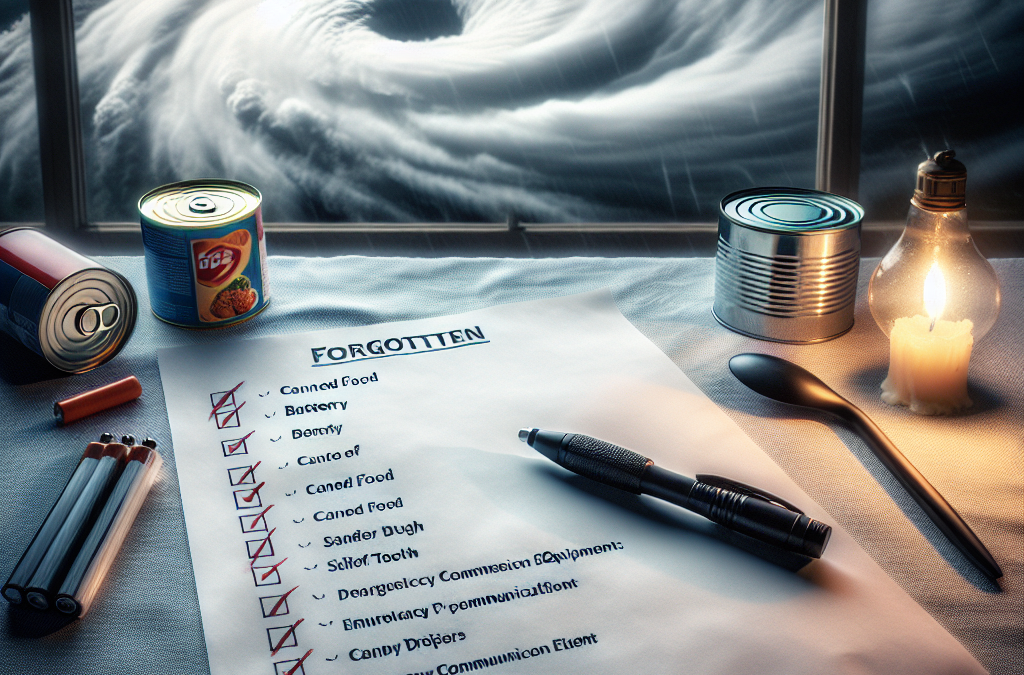
1. Emergency Supplies: More Than Just Water and Canned Food
Understanding Your Needs
When I first started prepping for hurricanes, I thought buying a few cases of bottled water and canned beans was enough. I quickly learned that emergency supplies go beyond the basics. First off, consider the specific needs of your family. Do you have young kids, elderly family members, or pets? Their needs may require additional supplies.
For example, I realized that I hadn’t thought about my dog’s food and medication. Pet-friendly preparations are vital because a hurricane can last several days. Make sure to stock up on food and other essentials specific to your pets to avoid scrambling last minute.
Think about adding personal items like toiletries, hygiene supplies, and any specific medications that your family members take regularly to your emergency stash. Keeping a well-rounded supply kit is key, trust me.
Non-Food Items That Matter
Next, let’s expand our minds beyond food and water. Items like flashlights, batteries, first aid kits, and blankets should also be high on your list. I once found myself fumbling around in the dark because I didn’t have enough working flashlights. You’d be surprised how unsettling it feels to be without light during a storm!
Charging devices is another big deal. Ensure you’ve got portable chargers and charging cables to keep your phones and other devices powered. In our tech-heavy society, communication can be a life-saver, especially in emergencies.
And don’t forget cash! ATMs and card machines might not work during a power outage, so having some cash on hand can really save your neck. It’s a little thing that makes a big difference!
Regularly Update Your Kit
Just like that old can of beans you find in the back of your pantry, your emergency supplies need refreshing too. I’ve learned the hard way that items in my kit can expire or degrade over time. Checking your supplies at least twice a year helps ensure you’re not left high and dry.
Make it a family activity! Update your kit together, and even encourage kids to get involved. They’ll enjoy picking out which snacks to include or getting to pack their favorite toy. This can help them feel less anxious about the impending storm, too.
Trust me when I say that your emergency supplies can become a lifesaver when preparation meets planning. So keep it stocked, relevant, and ready for action.
2. A Family Communication Plan is Essential
Setting Clear Roles
The chaos of a hurricane can turn calm family members into frantic kids in no time. Having a clear communication plan helps keep everyone in the loop about what to do. Each family member should know their role, whether it’s ensuring pets are secure or fetching supplies.
When I made my emergency plan, I realized I needed to detail who was in charge of different tasks. Assigning roles helps eliminate the “who’s doing what” confusion that can lead to chaos during stressful times.
If you’ve got older kids, let them help out! This could be a great opportunity to teach them about the importance of emergency preparedness by giving them a little responsibility.
Deciding on Meeting Points
Where’s the first place you’ll meet up if you get separated? Have those conversations before the storm hits. I’ve heard too many stories of families trying to reconnect in the maelstrom of a hurricane without any clear agreement. It just leads to confusion and panic!
It’s helpful to choose a spot that’s recognizable and easy to get to, like a neighbor’s house or even a local landmark. Write this meeting point down and share it with each family member before the chaos hits.
Even if you think, “Oh, we’ll just stick together!” trust me – when the wind is howling, and everything’s flying around, those plans can change fast. Better to have a backup plan!
Keep in Touch and Reassess
Lastly, how are you gonna communicate? Consider whether you’ll be able to use your cell phone or if you’ll need to resort to alternative methods. Social media platforms or messaging apps can be lifesavers if voice calls aren’t an option. I’ve started using group messaging apps to keep everyone updated during stressful situations.
I’d also suggest downloading emergency apps that will keep you informed. The last thing anyone wants is to be cut off from crucial safety information, especially when hurricanes change course or intensify without much warning.
Planning ahead with communication tactics in mind can help everyone feel a little more secure no matter what’s blowing around outside.
3. Don’t Forget Your Insurance Policies
Review Coverage Regularly
Insurance isn’t the most exciting topic, but trust me – it’s crucial when a hurricane is on the way. Take the time to review your homeowner’s or renter’s insurance coverage. I learned that the hard way; having the right coverage can make all the difference when recovering from damage.
Don’t just glance at it once and put it away! I recommend sitting down once a year to really dive into your policy. Are you covered for flooding? Wind damage? If not, you might want to consider additional coverage, especially if you live in zones prone to hurricanes.
After all, you want peace of mind before the storm, not a headache afterward, right?
Get Everything Documented
Take a bit of time to document your possessions through photos or videos. I always keep a digital copy of all my important documents in the cloud. Being able to verify what was lost prevents headaches during claims later on.
I also have crucial documents saved on a USB drive that I keep in my emergency kit. Birth certificates, insurance papers, and home inventory lists are all things that can be lost amid the chaos if you’re not careful.
Know what you’re likely to need because clarity shines in stressful situations. This might save you a world of trouble in the long run.
Understand the Claims Process
It’s worth letting you in on a little secret: understanding the claims process is essential to make sure you get what you’re owed without getting lost in red tape. I took time to educate myself about how claims work in my area, so I wasn’t caught flat-footed when I needed help.
Reach out to your insurance company and become familiar with their procedures. Knowing what to expect can ease a lot of stress when you’re already dealing with the aftermath of a storm.
Plus, make sure to ask questions regarding anything you’re unsure about. Being proactive helps ensure you’re more prepared for whatever comes your way.
4. Create a Home Safety Plan
Reinforcing Your Home
Ever since I’ve moved to a hurricane-prone area, I became a fan of reinforcing my home against storms. Investing in reinforced doors and windows can be a game-changer. I used to overlook these things until I found out the hard way how fragile our homes can be!
Consider boarding up windows ahead of time or investing in storm shutters. This isn’t just for looks – it’s about protecting your home, your family, and ultimately your peace of mind.
Also, check your roof! Make sure there aren’t any leaks or loose shingles because a strong storm can wreak havoc. Taking these steps goes a long way in creating a safe space during a hurricane.
Know Your Evacuation Routes
Every family should know where to go if they need to evacuate. I used to think that “we’ll just go with the flow,” but having a solid plan is way better. Check local maps and identify the safest routes. Making a plan in advance relieves the stress of running against time during an evacuation.
It’s always a good idea to have alternate routes mapped out too. Sometimes even minor roads can become impassable, and having backup plans will keep you from being stuck.
Plus, I try to have a “go-bag” ready for evacuation. This should include essentials, supplies for the kids, and some snacks – because who wants to handle hangry kids during an emergency? Seriously, it helps!
Stay Informed and Alert
Staying updated during the storm action is crucial. I recommend signing up for local weather alerts and checking your region’s website for emergency updates. The situation can change rapidly, so being in the know helps tremendously.
Also, have a battery-operated radio, just in case your internet and cell service goes down. Hearing the news from someone can be comforting amidst the chaos.
Keep your family safe by creating a setup to gather the latest updates. It doesn’t hurt to have an emergency plan that focuses on information, as it can become vital to ensuring safety!
5. After the Storm: Don’t Neglect Recovery and Mental Health
Initial Safety Checks
After the storm passes, give your home that safety check. Start by assessing damage and checking for hazards like downed power lines or gas leaks. I remember my first experience post-storm; I was eager to power things back on but discovered that was a bad idea in some cases.
Ensure that emergency services have cleared your area before determining if it’s safe to return home. Waiting it out a bit for safety checks will save you tons of heartache later on.
Always prioritize safety, even after the worst has passed. It’s easy to get caught up in recovery activities, but keeping your family safe during the transition is key.
Take Care of Mental Health
Being hit by a hurricane can be overwhelming, emotionally and physically. Your family can experience varying degrees of trauma from the experience, so managing mental health is equally important. I suggest talking openly about feelings and fears with your loved ones post-storm.
Consider reaching out for professional help if needed. Familiar faces in the community can provide support, and local organizations often lend a helping hand during tough times. Remember, it’s okay to ask for help!
Additionally, building a routine once things calm down is critical. Stability can greatly benefit mental health, providing a sense of normalcy amid chaos.
Start the Recovery Process
Once you’ve assessed the damage, prioritize repairs and cleanup. I cannot emphasize enough how important it is to keep everything organized! I’ve tackled too many projects simultaneously and found myself overwhelmed. Break tasks down into smaller, manageable parts.
Connect with local assistance programs for those needing help and support. Sometimes, communities rally so beautifully during these times, forming bonds that last far beyond the storm.
Recovery isn’t just about fixing homes; it’s about restoring peace of mind as well. Take one step at a time, and you’ll navigate this journey successfully.
FAQs
1. What should I include in my emergency supply kit?
Your emergency kit should have water, non-perishable food, first aid supplies, flashlights, batteries, personal hygiene items, essential medication, and cash.
2. How can I stay informed during a hurricane?
Sign up for local weather alerts, and keep a battery-operated radio and apps on your phone for timely updates from local agencies.
3. Why is it important to have a family communication plan?
A communication plan ensures everyone knows their roles and where to meet if you get separated during the storm.
4. What should I do after a hurricane passes?
Conduct safety checks for hazards, take care of your mental health, and start the recovery process, making sure to seek help if needed.
5. How often should I review my insurance policy?
It’s wise to review your insurance policy at least once a year to ensure adequate coverage for hurricane-related damages.

by Preparation | Jul 6, 2025 | Preparedness
Hey there! Today, we’re diving into something that’s not just about fire alarms and evacuation routes—it’s about emergency drills. You might think they’re a bit boring or even pointless, but trust me, they can absolutely save your life. Let’s break down some of the major reasons why you should take emergency drills seriously. I promise, it’ll be worth your time!
Understanding Roles and Responsibilities
Team Coordination
One of the coolest things about emergency drills is how they teach you and your group to coordinate as a team. It’s not just about knowing how to evacuate; it’s about understanding where each person fits into the plan. When you practice these drills, it sets the stage for real-life situations where every second counts.
Think about it: during a real emergency, emotions can run high. Knowing who’s responsible for what can cut down the chaos significantly. For instance, if a fire breaks out, you might have one person responsible for getting everyone out while another checks for anyone needing help. Without those roles clearly defined, it’s a game of guesswork in a scary situation.
Plus, it fosters a sense of camaraderie. I mean, who doesn’t feel closer to a coworker after dashing out of the building together? Sharing those kind of experiences can build trust and teamwork that translate into a safer environment.
Clear Communication
Another golden nugget I’ve learned from emergency drills is the importance of clear communication. It’s essential to know how to convey messages effectively, especially under stress. During drills, you get to practice that—and you realize that everyone plays a part in keeping communication fluid.
From alerting your colleagues about a threat to updating them on safety protocols, good communication can make all the difference. I remember during one drill, our coordinator was incredible about making sure everyone was in the loop. It was a fun yet serious reminder of how crucial it is to stay connected.
So, here’s the deal: when you practice your communication skills in drills, you’re gearing up for any potential emergency. Whether it’s using a proper channel for alerts or simply hollering for help, knowing you can get your message through saves lives.
Situational Awareness
Diving into situational awareness, this is perhaps the most critical takeaway from any emergency drill. These practices help you identify exits, understand alarm sounds, and recognize the highest-risk areas in your environment. It’s like gaining a superpower!
In one of our recent drills, I became acutely aware of the layout of our office. I’d walked past those fire escape signs a million times without really looking, but during the drill, I was forced to pay attention. Knowing where to go and what’s around you in an emergency is definitely something I can’t stress enough.
Moreover, this awareness helps you stay calm. You won’t freeze because you’ve already envisioned the steps you need to take. You become proactive rather than reactive, and that’s a game-changer when chaos hits. Trust me, the more you practice, the sharper your instincts become.
Learning Proper Response Techniques
First Aid Knowledge
Let’s talk about first aid. Knowing the basics can really come in handy, and emergency drills often include training on how to handle injuries. It’s not just about knowing how to bandage a wound; it’s about understanding how to stabilize someone in critical condition until professionals arrive.
During one drill, we learned about CPR techniques, and wow, was that eye-opening. I mean, what if someone goes down and needs immediate help? Having at least a few people trained can truly make it feel like you’ve got a safety net. I know it sounds a bit intense, but being equipped with such knowledge really empowers you.
Also, imagine how much calmer you would feel in an actual emergency knowing you’ve got that training under your belt. It might be the difference between panic and action. Plus, it’s always a good conversation starter at parties!
Evacuation Procedures
Every drill includes lessons on evacuation procedures, and for a good reason! It’s one thing to hear about evacuation routes, but it’s another to practice them. I remember the first time I sprinted down those stairs, and it suddenly clicked how essential it was to know the path to safety. It’s like a mental map gets created in your head.
Understanding how to evacuate isn’t just about speed; it’s about knowing the safest routes and the alternative paths when a primary exit is blocked. Trust me, when you’re faced with smoke and confusion, that knowledge is like gold.
The other key takeaway? Always check your surroundings. You never know when you might need to adjust your route or help someone else get to safety. Each drill has reinforced the idea that preparation is preventative, and it reflexively builds our instinct to act in emergencies.
Psychological Preparedness
It sounds fluffy talking about psychological aspects, but drills really help with mental readiness. You may not realize it, but they condition your brain to handle emergencies. They mimic the adrenaline rush of real situations, which can really help you manage anxiety when something goes down.
When you know what to expect, it reduces panic levels. I can’t even count how many times I’ve seen people freeze during situations of shock. But those who participated in drills? They typically act with more purpose and precision. It’s a boost of confidence that’s hard to shake off!
Also, sharing experiences with others in the drill can create a supportive network. You’re all in it together, and it turns a scary situation into an empowering one. Who knew that practicing together would create such strong camaraderie?
Building Confidence in Crisis Situations
Calm Under Pressure
One of the most reassuring things I’ve experienced with drills is how they promote a sense of calm under pressure. The nervous energy fades when you realize you have gone through something similar before. When that test time comes, you can find your footing and keep moving along.
Believe me, there’s nothing wrong with feeling nervous—that’s totally normal! But, having gone through drills helps transform that anxiety into determination. You’re not paralyzed; instead, you’re ready to act when needed, and that’s a fantastic feeling.
It’s like preparing for a big game in sports; you can rehearse movements to a point where the pressure doesn’t faze you. The more confident you feel in responding to crises, the more effective you will be in helping yourself and others around you.
Problem-Solving Skills
Another surprising perk from these drills is the enhancement of your problem-solving skills. You’ll often have to think on your feet and make quick decisions under pressure. It’s a skill that translates to daily life, which I find super beneficial.
In one drill, there was a simulated explosion, and we had to decide quickly whether to leave or assist injured “victims.” Making those tough choices during a drill hones your critical thinking and gives you tools for additional problem-solving opportunities in non-emergency situations.
Every time you engage in a drill, you sharpen that instinct. You learn to assess risk and make choices that can save lives—now that’s a massive advantage in both emergencies and everyday life.
Promoting Community Preparedness
Lastly, drilling brings a community together and fosters preparedness. By encouraging participation, you’re not just prepping yourself—you’re arming your entire social circle with valuable skills. What’s better than being the epicenter of community safety?
When everyone has practiced together, it builds a neighborhood vibe where people look out for one another. Remember, emergencies don’t care about boundaries, so having trained buddies around enhances safety for everyone.
Engaging local organizations for community-wide drills can multiply this effect. It’s like creating a network of saver heroes, and frankly, who wouldn’t want to be a part of that? It creates a ripple effect aimed at keeping all of us safe.
Conclusion
So, there you have it! Emergency drills may seem tedious, but they’re a bold step toward ensuring you’re ready for just about anything life throws your way. From knowing evacuation routes to enhancing your problem-solving skills, these drills could literally save lives—maybe even yours!
I encourage you to be the champion of drills in your community or workplace. You don’t have to wait for a crisis to polish these skills; let’s keep our circle safer together. So, who’s in?
FAQs
- 1. Why should I participate in emergency drills?
- Participating allows you to gain essential skills, build confidence, and create a sense of teamwork and preparedness within your community. It’s all about being ready when the unexpected happens!
- 2. What are the main skills learned in emergency drills?
- Emergency drills build skills in roles and responsibilities, communication, first aid, evacuation procedures, and problem-solving behavior, helping you stay calm and effective during crises.
- 3. How often should emergency drills be conducted?
- It’s recommended to conduct drills at least once or twice a year. Regular practice ensures that information stays fresh, and people remain confident in their responses during emergencies.
- 4. Can emergency drills help with workplace safety?
- Absolutely! Not only does it prepare individuals for emergencies but it also fosters a culture of safety, teamwork, and assurance, making the workplace a much safer environment.
- 5. What should I do if I feel anxious about emergency drills?
- It’s perfectly okay to feel anxious! Take it as a chance to learn coping mechanisms and reach out to your coworkers or leaders for support. Remember, everyone’s there to learn and improve together!

by Preparation | Jul 6, 2025 | Preparedness
Increased Food Prices
Understanding Supply and Demand
One of the first things that come to mind when I think about food shortages is how supply and demand work. If there’s less food available, the prices naturally spike. I’ve seen this during various crises, where folks scramble to grab what they can, driving prices up dramatically. It’s like watching a stock market surge, but this time, it’s your groceries!
Let me tell you, if you’re not prepared for this unpredictability, it can hit your wallet hard. Imagine needing basic staples like rice or flour but finding that the price has doubled or even tripled overnight. Trust me, that’s a tough pill to swallow.
To avoid this, keeping a stockpile of essentials can save you not just money, but a lot of stress. You won’t have to rush to the store, and you can avoid those inflated prices when things get tight.
Long Lines and Empty Shelves
As someone who has been through the panic buying phase, I can tell you firsthand that the sight of empty shelves can be gut-wrenching. Picture this: you head into the grocery store expecting to grab some milk and bread, only to find that everyone else had the same idea! Long lines and bare aisles quickly become the norm during food shortages.
If you’re not prepared, you risk running out of necessary items. Plus, those long waits can eat up your precious time, leaving you frazzled and frustrated. It’s one experience I wish on no one!
By planning ahead, you can stock up on what you need without feeling that rush. You’ll have your essentials at home, and you won’t have to worry about the chaos as everyone else starts panicking.
Dependency On Others
Another downside to not preparing is becoming overly reliant on others. If food shortages hit and you find yourself without supplies, you’ll be dependent on what’s available around you. This dependency isn’t just about struggling to find food; it can also lead to vulnerability.
I’ve seen people feel uneasy about asking neighbors for help, and it’s tough to witness. It’s frustrating to know that you could have been self-sufficient if only you had prepped a bit more. You don’t want to find yourself in a position where you’re scrambling for help when you could have been covered.
Being independent means confidence. By stocking up before an emergency, you can stand your ground, knowing you have what you need without scrambling for assistance from others.
Health Concerns
Nutritional Deficiencies
When food becomes scarce, I worry about nutrition. If you’re not stockpiling nutritious food, your meals may lean towards whatever is available. This can lead to significant nutritional deficiencies, which is no joke, folks!
I recall a time when I let my pantry run low, and I ended up eating takeout way more often than I’d like to admit. It was only after a few weeks that I noticed a dip in my energy levels and overall mood. It’s easy to overlook this until it slaps you in the face.
To prevent these health issues, make sure to stock up on a variety of foods—nuts, grains, and canned veggies can be lifesavers. This way, you can keep a balanced diet, even during a shortage.
Food Spoilage and Waste
One aspect that saddens me about food shortages is the waste that can often accompany them. If you’ve got extra food that you’re not using, it can spoil and rot away. I’ve experienced this, where I had too much food that went bad before I could finish it. It’s a frustrating loss that can easily be avoided with better planning.
Understanding what you’ll realistically use can help mitigate spoilage. I started keeping track of what my family actually consumes, and it has helped tremendously. Not only do you save money, but you’re also reducing waste—good for your wallet and the planet!
So, while preparing is essential, knowing how to prep wisely is equally vital. Stock just enough to maintain a balance without relying on excess that can spoil.
Emotional Stress
One thing I can’t emphasize enough is the emotional toll of food shortages. The thought of having insufficient supplies weighs heavily on a lot of people, including me! The feelings of anxiety can be overwhelming, and I’ve heard this from friends and family as well.
No one wants to face the uncertainty of where their next meal is coming from. It affects your overall outlook, leading to stress not just for you but for those around you too. Keeping a well-stocked pantry can bring peace of mind as you know you’re covered.
I’ve found that staying prepared helps keep panic at bay, allowing me to focus on what’s truly important—family, well-being, and daily life without unnecessary stressors. Just think, with a plan in place, you can focus on enjoying life rather than worrying about potential shortages!
Conclusion
In retrospect, preparing for potential food shortages is not just a practical issue; it’s a holistic approach to ensuring well-being for yourself and your loved ones. From preventing financial stress to keeping yourself healthy, the benefits of being prepared really shine through.
So, whether it’s stocking up on non-perishables, ensuring a good balance in your pantry, or maintaining your peace of mind, carving out that preparation time is crucial. After all, you never know what tomorrow might bring!
Frequently Asked Questions
1. What are some essentials I should stock up on for potential food shortages?
Focus on non-perishables like canned goods, dry beans, rice, pasta, and grains, as well as some frozen fruits and veggies. Having a variety also helps with nutritional balance!
2. How can I avoid food spoilage when stocking up?
Keep track of what you buy and rotate stock, using older items first. Make sure you’re not over-purchasing items that have a short shelf life.
3. What’s the best way to handle food shortages emotionally?
Being prepared ahead of time can significantly reduce anxiety. Additionally, practicing mindfulness and focusing on what you can control will help. Surrounding yourself with supportive people is key!
4. How should I budget for stocking up on food?
Set a monthly budget for pantry staples and gradually increase your stock over time. This method helps ease financial stress and allows you to prep without breaking the bank!
5. Can I rely on my community during food shortages?
While community support can be valuable, it’s best not to fully rely on it. Prepping ensures you’re self-sufficient and reduces pressure on others during tough times.

by Preparation | Jul 6, 2025 | Preparedness
1. Aligning with Safety Regulations
Understanding Compliance Requirements
When I first started getting into emergency preparedness, the maze of safety regulations overwhelmed me. Every location, be it a school or an office, has specific requirements. Understanding these is critical if you want your drills to be effective and compliant. Familiarize yourself with the local laws and codes; trust me, it’s worth the investment of time.
Make it a point to regularly check if there are any updates or changes to these regulations. Policies can evolve, and what was compliant six months ago might not be anymore. Establishing this as a routine part of your safety oversight keeps your drills relevant and compliant.
Additionally, seeking guidance from safety professionals or attending workshops can give you insights that regulations might not capture, ensuring you’re not missing out on best practices.
Tailoring Drills to Specific Requirements
Not every organization can treat emergency drills the same. For example, what works for a high-rise building might differ significantly from a community center. Identifying the specific needs of your space allows you to tailor your drills accordingly. It’s essential to include features such as accessibility for those with disabilities and considering age demographics.
Moreover, engaging your team in these conversations can offer fresh perspectives. They might bring up challenges you’ve never considered, helping to make your drills even more comprehensive and inclusive.
Remember, drills that lack relevance or fail to accommodate the unique characteristics of your environment can lead to disengagement. Ensure that your team knows their safety is top priority; this helps them invest emotionally in the training process.
Scheduling Regular Checks
I can’t stress enough the importance of regular practice drills. Some organizations might think a one-time drill suffices, but that couldn’t be further from the truth. Make a schedule for periodic drills—quarterly works well for many. Keeping this routine not only reinforces learning, but builds muscle memory.
Also, don’t forget to document these drills! Having a log of progress helps pinpoint areas in need of improvement and serves as a great reference green board during audits or inspections.
Plus, it’s an opportunity for a team-building experience! Just imagine the camaraderie and team spirit that can emerge when everyone knows what to do in case of an emergency.
2. Assessing Team Readiness
Identifying Knowledge Gaps
When I first began organizing drills, I quickly realized that not everyone shares the same level of awareness about emergency procedures. By conducting little assessments or asking questions during meetings, you can identify where knowledge gaps exist. This helps you refocus the training efforts on those crucial areas.
Visual aids and interactive sessions can also enhance understanding. Engaging activities where teams actively participate can immediately boost comprehension and awareness.
Additionally, don’t hesitate to ask for feedback after drills. If your team has suggestions or elements they didn’t understand, work them into your future sessions. Learning is an ongoing process!
Boosting Comfort Levels
Emergency situations can be tense, so creating a comfortable environment for participants is a must. When organizing drills, I always make an effort to balance seriousness with a relaxed atmosphere. When people feel at ease, they’re more likely to absorb the material and take the scenarios seriously.
A good practice is to allow everyone to ask questions, no matter how trivial they may seem. A friendly Q&A session after each drill session can reinforce learning and ease anxiety about the unknown. The goal is to boost their confidence in real emergency situations.
Another way to achieve this? Simulate realistic scenarios without the intense pressure. Casual walkthroughs help everyone envision the steps without that pressure cooker intensity approaching.
Incorporating Real-Life Scenarios
I’ve found that integrating real-life experiences into your drills makes a significant impact. When people can relate to situations more personally, it feels less like a chore and more like necessary training. Collect stories or insights from those who have faced challenges and share these with your team.
Of course, you’ll need to remain sensitive to participants, so approach this tactfully. Not all experiences will be easy to hear, but sometimes the facts can hit home better than theory.
Conducting debriefs after drills, where participants can share their thoughts, enriches these experiences. This can foster a culture of openness and continuous improvement within your organization.
3. Seasons and Specific Events
Utilizing Seasonal Changes
Let’s face it: seasons affect our behavior and readiness. Winter storms, summer heatwaves, or spring floods can all change the landscape of emergency preparedness. Planning drills according to these seasonal challenges can raise awareness and make them more relevant.
For example, conducting fire drills in the spring as landscaping changes can help highlight the importance of keeping emergency exits clear. It’s about seizing those opportunities when they arise!
Alternatively, consider having themed drills that coincide with specific seasons. Halloween can be a fun time to incorporate safety talks regarding fire hazards, and summertime can focus on outdoor emergency preparedness.
Responding to Local Events
I very much believe in rolling with the flow of what’s happening in the community. If there’s a significant event going down, like a local festival or a national holiday, use that as a chance to run relevant drills. This not only showcases your readiness but can also boost morale and community spirit.
Thinking outside of the box is key here. Local emergencies or disasters might prompt discussions about additional drills centered around natural disasters or even active shooter situations. You never know what discussions can spark change.
Consider collaborating with local emergency services for joint drills. These partnerships create community ties and provide real insights into how emergency management works more broadly.
Engaging the Community
One of the most fulfilling parts about running emergency drills is sharing knowledge with the community. This turns training into a more communal approach and can really empower participants. In my experience, hosting open drills where anyone can join encourages a larger safety net.
During these community drills, remember to use a mix of instructional techniques. People learn differently, so employ visual, auditory, and kinesthetic strategies to accommodate everyone.
Following up these drills with printed materials can help folks remember what they learned, as many of us tend to forget details post-drill. Plus, it offers something they can reference as they share their new knowledge with others.
4. Evaluating Drill Effectiveness
Gathering Feedback
It’s crucial to get input after each drill. Reflecting on what went well and what could be better will only serve to improve future sessions. I typically encourage participants to share their feelings openly; it creates a trusting environment and encourages constructive criticism.
Creating easy-to-fill-out feedback forms can make it less intimidating for folks. They’re often more honest when they can express themselves quietly, so be open to their thoughts! You’d be amazed at the insights they can provide.
Incorporating regular feedback loops helps build a culture where everyone feels their opinions truly matter. Trust me, it can lead to a more engaged team.
Simulating Real-World Conditions
If there’s one thing I’ve learned from running drills, it’s the power of realism. While it’s essential to cover basics, simulating actual conditions can enhance preparedness in remarkable ways. How will they adapt when the real deal hits? That’s the question I always ask myself!
This might mean timing drills at unpredictable hours or reducing participants’ clarity on what’s happening. The chaotic elements can prepare them better for real-world scenarios where things are often unpredictable.
After each drill, evaluating the responses during those simulated conditions serves as a powerful learning tool, emphasizing the importance of adaptability and resilience.
Iterating on Future Drills
The best part of evaluating drill effectiveness is taking actionable steps moving forward. I’ve made it a habit to draft an action plan based on feedback, simulation data, and overall evaluation. Having a tangible plan helps ensure you’re not repeating outdated practices.
Don’t hesitate to revamp the schedule if needed. If you discover month after month that everyone struggles with a specific aspect, make an adjustment to help facilitate growth and improve overall readiness.
Running drills isn’t just about fulfilling requirements; it’s about nurturing a culture of safety in your organization. Make sure you iterate continuously to achieve this long-term goal.
5. Keeping the Team Motivated
Engaging and Rewarding Participation
Let’s face it: emergency drills aren’t always the most exhilarating of activities. To keep spirits high, I often think up creative and fun ways to implement these drills. Asking for themed costumes or maybe friendly competitions can spice things up a bit!
Moreover, offering small rewards for participation—like snacks or fun certificates—can do wonders for motivation. Everyone appreciates recognition for their contributions, and it helps cultivate a sense of camaraderie.
Also, sharing the results and any positive outcomes that stem from successful drills can give your team a sense of ownership. Show them how their efforts directly contribute to a safer workplace!
Establishing Continuous Learning Opportunities
You know what keeps the fire burning? Continuous learning! Consider incorporating brief, engaging safety seminars or workshops throughout the year. Reminding everyone about new advancements or regulations can keep your culture fresh and engaging.
Incorporating storytelling can also enhance retention. Sharing relatable experiences from emergency professionals can create an insightful environment that keeps your team plugged in. These stories often resonate more than fact-filled presentations, leaving a lasting impression.
As people become more informed and engaged, they tend to take these lessons to heart, creating a more vigilant team ready to respond during emergencies effectively.
Cultivating a Support System
No one wants to feel like a lone sailor during emergency situations, right? Establishing a robust support network is critical in promoting overall morale. Team members should feel confident reaching out to each other and supervisors when it comes to safety and readiness discussions.
Being approachable opens up the discussion for issues, fears, or questions that may arise. I always try to foster an environment where my team knows their concerns are valid and worthwhile.
Encouraging communication among the team breeds trust, leading everyone to feel collectively responsible for their safety and preparedness. Plus, that sense of belonging can keep spirits high during the most mundane drills.
Frequently Asked Questions
1. How often should we conduct emergency practice drills?
It’s generally a good idea to conduct drills at least quarterly. However, depending on the type of organization, more frequent drills may be advisable, especially if your team undergoes changes or new regulations come into play.
2. What kinds of emergencies should we focus on during drills?
You should tailor your drills to the most likely emergencies your organization may face. This could include fire, natural disasters, medical emergencies, or active shooter situations.
3. Should participants receive training before drills?
Absolutely! Providing introductory training can help participants know what to expect and enhance the overall effectiveness of the drills.
4. How can I keep participants motivated during drills?
Incorporating fun themes, reward systems, and continuous learning opportunities can help keep the motivation high. Keeping the environment light and engaging makes the experience much more enjoyable for everyone!
5. What should I do after drills are completed?
After any drill, it’s crucial to gather feedback, assess effectiveness, and develop action plans for improvements. Celebrating successes and addressing areas for growth ensures your team continuously improves and stays prepared.
by Preparation | Jul 6, 2025 | Preparedness
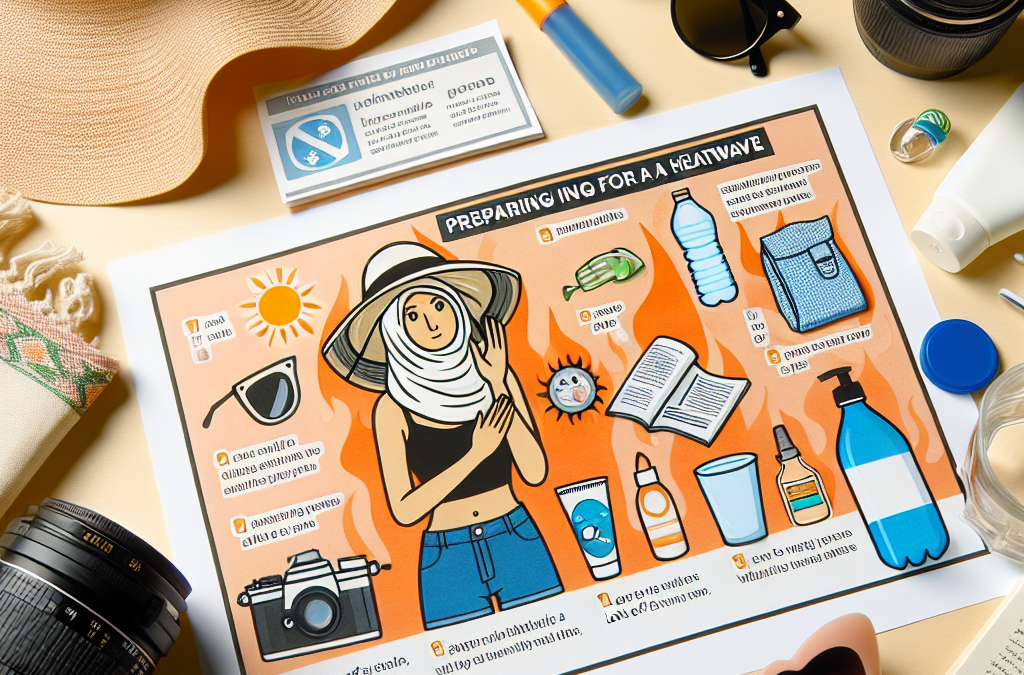
Preparing for a Heatwave: What You Need to Know
Preparing for a Heatwave: What You Need to Know
Here are the top 4 semantic keyword phrases for this article:
- Stay Hydrated During Extreme Heat
- Protecting Your Home from Heat
- Heat Safety Tips for Vulnerable Groups
- Planning Ahead for a Heatwave
Stay Hydrated During Extreme Heat
Importance of Staying Hydrated
Let me tell ya, staying hydrated during a heatwave is no joke. I’ve learned the hard way that when temperatures soar, your body needs extra fluids. Water is your best friend; it helps regulate your body temperature and keeps everything running smoothly. Not staying hydrated can lead to heat exhaustion or worse, and trust me, I’ve seen it happen!
When it’s blazin’ outside and you’re sweating like crazy, water alone sometimes doesn’t cut it. Your body is losing more than just H2O; you’re losing electrolytes too. So, I like to mix things up with some electrolyte drinks. They help replenish what you’re losing, keeping those cramps at bay.
Remember, hydration isn’t just about drinking water when you’re thirsty; it’s a constant process. I keep a bottle with me all day. Set reminders if you need to—trust me, you’ll feel so much better for it.
Tips for Staying Hydrated
As a pro tip, always carry a reusable water bottle when you’re out and about during a heatwave. I’ve found that filling it up before heading out becomes a little ritual for me. Whether I’m going for a walk or just chilling in the backyard, this habit has helped me stay on top of my hydration game.
Another strategy I use is eating water-rich foods. Fruits like watermelon, cucumbers, and oranges are not only refreshing but also packed with water. I often toss a fruit salad together or blend smoothies that keep me cool while hydrating at the same time!
Lastly, avoid drinks that can dehydrate you like alcohol or caffeinated beverages. I’ve fallen into that trap, thinking a cold drink will cool me down. Instead, I opt for flavored water or iced herbal teas that taste great and keep me hydrated.
Protecting Your Home from Heat
Creating a Cool Environment
I can’t stress how crucial it is to keep your home as cool as possible during those scorching heatwaves. It’s all about creating a comfortable oasis. I started using blackout curtains in my windows. They help block out that blazing sun, reducing the indoor temperature significantly.
Ceiling fans are another lifesaver. I make sure to have them going all the time. If you reverse them, they can even circulate cool air better! You wouldn’t believe how much a little airflow can help.
If you have air conditioning, keep it running, and don’t forget to clean those filters regularly. I learned this lesson after one sweltering summer when my AC barely worked because I neglected its maintenance. Keep your system in good shape to survive the heat!
Sealing Up Your Home
Another thing that worked wonders for me was sealing up any drafts. I’ve gone around my house with a can of caulk, sealing up windows and doors. It sounds tedious, but it can really keep that cool air from escaping, making it feel like a sanctuary indoors.
Also, keep heat sources to a minimum. I try to use my oven less and stick to cooler meal options. Your stovetop and oven create extra heat in the house, so I often rely on my trusty slow cooker or grill outside during the summer months.
Plus, don’t forget to hydrate your plants. They help cool down your environment too! I’ve grown a little herb garden, and besides giving me fresh herbs for cooking, I feel like they create the perfect little green space that helps lower the overall temperature inside.
Heat Safety Tips for Vulnerable Groups
Understanding Vulnerable Groups
When it gets hot outside, certain folks are more vulnerable than others. I’ve seen firsthand how heat affects the elderly, infants, and those with chronic illnesses. They’re at a higher risk for heat-related illnesses, so being aware can make a huge difference.
If you have elderly neighbors or family, checking in on them during extreme heat is crucial. A simple phone call can let them know you care and remind them to stay hydrated and inside as much as possible.
For parents, keeping an eye on your little ones is equally important. They don’t always know when they need a break from the heat. I always set timers when my kids are playing outside so they can come in for a cool drink and rest.
Creating Safety Plans
Making a heat safety plan is something I’ve found helpful for my family. We discuss where they can go if it gets too hot. If we don’t have air conditioning, we’ve identified public places like libraries or community centers as our go-to’s during a heatwave.
Having a buddy system worked well for me, too. Keeping an eye on each other can save you from potential heat emergencies. My friends and I often check in on one another during those hot days; it’s a great way to stay connected and safe.
Don’t forget about pets! They can also suffer from heat stress. I make sure to provide plenty of water, and keep them indoors during the hottest hours of the day, just like I do for myself.
Planning Ahead for a Heatwave
Monitoring Weather Reports
Planning ahead for a heatwave isn’t just about stocking up on ice cream. I’ve learned to check the weather regularly, especially during the summer months. Trust me; being prepared can really take the sting out of those hot days.
Weather apps can be your best friend. I have one on my phone that sends me notifications about excessive heat warnings. Being one step ahead allows me to plan my day better, whether that means changing my usual outdoor plans or making sure I have extra ice in the freezer.
Listening to local news can also provide you with updates about heatwave resources. Often, they announce cooling centers or special programs for those who may need assistance during high temperatures.
Stocking Up on Supplies
Another pro tip is to stock up on supplies before the heatwave hits. I always keep bottled water, electrolyte drinks, and non-perishable snacks around. You never know when you might get stuck inside due to a heatwave, and it’s great to have a little stash!
Don’t forget sunscreen and hats if you must venture outside. The last thing you want is to end up with a sunburn. I’ve been through that, and let me tell you, it’s no fun.
Additionally, having a first aid kit handy is a smart move. You might not need it, but it’s better to be safe than sorry. It’s always a relief when I know I have the basics ready just in case someone feels unwell or encounters heat exhaustion.
FAQ
What are the best drinks to stay hydrated during a heatwave?
Water is your top choice, but you can also go for electrolyte drinks or smoothies that have water-rich fruits. Keeping your hydration fun is key!
How can I cool my home effectively without AC?
Using blackout curtains, fans, and sealing drafts can significantly cool your home. Plus, cook less indoors during the heat of the day to keep the temperature down.
What should I do if I have a vulnerable person in my care during a heatwave?
Check in on them regularly, help them stay hydrated, and create a safe environment for them indoors. Planning visits to cooling centers if necessary is always a good idea!
How can I prepare for an unexpected heatwave?
Monitor weather reports, stock up on water and snacks, and ensure you have supplies ready, including first aid kits and hydration options. Planning ahead makes all the difference!
by Preparation | Jul 6, 2025 | Preparedness
Assessing Your Needs
Understanding Your Household
Before diving into food storage, I always like to take a good look at my household dynamics. How many people are eating here? What are their favorite meals? Are there any dietary restrictions? Knowing this helps ensure that I’m stocking up on food that we’ll actually enjoy. Trust me, you don’t want to be in a situation where you have six cans of lima beans and nobody wants to eat them!
It’s important to survey the tastes and preferences of everyone in your household. Ask questions, have a family meeting, and get everyone on board with the ideas you’re cooking up. It saves so much time and heartache when the food you’ve stored gets gobbled up instead of tossed.
Also, consider potential emergencies. Do you live in an area prone to natural disasters? If so, you might want to build a more robust plan. Understanding your needs upfront sets a solid foundation for everything you’re about to do in this process.
Calculating Your Food Requirements
Once I’ve assessed my household, the next step is figuring out just how much food I need. Typically, I calculate based on three meals a day for three months. Sure, it sounds slightly overwhelming, but we can break it down! A simple spreadsheet can help track what you have and what you need.
A good rule of thumb is to aim for about 2,000 calories a day per adult, but this can vary based on lifestyle and health requirements. I also take into account snacks for those late-night cravings! I love keeping some cookies or chips handy because, let’s be real, they’re too hard to resist.
At this stage, I jot down categories of food: proteins, grains, fruits, vegetables, and dairy. From there, I estimate how many servings of each category I’ll need. For example, if we need 120 servings of grains over three months, I can start calculating how many bags of rice, pasta, or oats I’ll have to stock up on.
Watching for Dietary Restrictions
As I’ve mentioned, it’s critical to keep an eye on dietary restrictions—if you have them! If a family member is gluten-free or vegan, try to include substitutes in your food storage plan. Luckily, there are many options available today, but that was not always the case.
I like to compartmentalize my shopping list to make sure I’m accounting for everyone’s needs. If you’ve got a picky eater, plant-based options can sometimes save the day while still being appealing to others in the family.
Ensure you have a variety of foods that are accessible for everyone. Not only does it make mealtimes easier, but it encourages a sense of inclusivity when everyone is stocked with their favorites!
Choosing the Right Foods
Long-lasting Items
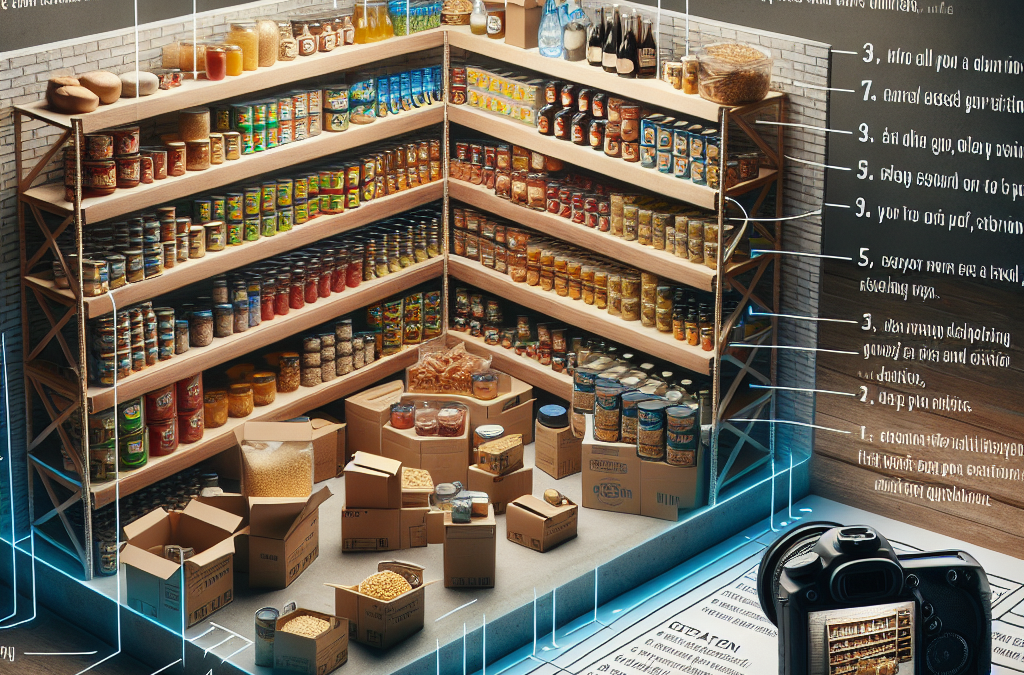
When I venture into selecting foods for my storage, I focus on shelf-stable items. Rice, beans, canned goods, and pasta are staples that I can rely on. I like to purchase food in bulk for savings, but you can also look for sales or use coupons to make it more budget-friendly.
Ensure that you check expiration dates. I know it seems tedious, but no one likes to discover that they only have month-old snacks stashed away in their pantry. A rolling rotation system usually works wonders; I try to use the oldest items first, so nothing goes to waste.
Consider high-nutrition items too. Foods like peanut butter or powdered milk can add substantial energy boosts while sitting on the shelf. The more varied the nutrition, the better equipped you’ll be for any occasion!
Incorporating Variety
If you’re anything like me, variety is key. The last thing I want is a food storage plan that feels like a boring diet. I love mixing things up with flavored rice, different kinds of pasta sauces, and seasonings. This keeps me excited about cooking and trying new recipes!
Incorporating various cuisines can also make meal planning way more fun. I use spices and sauces to transform basic ingredients into worldwide meals, making it easy even when I’m pulling from long-term storage.
Plus, variety helps prevent burnout. If you’ve stored the same bland ingredients, mealtime can quickly feel stale, and nobody wants that! So think creatively and stock up on spices, herbs, and versatile bases that will keep your taste buds tantalized.
Add in Preservatives
Long-term food storage often requires some preservatives. Items like vinegar, sugar, and salt can help enhance the shelf-life of foods, especially if you’re considering canning or pickling. I’ve recently gotten into experimenting with preserving vegetables—what a game-changer!
Again, I recommend double-checking what you’re buying and how to store it properly. For example, sugar can effectively prevent spoilage in certain fruits, whereas salt can help with proteins.
Always follow guidelines or recipes when it comes to preserving food, as it’s essential for safety. It’s a bit of a science project but totally worth the effort when you can crack open a jar of homemade pickles later on!
Storing Your Foods Properly
Choosing the Right Containers
Oh boy, this is where the fun begins! I love finding the perfect containers to organize my food storage. Glass jars, sturdy plastic bins, and vacuum-sealed bags are my go-tos. They keep foods safe from pests and moisture, making it easier to maintain quality over the months.
Make sure all containers are clearly labeled with the contents and expiration dates. I create a system where I can easily check what I have on hand instead of digging through a mountain of mismatched containers. Clarity is everything!
Also, consider your space. I optimize storage by stacking where possible and using underutilized areas like under beds or in storage closets. Just because it’s food storage doesn’t mean it has to look cluttered!
Optimal Temperature and Environment
Storing food correctly really comes down to temperature and environment. I always ensure my storage area is cool, dark, and dry. A basement or a pantry away from direct sunlight is perfect. Too much heat can spoil your goods before their time.
It’s also good to monitor temperature swings. If you live in an area with extreme seasonal changes, consider investing in a thermometer and humidity gauge. You can avoid unnecessary mishaps caused by environmental factors.
Take stock of how foods are performing over time. It might be worth your while to check in on them every month, reshuffling and rearranging if needed to prolong their life better.
Regular Maintenance
One thing I can’t stress enough is regular maintenance. Don’t think about your food storage as a ‘set it and forget it’ kind of deal. At least once a month, I like to do a quick inventory check to ensure everything is good to go and nothing is nearing its expiration date.
Also, do a taste test every once in a while. Using some of your stored food in regular meals can help prevent surprises when you’re in a pinch. Plus, this way, it’s integrated into your lifestyle rather than just sitting in storage.
Finally, keep learning! There are always new methods and ideas out there about food preservation. Keeping yourself educated is key to a sustainable food storage plan!
Creating a Meal Plan
Working with What You Have
Now, this is where the magic happens! Every month, I sit down to create a meal plan using the food I have in storage. I find it’s a great way to ensure variety while minimizing trips to the grocery store. Plus, it helps keep waste down.
I usually do a few different lists—one for breakfast, lunch, dinner, and even snacks. It’s awesome knowing that I can whip something up without having to run out for last-minute ingredients.
At times, I like to introduce themed nights—Taco Tuesday, Pasta Night, or Stir-fry Saturday! It gives a bit of structure to my meal planning while making it fun every week!
Incorporating Fresh Items
While I’m all about long-term food storage, I don’t forget about the importance of fresh ingredients! I love to incorporate fresh vegetables and fruits into my meals when I can. This could be buying local produce or growing a little garden of my own.
Knowing which fresh ingredients pair well with your staples can make meals pop. Think about complementing dried beans with some fresh herbs or combining grains with seasonal veggies to elevate your dishes.
It’s important to be resourceful! I also recommend managing what fresh foods you have and how quickly they might spoil. Make sure they fit into your meal plans while they’re fresh and vibrant!
Planning for Variety
Finally, I always emphasize variety in my meal plans. Mix things up with cuisines, flavors, and ingredients. It helps not to get into a food rut where you’re dreading the same old meals.
One trick I picked up is to create a “swap” for meals. Like, if we’re having chili one week, I’ll consider a chili-like recipe with different ingredients the next. It creates excitement and keeps things interesting.
Creative planning is key! I get the family involved to choose themes or suggest meals, which makes everyone feel included and eager to try new things. It’s a great team effort!
Reviewing and Adjusting Your Plan
Checking Inventory Regularly
The only way to improve is to review, right? I make a habit of checking my inventory during my monthly meal planning. If you notice some things are consistently not getting used, this is your cue to adjust. Let’s face it, we can’t store unpopular items indefinitely.
I also create a little chart on my fridge that helps me track what’s being eaten and what’s just sitting there. Every month is an opportunity for an adjustment, and I love it!
Keeping an open mind when reviewing your inventory will allow improvements and keeps things fresher in your storage and plans. It’s about finding what works best for you and your household.
Feedback from Family and Friends
Involving family and friends in discussions about meal plans and what they love keeps things collaborative and engaging. Sometimes I’ll sit down for a meal together and will ask what everyone thinks about a certain dish or how it could be tweaked.
In sharing feedback, I learned something interesting: I could introduce new flavors that nobody knew they’d like! Sometimes it’s about trial and error, and I say bring it on!
Receiving insights allows you to adapt your food storage plan and make it more appealing to everyone involved. This inclusion fosters a sense of community and satisfaction around meals.
Staying Informed on New Options
Food trends change, and so do our tastes! I make it a point to stay updated on new food options or preservation techniques emerging in the market. It’s exciting to discover what’s out there!
By reviewing new recipes or even learning about alternative foods, I not only enhance my storage plan, but I expand my cooking repertoire. Who knew that I could incorporate so many textures and flavors from varying regions?
Learning is a journey, and keeping up with the latest trends gives food storage a fresh vibe while ensuring I’m continuously improving my practices.
FAQ
1. How long can food be stored?
Food can last for several months to years, depending on the type of food and storage conditions. Properly stored and monitored, many items can be eaten safely even after long periods.
2. What items are best for long-term food storage?
Staples like rice, beans, canned goods, pasta, and freeze-dried foods tend to have longer shelf lives and are great for storage. These foods provide essential nutrients and are versatile for meal planning.
3. How can I keep track of inventory?
Creating an inventory list on your computer or even a simple chart on your fridge can help you stay aware of what you have. Regular checks during meal planning can also help manage what’s left.
4. Can I store fresh produce long-term?
While fresh produce generally has a shorter shelf life, learning preservation techniques like canning, freezing, or dehydrating can help extend their usability in your food storage plan!
5. How do I avoid food waste in storage?
By carefully planning meals based on what you have and practicing regular inventory checks, you can significantly reduce waste. Engage your family in meal planning to ensure everyone’s tastes are considered!




