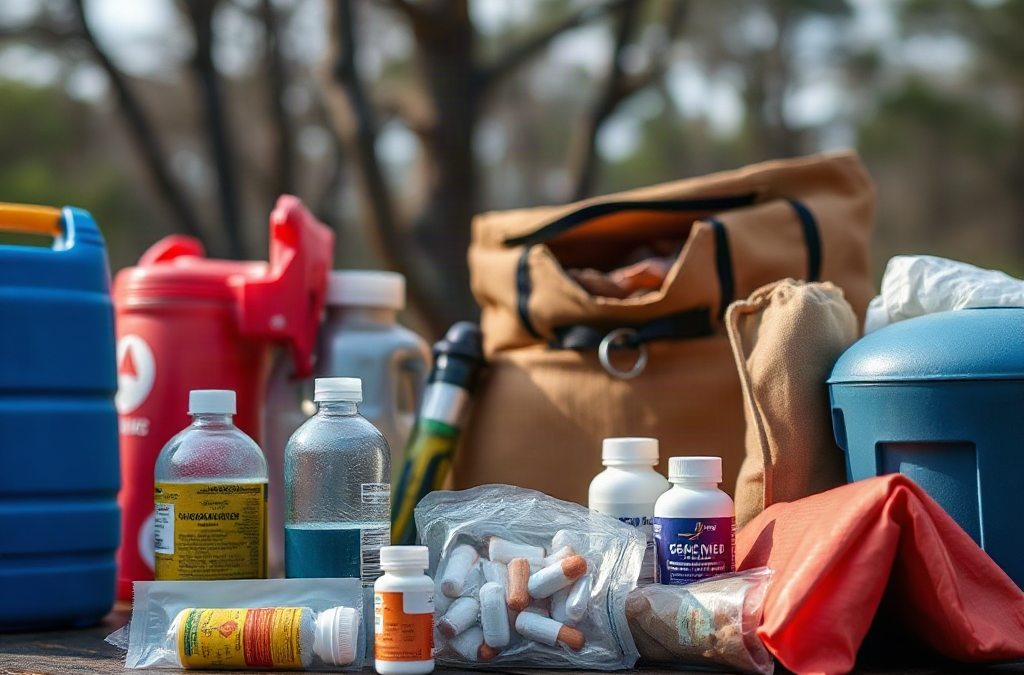
A doomsday preparedness checklist focused on realistic risks should prioritize water, food, medication, sanitation, communication, power, and safe shelter for disruptions such as severe storms, wildfire, earthquakes, outages, supply delays, and public-health emergencies. Store water first, then add shelf-stable foods, prescription backups, lighting, batteries, first-aid supplies, and sanitation items that match your household’s needs. Pair supplies with skills, including shutting off utilities, using radios, treating minor injuries, and deciding when to shelter or evacuate. Test the plan through short outages and revise it when expiration dates, medical needs, household members, or local hazards change.
Build Around Likely Disruptions, Not Movie Scenarios
A useful doomsday preparedness checklist begins with the disruptions most likely to affect your location and household. Severe weather, extended power outages, wildfire smoke, earthquakes, flooding, transportation interruptions, cyber incidents, and temporary supply shortages usually create more immediate planning needs than an imagined total collapse. The goal is not to predict one dramatic event; it is to remain functional when normal services become unreliable.
Local conditions should shape the order of your decisions. A household in an earthquake zone may need shoes, gloves, a wrench for utility shutoffs, and a way to communicate when roads are blocked. A rural home may need backup heat, animal supplies, and extra fuel-handling precautions. An apartment resident may have less storage but greater access to nearby services, making compact water storage, lighting, evacuation information, and building-specific planning more valuable.
Separate three planning horizons: the first 24 hours, several days without normal services, and a longer period of partial recovery. The first horizon is about immediate safety and information. The second depends on water, food, medicine, hygiene, lighting, and temperature control. The third may require money, transportation, replacement documents, community coordination, and the ability to adapt as stores, utilities, or workplaces reopen unevenly.
Avoid treating every hazard as identical. Sheltering during a winter outage requires different equipment from evacuating ahead of a wildfire. A go-bag supports rapid movement, while a home cache supports staying put. Linking each item to a specific scenario prevents expensive purchases that occupy space but do not solve a real problem. Review local emergency alerts, evacuation routes, building rules, and utility procedures before choosing specialized equipment.

Prioritize Water, Food, Medicine, and Sanitation
Water deserves the first storage priority because people need it for drinking, food preparation, medication, and basic hygiene. Keep commercially packaged water or safely stored containers in a cool, accessible location, and account for pets, infants, older adults, and anyone whose health needs increase fluid or sanitation requirements. Storage is only useful if containers can be moved without injury and if household members know where they are.
Food should be familiar, shelf-stable, and usable with the available cooking method. Canned vegetables, beans, fish, fruit, soup, nut butters, oats, rice, crackers, and ready-to-eat meals can form a practical base, but dietary restrictions and preparation time matter more than novelty. A bag of dry beans may last a long time yet be a poor short-outage choice if it requires hours of cooking and substantial water. Ready-to-eat foods cost more but reduce fuel and water demands.
Rotate supplies through ordinary meals rather than storing them untouched until they expire. Mark purchase dates, keep a manual can opener with canned goods, and test unfamiliar foods before relying on them. Include infant feeding supplies, medically required diets, pet food, and a small reserve of electrolyte beverages where appropriate. Do not assume refrigeration will continue; plan for coolers, insulated containers, and safe food-discard decisions if power fails.
Medicine and sanitation often expose weak plans. Keep a current medication list, copies of prescriptions or medical instructions, spare glasses, hearing-aid batteries, menstrual products, diapers, soap, hand sanitizer, toilet paper, heavy bags, disinfecting supplies, and basic first-aid materials. Prescription storage and refill limits vary, so discuss continuity with a pharmacist or clinician rather than assuming a large stockpile is possible. Sanitation reduces secondary problems when water service or sewage systems are interrupted.
- Immediate priority: drinking water, essential medication, safe shelter, lighting, and a way to receive verified information.
- Next priority: food, sanitation, first aid, battery power, clothing, and cooking or warming options.
- Later additions: replacement documents, repair tools, fuel contingencies, and specialized equipment for local hazards.
Use Doomsday preparedness checklist focused on realistic risks as a living inventory rather than a shopping list. A smaller set of maintained supplies is more dependable than a large cache with expired batteries, missing parts, or foods nobody will eat.
Add Power, Communication, and Household Skills
Power loss changes how nearly every other supply works. Lighting, refrigeration, heating, cooling, medical devices, internet access, and water systems may all be affected. Start with headlamps or flashlights, spare batteries stored according to manufacturer guidance, charging cables, power banks, and a safe method for receiving alerts. Candles may provide light but introduce fire risk, especially during confusion or evacuation, so they should not be treated as the only backup.
Communication planning should include more than a phone. Keep written phone numbers, meeting locations, local maps, a battery-powered or hand-crank radio, and an out-of-area contact if that arrangement suits your family. Text messages may work when voice calls are congested, but no method is guaranteed. Decide how household members will reconnect if schools, workplaces, roads, or cell networks become unavailable.
Skills make supplies usable. Adults and older children should know how to locate shutoffs, use a fire extinguisher, perform basic first aid, filter information, and leave the home safely. Practice opening emergency exits, carrying essential items, and operating radios or power banks. A generator can help with selected loads, but it requires correct outdoor placement, fuel management, ventilation, and attention to carbon-monoxide risk. Never improvise indoor generator use or connect equipment in a way that can energize utility lines.
Compare convenience equipment with low-tech alternatives. A large battery system may run important devices longer, but a flashlight, paper contact list, blankets, and manual can opener remain useful when electronics fail or charging is impossible. Similarly, a portable stove may help with meals outdoors, while no-cook foods are safer when ventilation, fuel, or fire control is uncertain. Choose based on storage, maintenance, budget, and the skills available in the household.
Test the arrangement during a planned evening without normal power. Notice which devices cannot charge, which foods require unavailable tools, and whether anyone depends on a service the plan ignored. A test that reveals inconvenience is valuable; a plan that is never tested creates false confidence.
Turn Supplies Into a Tested Household Plan
A household plan should assign decisions before stress makes coordination difficult. Write down who checks on children, older relatives, neighbors, and pets; who carries the medication pouch; where everyone meets; and when the household shelters, evacuates, or relocates. Keep copies in a secure offline location and provide accessible versions for people with hearing, vision, mobility, language, or cognitive needs.
Use a simple decision framework based on official warnings, immediate hazards, and the condition of essential services. Shelter may be appropriate when travel is more dangerous than staying home and the building remains safe. Evacuation becomes more urgent when authorities issue instructions, fire or flood conditions threaten the property, or the household cannot maintain breathable air, safe temperature, water, medication, or sanitation. Do not delay solely because a familiar route is closed; identify alternate routes and a destination in advance.
Pack a compact evacuation bag with identification copies, medications, water, snacks, basic clothing, phone power, hygiene items, a flashlight, and necessary child or pet supplies. Keep home supplies separate from the bag so taking one does not empty the other. Store footwear and protective clothing where they can be reached quickly after glass breakage, flooding, smoke, or debris.
Run short exercises rather than staging an unrealistic survival test. Try a six-hour outage, a no-internet evening, or a timed departure with each person carrying only assigned items. Record what failed: dead batteries, confusing instructions, inaccessible storage, insufficient water, or a pet that cannot be transported easily. Revise the plan after household changes, seasonal hazards, medication changes, moves, or major equipment purchases.
Coordination with trusted neighbors can improve resilience without assuming unlimited community support. Agreeing to check on a person who lives alone or sharing verified local updates may solve problems that individual stockpiles cannot. The tradeoff is privacy and reliability; share only what is appropriate, and maintain an independent minimum supply in case others are unavailable.
Avoid Common Preparedness Mistakes
The most common failure is buying visible gear before covering basic needs. Tactical equipment, expensive freeze-dried food, and elaborate radios cannot compensate for missing water, prescriptions, sanitation, or an evacuation route. Build in layers, paying for specialized equipment only after the household can manage a routine outage and a rapid departure.
Another mistake is ignoring maintenance. Batteries corrode, water containers develop leaks, food labels become unclear, documents change, and medical supplies expire. Assign a recurring inspection tied to a familiar date, such as the start of each season. Check seals, charge power banks, replace used first-aid items, rotate food, confirm contact details, and verify that storage remains accessible.
Do not rely on a single information source or an assumption that authorities will provide door-to-door instructions. Keep official alert channels enabled, but also maintain a radio and written plans. Social media may contain useful local observations and dangerous rumors at the same time; compare urgent claims with official emergency management, utility, weather, or public-health information.
Finally, avoid planning for an abstract “doomsday” while overlooking personal vulnerabilities. A person who cannot climb stairs, a pet that becomes distressed in carriers, a medication requiring refrigeration, or a family member who does not speak the dominant language may determine whether the plan works. Review the checklist from the least mobile or most medically dependent person’s perspective. Practical preparedness is not measured by the size of the cache; it is measured by whether the household can make safe decisions with limited services.
Use official emergency-management, weather, public-health, and utility guidance for hazard-specific instructions. Local agencies can provide evacuation zones, shelter information, alert enrollment, and procedures that generic preparedness lists cannot replace.
Frequently Asked Questions
What should be stored first for realistic emergencies?
Prioritize drinking water, essential medications, safe lighting, food that needs little preparation, sanitation supplies, and a way to receive verified alerts. Adapt quantities to household size, medical needs, pets, climate, and storage limits.
How long should a household prepare to manage without normal services?
Build a basic short-term reserve first, then extend it as budget and space allow. A plan for several days is more useful when it is maintained and tested than a larger unmaintained stockpile.
Are freeze-dried meals necessary?
No. They can be convenient, but ordinary shelf-stable foods may be cheaper and more familiar. Choose foods that match available water, cooking fuel, dietary needs, and storage conditions.
Should every household own a generator?
Not necessarily. A generator may be useful for specific medical or temperature needs, but it requires safe outdoor operation, fuel storage, maintenance, and correct electrical use. Lighting, power banks, blankets, and no-cook foods may suit smaller households better.
How often should a preparedness checklist be reviewed?
Inspect it at least seasonally and after moves, health changes, severe events, or major household changes. Replace expired items, recharge equipment, update contacts, and practice the plan when conditions are calm.
Conclusion
A realistic preparedness plan is built around interruptions people can actually face: unsafe travel, failed power, contaminated or unavailable water, delayed supplies, smoke, flooding, and communication gaps. Put water, medicine, sanitation, food, lighting, and verified information ahead of specialized gear. Then connect those supplies to evacuation decisions, utility knowledge, household roles, and a compact go-bag.
Review the plan from the perspective of the person with the greatest mobility, medical, dietary, or communication need. Test it during a short outage, correct the failures, and maintain the inventory through regular rotation. The strongest checklist is not the most dramatic one; it is the one that remains usable when services are limited and decisions must be made quickly.
Related Content
- 3 Myths About Disaster Recovery You Need to Know
- Well-Prepared Households Measured by Recovery Capability: A Practical Resilience Test
- What’s the best way to keep my family safe in an emergency?
- Contact Schedules That Reduce Congestion During Outages: A Practical Communication Plan
- Your Business Culture Does It Include Emergency Situation Readiness




