
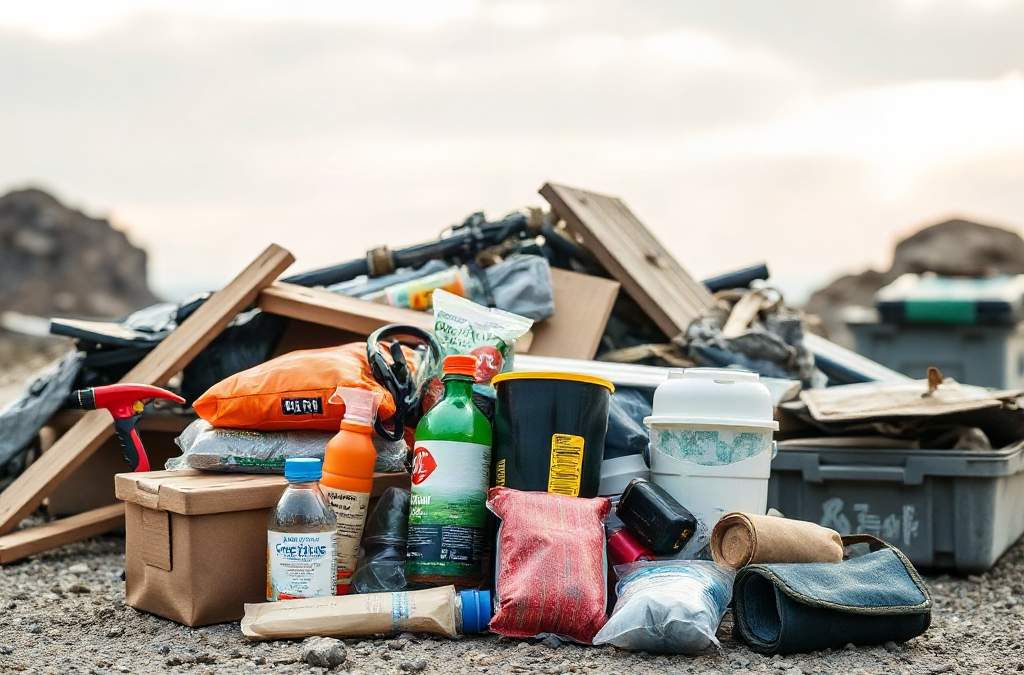
Earthquake preparedness kit essentials by priority should be gathered in layers: immediate survival items first, followed by water, food, medical supplies, lighting, communication tools, sanitation, and longer-term comfort items. Water and safe calories matter because stores, utilities, and household plumbing may be unavailable after shaking. Shoes, gloves, a flashlight, spare batteries, a whistle, and a basic first-aid kit address injuries and hazards encountered inside damaged buildings. Store supplies in accessible containers, keep a smaller kit beside beds, and account for medications, infants, pets, mobility needs, and local climate. Avoid relying on one large bin that may be buried or inaccessible after falling objects.
How to Rank Earthquake Kit Supplies
The most useful earthquake kit is not necessarily the largest one. Its value depends on whether a person can reach it, use it without electricity, and rely on the contents during the first hours after shaking. A sensible ranking considers four questions: Does the item protect life or prevent injury? Is it needed when utilities fail? Can it solve a problem without outside assistance? Will it remain usable after being stored for months?
That approach places immediate safety supplies ahead of convenience items. A flashlight belongs near the top because broken glass, fallen objects, and power outages can make movement dangerous. Water follows closely because a household may lose access to running water or discover that local authorities have issued a water-use warning. Food matters, but a sealed snack is less urgent than the ability to see, move safely, and treat a minor wound.
Use the Earthquake preparedness kit essentials by priority as a staged purchasing plan rather than a single shopping trip. Someone with limited funds can buy lighting, footwear, water storage, and basic medical supplies first, then add food and specialty items. Someone preparing a large home should distribute supplies in more than one location so one blocked room does not eliminate the entire cache.
A common mistake is buying a prepacked emergency bag and assuming it covers household needs. Generic kits may contain useful small tools but too little water, unsuitable food, no prescription medication, or no supplies for children and pets. Treat any commercial kit as a starting container. Check every item against the people, building, climate, and likely access problems in your own home.

Priority One: Immediate Safety and Water
Immediate safety supplies should make it possible to avoid injury, see clearly, signal for help, and obtain safe drinking water. Keep sturdy shoes and work gloves close to each bed, not only in a garage or basement. After an earthquake, bare feet can encounter broken glass, nails, or damaged flooring before anyone reaches the main storage area. A flashlight with spare batteries is more useful than a candle in a room with leaking gas or spilled flammable liquids.
A compact first-aid kit can address cuts, blisters, minor burns, and routine needs, but it is not a substitute for emergency medical care. Include wound dressings, adhesive tape, antiseptic supplies, disposable gloves, scissors, and any regularly used over-the-counter items that household members can safely take. Store personal prescriptions according to medical guidance and rotate them before expiration rather than placing an unreliable supply in the kit.
Water requires deliberate planning. Store commercially packaged water or use clean, food-grade containers maintained according to public-health guidance. Water is heavy, so distribute it where people can reach it without lifting an unsafe load. A filter or purification method may supplement stored water, but it should not be treated as an automatic replacement for a dependable initial supply; filters vary in what they remove, and purification steps may require time or fuel.
Consider a nighttime scenario: shaking occurs while the household is asleep, the power fails, and a hallway contains fallen objects. Shoes, gloves, a flashlight, and a whistle beside the bed solve immediate access problems before anyone opens a larger container. By contrast, a well-organized bin in a locked shed may be useless if the family cannot safely cross the home or open the damaged door.
- Keep a flashlight, spare batteries, shoes, gloves, and a whistle in bedside locations.
- Store drinking water in accessible places and inspect containers for leaks or damage.
- Add a manual can opener if any food requires cans.
- Include a battery or hand-crank radio if local alerts may be unavailable through normal internet access.
Do not use open flames as the default lighting choice. Candles can create an added fire risk after structural damage or a gas leak. Do not enter visibly damaged buildings merely to retrieve supplies; personal safety and official instructions take precedence over the contents of a kit.
Priority Two: Food, Medical Care, and Sanitation
Once immediate hazards are covered, add food that can be eaten with little preparation and does not depend on refrigeration. Choose familiar shelf-stable items such as ready-to-eat canned foods, nut or seed products when appropriate, crackers, dried fruit, shelf-stable milk, and individually packaged meals. Balance calories with storage life, dietary restrictions, and the ability to open or chew the food. A box of dry ingredients may last a long time but offers little value if it needs cooking water, electricity, or a working stove.
Food selection involves a tradeoff between compactness and household suitability. Energy bars are easy to distribute but may be unsuitable for allergies, young children, or people who dislike their texture. Canned meals provide variety and moisture but add weight and require a can opener. Rotate items into ordinary meals before their quality declines, then replace them with fresh stock. Mark expiration or best-by dates where they can be seen without emptying the container.
Medical planning should go beyond a generic first-aid pouch. Make a written list of prescriptions, allergies, medical conditions, emergency contacts, and essential equipment instructions. People who use contact lenses, hearing aids, inhalers, glucose supplies, mobility devices, or other routine equipment need a way to protect and maintain those items. Ask a clinician or pharmacist about storage and backup options for medication that requires temperature control.
Sanitation becomes a practical health concern when plumbing is unavailable. Pack toilet bags or liners, toilet paper, hand sanitizer, soap, wet wipes, menstrual products, diapers, disposable gloves, and heavy-duty trash bags. Separate clean supplies from waste-handling items to reduce contamination. A sealed bucket may provide a temporary toilet option, but local public-health instructions should guide disposal because conditions differ by community and building.
One weak assumption is that food and water alone make a kit complete. A family may have enough calories but no way to manage waste, clean hands, or open packaging. Another is overbuying specialized freeze-dried meals while neglecting ordinary foods that children will actually eat. Use a short inventory review: count people, identify dietary needs, check preparation requirements, and test at least one item before storing a large quantity.
Priority Three: Communication, Shelter, and Special Needs
Communication and shelter supplies become more valuable when roads are blocked, mobile networks are congested, or family members are separated. Keep a battery-powered or hand-crank radio, spare batteries in a protected container, charging cables, a power bank, and a printed contact list. Write down an out-of-area contact and meeting locations because phone numbers stored only in a device may be inaccessible if the battery is depleted.
Do not assume a power bank solves every communication problem. It needs to be charged, cables must match household devices, and cellular service may be intermittent. A radio can provide local instructions but cannot send a message. These tools work best as a layered arrangement: a written plan, multiple communication methods, and a household rule to avoid unnecessary calls when networks are overloaded.
Shelter items should reflect the season and the location of the kit. Blankets, warm layers, rain protection, sturdy clothing, masks for dust, and closed-toe footwear can make a temporary evacuation more tolerable. In hot climates, add sun protection and appropriate hydration planning; in cold climates, prioritize insulation and dry clothing. A tent may help some households, but it is bulky and may be less useful than warm bedding if the family expects to shelter indoors.
Special-needs planning changes the priority order. Infants may need formula, bottles, diapers, and safe preparation supplies. Pets need food, water, carriers or leashes, waste bags, and copies of vaccination records. Older adults may need hearing-aid batteries, glasses, mobility support, and easy-open packaging. A person with limited mobility may need a smaller supply cache at reachable height rather than a heavy container on a high shelf.
Store copies of identification, insurance information, medication lists, and key contacts in a waterproof sleeve, while protecting sensitive information from unnecessary exposure. Include basic cash in small denominations only if it is safe and appropriate for your circumstances. The goal is not to predict every disruption; it is to remove predictable obstacles when normal systems are unavailable.
Build, Store, and Recheck the Kit
Build the kit in layers so the first purchases address the highest consequences. A compact household checklist can follow this order: immediate safety, water, medical supplies, sanitation, ready-to-eat food, communication, shelter, and personal or comfort items. The ranking is flexible. A person dependent on refrigerated medication may place temperature-management planning ahead of some general supplies, while a household in a cold region may move warm clothing higher.
Use durable, clearly labeled containers that can be opened without tools. Keep one small grab-and-go bag in an accessible location and a larger reserve where it is unlikely to be crushed, locked, or exposed to moisture. Avoid placing all supplies beneath heavy storage, near a water heater, or behind a door that could jam. A distributed arrangement is less tidy than one large tote, but it reduces the risk of total loss.
Test the system rather than merely inspecting it. Confirm that flashlights work, batteries have not leaked, food can be opened, radio controls are understood, and household members know where supplies are located. Practice turning off utilities only if household members can do so safely and local guidance supports the action; never restore gas service without qualified direction. Check water containers, medication dates, clothing sizes, pet supplies, and contact information on a schedule tied to seasonal changes or household routines.
The most common failure is silent drift: children outgrow clothing, batteries expire, prescriptions change, and a once-accessible storage area becomes crowded. A short review every few months is more realistic than an elaborate annual overhaul that never happens. After an earthquake warning, nearby construction, a move, or a change in household membership, revisit both the contents and the storage locations.
Use the priority list to make the next purchase decision concrete. If the household lacks bedside lighting and safe footwear, buy those before comfort items. If immediate safety is covered but water is scarce, improve storage next. This sequence turns preparedness into a series of manageable risk reductions rather than an all-or-nothing project.
For current recommendations, compare your household kit with guidance from your national or local emergency-management agency, public-health department, and recognized earthquake-safety organizations. Local authorities can provide the most relevant information about evacuation sites, water advisories, utility procedures, and disposal requirements after an earthquake.
Frequently Asked Questions
What should go in an earthquake kit first?
Start with safe lighting, sturdy shoes, gloves, a whistle, water, and basic first-aid supplies. These items address immediate hazards and access problems before food and comfort supplies.
How much food should an earthquake kit contain?
Store enough familiar, shelf-stable food for the period your household and local authorities consider realistic, while accounting for water, allergies, preparation needs, and a manual can opener.
Should an earthquake kit include a water filter?
A filter can supplement stored water, but it should not replace a dependable initial supply. Check exactly what the filter removes and whether it needs electricity, pressure, chemicals, or lengthy treatment.
Where should earthquake supplies be stored?
Keep small safety supplies beside beds and place larger reserves in accessible, dry locations away from heavy objects, heat, and doors that could become blocked.
How often should an earthquake kit be checked?
Review it every few months and whenever household needs change. Replace damaged water containers, expired or unsuitable food, depleted batteries, outgrown clothing, and outdated medication information.
Conclusion
A useful earthquake kit is a ranked system, not a collection of emergency products. Put immediate safety within reach first: lighting, footwear, gloves, signaling equipment, water, and basic medical supplies. Add food and sanitation items that work without refrigeration, electricity, or complicated preparation, then adapt communication, shelter, medication, infant, pet, and mobility supplies to the people who depend on them. Storage location matters as much as the shopping list; a blocked or inaccessible container cannot support recovery. Test the contents, rotate consumables, and revise the arrangement when seasons or household needs change. Making the next highest-priority improvement today is more reliable than waiting to assemble a perfect kit all at once.




