
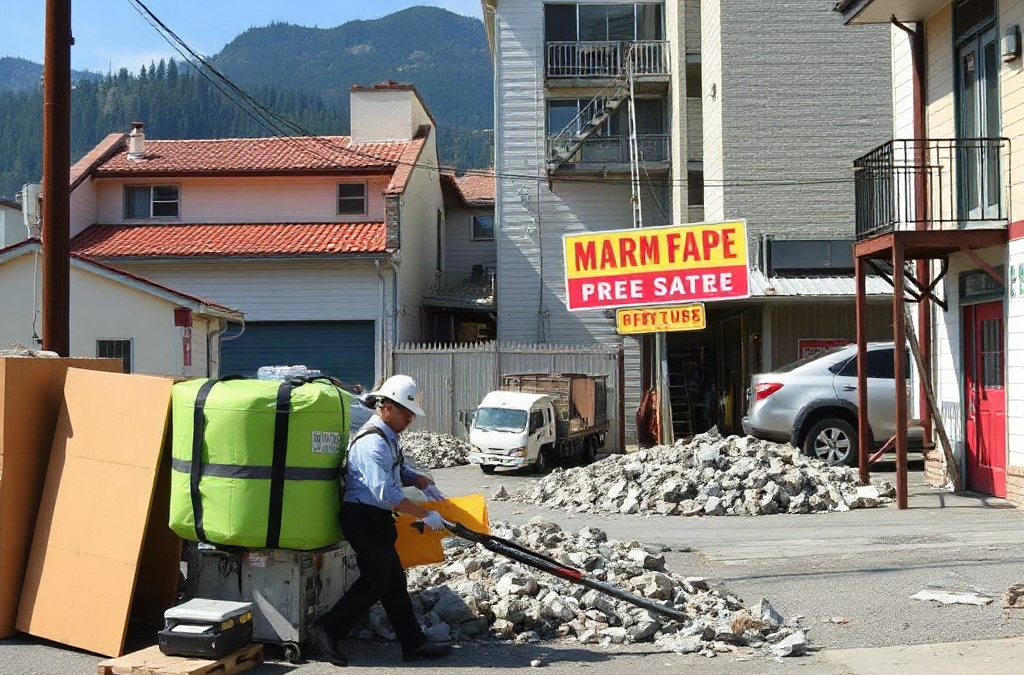
Earthquake preparedness actions for the first day should move from immediate life safety to injury care, utility checks, communication, shelter, and carefully rationed essentials. During the first minutes, protect yourself from falling debris, check for serious injuries, and leave only when the building or surroundings are unsafe. Over the next several hours, watch for fire, gas leaks, damaged wiring, contaminated water, aftershocks, and blocked roads while relying on official alerts rather than rumors. Before nightfall, establish a safe sleeping area, account for household members, secure drinking water and medications, and create a simple check-in plan that does not overload phone networks.
First Minutes: Protect People Before Property
The first earthquake response is controlled protection, not cleanup. If the ground is still moving, drop to your hands and knees, cover your head and neck, and hold on to a sturdy shelter if one is within reach. Moving across a room to reach a doorway, staircase, or another room can expose you to glass, falling furniture, and ceiling material. A doorway is not automatically safer than a nearby table or desk, and running outside during shaking can place you beneath façades, signs, utility lines, or masonry.
Where you are changes the immediate choice. Inside a home, move away from windows, tall cabinets, hanging objects, and exterior walls when possible. In bed, stay there and cover your head with a pillow unless something above you is falling. Outdoors, move toward an open area away from buildings, trees, poles, and overhead wires. In a vehicle, stop when safe, avoid bridges and overpasses, and remain inside until the shaking ends unless the vehicle itself is threatened.
Once motion stops, pause before rushing into action. Expect aftershocks and use each one as a reason to repeat the same protective posture. Put on shoes and, if available, sturdy clothing before walking through a damaged room; broken glass may be hidden under dust. Keep children, older adults, and pets away from unstable furniture and areas with shattered glass. The practical priority is a head count and a quick scan for life-threatening bleeding, breathing difficulty, entrapment, or fire—not recovering phones, photographs, or scattered belongings.
A common mistake is treating silence after the main shaking as proof that the building is safe. Cracks, shifted doorframes, sagging ceilings, broken stairs, unusual noises, or fallen masonry warrant caution and may require leaving by a safe route. Do not use an elevator. If a route is blocked, avoid forcing doors or climbing through unstable debris; wait for trained responders when remaining in place is safer.

For a household that has practiced, a short verbal routine can reduce confusion: “Protect, pause, people, hazards.” That sequence gives everyone a role without encouraging a dangerous race through the building. It also connects naturally with Earthquake preparedness actions for the first day as a broader household reference.
First Hours: Check Injuries, Fire, Utilities, and Structural Hazards
The first inspection should identify conditions that can worsen, especially fire, gas, electricity, and structural damage. Check people in the safest accessible location, then look for smoke, flames, leaking fuel, sparking wires, burst pipes, and strong gas odors. Do not light matches, smoke, operate switches, or use appliances near a suspected gas leak. Leave the area if conditions are dangerous and contact emergency services from a safe location; utility shutoffs should be used only when accessible and when you know how to operate them safely.
Water damage deserves attention even when it appears minor. A broken pipe can weaken ceilings, damage electrical equipment, and make floors slippery. If tap water is cloudy, smells unusual, or local authorities issue a water advisory, do not assume boiling or filtering is appropriate for every contaminant. Follow instructions from the local water provider or emergency management agency. Keep a separate supply of known-safe drinking water if available, and avoid opening refrigerators repeatedly while deciding what can be used.
First aid during the first day means addressing immediate threats while avoiding unnecessary movement of an injured person. Apply direct pressure to serious external bleeding, keep a person warm, and call for professional help when possible. Do not move someone with a suspected spinal injury unless remaining in place creates an immediate danger such as fire or collapse. People with asthma, diabetes, heart conditions, or other medication-dependent needs should identify their medications early rather than waiting until pharmacies reopen.
The building itself may be the decisive constraint. A few superficial wall cracks are not enough to declare a structure safe or unsafe from a distance, while a leaning wall, separated foundation, damaged stairwell, or strong shifting of the frame deserves immediate caution. Do not re-enter simply to retrieve supplies. A prepared bag outside the damaged zone is more useful than a complete kit locked inside an unstable room.
Another failure mode is switching off all utilities reflexively. Turning off electricity may reduce ignition risk in a visibly damaged system, but restarting it without inspection can create a hazard. Conversely, entering a dark, damaged room with a candle introduces an avoidable flame. Use a flashlight, keep clear of standing water near electrical equipment, and let qualified utility personnel or emergency officials determine when systems can safely return.
Before Nightfall: Organize Water, Shelter, Information, and Communication
By the afternoon, the goal shifts from reacting to hazards to making the next several hours predictable. Establish one safe area away from damaged walls, windows, chimneys, and heavy objects overhead. If the home is not clearly safe, use an official shelter or another location confirmed by local authorities rather than an improvised structure. Account for every person, including neighbors who may need assistance, but do not enter dangerous buildings to search without trained support.
Drinking water, prescription medicine, food that needs no cooking, sanitation items, warm layers, and light should be allocated according to actual household needs. Infants, pets, people with disabilities, and anyone with medical equipment may require different quantities or access arrangements. Avoid consuming all convenient food during the first afternoon; roads, stores, and power systems may remain disrupted. At the same time, do not save supplies so rigidly that people go without necessary medication, hydration, or infant feeding.
Communication works better when it is brief and prioritized. Send a text or use an agreed check-in service if networks are available, stating your condition and location without repeatedly calling every contact. Designate an out-of-area contact only if the household has already agreed on that person and knows how to reach them. Keep battery use low, write down key numbers, and use a battery-powered or hand-crank source for official updates when possible. Social posts can show local conditions, but they should not replace instructions from emergency management, public safety, or utility agencies.
A compact day-one sequence can prevent useful tasks from competing with urgent ones:
- Reassess: repeat protective action after every aftershock and watch changing hazards.
- Stabilize: provide first aid, move people from immediate danger, and secure pets.
- Verify: check official information about evacuation, water, roads, shelters, and utilities.
- Allocate: set aside medicine, drinking water, food, lighting, clothing, and sanitation supplies.
- Prepare for darkness: choose a safe sleeping location and keep shoes, a light, and essential items within reach.
The tradeoff is between helping nearby people and preserving household capacity. A quick welfare check on an adjacent neighbor can be valuable, but repeated travel through damaged streets increases exposure to glass, traffic, downed wires, and aftershocks. Help within your ability, report serious emergencies, and avoid becoming a second casualty. More detail on prioritizing limited items appears in Earthquake preparedness actions for the first day.
What Commonly Goes Wrong on Day One
Day-one mistakes usually come from acting on assumptions. People may assume the largest shaking has ended, that a familiar building is safe, that clear-looking tap water is drinkable, or that a functioning phone means services are normal. Each assumption can fail because aftershocks, hidden structural damage, ruptured lines, and overloaded networks are not always visible. A safer approach is to treat conditions as changing and verify important decisions through official local information.
Another problem is concentrating supplies in one inaccessible place. A large container in a garage may be useless if the garage door is jammed, while a smaller set of shoes, lighting, medication, and water inside a safe room can cover the first hours. The best arrangement balances quantity with access. Keep essential items where they can be reached without crossing likely breakage zones, and replace expired medicines or dead batteries during normal times.
People also overestimate what a radio message or social update can tell them. A general announcement may not address a particular apartment, hillside, bridge, or neighborhood. Compare information from official emergency channels, local utilities, and public safety agencies, noting the time of each update. Avoid spreading unverified reports about collapsed roads, missing people, or contamination; incorrect information can send others toward danger.
Night introduces a separate set of risks. Darkness makes glass, stairs, water, and damaged ceilings harder to see, while fatigue reduces judgment. Before sleeping, place a light and shoes nearby, keep exits clear, avoid candles, and review what will happen if an aftershock occurs. If the structure has concerning damage, do not treat a quiet evening as permission to stay. A shelter, trusted undamaged location, or official evacuation instruction may be the safer choice.
Use the first day to document damage only when doing so is safe. Photos, notes, and contact information may later help with repairs or insurance, but documentation never outranks injury care, evacuation, or utility safety. The useful test is simple: if an action does not reduce immediate risk, restore essential function, or improve reliable information, postpone it. This principle keeps attention on what matters when time, light, transportation, and communications are limited.
Frequently Asked Questions
Should I leave my home immediately after an earthquake?
Leave when there is an immediate danger such as fire, gas odor, serious structural damage, or an official evacuation order. Otherwise, assess the route and building carefully after shaking stops.
What should I do during an aftershock?
Repeat drop, cover, and hold on. Stay away from windows and damaged areas, and expect objects loosened by the first earthquake to fall.
Can I use tap water after an earthquake?
Use it only when local authorities or the water provider indicate that it is safe. Clear water is not proof that pipes or the supply system are uncontaminated.
How should I contact family members?
Send a brief text or use an agreed check-in service when possible. Limit repeated calls so networks remain available for emergency traffic.
What should be beside me overnight?
Keep sturdy shoes, a flashlight, essential medication, a phone or radio, and water within reach. Sleep away from windows, unstable furniture, and visibly damaged parts of the building.
Further Reading
Authoritative Sources
- Earthquakes
ready.govProvides federal preparedness and immediate safety information for earthquake impacts and aftershocks
- Earthquake Hazards Program
usgs.govExplains earthquake hazards, aftershocks, and official scientific information for affected communities
- Earthquake Safety
redcross.orgOffers practical guidance for protecting people, responding after shaking, and preparing household resources
Conclusion
The first day after an earthquake is governed by changing hazards rather than a single checklist. Protect yourself during shaking, account for people, and then investigate fire, gas, electricity, water, injuries, and structural damage without taking unnecessary risks. Before nightfall, secure safe drinking water, medications, lighting, food, sanitation, and a sleeping location that remains usable during aftershocks. Use official updates to guide evacuation, shelter, road, and water decisions, and keep communication short and factual. A modest, accessible set of essentials can outperform a larger cache trapped in a damaged room. Reassess after every significant aftershock, postpone nonessential cleanup, and seek trained help whenever damage exceeds what you can safely evaluate.
Related Content
- 4 Critical Tools You Need for Disaster Recovery
- The Importance of Regular Supply Rotation for Preppers: Avoiding Expiration and Waste
- How to Prepare for a Natural Disaster: A Step-by-Step Guide
- How to Gauge the Effectiveness of Your Emergency Plan: Key Indicators and Testing Methods
- Prioritizing Electrical Loads During a Multi-Day Blackout With a Safe Power Budget




