
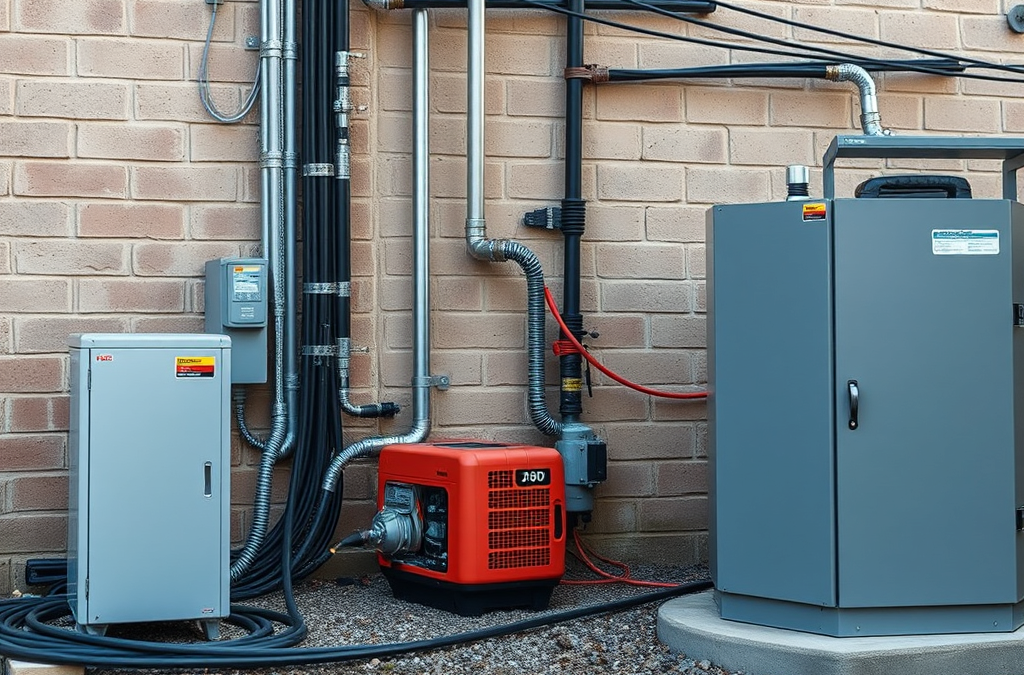
Prioritizing electrical loads during a multi-day blackout means protecting life-safety equipment first, then preserving communication, water, food temperature, and limited comfort within a measured power budget. Start by listing each device, its running watts, startup surge, duty cycle, and required operating hours, then reserve capacity for unpredictable demand and generator changes. Refrigeration, medical equipment, carbon-monoxide alarms, radios, and device charging usually outrank entertainment or high-wattage heating. A common mistake is running everything briefly without tracking cumulative battery or fuel use; repeated surges and idle loads can exhaust backup power before the outage ends. Recheck the list as weather, household needs, and fuel availability change.
Rank Loads by Consequence and Runtime
Electrical priorities should be based on what happens when a device stops, not on how familiar or convenient it is. A ventilator, oxygen concentrator, sump pump, well pump, refrigerator, phone charger, and lamp may all appear on the same household list, but their consequences differ sharply. A useful first division is life safety, basic sanitation and water, food protection, communication, and comfort. Within each group, note whether the device must run continuously or only at intervals.
Medical equipment deserves an individualized plan before an outage begins. Ask the equipment provider about approved backup methods, battery duration, and alarms rather than assuming a portable power station is compatible. A refrigerator usually does not need uninterrupted power; it needs periodic cooling, while a medical device may have no safe pause. That difference allows timed operation for some appliances without treating every load as equally urgent.
Write down the consequence of failure beside each device. A freezer full of food may matter financially and practically, but it normally ranks below a required medication device. A television may provide information, yet a low-power radio or charged phone can often deliver alerts with less energy. This ranking creates a defensible order when fuel is scarce, rather than forcing decisions during darkness, fatigue, or severe weather.
Use prioritizing electrical loads during a multi-day blackout as a living list, not a one-time chart. A common failure is putting comfort appliances near the top because they are used frequently. Frequency alone is misleading: a brief, high-wattage appliance can consume more energy than a small device used for many hours.

Build a Realistic Power Budget
A power budget converts a wish list into an operating plan. For each load, record watts, expected hours of use, startup surge, and whether the manufacturer permits generator, inverter, or battery operation. Energy use is roughly running watts multiplied by hours, but motors and compressors may draw a short surge when starting. A source that appears large enough on paper can trip, shut down, or overheat when several motor-driven devices start together.
Use the rating plate, owner’s manual, or a plug-in power meter when conditions are safe. Do not rely on a generic online estimate for a refrigerator, well pump, heating appliance, or medical device. Measure or verify one load at a time, then add a margin for startup demand and changing conditions. Inverter generators and battery systems may display watts and remaining capacity, but those readings still need interpretation: a low watt draw over a long period can deplete stored energy, and conversion losses reduce usable battery capacity.
Separate continuous loads from scheduled loads. A carbon-monoxide alarm, communications device, or medically required system may need steady service. A refrigerator can often be assigned cooling windows, and a phone bank can be charged during one planned session rather than left plugged in all day. Scheduling reduces idle consumption and prevents several compressors or heating elements from starting simultaneously.
- List: device, watts, startup behavior, required hours, and approved power source.
- Calculate: estimated daily watt-hours, then compare that figure with usable battery energy or generator fuel capacity.
- Reserve: capacity for startup surges, weather-related changes, and an unexpected medical or water need.
- Test: operate the proposed combination before an outage and watch for overloads, nuisance shutdowns, heat, or unstable voltage.
For example, charging a phone, running an LED lamp, and powering a small radio may fit comfortably on a modest battery, while an electric heater can consume the available capacity rapidly. Choosing the heater may be reasonable in dangerous cold, but it changes every other priority and may require a different power source. That is a tradeoff to calculate, not an assumption to make.
The load budget should show both daily energy and peak power. A source can have enough total energy yet lack the surge capability to start a pump. Conversely, a large generator can start the pump but waste fuel if it runs continuously for a few small loads.
Separate Critical Loads From Convenience Loads
Critical loads are those whose interruption creates a serious safety, health, sanitation, food, or communication problem. Convenience loads improve comfort or entertainment but can normally be delayed. The distinction is situational: an electric blanket may be nonessential in mild weather but important for a person vulnerable to cold; a freezer may rise in priority when temperatures are high and its contents are valuable.
Keep the highest-priority group small. Typical candidates include medically necessary equipment, smoke and carbon-monoxide alarms, a phone or radio charging method, lighting for safe movement, and equipment needed for drinking water or sanitation. Refrigeration often belongs in a second tier with scheduled operation. Cooking appliances, laundry equipment, television, gaming systems, hair dryers, and space heaters generally require separate decisions because their heating elements draw substantial power.
Food safety creates a timing issue rather than a simple on-or-off rule. Opening a refrigerator repeatedly lets cold air escape and makes each cooling cycle work harder. Keep doors closed, use a thermometer if available, and prioritize cooling based on the appliance’s condition, ambient temperature, and the perishability of its contents. Do not power a refrigerator at the expense of a required medical load merely to preserve groceries.
A realistic household example may involve a CPAP machine, refrigerator, router, two phones, lights, and a well pump. The CPAP and communication devices may need nightly or periodic service; the refrigerator may need controlled cycles; the pump may be operated to fill approved containers and then shut down. Running all of them continuously is less resilient than assigning each a defined window.
Common mistakes include charging every personal device at once, leaving adapters plugged in, and treating a large television as a substitute for emergency communication. Check whether chargers draw power while idle, consolidate charging sessions, and preserve a low-power method for receiving official alerts. A priority list for blackout power should identify what gets power first when the source is weak, fuel delivery is delayed, or battery capacity falls faster than expected.
Operate Generators, Batteries, and Circuits Safely
Electrical conservation does not make unsafe power practices acceptable. Portable generators must remain outdoors and away from doors, windows, and vents because exhaust can contain carbon monoxide. Follow the manufacturer’s instructions for grounding, refueling, weather exposure, extension cords, and connected loads. Never connect a portable generator to a home circuit through an improvised backfeed arrangement; a properly installed transfer method is needed when household wiring is being supplied.
Battery power stations avoid fuel storage and exhaust, but they have different limitations. Their usable capacity declines when powering AC devices through an inverter, and some units shut down at low loads or cannot support motor startup. Keep the battery within its stated temperature range, use compatible charging equipment, and inspect cables for damage. A battery may be the better choice indoors for lights, electronics, and certain approved devices, while a generator may be more suitable for short high-demand tasks if used safely outdoors.
Assign circuits or extension cords by priority and avoid daisy-chaining cords. High-wattage heating appliances should not share an undersized cord or receptacle with other loads. Feel for abnormal heat only by stopping use and allowing equipment to cool; a hot plug, damaged insulation, burning smell, buzzing, repeated breaker trips, or unexplained shutdown is a reason to disconnect the setup and investigate safely.
Run a test before an outage if the equipment can be used safely. Start the largest motor load according to the manual, then add smaller devices one at a time. Observe whether the source holds steady, whether the generator overload indicator activates, and whether the battery display shows a rapid capacity drop. Testing exposes a mismatch that a wattage label alone may miss.
Do not defeat breakers, alarms, or protective shutdowns to keep a load running. Those features may indicate overload, overheating, faulty wiring, or a source that cannot provide the needed surge. If a medically necessary device is failing on backup power, contact the equipment supplier or qualified electrician rather than improvising a connection.
Reassess Priorities as the Outage Continues
A multi-day outage changes the ranking because supplies, weather, battery state, and household health change. At the beginning, preserve fuel and battery energy while confirming communication and medical needs. After a day, food temperature, water availability, indoor temperature, and charging demand may become more pressing. A plan that ignores these shifts can protect a refrigerator while leaving no energy for a pump or critical nighttime equipment.
Set review times, such as morning and evening, and record source capacity, fuel, battery percentage, refrigerator temperature, water reserves, and upcoming medical needs. Signs that the plan is working include predictable runtime, no overload alarms, cool connections, and enough reserve for the next scheduled priority. Signs of failure include unexplained capacity loss, frequent generator cycling, rising indoor heat or cold, wet conditions around electrical equipment, and repeated attempts to restart a motor.
Use a simple decision order when capacity falls: protect life-safety and medically necessary loads, preserve safe water and sanitation, maintain communication and safe lighting, manage food cooling, then consider comfort. Weather can change the order. During severe cold, safe heating may become urgent; during heat, cooling, hydration, and medical vulnerability may dominate. Electric heating is especially demanding, so compare it with safer non-electric options that are approved for indoor use and properly ventilated.
Households should also plan for source failure. Keep a written load schedule near the generator or battery, identify which devices can be paused, and maintain manual alternatives such as flashlights, a can opener, stored water, and non-electric cooking options used safely. The goal is not to keep a normal electrical routine alive. It is to spend limited energy where interruption would create the greatest harm.
Frequently Asked Questions
Which electrical loads should come first?
Use life-safety and medically necessary equipment first, followed by water, sanitation, communication, safe lighting, and food cooling. Comfort loads come later unless weather makes them a safety concern.
Should a refrigerator run continuously during a blackout?
Not always. Keep the door closed, monitor temperature when possible, and use scheduled cooling if the appliance and food conditions allow it. Never displace a medically necessary load solely to protect groceries.
Why can a generator trip even when total watts seem acceptable?
Motors and compressors may draw a short startup surge above their running wattage. Add loads gradually and verify the source’s surge rating and the appliance manufacturer’s requirements.
Is a battery power station safer than a generator?
Battery systems avoid fuel exhaust indoors, but they still require compatible equipment, adequate capacity, safe cables, and protection from heat or moisture. They may not support high-wattage or motor-starting loads.
How often should a blackout power plan be reviewed?
Review it before an outage and at least twice daily during a prolonged event. Recalculate when weather, medical needs, fuel, battery capacity, water, or appliance conditions change.
Further Reading
Authoritative Sources
- Academy of Nutrition and Dietetics
eatright.orgProfessional nutrition guidance, healthy eating resources, and practical dietitian-reviewed advice.
- U.S. Department of Agriculture
usda.govOfficial food, nutrition, agriculture, and consumer guidance from the USDA.
- NIH Office of Dietary Supplements
ods.od.nih.govResearch-based fact sheets on nutrients, supplements, dietary intake, and safety considerations.
- International Society of Sports Nutrition
sportsnutritionsociety.orgEvidence-informed sports nutrition resources and position stands for active people and athletes.
Conclusion
A durable blackout plan spends electricity according to consequence, runtime, and source limits rather than convenience. Identify medically necessary equipment and life-safety devices first, verify their power requirements, and reserve capacity for startup surges and changing weather. Schedule intermittent loads such as refrigeration or water pumping when that is safe, while keeping communication and essential lighting available. Use generators outdoors with approved connections, and treat hot cords, repeated trips, alarms, and unexplained shutdowns as stop signals. Recheck the plan as fuel, battery capacity, food temperature, water, and household health change. A written priority order, tested before the outage, makes difficult decisions faster and reduces the chance that low-value loads consume the power needed for a genuinely critical task.
Related Content
- Waterproofing Essentials for Your Emergency Gear
- Who needs to be part of my emergency planning process?
- How to Avoid Common Mistakes in Self-Defense Preparations: Essential Steps and Considerations
- How to Deal With Information Overload in Prepping: Essential Steps for Clarity and Focus
- Preparedness for Unexpected Events: Essential Actions for Effective Response Planning




