
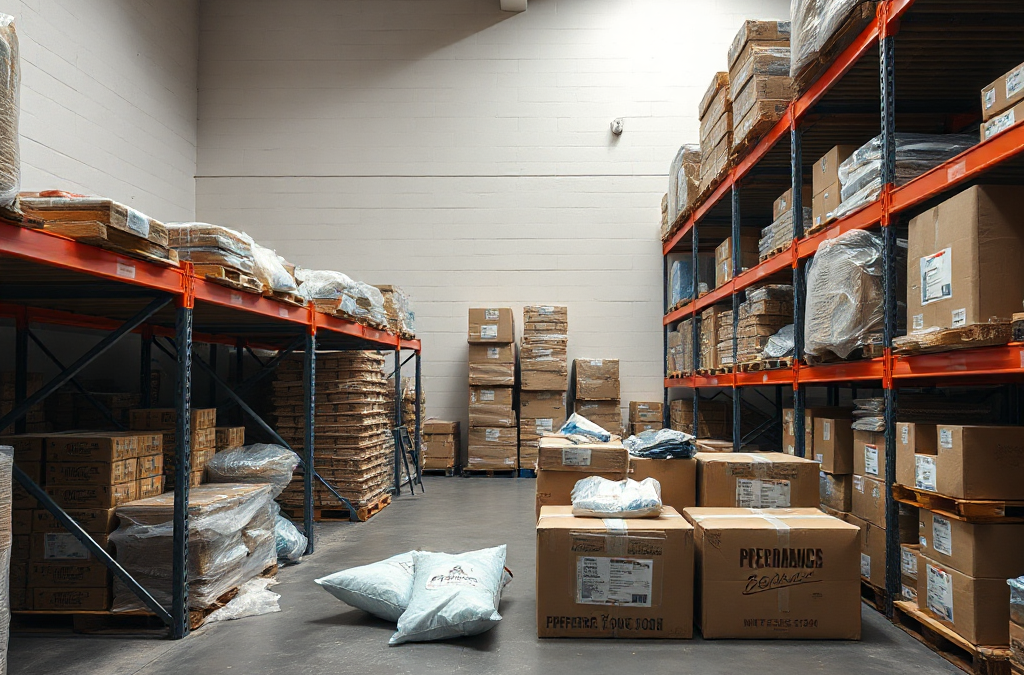
Replenish supplies after emergency demand peaks by auditing what was actually consumed, protecting critical items, and placing smaller, staggered orders instead of rebuilding the entire stock at once. Check remaining quantities, expiration dates, damaged packaging, supplier lead times, and local availability before buying. Prioritize water, medically necessary items, sanitation products, food, batteries, and fuel-related supplies according to household risk and replacement difficulty. A phased approach reduces overbuying, leaves cash for unexpected needs, and avoids repeating shortages caused by panic purchasing. Review the inventory again when deliveries arrive, record normal usage, and set reorder points so the next emergency does not create the same scramble.
Assess Consumption Before Buying
Restocking should begin with an inventory audit, not a shopping trip. Emergency demand often makes supply levels look worse than they are because opened packages, partial containers, duplicate purchases, and items stored in different rooms are easy to miss. Gather everything into one record and separate usable stock from damaged, expired, contaminated, or unidentifiable items. The result is a realistic baseline for replenishment.
Record the product, quantity, condition, expiration date, normal use, and replacement difficulty. A case of unopened shelf-stable food is not equivalent to several opened packets, and a partly charged battery pack should not be counted as a fully available power source. Check water containers for leaks, fuel storage for unsafe conditions, first-aid materials for missing components, and sanitation products for damaged seals.
A useful audit distinguishes three quantities: what is physically present, what is immediately usable, and what must be replaced. For example, a household may have six cans of food but only four that fit its dietary needs, or enough batteries for flashlights but none for a medical device. This distinction prevents a common failure: buying cheap or familiar items while leaving a critical gap unresolved.
Use the household’s actual consumption during the demand peak as a planning signal, but do not assume that one unusual week represents normal use. A power outage may increase battery consumption, while a boil-water notice may rapidly deplete containers and disinfecting supplies. Compare emergency usage with ordinary weekly needs and identify which increase came from the hazard itself. Readers building a broader how to replenish supplies after emergency demand peaks process should preserve these notes for the next review.

Rank Supplies by Risk and Replacement Time
Priority should reflect consequence and availability, not shelf appeal or price. A practical ranking puts items into three groups: essential for immediate safety, necessary for ordinary functioning, and convenient to replace later. Water, required medications, infant supplies, basic sanitation materials, and equipment-specific batteries generally deserve earlier attention than snacks, duplicate tools, or comfort purchases.
Replacement time changes the order. A common grocery item may return to shelves quickly, while a particular medication, filter, generator component, mobility aid, or specialized battery may require a supplier or prescription process. Identify those long-lead items before spending the restocking budget. The most expensive item is not automatically the most urgent; an inexpensive but difficult-to-find component can create the larger operational problem.
Risk also depends on storage and household conditions. Canned food may be practical for one home but unsuitable for someone without an opener. A large water container may offer efficient storage yet be difficult for a child or older adult to move. Fuel may be useful only when compatible equipment is available and storage is permitted and safe. Replenishment decisions should match the people, shelter, climate, and equipment actually involved.
Build a short priority list and attach a reason to each item. For example:
- Replace first: items whose absence creates an immediate health, sanitation, or communication problem.
- Replace next: supplies needed to maintain food preparation, lighting, cleaning, and mobility.
- Delay or substitute: noncritical goods with several safe alternatives or reliable local availability.
The mistake to avoid is treating a preparedness checklist as a fixed shopping mandate. A checklist can reveal categories, but it cannot know whether a household already has enough, whether a product is compatible, or whether another need has become more urgent. Use it as an audit prompt, then make decisions from current conditions.
Use Staggered Orders and Local Alternatives
Staggered purchasing is usually safer than attempting to refill every category in one transaction. Place the first order for high-consequence items, wait for confirmed availability, and then fill lower-priority gaps. Smaller orders reduce the chance of tying up money in unsuitable products and make it easier to detect substitutions, backorders, or changing delivery estimates.
Check more than one channel, including local stores, established suppliers, pharmacies, agricultural or hardware retailers, and direct manufacturer listings where appropriate. Compare the actual unit cost, package size, delivery window, return terms, and compatibility rather than choosing the first listing marked available. A lower price is not a saving if the product arrives late, lacks a needed adapter, or cannot be stored safely.
Substitution requires judgment. Different brands of packaged food may be interchangeable, but a filter cartridge, charger, medication, respirator component, or fuel canister may not be. Confirm model numbers, dimensions, connector types, dosage instructions, and storage requirements. Do not improvise with safety-critical equipment simply because a similar-looking product is in stock.
Emergency demand can also distort behavior. Scarcity messaging, inflated prices, and seller claims about urgency may encourage bulk purchases that exceed practical use. Set a spending ceiling and a maximum quantity before browsing. If an item is unavailable, ask whether the gap can be reduced through a safe alternative, a shared household purchase, or a change in routine. A person needing a specific medical product should consult the relevant clinician or pharmacist rather than making an unverified substitution.
Keep a delivery log showing order date, expected arrival, actual quantity, and unresolved shortages. This makes a second purchasing round more deliberate. It also reveals whether the problem is a temporary stockout or a supplier that repeatedly fails to meet the promised schedule.
Inspect Deliveries and Rebuild a Sustainable Reserve
Replenishment is incomplete until new supplies are checked, stored, and incorporated into normal rotation. Count each delivery against the invoice, inspect seals and packaging, verify expiration dates, and test compatible equipment where testing is safe. Separate questionable items before they mix with usable stock. Delivery errors are easier to correct immediately than weeks later.
Store goods according to their actual requirements rather than convenience. Keep food, water, batteries, medicines, cleaning chemicals, and fuel-related products in locations that protect them from heat, moisture, contamination, children, and accidental mixing. Follow the product label and relevant official guidance for storage. A full shelf is not a successful reserve if its contents are inaccessible, unlabeled, or exposed to conditions that shorten useful life.
Use first-expiring, first-out rotation for dated supplies. Place newer items behind older ones and mark opened packages with the date they were started. This turns emergency stock into part of ordinary household consumption instead of a neglected cache. Rotation also exposes unrealistic purchases: if nobody will eat a particular food during normal life, buying more of it may not improve readiness.
Set reorder points based on normal use and supplier delay. For example, a household might choose to reorder when its usable stock falls below a defined amount rather than waiting until the shelf is empty. The threshold should be higher for items with uncertain availability and lower for products that are widely sold locally. Review the system after the next disruption, noting which supplies ran out first, which alternatives worked, and which purchases created waste.
A frequent mistake is rebuilding the old inventory without examining why it failed. If batteries disappeared quickly because several devices used the same size, consolidate or label them. If food remained untouched because preparation required unavailable fuel, add no-cook options or the equipment needed to use the food. A reserve becomes more reliable when each replacement addresses a documented failure rather than simply restoring a number on a checklist.
Know When the Restocking Cycle Is Working
A replenishment plan is working when essential gaps close without repeated panic buying, deliveries match the record, and ordinary consumption keeps older stock rotating. The clearest sign of progress is not a crowded storage area; it is a current inventory that shows usable quantities, expiration dates, substitutes, and the next reorder point.
Review the list at a quiet time and ask four operational questions: Can the household access the item quickly? Can the item be used with existing equipment? Is the quantity appropriate for realistic use? Can it be replaced before the reserve is exhausted? A “yes” to the first question but “no” to compatibility still represents a failure. A large quantity with no rotation plan may also create waste and reduce funds available for more urgent needs.
Compare two approaches: rapid bulk restoration and measured recovery. Bulk restoration may make sense when a critical item is reliably available, affordable, and unlikely to expire. Measured recovery is more suitable when prices are unstable, household needs are uncertain, or several suppliers are backlogged. The second approach takes more recordkeeping but provides better visibility and usually limits costly mistakes.
Keep one current copy of the inventory where household members can find it, while protecting sensitive medical or personal information. Include supplier names, compatible product details, and notes about what worked during the demand peak. That record supports a faster response if another emergency creates a similar shortage and makes supply replenishment decisions less dependent on memory.
Frequently Asked Questions
Should essential supplies be replaced all at once?
Usually not. Replace high-consequence items first, then use staggered orders for lower-priority goods so shortages, substitutions, and budget limits remain visible.
How can I tell what was actually consumed?
Gather supplies from every storage location, count usable units, inspect opened packages, and compare the result with receipts or notes from the emergency period.
What should take priority when stores are still short?
Prioritize water, required medications, sanitation, infant or mobility needs, communication, and items with long or uncertain replacement times.
Are similar products safe substitutes?
Only when compatibility and intended use are clear. Treat medicines, filters, chargers, respirator parts, and fuel-related equipment as product-specific unless qualified guidance confirms otherwise.
When should the inventory be reviewed again?
Review it when deliveries arrive, after normal use changes, before a seasonal hazard, and after the next emergency to update quantities and reorder points.
Further Reading
Authoritative Sources
- Academy of Nutrition and Dietetics
eatright.orgProfessional nutrition guidance, healthy eating resources, and practical dietitian-reviewed advice.
- U.S. Department of Agriculture
usda.govOfficial food, nutrition, agriculture, and consumer guidance from the USDA.
- NIH Office of Dietary Supplements
ods.od.nih.govResearch-based fact sheets on nutrients, supplements, dietary intake, and safety considerations.
- International Society of Sports Nutrition
sportsnutritionsociety.orgEvidence-informed sports nutrition resources and position stands for active people and athletes.
Conclusion
Replenishing an emergency reserve works best as a controlled recovery process rather than a race to refill shelves. Audit usable stock first, separate immediate safety needs from convenient purchases, and give scarce or long-lead items priority. Staggered orders protect the budget and make supplier failures easier to spot, while careful compatibility checks prevent unsafe substitutions. Once supplies arrive, count and inspect them, store them correctly, rotate dated goods, and record the reorder points that fit actual household use. The next practical step is to create one current inventory with quantities, condition, expiration dates, and replacement sources. Revisit that record after the demand peak has passed so the next reserve reflects what the household truly used, not what a generic checklist assumed.




