
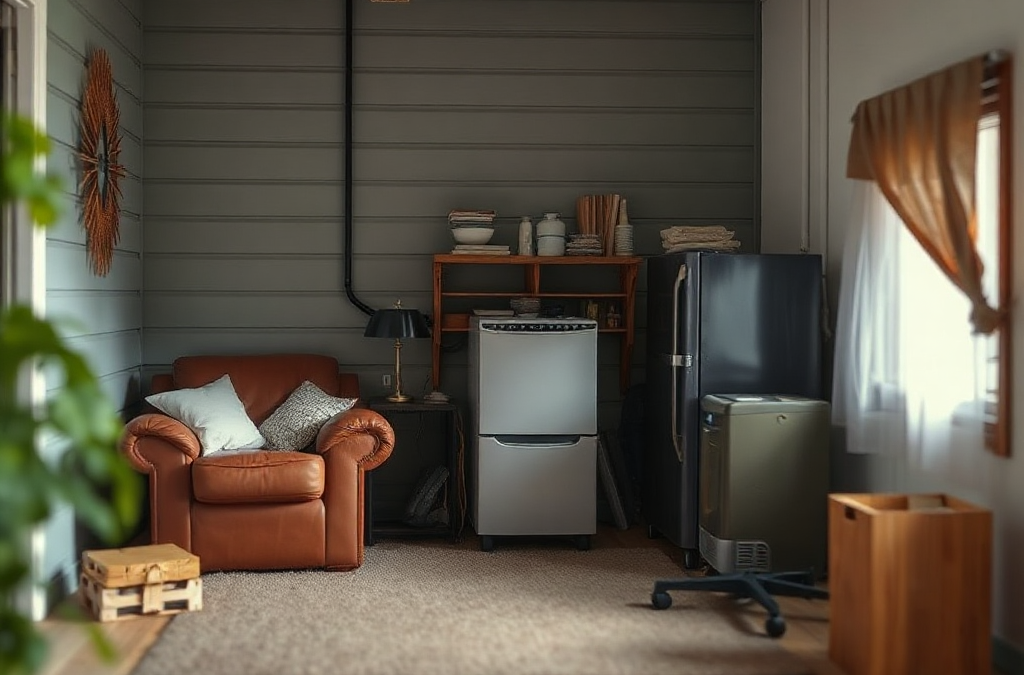
Safe ways to reduce household electricity demand during outages include switching off nonessential circuits, unplugging standby loads, limiting heating and cooling, and operating only appliances that support health, food safety, communication, or water needs. Start by identifying the equipment supplied by batteries, solar systems, generators, or backup outlets, then remove high-draw devices such as electric heaters, ovens, clothes dryers, water heaters, and pumps from the load. Use appliance labels or a watt meter where available, avoid improvised wiring and indoor generator use, and watch for overheating, unusual smells, flickering, or repeated shutdowns. Lower demand extends backup runtime, reduces overload risk, and preserves capacity for essential equipment.
Find the Loads That Matter Most
Reducing electricity use during an outage begins with separating essential loads from convenient ones. A refrigerator, medical device, sump pump, modem, phone charger, or well pump may have a direct safety or continuity role. Lighting in every room, entertainment equipment, decorative appliances, and comfort devices usually do not. The distinction matters because backup systems have limited energy storage or generation capacity, and a small number of high-wattage appliances can consume more capacity than many low-power devices combined.
Make an inventory before the next outage if possible. Note whether each appliance is powered by the utility, a portable battery, a generator, an inverter, or a dedicated backup circuit. Check the rating plate for watts or amps; motors may draw more power briefly when starting than they use while running. A refrigerator that appears modest on its label can still cause an inverter to trip if another motor or heating element starts at the same time.
A practical first pass divides equipment into three groups:
- Essential: medically necessary devices, emergency lighting, refrigeration for safety-sensitive food, communications, and equipment needed to prevent immediate property damage.
- Useful but deferrable: a freezer, internet equipment, a small fan, or a laptop used for work or emergency information.
- Nonessential: electric cooking appliances, laundry equipment, space heaters, gaming systems, and high-output lighting.
The common mistake is to count outlets rather than electrical demand. Ten phone chargers may use less energy than one hair dryer. Another weak assumption is that a device is harmless because it is switched off; many televisions, computers, speakers, and chargers continue drawing standby power. Unplugging those items, or switching off a power strip, preserves capacity without affecting essential service.

Use safe ways to reduce household electricity demand during outages as a household-specific plan rather than a universal appliance list. A home with a gas furnace may need only a small blower circuit, while a home using electric resistance heat may face a much larger demand problem. The equipment connected to the backup source, not the size of the home alone, determines the immediate priority.
Cut Demand Without Damaging Equipment
Load reduction is safest when it follows the equipment manufacturer’s instructions and avoids improvised electrical connections. Turn off or unplug nonessential devices before connecting a generator, inverter, or battery system. When power returns, reconnect loads gradually instead of switching on every appliance at once. This reduces the chance of a combined startup surge that causes a breaker, inverter, or generator protection system to shut down.
Heating elements deserve special attention. Electric space heaters, kettles, toaster ovens, hair dryers, irons, ovens, clothes dryers, and electric water heaters convert electricity into heat and commonly demand far more power than electronics or LED lamps. Removing one such appliance may free more capacity than turning off several rooms of lights. If cooking is necessary, choose the method that uses the available energy source safely and briefly; never use an outdoor fuel-burning appliance indoors or in an attached garage.
Motors create a different problem. Refrigerators, freezers, pumps, fans, and furnace blowers may have a starting surge. A backup source that handles the running wattage may still fail when a motor starts. Avoid running multiple motor-driven appliances at the same time, especially a refrigerator and pump on a small inverter. Let the refrigerator complete a cycle before adding another demanding load, but do not repeatedly unplug and restart it if that interferes with its normal operation.
Reducing demand does not mean repeatedly flipping breakers without knowing what they control. A breaker may supply a furnace, sump pump, or medical outlet that is not obvious from the room location. Label circuits in advance, and have a qualified electrician install transfer equipment or a properly configured interlock where a generator will connect to household wiring. Never backfeed a wall outlet with a generator cord; that can energize wiring unexpectedly and expose occupants or utility workers to lethal voltage.
Watch for signs that the arrangement is failing: warm plugs, buzzing, damaged insulation, burning odors, flickering lights, repeated overload trips, or a battery that becomes unusually hot. Stop using the affected equipment and follow its shutdown instructions. A lower load is not a substitute for ventilation, dry placement, correct extension-cord ratings, or protection from rain and flooding. Electrical conservation and electrical safety have to be managed together.
Prioritize Heating, Cooling, Food, and Water
Comfort loads can become safety loads depending on temperature, age, health, and the condition of the building. In mild weather, reducing thermostat changes and using daylight may be enough. During extreme heat or cold, preserving a safe room or supporting a medically necessary device takes priority over extending backup runtime. A household should decide where people will gather, which room can be cooled or warmed most efficiently, and which occupants need a different plan if conditions become unsafe.
Electric resistance heaters are among the hardest loads for small backup systems to support. Running one heater may consume the available capacity of a portable power station or overload a small generator. Instead of trying to heat the entire home, close unused rooms, block drafts without covering vents, wear suitable layers, and monitor vulnerable occupants. In hot weather, a small fan may use much less electricity than an air conditioner, but fans do not lower body temperature safely in every environment. If heat illness or dangerous cold develops, relocation to a functioning cooling or warming site may be safer than forcing a marginal backup system to run.
Refrigeration requires disciplined use. Keep refrigerator and freezer doors closed as much as practical, group items to reduce warm air exchange, and avoid adding warm food. A backup source may be scheduled for intermittent refrigerator operation if the appliance can start reliably and food temperatures are monitored with an appliance thermometer. That approach saves energy compared with continuous operation, but it is not a reason to guess about food safety. When temperature history is uncertain, follow recognized food-safety guidance rather than relying on smell or appearance.
Water systems can create hidden demand. A well pump, pressure booster, sewage ejector, or basement sump pump may start automatically and draw a large surge. If a pump prevents immediate flooding, it may outrank refrigeration; if it is only supporting convenience, conserve water and monitor the area instead. Do not disable a pump blindly. Understand what risk appears if it is off, and arrange a manual or alternate response before reducing its runtime.
The best priority order is specific to the household: medical needs and immediate hazards first, then communication and water, then food protection, followed by limited comfort. A family relying on a powered oxygen concentrator needs a different load plan from a household whose main concern is keeping a freezer cold. Review the plan through the lens of actual occupants, not an abstract list of appliances.
Use Backup Power Within Its Limits
Backup power should be treated as a finite budget, not as a smaller version of normal utility service. Generators are limited by output and fuel, batteries by stored watt-hours and inverter capacity, and vehicle-based systems by both battery condition and safe connection methods. Reducing household demand extends operating time only when the remaining loads stay within the system’s continuous and surge ratings.
Read the backup unit’s manual before an outage. Identify its continuous output, surge capability, receptacle limits, charging requirements, and approved extension cords. A power station may show a percentage estimate, but that display is only a planning aid; temperature, battery age, inverter efficiency, and startup surges can change actual runtime. A fuel generator may run for hours, yet fuel availability and safe refueling become constraints. Never refuel a hot generator, and never operate a fuel-burning generator, camp stove, or vehicle in a home, garage, basement, or enclosed porch.
Use one connection method at a time and keep cords protected from water, pinch points, and vehicle traffic. Extension cords should be suitable for the load and in good condition. Do not use household wiring as a distribution system unless the home has professionally installed transfer equipment. A generator connected incorrectly can send power back toward utility lines or create dangerous voltage differences inside the home.
Scheduling is often more effective than trying to power everything continuously. A refrigerator may receive priority for a planned interval, followed by a communication period for charging phones and checking alerts. A pump may be run only when its function is needed, provided that delaying it does not create flooding or sanitation problems. Keep a written log of which loads are active and when the backup source trips. The log can reveal that an overlooked appliance, rather than the expected major load, is causing failures.
Do not chase maximum runtime at the expense of warning signs. If an inverter repeatedly shuts down, a generator hunts or stalls, or cords and plugs heat up, reduce the load and investigate before restarting. Those symptoms may indicate overload, a defective appliance, poor ventilation, or a connection problem. The household electricity demand plan should include a clear stop point: if safe operation cannot be confirmed, disconnect nonessential equipment and seek another source of shelter or service.
Build a Simple Outage Load Plan
A written load plan turns rushed decisions into a repeatable sequence. List the devices that must run, their estimated wattage, the backup outlets or circuits they use, and the person responsible for checking them. Include items that start automatically, such as a sump pump or refrigerator, because unplanned cycling can change the total demand without anyone adding a new appliance.
Use this order when an outage begins:
- Disconnect high-draw, nonessential appliances and switch off unnecessary room circuits.
- Confirm that the backup source is outdoors or otherwise installed exactly as its instructions require, with cords and connections dry and undamaged.
- Connect the highest-priority loads one at a time, allowing motors to start before adding another demanding device.
- Check for heat, odor, flicker, unusual noise, or overload warnings after each change.
- Reassess the plan whenever weather, medical needs, water levels, food conditions, or battery charge changes.
Keep the plan realistic. A list that assumes everyone will avoid all cooking, entertainment, and laundry for several days may fail because it ignores medication storage, infant needs, work obligations, or fatigue. A better plan identifies the few comforts that preserve safety and cooperation, such as one lamp, a small fan, or scheduled phone charging, while removing the large loads that provide little value during the outage.
Test the arrangement during a planned exercise, not for the first time in a storm. Check whether the refrigerator starts, whether the selected circuit actually powers the intended outlet, whether cords reach without unsafe routing, and whether household members understand what not to connect. Mark the main shutoff, backup outlets, and generator operating area. The safe outage electricity checklist should be updated after every real event, especially if a load unexpectedly tripped protection or a critical device lacked power.
Conservation has limits. If the home cannot maintain safe temperatures, medical equipment cannot be powered reliably, water is unavailable, or electrical faults appear, moving to an equipped location may be the prudent decision. Cutting demand works best as part of a broader outage plan that includes communication, fuel or battery charging, food decisions, and a way to obtain help.
Frequently Asked Questions
Which appliances should be turned off first during an outage?
Turn off electric heaters, ovens, dryers, irons, water heaters, and other heating elements first. They usually draw much more electricity than lights, chargers, or networking equipment.
Does unplugging devices really save backup power?
Yes, especially for electronics with standby functions. Unplug televisions, computers, speakers, chargers, and similar devices when they are not needed, or switch off their power strip.
Can a small generator power a refrigerator?
It may, if its continuous and startup ratings support the refrigerator and no incompatible loads run at the same time. Check the generator instructions and allow for motor startup demand.
Is it safe to connect a generator to a wall outlet?
No. Connecting a generator through a wall outlet can backfeed household or utility wiring. Use approved receptacles, transfer equipment, or a professionally installed interlock as applicable.
How can electricity be conserved during extreme temperatures?
Concentrate people in one suitable room, close unused areas, reduce drafts or heat gain, and power only the equipment that supports safe conditions. Relocate if temperatures become dangerous or medical needs cannot be met.
Further Reading
Authoritative Sources
- Academy of Nutrition and Dietetics
eatright.orgProfessional nutrition guidance, healthy eating resources, and practical dietitian-reviewed advice.
- U.S. Department of Agriculture
usda.govOfficial food, nutrition, agriculture, and consumer guidance from the USDA.
- NIH Office of Dietary Supplements
ods.od.nih.govResearch-based fact sheets on nutrients, supplements, dietary intake, and safety considerations.
- International Society of Sports Nutrition
sportsnutritionsociety.orgEvidence-informed sports nutrition resources and position stands for active people and athletes.
Conclusion
Lowering electrical demand during an outage is a process of ranking risks, not simply switching off random appliances. Remove high-draw heating elements and standby electronics, protect essential refrigeration and medical equipment, and account for the startup demands of motors and pumps. Keep generators outdoors, use approved connections, and treat unusual heat, odor, flickering, or repeated shutdowns as reasons to stop and reassess. A written load plan should identify priority devices, backup limits, safe connection points, and the conditions that require relocation. Test that plan before an emergency and revise it after each outage. The goal is dependable access to essential services without overloading equipment or creating electrical and carbon monoxide hazards.
Related Content
- Why is investing in a complete first aid kit so important?
- Top 7 Preparedness Planning Steps for 2025: Secure Your Future Now
- Ready-to-eat Emergency Food Without Cooking: Foods, Storage, and Safe Use
- 10 Mistakes People Make When Preparing for Natural Disasters
- Evacuation Bag for One Adult: A 72-Hour Packing Checklist That Works




