
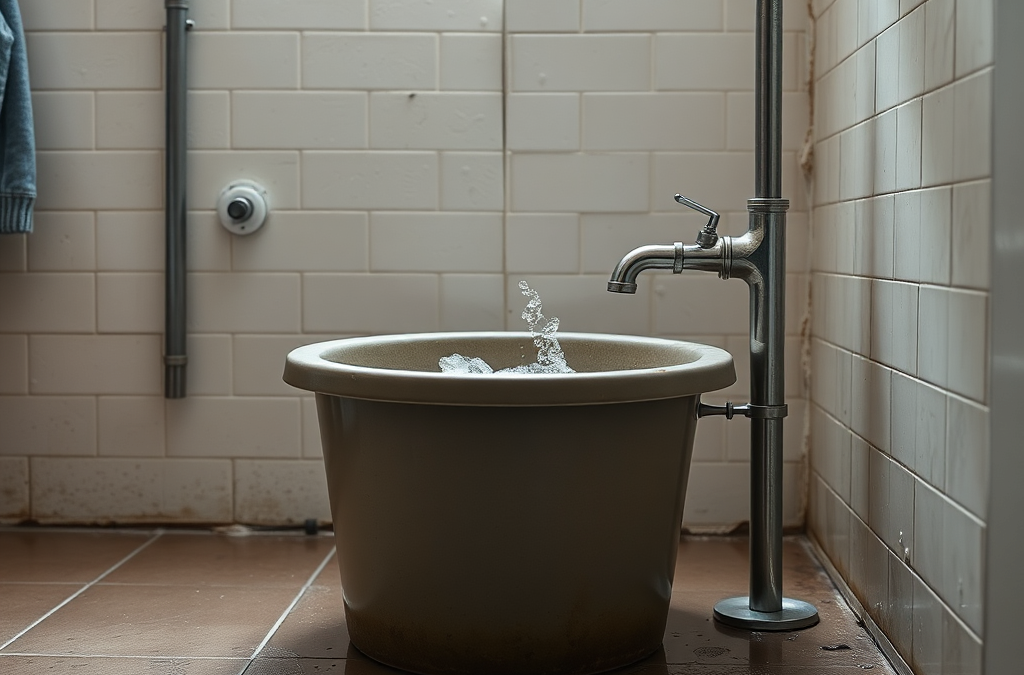
Sanitation planning when pumps stop before water service fails should separate drinking water from water needed for toilets, handwashing, cleaning, and waste control, because a pump outage can interrupt pressure, sewage movement, and fixture use before taps appear completely dry. Confirm which fixtures still flow, stop using toilets if flushing could push waste into a failed lift station, and reserve stored water for hygiene rather than spending it all on one flush. Set up a lined waste container, hand-cleaning station, leak watch, and communication plan while service remains available. Contact the utility or building manager early, especially if sewage backs up, vulnerable residents depend on powered equipment, or the pump serves a shared system.
Why a Pump Outage Can Precede a Water or Sewer Failure
A pump may stop while water service still appears normal because pressure, storage tanks, gravity flow, and building plumbing do not all depend on the same component. A booster pump can fail while a municipal main continues supplying lower floors. A well pump can stop while pressure remains in a tank for a limited period. A sewage lift pump can be offline while toilets still flush, even though wastewater is no longer being moved to the main sewer line. Treating every pump interruption as either harmless or a total water outage creates avoidable sanitation problems.
The first task is to identify what the pump serves. Check whether it supplies the whole property, only upper floors, a private well, a pressure system, a sump, or a sewage lift station. Ask the utility, landlord, building engineer, or facility operator whether the interruption affects incoming water, wastewater removal, or both. Do not rely only on whether a faucet produces water; a tap can flow briefly from stored pressure after the pump has stopped.
Wastewater equipment deserves particular attention. If a building depends on a lift station, continued flushing can fill a holding basin faster than the failed pump can empty it. The visible warning may not be a dry faucet but a slow drain, gurgling fixture, odor, alarm, or sewage appearing at a low drain. A gravity-connected home has a different risk profile, although a neighborhood sewer interruption can still cause backups.
Use a short status check before making household decisions:

- Test cold water at a low and high fixture briefly, then stop if flow is weak, discolored, or sputtering.
- Determine whether toilets drain normally and whether any fixture shows a backup warning.
- Locate pump alarms, shutoff controls, pressure gauges, and the lowest drain or plumbing fixture.
- Record the time the pump stopped and any utility estimate without assuming the estimate is exact.
A common mistake is to keep testing fixtures repeatedly. That consumes residual pressure, adds wastewater to a constrained system, and makes it harder to tell whether conditions are worsening. A single controlled check followed by monitoring gives better information. Readers who are building a broader sanitation planning when pumps stop before water service fails procedure should include this system-identification step before listing supplies.
Separate Water Priorities Before Pressure Changes
Stored water should be divided by purpose rather than treated as one interchangeable reserve. Drinking, food preparation, medication use, hand hygiene, toilet needs, and surface cleaning have different urgency and quality requirements. If a pump is failing but the public supply remains available, fill suitable containers while pressure is dependable, provided local advisories do not prohibit use. Avoid drawing so much water at once that neighbors, shared-building residents, or firefighting systems are affected.
Potable water belongs in clean, food-safe containers with secure covers. Mark containers by intended use and keep them away from fuel, chemicals, raw waste, and direct contamination. Water collected for toilet flushing or basic cleaning should not be confused with drinking water. If a source may be contaminated, boiling or treatment does not correct every chemical hazard, so follow the specific utility or public-health instruction rather than applying a universal treatment assumption.
Prioritization becomes more useful when the household has a realistic time horizon. A small family may protect drinking and handwashing water first, while a larger household, shared residence, childcare setting, or person with medical needs may need a formal allocation schedule. Flushing a toilet with several containers of potable water can consume a reserve needed for drinking and hand cleaning; a temporary toilet arrangement may use less water, but it introduces waste-handling responsibilities.
Keep a written allocation note showing:
- the amount reserved for drinking and food;
- the amount reserved for handwashing and personal hygiene;
- the non-potable supply available for cleaning or carefully managed flushing;
- the point at which normal fixture use stops and an alternate sanitation method begins.
Water conservation should not mean abandoning hygiene. Hand cleaning after toilet use, before food handling, and after contact with waste has higher sanitation value than washing every surface continuously. A basin, pour bottle, soap, disposable towels, and a covered graywater container can make limited water more effective. Alcohol-based hand sanitizer may be useful when hands are not visibly dirty, but it is not a complete substitute for soap and water in every contamination situation.
Weak planning often assumes that bottled water solves the entire problem. It covers drinking but does not address waste, odors, contaminated surfaces, or a toilet that cannot safely discharge. A useful sanitation plan therefore assigns water to tasks and identifies the equipment or method that replaces each unavailable pump function.
Build a Sanitation Setup for the First 24 Hours
A first-day sanitation setup should be ready before fixtures stop working, not assembled after a backup appears. Place supplies where they can be reached without crossing food-preparation areas: heavy-duty bags, a sturdy lidded container, absorbent material, gloves, soap, disinfecting products, paper towels, and a flashlight. Keep chemicals in original labeled containers, never mix cleaners, and provide ventilation when using them.
The container must be stable, washable on the outside, and large enough to prevent overfilling. A lined bucket or purpose-built emergency toilet can work for short-term use if it is kept away from food, closed between uses, and handled by an adult who understands the procedure. A flimsy open bin is a poor substitute because tipping, insects, leakage, and odor become harder to control. Absorbent material can reduce sloshing, but it does not make waste safe or eliminate the need for disposal instructions.
Personal hygiene needs its own arrangement. Set up a hand-cleaning station with a water container that pours without hands touching the outlet, soap or an appropriate sanitizer, and a way to collect runoff. Reserve a separate area for changing hygiene products, cleaning reusable items, and storing used towels. Households with infants, older adults, or someone with limited mobility should test the arrangement in advance; a toilet system that is technically available may still be impractical if it requires lifting, crouching, or a trip through a wet area.
A compact preparation sequence is:
- Confirm the pump function and identify whether the problem involves supply, drainage, or both.
- Collect and label water by use before pressure or service changes.
- Position the alternate toilet and hand-cleaning station on a stable, accessible surface.
- Stop food preparation in any area exposed to wastewater, leaks, or contaminated splash.
- Write down who will monitor odors, leakage, fill level, alarms, and utility updates.
Testing the setup matters more than buying the largest quantity of supplies. Pour water through the hand station, check that bags fit the container, and verify that gloves and cleaning materials are accessible. A common failure is storing sanitation supplies in a basement, garage, or locked utility room that may become inaccessible if flooding or a building closure develops.
Short-term convenience also has a tradeoff. Disposable items simplify cleanup but create more waste; reusable items reduce waste but require a safe washing method. Choose the arrangement that keeps waste contained and hands clean under the actual space, staffing, and water limits. If a shared building is involved, coordinate rather than placing an individual container beside a communal hallway or drain.
Manage Toilets, Waste, and Backflow Risks
Toilet use depends on where the waste goes after the bowl empties. A flush that looks normal can still send wastewater toward a full or inactive lift station. Before flushing, determine whether the building operator has issued a restriction and whether the lowest fixtures show slow drainage or backup. If sewage is rising, stop using connected fixtures and keep people and pets away from the affected area.
Do not improvise by forcing water into a toilet when the drainage path is uncertain. In a gravity system with a clear sewer route, an appropriately sized manual flush may be possible, but the property operator or utility should guide that decision. In a pump-dependent system, conserving flushes may protect the building from an indoor overflow. These are different situations, so advice that treats all toilets alike is unreliable.
Waste containment should focus on leakage prevention and contact reduction. Close or tie the liner according to the product and local disposal guidance, keep the outer container covered, and clean gloves or hands after handling it. Do not pour human waste, contaminated graywater, wipes, or cleaning chemicals into storm drains, yards, or outdoor areas. Do not flush wipes, paper towels, diapers, or other bulky materials even after service returns; they may worsen a partially restored system.
Pay attention to early signs that the plan is failing:
- a container is nearing its safe fill limit or the liner is slipping;
- odor persists despite closure, suggesting leakage or poor separation;
- drains gurgle, water level changes without use, or sewage appears at a low point;
- clean water and waste-handling tools are being stored together;
- people are skipping hand cleaning because the station is inconvenient.
Surface cleaning requires judgment. Remove visible contamination with disposable material first, contain the material, then use a suitable disinfectant according to its label. Disinfecting a visibly dirty surface without removing the soil may be less effective. Porous materials heavily contaminated by sewage may need disposal rather than repeated wiping. Wear protection appropriate to the task and seek public-health or professional advice for extensive contamination.
One misconception is that odor alone determines danger. Odor can signal a sanitation problem, but absence of odor does not prove that water, surfaces, or drains are safe. The better test is whether waste remains contained, hands can be cleaned, food areas are separated, and the plumbing status is known. For more detail, connect this section to the site’s sanitation planning when pumps stop before water service fails reference point.
Decision Points for Restoration and Escalation
Restoration should be treated as a verification process, not a single moment when a pump starts humming. A restart may produce pressure surges, cloudy water, trapped air, or repeated cycling. Wastewater equipment may operate intermittently while a basin is still recovering. Wait for the responsible utility or building operator to confirm the system status, then use a limited check rather than immediately running every fixture and appliance.
Begin with the information that changes the decision: Is water approved for normal use? Is sewage moving normally? Did the pump stop because of a power issue, a mechanical fault, a low source level, or an alarm condition? Has a boil-water, do-not-use, or sewer advisory been issued? A household can conserve stored water differently depending on those answers. A water-pressure problem calls for restraint and monitoring; a contamination advisory calls for compliance with the advisory even if water is flowing.
After authorization to resume, inspect low fixtures and visible pipe joints for leaks, run cold water briefly where instructed, and watch for unusual color, odor, sputtering, or drainage changes. Do not reset breakers repeatedly or bypass alarms. Electrical equipment, wet pump rooms, sewage-contaminated spaces, and damaged wiring require qualified help. Contact the utility, property manager, or licensed professional when sewage backs up, the pump trips again, a well system loses pressure, or contamination is suspected.
Escalate promptly for a household member who depends on powered medical equipment, has limited mobility, is very young, or cannot safely use an alternate toilet. Shared buildings should report conditions through the designated manager rather than creating competing repairs. Keep a simple log of pump status, water use, fixture behavior, alarms, and calls; that record helps distinguish a one-time interruption from a recurring failure.
The most practical success measure is not whether normal service returns quickly. It is whether the household avoids contaminated contact, protects its drinking reserve, prevents unnecessary wastewater loading, and knows when amateur troubleshooting has reached its limit. A prewritten contact list and a clearly marked sanitation station often matter more than an oversized supply pile because they reduce hesitation at the point when plumbing conditions change.
Frequently Asked Questions
Can water still run after a pump stops?
Yes. Stored pressure, elevated tanks, or gravity flow may keep fixtures running briefly. Flow does not prove that a well, booster, or wastewater pump is functioning normally.
Should toilets be flushed if a sewage pump is offline?
Ask the utility, building manager, or pump operator first. Continued flushing can fill a lift station and cause an indoor backup when wastewater cannot be moved.
What water should be saved first?
Protect water for drinking, food preparation, medication, and hand hygiene before allocating any reserve to flushing or general cleaning.
What is a practical temporary toilet option?
A sturdy, lined, covered container or purpose-built emergency toilet may work for short-term use when placed away from food and managed to prevent leaks and contact. Follow local disposal instructions.
When should a pump problem be treated as urgent?
Seek prompt assistance for sewage backup, contamination concerns, repeated pump trips, electrical hazards, rapidly falling pressure, or residents who cannot safely manage an alternate sanitation arrangement.
Further Reading
Authoritative Sources
- Academy of Nutrition and Dietetics
eatright.orgProfessional nutrition guidance, healthy eating resources, and practical dietitian-reviewed advice.
- U.S. Department of Agriculture
usda.govOfficial food, nutrition, agriculture, and consumer guidance from the USDA.
- NIH Office of Dietary Supplements
ods.od.nih.govResearch-based fact sheets on nutrients, supplements, dietary intake, and safety considerations.
- International Society of Sports Nutrition
sportsnutritionsociety.orgEvidence-informed sports nutrition resources and position stands for active people and athletes.
Conclusion
A pump outage can create a sanitation problem before a faucet stops, particularly when a property relies on stored pressure, a well system, or a sewage lift station. Identify the pump’s role, limit unnecessary fixture use, divide stored water by purpose, and prepare a covered waste and hand-cleaning station while conditions are still manageable. Treat slow drains, alarms, odors, and low-point seepage as warnings rather than inconveniences. Once service is restored, verify water and drainage in stages and follow utility instructions instead of assuming the system is fully safe. The next useful step is a short household drill: locate the controls, label water containers, test the alternate toilet setup, and record the contacts responsible for water and wastewater service.




