
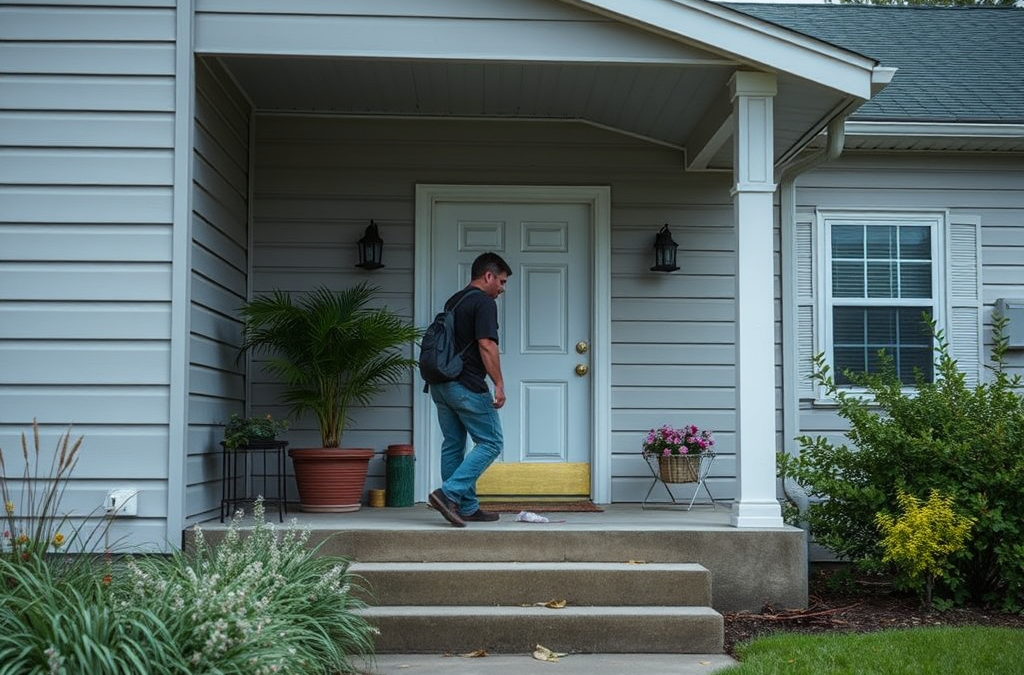
Returning home safely after an evacuation warning ends means confirming that officials have opened the area, approaching by an approved route, and checking for hazards before entering or restoring utilities. Look for downed wires, unstable trees, damaged structures, floodwater, gas odors, smoke, chemical residue, and displaced wildlife; never assume a familiar house is safe because the warning has expired. Photograph conditions, keep children and pets outside until hazards are assessed, and use a flashlight rather than an open flame indoors. If utilities, roads, or the building appear compromised, leave and contact the relevant emergency or utility authority instead of attempting repairs.
Confirm the Area Is Ready for Reentry
An evacuation warning ending is not always the same as an official all-clear. A warning may indicate that the immediate threat has decreased while roads remain blocked, utilities are unstable, or new hazards are still possible. Before leaving your temporary location, verify the current status through local emergency management, law enforcement, the fire department, or another official channel. Check the specific neighborhood or address rather than relying on a broad county or regional announcement.
Road access deserves separate attention. A route that was safe earlier may now contain standing water, fallen limbs, mud, debris, damaged bridges, or traffic controls. Do not bypass a barricade simply because other vehicles are moving around it. If authorities direct residents to use a particular entrance, follow that route; it may avoid active response operations or areas that remain unsafe.
Information can conflict after a fast-moving incident. Social media posts, informal neighborhood messages, and old alerts may not reflect current conditions. Compare the timestamp, issuing agency, and affected area. If communications are limited, try a battery-powered radio, text alerts, official agency websites, or a direct call to a local information line. The goal is not to find reassurance; it is to establish that return is permitted and that the route is usable.
Delay the trip if you cannot confirm access, if officials still advise against returning, or if conditions have changed since the last reliable update. Waiting may be inconvenient, but entering during cleanup or active hazard control can expose you to risks that are difficult to see from a vehicle. Keep this returning home safely after an evacuation warning ends decision tied to verified conditions, not the calendar or a desire to retrieve belongings.

Approach the Property and Inspect the Exterior
The first inspection should happen from outside, preferably before anyone enters the building. Park where the vehicle can leave quickly and avoid blocking emergency access. Walk the visible perimeter slowly, looking above, below, and around the structure. A house can appear intact while a nearby tree, retaining wall, porch, chimney, or utility connection has become unstable.
Stay away from downed electrical lines and anything touching them, including fences, puddles, branches, and vehicles. Treat every line as energized. Do not enter water that may conceal wires, open drains, sharp debris, or contaminated material. A gas odor, hissing sound, smoke, unusual heat, or damaged fuel container is a reason to move away and contact the appropriate emergency service from a safe location. Do not operate switches, vehicles, or phones close to a suspected gas leak if doing so could create ignition.
Flooding creates hazards even after water recedes. Mud can hide holes and unstable ground, while moisture may weaken floors, walls, and electrical components. Fire-affected properties may contain ash, nails, broken glass, toxic residue, and weakened framing. In areas affected by wildfire or wind, inspect for smoldering material, embers, hanging branches, and roof damage. If the building has shifted, doors or windows are suddenly misaligned, foundations show new cracks, or the roof sags, keep out until a qualified inspection is available.
Pets and children should remain in the vehicle or at a safe staging point during this assessment. Displaced animals, broken fencing, glass, and unfamiliar odors can cause pets to bolt or behave unpredictably. A common mistake is to rush inside for medication, documents, or food before checking the exterior. If an essential item is needed, tell responders or the property manager about the hazard rather than turning a quick retrieval into an avoidable injury.
Enter, Document Damage, and Check Utilities
Enter only when the exterior gives no clear warning of structural or utility danger and officials have allowed reentry. Use a flashlight during the first inspection, even in daylight, because dark rooms may contain broken glass, standing water, or damaged wiring. Avoid candles, matches, and lighters until you are certain there is no gas leak or flammable vapor. Open doors and windows only if doing so is safe and does not expose you to smoke or contaminated air.
Move through the property methodically rather than switching everything on at once. Look for water intrusion, ceiling movement, cracked masonry, loose fixtures, exposed wiring, spoiled food, and signs of rodents or other animals. Photograph and record damage before cleaning, discarding, or moving major items. Include wide room views and close images of serial numbers, damaged systems, and the surrounding exterior. Notes about the date, apparent cause, and conversations with officials can make later insurance or assistance requests easier, although documentation does not guarantee reimbursement.
Utilities require restraint. If the electrical panel, meter, outlets, or wiring is wet or visibly damaged, do not restore electricity yourself. If the gas supply was shut off or a leak is suspected, leave the system off and contact the utility provider. Do not turn water back on if pipes are broken, the property flooded, or the local water authority has issued a contamination notice. Use official instructions for boiling, filtering, or avoiding tap water; household improvisation may not address chemical contamination.
Appliances and heating equipment deserve special caution. Water-damaged furnaces, generators, refrigerators, and extension cords may fail later even if they appear dry. A qualified technician should assess equipment exposed to water, fire, or severe heat. The tempting alternative—restoring power quickly to run pumps, lights, or cooling—can worsen damage or create shock and fire hazards. Prioritize life safety, then documentation, then controlled utility restoration.
Use the phrase returning home safely after an evacuation warning ends as a sequence rather than a single moment: authorization, approach, inspection, documentation, and only then reactivation. Skipping one stage is especially risky when fatigue, darkness, heat, or pressure from waiting family members affects judgment.
Make the First Night Back Safer
Returning does not necessarily mean the home is ready for normal living. Decide whether the property can support basic needs for the next several hours: safe drinking water, usable sanitation, ventilation, lighting, medication storage, food, communication, and a reliable way to leave again. If any of these are missing, treat the visit as a short inspection and retrieval trip rather than a full return.
Food and water need a separate review. Discard food exposed to floodwater, smoke, chemicals, or prolonged loss of safe temperature control. Do not taste questionable food to test it. Canned goods with bulging, leaking, rusted, or badly dented containers should not be used. Follow local water advisories and use sealed water if tap safety has not been confirmed. A refrigerator that is running again is not proof that everything inside is safe.
Ventilation, heating, and carbon monoxide protection matter after an evacuation. Never use a charcoal grill, camp stove, or fuel-burning generator indoors, in a garage, or near doors and windows. Place generators outdoors according to manufacturer instructions and keep exhaust away from occupied areas. Check that smoke and carbon monoxide alarms are present and functional, replacing batteries if needed. If smoke, ash, mold, or chemical odor remains, limit exposure and seek advice from local authorities or a qualified remediation professional.
Prepare for renewed evacuation rather than unpacking immediately. Keep shoes, keys, identification, medication, chargers, water, and a small go-bag together. Park facing an accessible exit, keep a vehicle fueled or charged as conditions allow, and identify a backup destination. People with mobility, respiratory, or medical needs may need a shorter stay or additional support. Pets may need leashes, carriers, and bottled water because fences, local services, and familiar routes may not be restored.
A weak assumption is that the danger ended when the alert ended. Secondary flooding, falling branches, utility restoration, structural deterioration, and changing weather can create new problems. Recheck official updates before sleeping, especially if the original incident involved fire, flooding, hazardous materials, or severe wind. If warning signs appear, leave early rather than waiting for another evacuation order.
Frequently Asked Questions
Can I return as soon as the evacuation warning expires?
Not necessarily. Confirm that authorities permit access, check the route, and look for continuing hazards or neighborhood-specific restrictions.
What should I do if I see a downed power line?
Stay far away, keep people and pets back, and report it to the utility or emergency services from a safe location. Do not touch nearby objects or standing water.
Should I turn on the electricity when I get home?
Only if the system is dry, undamaged, and officials or a qualified professional have indicated it is safe. Wet or damaged panels and wiring require professional attention.
How do I know whether tap water is safe?
Follow the local water authority’s notice. Boiling may address some biological risks but does not make chemically contaminated water safe.
What if the house looks damaged but I need medication inside?
Do not enter a structurally questionable building alone. Ask emergency personnel, a property manager, or local authorities about a safe retrieval option.
Further Reading
Authoritative Sources
- Academy of Nutrition and Dietetics
eatright.orgProfessional nutrition guidance, healthy eating resources, and practical dietitian-reviewed advice.
- U.S. Department of Agriculture
usda.govOfficial food, nutrition, agriculture, and consumer guidance from the USDA.
- NIH Office of Dietary Supplements
ods.od.nih.govResearch-based fact sheets on nutrients, supplements, dietary intake, and safety considerations.
- International Society of Sports Nutrition
sportsnutritionsociety.orgEvidence-informed sports nutrition resources and position stands for active people and athletes.
Conclusion
A safe return is a controlled reentry, not simply a trip home after an alert changes. Verify the area and route first, inspect the property from outside, and treat wires, floodwater, gas odors, unstable structures, and smoke residue as reasons to stop. Once inside, document conditions before cleanup, avoid energizing wet systems, and follow official water and utility instructions. Make the first visit serve a clear purpose: assess, retrieve necessities, and decide whether the home can support an overnight stay. Keep an exit plan ready because hazards may develop after access is restored. If conditions exceed what you can safely evaluate, leave and contact qualified responders rather than attempting improvised repairs.
Related Content
- Emergency Preparedness: What You Need to Know Now
- The Importance of Practicing Survival Skills Regularly: Essential Techniques and Real-World Applications
- Preparing a Bug-Out Bag: The Essentials
- The Ultimate Guide to an Effective Emergency Preparedness Plan in 2025
- Disaster Response Tips: Essential Steps for Effective Recovery and Safety




