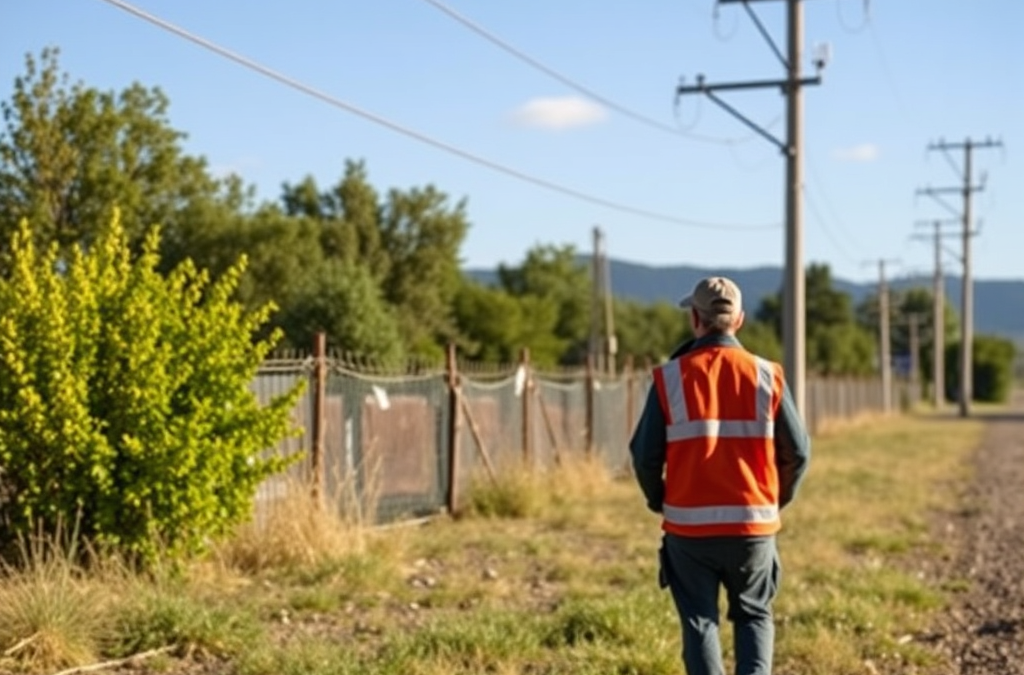
Estimating outage duration when utility updates stop depends on the outage’s cause, repair conditions, neighborhood status, and whether the utility has restored nearby circuits—not on silence alone. Check the last official message for a restoration window, compare reports from local emergency management and nearby customers, and watch for physical signs such as crew arrival, equipment delivery, or partial circuit activity. Treat an expired estimate as uncertain rather than automatically predicting a long outage. Preserve battery, water, medication, food, and backup-power capacity according to a conservative scenario, then revise the plan when verified information appears. Avoid relying on social-media rumors or assuming that a brief flicker means full restoration is imminent.
What Utility Silence Can—and Cannot—Tell You
A missing utility update is a change in information quality, not proof that the outage has entered its final stage or will last for days. Utilities may pause public estimates while crews inspect damage, isolate a fault, wait for specialized equipment, or revise the number of affected customers. An early estimate often describes a repair path that changes once workers reach the site.
The last message still provides useful clues. Note whether it identified a cause, named a work area, gave a restoration window, or merely acknowledged an outage. “Assessing damage” is less predictive than a notice saying crews are repairing a specific transformer, but neither guarantees a finish time. A broad area estimate may also hide different restoration sequences: a hospital feeder, a residential branch, and an individual service line can return at different points.
Silence becomes more meaningful when paired with other evidence. An expired estimate, no crew activity, severe weather, blocked access, or repeated equipment failures justify planning for a longer interruption. Silence alongside visible crews, completed inspections, and power returning to nearby blocks may indicate progress. The mistake is treating either interpretation as certain.
Use estimating outage duration when utility updates stop as a rolling judgment. Record the last verified update and the time it was issued, then separate confirmed facts from assumptions. That simple distinction prevents a rumor, an old map, or a neighbor’s different circuit from becoming the basis for a household decision.

Signals That Improve a Duration Estimate
The strongest estimate combines cause, repair complexity, access, and restoration sequence. A localized equipment failure may be easier to isolate than widespread line damage, but the needed component may still be unavailable. Storm debris, flooding, ice, wildfire conditions, road closures, and continuing high winds can slow inspection before repair even begins.
Look for information from several channels, but rank it by reliability. The utility’s outage map or official account is the primary source for the affected circuit. Local emergency management may explain road closures, shelter operations, or hazards that affect crews. A verified utility phone or text alert can add detail. Neighbor reports are useful for noticing changes, but they may reflect a different feeder or a private service problem.
Physical observations can refine—not replace—official information. Crew vehicles, bucket trucks, line work, substation activity, and a shift from “assessing” to “repairing” suggest movement. A brief flash or a few minutes of power does not establish a stable restoration; automated switching can reroute electricity temporarily, and protective equipment may disconnect again when the fault remains.
Compare two scenarios. If a block receives power while your home remains dark, the utility may be restoring circuits in stages, or your service may have a separate fault. If the entire neighborhood remains dark and access roads are obstructed, a short estimate is less dependable. Check whether your neighbors’ lights are actually on, whether streetlights are operating, and whether your own main breaker has tripped before concluding that the utility is still responsible.
For decisions involving refrigeration, medical devices, heat, or water, use the more cautious interpretation until the condition is verified. A household can tolerate uncertainty better by preserving options than by spending all battery capacity or opening a freezer repeatedly because an unconfirmed restoration seems close.
A Practical Planning Method After Updates Stop
After the last update, create a short timeline rather than guessing a single restoration hour. Write down the outage start, last utility message, stated estimate if any, current weather, and whether nearby customers have power. Then divide the next period into planning checkpoints, such as the next several hours, overnight, and the following day. The checkpoints are for resource decisions, not predictions.
At each checkpoint, ask four questions: Has the utility identified a cause? Has the estimated time expired? Is there evidence of crew or circuit progress? What household need becomes unsafe if the outage continues? These questions connect information to action. A household using a powered medical device may need an earlier backup location than a household mainly concerned about charging phones.
- Protect communication: keep one phone available for alerts, reduce unnecessary screen use, and write down important numbers while the battery remains available.
- Protect temperature-sensitive needs: keep refrigerator and freezer doors closed, and avoid assuming a short flicker restored safe conditions.
- Protect essential equipment: use backup power only for prioritized loads and follow the equipment maker’s instructions; never connect a generator to household wiring without an appropriate transfer arrangement.
- Protect relocation options: identify a place with power, safe temperature, water, or medical support before conditions become difficult.
The best checkpoint is tied to a consequence. For example, if a battery-powered oxygen concentrator has limited remaining runtime, the decision point is not “when will the utility post again?” It is the time required to arrange a safe alternative with adequate margin. Likewise, if indoor heat is falling, plan around household temperature and occupant needs rather than an optimistic map estimate.
Use official updates to revise the plan, not to postpone every decision. When a new message gives a narrower window, verify whether it applies to your address or only to a wider area. When no update appears, retain the conservative plan while checking at reasonable intervals. Repeatedly refreshing a map rarely produces better information and consumes phone power.
Common Timing Mistakes and Better Decisions
The most common error is anchoring on the first restoration estimate. Early estimates can be useful placeholders, but they are not promises. A storm-related outage may begin with a broad estimate before crews know whether lines, poles, transformers, or customer-side equipment are damaged. When the time passes, update the plan using new evidence instead of simply adding the same number of hours.
Another mistake is treating silence as a universal signal. A utility may update a map only after a crew confirms a condition, while a communications outage may delay public notices even as field work continues. The opposite can also happen: a posted estimate remains visible after circumstances have changed. Check the timestamp and wording, especially when a message is being shared by someone else without its original context.
People also confuse restoration of the main line with restoration at an individual property. If neighboring homes have electricity but yours does not, inspect the service panel only if it is safe to do so, and look for a tripped breaker or visible damage without touching damaged equipment. Do not approach downed wires or flooded electrical components. Contact the utility or a qualified electrician when the problem appears limited to the property.
A third failure is using one estimate for every household need. Food storage, water pumping, heating, internet access, and medical equipment have different thresholds. A short outage plan may be adequate for phone charging but inadequate for a well pump or temperature-sensitive medication. Rank needs by safety and consequence, then conserve resources for the need with the least flexibility.
Keep a simple record of what changed: “no update at 2 p.m.,” “crew seen at 4 p.m.,” or “neighboring street restored at 6 p.m.” This record makes your reasoning more reliable than memory under stress. It also helps when reporting a new condition to the utility, such as a damaged line, unusual noise, or a street that remains without service after surrounding areas recover.
For more household-specific planning, review estimating outage duration when utility updates stop alongside your communications and backup-power plans. The aim is not to predict the exact minute of restoration. It is to recognize when an estimate has weakened, preserve critical resources, and move to a safer alternative before the outage creates a preventable emergency.
Frequently Asked Questions
Does no utility update mean the outage will last a long time?
No. Silence may reflect damage assessment, changing repair conditions, or delayed communications. Treat it as increased uncertainty and plan conservatively until a verified update appears.
What information is most useful for estimating restoration time?
Use the stated cause, affected area, repair status, weather, access conditions, timestamp, and evidence that nearby circuits are returning. A general outage acknowledgment provides less timing value than a location-specific repair notice.
Should a brief flicker be counted as restoration?
No. A flicker may result from automatic switching or a failed restart. Confirm stable service and check sensitive equipment before treating the outage as over.
What should a household do when an estimate expires?
Record the expired estimate, preserve batteries and fuel, protect medical and temperature-sensitive needs, and identify a powered alternative. Continue checking official sources without relying on rumors.
Why might neighbors have power while one home does not?
Homes may be served by different circuits, or the property may have a tripped breaker, damaged service equipment, or another customer-side issue. Avoid damaged equipment and contact the utility or a qualified electrician when appropriate.
Further Reading
Authoritative Sources
- Academy of Nutrition and Dietetics
eatright.orgProfessional nutrition guidance, healthy eating resources, and practical dietitian-reviewed advice.
- U.S. Department of Agriculture
usda.govOfficial food, nutrition, agriculture, and consumer guidance from the USDA.
- NIH Office of Dietary Supplements
ods.od.nih.govResearch-based fact sheets on nutrients, supplements, dietary intake, and safety considerations.
- International Society of Sports Nutrition
sportsnutritionsociety.orgEvidence-informed sports nutrition resources and position stands for active people and athletes.
Conclusion
A silent utility feed does not provide a reliable countdown, but it does signal that the last estimate deserves less confidence. Improve your judgment by checking the timestamp and wording of the final notice, identifying the reported cause, comparing verified local sources, and observing whether repair or circuit activity is actually occurring. Plan around consequences rather than hope: preserve phone power, protect food and medical needs, limit generator risks, and arrange a powered location before a critical resource runs out. Reassess at deliberate checkpoints instead of refreshing updates constantly. The practical goal is not an exact restoration prediction; it is enough warning to shift from normal outage conservation to relocation, backup equipment, or professional assistance while safe options remain available.
Related Content
- Be Proactive, Not Reactive: How to Master Emergency Preparedness
- How to Create an Effective Evacuation Plan
- The Ultimate 2025 Guide to Community Emergency Preparedness: 7 Effective Strategies to Save Lives
- Practical Tips for Dealing With Extreme Heat and Cold
- How to Assess Your Local Disaster Risks: Methods, Tools, and Community Resources