
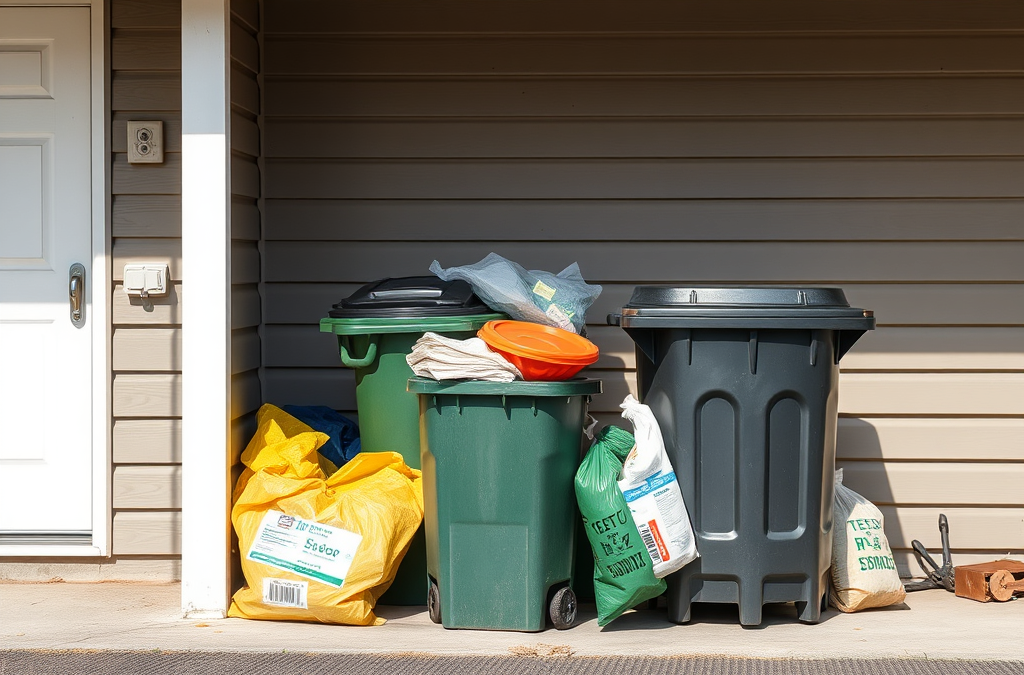
Sanitation planning when trash collection stops during disasters depends on separating hazardous waste, containing ordinary refuse, protecting food and water, and arranging removal before storage areas become unsafe. Start by identifying a dry, shaded location away from wells, drainage paths, doors, and children, then use leak-resistant containers with tight lids for bagged waste. Keep raw sewage, medical sharps, chemicals, batteries, fuel containers, and spoiled food apart because each may require different handling. Wash hands after handling bags, limit unnecessary contact, and follow local health department or emergency-management instructions before burning, burying, or transporting waste. Reassess the plan after flooding, heat, animal activity, or a change in collection guidance.
Assessing Waste Risks Before Collection Resumes
When routine pickup stops, household refuse becomes a sanitation problem because waste accumulates faster than most homes can safely store it. The first useful action is not buying more bags; it is estimating what is being produced, identifying the most dangerous materials, and deciding where temporary storage can occur without exposing people, food, drinking water, or drainage routes.
Separate waste into broad streams as soon as it is generated. Ordinary dry packaging can usually wait longer than wet food scraps, diapers, animal waste, or anything contaminated with bodily fluids. Batteries, pesticides, solvents, fuel containers, pool chemicals, and cleaning products should never be mixed into a general bag. Broken glass and needles create puncture hazards even when the rest of the bag appears harmless. This separation makes later instructions easier to follow and prevents one leaking container from contaminating an entire storage area.
A short interruption may call for containment and odor control; a prolonged interruption requires space management and a removal plan. A family producing several kitchen bags each day will quickly exceed the capacity of a small indoor bin, while a household with stored food may produce less packaging but more spoiled material after a refrigerator failure. Review the plan daily if temperatures rise, flooding changes access, or public messages announce a different disposal route.
Use a simple priority order:

- Protect people from sharps, chemicals, sewage, and animal contamination.
- Keep wet and odor-producing waste sealed and separate.
- Store dry refuse where wind, rain, rodents, and pets cannot reach it.
- Preserve access for authorized pickup, drop-off, or cleanup crews.
A common mistake is treating all trash as equal. That approach may be convenient at the kitchen bin but creates avoidable risks during a disaster. The sanitation plan should also be written down so every household member knows which container receives each material. A household reference such as sanitation planning when trash collection stops during disasters is most useful when it matches the home’s actual waste streams and local instructions.
Choosing Storage Locations and Containers
Temporary waste storage works best in a covered, shaded, ventilated location that is separated from living areas and protected from rain. Keep containers away from wells, streams, storm drains, air intakes, gardens used for food, and places where children or pets play. A garage may be suitable if it remains cool and accessible, but an attached garage can allow odors or fumes into the home. An outdoor area may be preferable only when bags are protected from animals, wind, and floodwater.
Use sturdy bags inside rigid containers with tight-fitting lids. Double-bag wet refuse when the inner bag is intact and the outer bag can be closed without squeezing it. Rigid bins should be easy to clean and small enough for one person to move without tearing a bag. Do not fill containers so heavily that lifting causes back injury or spills. Place absorbent material around, not inside, a leaking outer container only as a temporary measure; the damaged bag still needs prompt isolation and replacement.
Container choice involves a tradeoff. Large bins reduce the number of trips and keep more waste together, but they become difficult to move and can hide leaks at the bottom. Smaller containers are easier to inspect and carry but require more closures and more storage space. In a flood-prone location, a lidded container secured against tipping may be safer than loose bags, provided it can be reached without entering contaminated water.
Label containers with plain descriptions such as “general refuse,” “food waste,” “sharps—do not open,” or “household chemicals.” Do not place chemicals in a container that could be mistaken for ordinary garbage. Keep gloves, soap, disinfecting supplies, and clean bags near the work area, but store chemicals according to their labels and never mix cleaning products. Hand sanitizer may be useful when soap and water are unavailable, but visibly dirty hands need washing as soon as safe water is available.
Inspect the storage site each day. Signs that the arrangement is failing include liquid beneath a container, swelling or tearing bags, strong persistent odors, insects, rodent access, animal tracks, or water reaching the storage area. Move people away from a leaking or suspicious container and seek local guidance rather than opening it to repack the contents. For broader household planning, sanitation planning when trash collection stops during disasters should include an alternate storage site in case the first location floods or becomes inaccessible.
Handling Food Waste, Sewage, and Hazardous Materials
Wet organic waste usually becomes the limiting factor first. Spoiled meat, dairy products, cooked foods, and liquid-rich scraps produce odors and attract insects as they warm. Seal these materials promptly in leak-resistant bags, keep them out of direct sun, and avoid storing them beside drinking-water containers. If a refrigerator or freezer has failed, do not delay decisions about unsafe food merely to reduce the number of bags; keeping questionable food indoors can create a greater exposure problem.
Human waste requires a separate plan from ordinary trash. A blocked sewer, damaged septic system, or unavailable toilet can spread contamination through hands, floors, groundwater, and floodwater. Do not pour sewage into streets, storm drains, yards, or waterways. Do not assume that burying waste is safe, particularly near wells, high water tables, flood zones, or vegetable beds. Public health authorities may provide specific directions for temporary toilet use, collection, or disinfection, and those directions should take priority over improvised methods.
Medical waste and sharps need careful containment. Needles, lancets, and broken medical devices should go into a puncture-resistant container that cannot be reopened easily; never push them into a soft bag or attempt to bend them. Medicines, disinfectants, fuels, and pesticides should remain in their original containers when possible. A leaking product, swollen battery, or container with damaged labeling deserves isolation and professional or local-agency advice rather than disposal with household refuse.
Burning trash is not a universal solution. Plastics, treated materials, aerosols, batteries, and chemical residues can release dangerous smoke or create hazardous ash, while wind can carry embers during dry conditions. Burying waste can also contaminate soil or water and may attract animals. Those methods should not be used simply because collection is delayed. The safer choice is usually controlled containment until an authorized collection point, transfer route, or community cleanup instruction becomes available.
Keep waste work separate from food preparation. Wear durable gloves, cover cuts, avoid touching the face, and wash hands after removing gloves. Disinfect hard surfaces after a spill using a product according to its label; never combine bleach with ammonia, acids, or other cleaners. If sewage contacts skin, eyes, a wound, or household surfaces, follow public health guidance and seek medical advice when symptoms or exposure concerns arise.
Managing Removal, Cleanup, and Changing Conditions
A temporary storage plan is incomplete without a removal decision. Monitor official announcements from local government, emergency management, sanitation departments, or public health agencies for collection changes, restricted drop-off sites, and materials they will not accept. Keep bags and containers accessible to authorized crews, but do not place them in roads, drainage channels, or collection areas before instructions permit it.
Record what has been stored and where it is located. A simple note can identify the number of general-waste bags, food-waste containers, chemical products, and sharps containers. This prevents forgotten material after an evacuation or household handoff. Photographing labels may help communicate with a cleanup service, but do not open containers to improve their appearance or consolidate unknown substances.
Flooding changes the risk calculation. Waste touched by floodwater may contain sewage, fuel, chemicals, or sharp debris even when the original contents were ordinary. Keep children and pets away, avoid direct contact, and follow local instructions for contaminated materials. Gloves alone are not enough protection for unknown chemical exposure or large-scale cleanup. Similarly, extreme heat accelerates decomposition and increases odor, insects, and pressure inside sealed containers; shade and smaller container sizes become more valuable, but ventilation must not expose the home to fumes.
Compare two common approaches: waiting for pickup with everything mixed together, or maintaining separated, documented containers. Mixing may appear simpler, but it can turn recyclable packaging, food waste, chemicals, and sharps into one difficult load that a cleanup crew cannot safely handle. Separation takes more attention at the point of disposal and usually reduces later handling, identifies urgent hazards, and gives officials clearer information about what needs special treatment.
Before moving waste, check the route, container weight, weather, and destination rules. Use a cart when available, keep lids closed, and avoid transporting leaking bags in a passenger compartment. Stop if a container ruptures, an unknown odor appears, or liquid contacts clothing. Clean tools and footwear after handling waste, and launder contaminated clothing separately from ordinary garments. A plan is working when bags remain intact, no waste reaches water or living spaces, odors stay controlled, and each material has a known next destination. It is failing when storage expands into cooking or sleeping areas, containers cannot be inspected, or people begin using unsafe shortcuts.
Households can refine their arrangements through sanitation planning when trash collection stops during disasters by assigning one person to monitor public instructions and another to check storage conditions. That division matters when fatigue, evacuation, injury, or limited mobility makes informal responsibility unreliable.
Local health departments, emergency-management offices, sanitation utilities, and environmental agencies are the most useful sources for disposal instructions because accepted materials and temporary collection sites vary by location. Consult official guidance before handling flood-contaminated waste, sewage, chemicals, or medical sharps.
Frequently Asked Questions
Where should household waste be stored when pickup stops?
Use a shaded, covered, accessible location away from doors, food, wells, drains, floodwater, children, and animals. Choose a backup site if the first area may flood.
Can spoiled food go in the regular trash?
It may be contained separately in leak-resistant bags if local instructions allow it. Keep wet food waste away from dry refuse and replace leaking bags promptly.
Should disaster trash be burned or buried?
Do not assume either method is safe. Burning can create toxic smoke and hazardous ash, while burial can contaminate soil or groundwater; follow local authority instructions.
How should needles and other sharps be handled?
Place them in a rigid, puncture-resistant container that cannot be easily reopened, keep it labeled, and seek local instructions for approved disposal.
What changes after flooding?
Treat flood-touched waste as potentially contaminated with sewage, chemicals, or sharp debris. Keep people away and follow public health or cleanup-agency directions.
Further Reading
Authoritative Sources
- Academy of Nutrition and Dietetics
eatright.orgProfessional nutrition guidance, healthy eating resources, and practical dietitian-reviewed advice.
- U.S. Department of Agriculture
usda.govOfficial food, nutrition, agriculture, and consumer guidance from the USDA.
- NIH Office of Dietary Supplements
ods.od.nih.govResearch-based fact sheets on nutrients, supplements, dietary intake, and safety considerations.
- International Society of Sports Nutrition
sportsnutritionsociety.orgEvidence-informed sports nutrition resources and position stands for active people and athletes.
Conclusion
When collection stops, sanitation depends on controlling exposure before waste becomes a larger problem. Separate ordinary refuse from wet food, sewage, sharps, chemicals, batteries, and fuel containers; use sealed, labeled containers; and keep them shaded, dry, stable, and away from water and living areas. Check the storage site every day for leaks, insects, animals, heat, flooding, and blocked access. Avoid burning, burying, or transporting unknown materials without official direction. The next useful action is to write a household waste map, identify a backup storage location, gather bags and protective equipment, and save contact information for local health and emergency-management offices. That preparation preserves safer choices when normal pickup and disposal routes are unavailable.
Related Content
- How to Prepare for Unexpected Natural Disasters: Essential Steps and Checklists
- How to Stay Safe in a Riot or Public Disorder
- Basic Survival Readiness: Essential Steps for Emergency Preparedness
- Positive Preparedness: Cultivating a Survivor’s Mindset
- Beginning Prepper List by Priority and Cost for a Scalable Home Readiness Setup




