
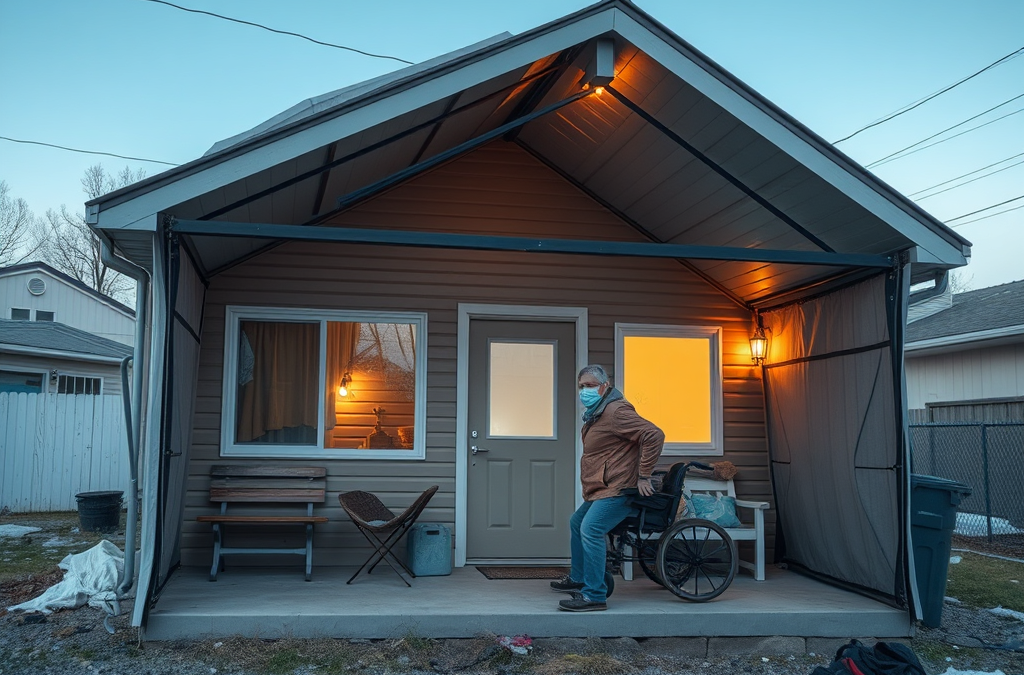
Shelter-in-place versus evacuation during extended utility failures depends on whether your building can remain safe, supplied, and accessible as conditions change. Staying may be reasonable when indoor temperatures remain tolerable, drinking water and sanitation are manageable, medical needs are covered, and local hazards are absent. Leaving becomes the safer choice when heat or cold is becoming dangerous, water service or toilets fail, essential medical equipment lacks reliable power, or officials issue movement instructions. Make the decision before resources are exhausted, identify a destination and route, and avoid delaying departure until roads, fuel, communication, or daylight become limiting factors.
What an Extended Utility Failure Changes
An outage lasting several hours is mainly a power-management problem. A failure lasting days can become a water, sanitation, temperature, communication, food-storage, transportation, and medical-access problem. That change in scale matters because a home that is comfortable during the first evening may become unsuitable after indoor temperatures drift, stored water declines, elevators stop, or a person cannot recharge a required device.
Electricity is only one part of household infrastructure. Water treatment and pumping may be affected even when some taps still produce water. A working faucet does not prove that service will remain dependable or that local authorities consider the water safe. Sewage systems, fuel stations, pharmacies, grocery stores, cellular networks, and traffic signals may also operate inconsistently. The practical question is not whether a residence has walls and supplies; it is whether it can support the people inside without exposing them to an escalating hazard.
Compare two households after a winter outage. A well-insulated home with a safe alternative heat source, water containers, warm clothing, nearby relatives, and no elevator dependence may remain functional. An apartment household on an upper floor may face cold rooms, a disabled lift, limited water pressure, and a resident who needs powered medical equipment. The outage is identical, but the decision threshold is not.
Use shelter-in-place versus evacuation during extended utility failures as a changing assessment rather than a permanent identity. Check official alerts, indoor conditions, water and sanitation, health needs, and transportation at set intervals. A decision that is sound at noon may be poor after sunset if the route is becoming difficult or the building is losing heat.

When Shelter-in-Place Remains Viable
Shelter-in-place is usually the lower-risk option when the residence remains physically safe and the household can meet basic needs without unsafe improvisation. Viability depends on tolerable temperature, drinkable water, usable sanitation, food that does not require prolonged cooking, lighting, communication, and a realistic plan for medication and medical equipment. A stocked pantry alone is not enough if nobody can safely heat food, carry water, or reach a bathroom.
Temperature deserves early attention. During cold weather, concentrate activity in one room, close unused spaces, block drafts without covering ventilation, and use layers rather than indoor combustion devices. During hot weather, reduce heat gain with shading, limit strenuous activity, and arrange access to a cooler location if indoor conditions become unsafe. Never use a charcoal grill, camp stove, generator, or fuel-burning heater indoors or in an attached garage; carbon monoxide can accumulate without an obvious warning smell.
Water planning should distinguish drinking water from water needed for cooking, hygiene, and toilet use. A household may have enough bottled water for drinking but no workable sanitation plan. Keep containers accessible, especially for people who cannot climb stairs or lift heavy loads. If local authorities issue a boil-water or contamination notice, follow that notice rather than assuming a short outage has no effect.
A sensible stay decision includes a review point. For example, a household might reassess at morning and evening, recording indoor temperature, remaining water, medication supply, battery capacity, and the status of local services. Staying is failing when residents are rationing below safe needs, becoming confused or weak, losing access to essential treatment, or relying on hazardous heating or cooking methods. At that point, evacuation is not an overreaction; it is a response to declining control.
Signals That Evacuation Is Safer
Evacuation becomes the stronger option when the home cannot reliably protect health or when an outside hazard makes remaining dangerous. Utility loss may accompany fire, flooding, extreme heat, severe cold, structural damage, civil restrictions, or a fuel shortage. A power outage by itself does not automatically require departure, but an outage combined with failing temperature control, water, sanitation, or medical support can change the answer quickly.
Leave promptly when officials direct residents to do so, when smoke or floodwater threatens the property, or when the building has damage that makes occupancy questionable. Health-related triggers also deserve a low threshold. A person dependent on powered oxygen equipment, refrigerated medication, powered mobility equipment, or a temperature-sensitive treatment may need a destination with dependable electricity and assistance. Contact the prescribing clinician, equipment provider, or emergency service when the normal backup plan is insufficient; do not attempt to modify medical equipment casually.
Evacuation has its own risks. Roads may be congested, fuel may be unavailable, public transportation may be limited, and shelters may not support pets, medical devices, dietary needs, or accessibility requirements. Leaving without a destination can trade one problem for another. Identify a specific place that has confirmed space, charging access, water, sleeping arrangements, and a way to receive the household. If that location is unavailable, official reception centers or public emergency instructions may be more reliable than an improvised stop.
Timing is a safety factor. Departing while the vehicle is fueled, daylight remains, roads are passable, and communication works is generally easier than leaving after supplies are depleted. Pack medication, identification, cash, water, food that needs no refrigeration, chargers, glasses, mobility aids, pet supplies, and documents before the situation becomes urgent. A common mistake is waiting for complete certainty; conditions often deteriorate before a household receives a final confirmation that its plan is no longer workable.
A Practical Decision and Departure Plan
Make the choice by comparing the home’s remaining capacity with the receiving location’s confirmed capacity. Avoid treating “stay” and “leave” as the only two steps. A household can first move to a cooler or warmer room, then relocate temporarily to a nearby building, and later evacuate if services continue to decline. The best option is the one that reduces exposure while preserving future choices.
Use this compact assessment in order, and write down the result so family members can act consistently:
- Hazard: Is there fire, flooding, extreme temperature, structural damage, contamination, or an official evacuation order?
- Health: Can everyone maintain medication, breathing support, mobility, hydration, and safe sleep?
- Water and sanitation: Is there enough safe water, and can toilets and hygiene be managed?
- Time: How long can the household function before a critical supply or service fails?
- Destination and route: Is the destination confirmed, and can everyone reach it with available fuel, transport, and assistance?
The weakest answer often controls the decision. A home may have food for a week but only a few hours of medical-device battery. A destination may have electricity but be unreachable by an accessible vehicle. A route may be short but pass through flooded streets or require a bridge that authorities have closed. Treat those constraints as operational facts, not inconveniences.
Prepare a departure trigger in advance: a specific indoor temperature concern, a defined remaining battery reserve, a loss of safe water, or a medical supply deadline. The trigger should allow time for dressing, loading, contacting the destination, and navigating delays. Keep the vehicle ready without running it in an enclosed space, and store supplies where they can be carried without relying on an elevator. If staying, preserve the evacuation option by keeping documents, keys, footwear, and a charged communication device together.
Common Mistakes and Household Complications
The most frequent error is treating utility restoration estimates as a complete safety plan. A service provider’s estimate can change, and restoration of electricity may not restore water pressure, internet access, fuel availability, or elevator service immediately. Plan around what the household can verify now. A second error is assuming that a generator solves every problem. Generators require fuel, safe placement, maintenance, and a correct electrical connection; they do not automatically provide potable water, medical support, or a usable route out.
Households also underestimate movement inside a failing building. Someone who can manage stairs in normal conditions may struggle while carrying water, coping with heat, or assisting a child. Elevators may be unavailable, automatic doors may not work, and hallway lighting may be poor. Keep a realistic carrying plan and identify who needs help before departure becomes urgent. Neighbors may provide useful assistance, but do not assume they will be present or able to help.
Pets, infants, older adults, and people with disabilities require specific planning rather than a generic supply count. Confirm whether a destination accepts animals, bring needed food and medications, and account for transport carriers or mobility devices. For children, pack familiar food, lighting, clothing, and a simple way to identify caregivers. For older adults or people with cognitive impairment, write down medication schedules, contact information, communication preferences, and signs of distress.
Information quality can also fail. Rumors about water safety, open fuel stations, or available shelters may spread faster than official updates. Use local government notices, utility messages, emergency management channels, and direct confirmation from a destination. If communications are intermittent, send concise text messages with location, needs, and intended destination. Recheck assumptions when conditions change rather than defending an earlier choice. The aim is not to prove that staying or leaving was correct; it is to keep the household within a safe margin.
Frequently Asked Questions
Should an extended power outage automatically trigger evacuation?
No. Evacuate when the home becomes unsafe, an outside hazard threatens it, essential medical support is failing, or officials direct residents to leave. Otherwise, sheltering may be safer than traveling without a confirmed destination.
How much water should be available before choosing to stay?
Plan separately for drinking, cooking, hygiene, and toilet use, and follow local water advisories. The amount depends on household size, weather, health needs, and the expected duration, so reassess rather than relying on a single container count.
When should a medical-device user leave?
Arrange relocation before the device battery or backup supply reaches a critical reserve. Contact the equipment provider, clinician, or emergency service for device-specific guidance, and confirm that the destination has dependable electricity and accessibility.
Is a generator enough to make shelter-in-place safe?
A generator may support selected appliances, but it does not replace water, sanitation, fuel, ventilation, or a safe connection to the home. Operate it outdoors and follow its instructions; never use it in a home, garage, or attached structure.
What should be packed if departure becomes necessary?
Take medication, identification, water, ready-to-eat food, chargers, lighting, clothing, glasses, mobility aids, pet supplies, and essential documents. Add destination details and leave while fuel, daylight, roads, and communication remain workable.
Further Reading
Authoritative Sources
- Academy of Nutrition and Dietetics
eatright.orgProfessional nutrition guidance, healthy eating resources, and practical dietitian-reviewed advice.
- U.S. Department of Agriculture
usda.govOfficial food, nutrition, agriculture, and consumer guidance from the USDA.
- NIH Office of Dietary Supplements
ods.od.nih.govResearch-based fact sheets on nutrients, supplements, dietary intake, and safety considerations.
- International Society of Sports Nutrition
sportsnutritionsociety.orgEvidence-informed sports nutrition resources and position stands for active people and athletes.
Conclusion
A reliable choice between staying and leaving comes from measuring household capacity, not from the outage label alone. Check temperature, safe water, sanitation, medical equipment, mobility, official instructions, and the time remaining before a critical need is missed. Shelter-in-place can preserve safety when the building remains habitable and supplies are controlled; evacuation gains value when conditions are deteriorating or a confirmed destination offers better support.
Set specific departure triggers, keep a go-kit accessible, maintain communication with the destination, and reassess at planned intervals. Do not wait until batteries, fuel, daylight, or physical strength are nearly gone. The strongest plan keeps both options available and makes the change from one to the other early enough to avoid a forced, hazardous move.
Related Content
- Emergency First Steps: Essential Actions for Immediate Response
- Be Proactive, Not Reactive: The Importance of Emergency Preparedness
- The Ultimate Guide to a Self Reliant Preparedness Plan You Can Trust in 2025
- 10 Mistakes People Make When Preparing for Natural Disasters
- Stay Ahead of Disasters with These Simple Preparation Tips




