
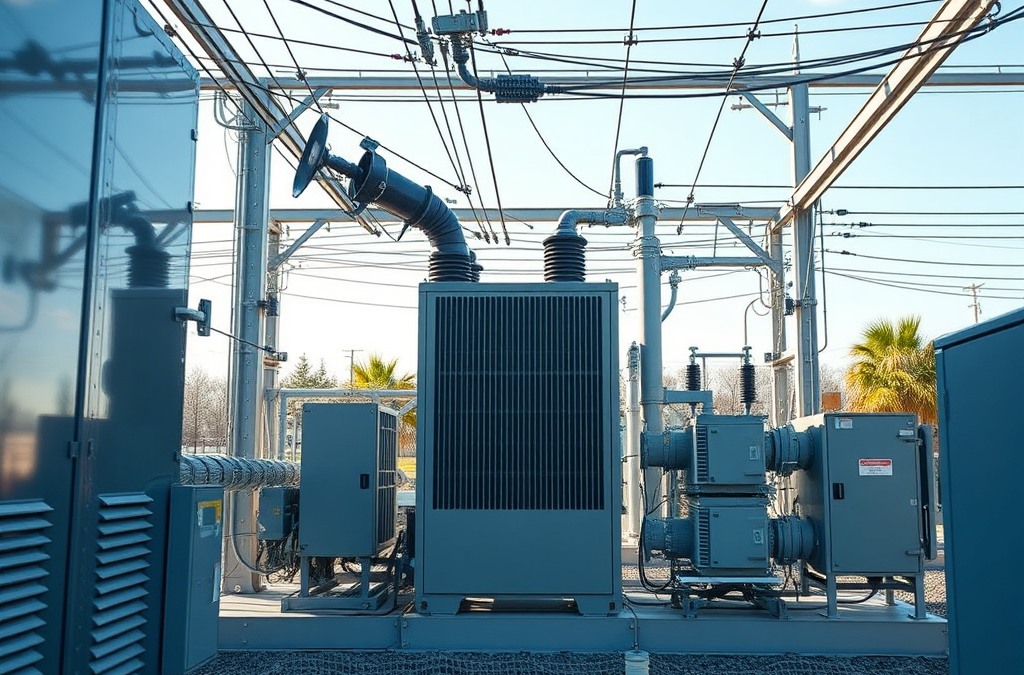
Relying on a single power source poses substantial risks, including vulnerability to outages and operational disruptions. A failure in this primary energy supply can halt critical functions, leading to financial losses and reputational damage. To safeguard against these threats, organizations should diversify their energy sources and establish robust backup systems. Implementing a multi-source strategy not only enhances resilience but also ensures continuity in operations during unforeseen events, such as natural disasters or equipment failures. Regular assessments of power infrastructure can further mitigate risks and improve overall reliability.
Understanding the Vulnerabilities of a Single Power Source
Relying on a single power source poses significant vulnerabilities that can impact both personal and organizational operations. When a power grid or generator is the only source of energy, any disruption—be it from natural disasters, equipment failure, or maintenance issues—can lead to complete power loss. This situation is particularly critical for businesses that rely on continuous energy supply for production, data management, or customer service.
Many underestimate the potential frequency and severity of outages, often believing that their primary power source is infallible. However, the reality is that aging infrastructure, climate change, and increased demand can strain power systems, leading to unexpected failures. For example, during extreme weather events, power lines may become damaged, causing widespread outages. Organizations that do not account for these risks may face not only operational disruptions but also reputational damage and financial losses.
The Impact of Power Outages on Operations
Power outages can have devastating effects on operations, particularly for industries that require constant energy supply. The immediate impact is often the halt of production lines, which can lead to significant financial losses. Moreover, companies may incur additional costs related to restarting operations, lost data, and potential damage to equipment due to abrupt power interruptions.
For instance, a manufacturing facility that depends on automated machinery may find that even a brief outage can lead to hours of downtime, not to mention the risk of damaging sensitive equipment. Furthermore, businesses that operate in sectors such as healthcare can face dire consequences, where power failure might compromise patient safety. These scenarios illustrate the importance of assessing the risks associated with a single power source and preparing for contingencies.

Redundancy: Why It Matters for Power Systems
Establishing redundancy within power systems is crucial for mitigating the risks associated with relying on a single power source. Redundancy involves having backup systems or alternative energy sources that can immediately take over in case the primary source fails. This approach significantly enhances resilience and reliability, ensuring that critical operations can continue uninterrupted.
For example, many data centers employ uninterruptible power supplies (UPS) and backup generators to maintain operations during an outage. By doing so, they can avoid data loss and maintain service availability. Additionally, integrating renewable energy sources, such as solar or wind, alongside traditional power grids can provide an extra layer of security. This diversification not only helps in managing outages but also reduces dependency on any single energy source, aligning with sustainability goals.
Strategies for Diversifying Power Sources
Diversifying power sources is a practical strategy that organizations can adopt to minimize risks associated with reliance on a single power source. One effective approach is to integrate various energy solutions, including renewable energy options like solar panels, wind turbines, and battery storage systems. This not only enhances resilience but also aligns with growing sustainability initiatives.
Organizations can start by conducting a thorough energy audit to assess their current power consumption and identify potential alternative sources. Investing in hybrid systems that combine traditional and renewable energy can also be beneficial. Furthermore, establishing agreements with multiple energy providers can ensure a steady supply, even if one provider experiences issues. Ultimately, these strategies not only safeguard against outages but also contribute to a more sustainable energy future.
Frequently Asked Questions
What are the main risks of relying on a single power source?
The main risks include power outages, system overload, and lack of redundancy, which can disrupt operations and lead to significant losses.
How can I mitigate risks associated with a single power source?
Mitigation can be achieved by diversifying energy sources, implementing backup systems, and conducting regular risk assessments.
What are some examples of backup power systems?
Examples include uninterruptible power supplies (UPS), backup generators, and renewable energy systems like solar panels.
Why is redundancy important in power systems?
Redundancy is vital because it ensures continuous power supply during outages, enhancing operational resilience and reliability.
What should organizations consider when diversifying power sources?
Organizations should assess current energy consumption, explore renewable options, and establish contracts with multiple providers to ensure reliability.
Further Reading
Authoritative Sources
- Grid Modernization and Smart Grid
energy.govThis resource provides insights into modernizing power grids to enhance reliability and resilience
- Renewable Energy Basics
nrel.govA foundational document explaining the benefits and integration of renewable energy sources into existing systems
- Mitigation Strategies for Reducing Disaster Risk
fema.govThis guide outlines various strategies for mitigating risks associated with power outages and other disasters
Conclusion
Relying on a single power source presents significant risks that can jeopardize operational continuity and safety. By understanding these vulnerabilities and implementing strategies such as redundancy and diversification, organizations can enhance their resilience against power disruptions. It is crucial to conduct regular assessments of energy needs and explore alternative energy solutions to safeguard against potential outages. Prioritizing a multi-source approach not only mitigates risks but also aligns with sustainability efforts, ensuring a dependable and eco-friendly energy future.
Related Content
- The First Step in Preparedness Planning Is Risk Identification: A Hazard-Based Priority Checklist
- Building an Emergency Shelter with Minimal Tools
- The Risks of Neglecting First Aid Supplies in Kits: Common Mistakes and Consequences
- How to Evaluate the Safety of Your Bug-Out Location: Key Factors and Practical Steps
- How to Safely Dispose of Waste During Disasters