
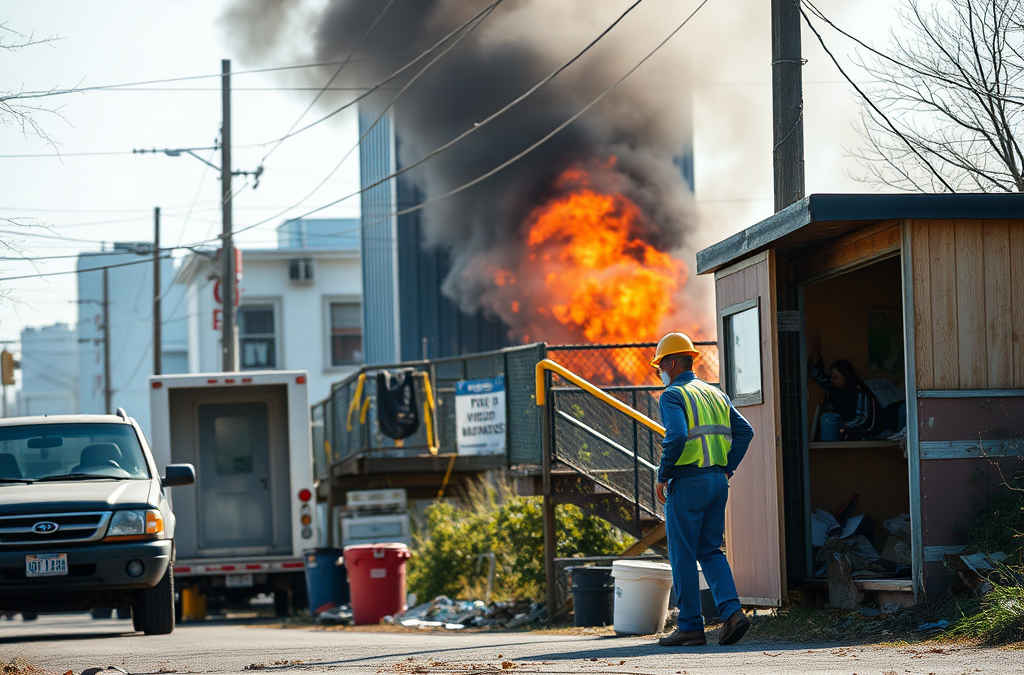
To prepare for urban versus rural emergencies, it's essential to recognize the distinct challenges each environment presents. In urban areas, prioritize identifying evacuation routes and maintaining access to emergency services, as high population density can complicate response efforts. Conversely, in rural settings, focus on self-sufficiency, ensuring you have adequate supplies and alternative communication methods, such as ham radios, to stay informed when traditional services may be limited. A common mistake in both environments is underestimating the importance of community networks; engaging with neighbors and local organizations can significantly enhance your preparedness and resilience during emergencies.
Understanding Urban Emergency Preparedness
Urban emergency preparedness focuses on the unique characteristics and risks of densely populated areas. High-rise buildings, crowded public spaces, and limited access to natural resources can complicate response efforts. Key priorities include identifying evacuation routes, ensuring access to emergency services, and maintaining communication networks during crises. Urban environments may face specific threats such as natural disasters, terrorist attacks, or civil unrest, making it essential to understand the nature of these risks.
One common mistake in urban preparedness is underestimating the importance of local resources. Residents often rely solely on government assistance without considering the critical role of community networks. Engaging with local organizations, participating in drills, and knowing your neighbors can significantly enhance collective resilience in an emergency scenario.
Navigating Rural Emergency Challenges
In contrast, rural emergencies present different challenges, such as longer response times and limited access to emergency services. Rural areas often lack the infrastructure found in cities, making self-sufficiency a priority. Residents must be prepared for scenarios where outside help may be delayed or unavailable, such as during natural disasters or widespread emergencies.
Common pitfalls in rural preparedness include neglecting communication strategies. Without reliable cell service or internet access, residents may struggle to receive critical information. Establishing alternative communication methods, such as ham radios or community bulletin boards, can ensure that residents stay informed and connected during crises.

Essential Supplies for Different Environments
Both urban and rural preparedness require specific supplies tailored to the environment. Urban residents should focus on compact, portable items that are easy to store and transport, such as emergency kits, portable chargers, and first aid supplies. In contrast, rural residents should prioritize bulk supplies, including food, water, and medical resources, to sustain them during extended emergencies.
When preparing supplies, consider the unique risks associated with your location. For example, urban areas may require items like fire extinguishers due to higher fire risks, while rural homes should stock additional fuel for generators or alternative heating sources during power outages. Creating a checklist of essential items based on your environment can help streamline your preparedness efforts.
Creating an Emergency Response Plan
An effective emergency response plan is crucial for both urban and rural settings. This plan should outline specific actions to take during various emergencies, including evacuation routes, communication strategies, and designated meeting points. In urban areas, plans may emphasize quick exits and access to public transportation, while rural plans should focus on self-sufficiency and resource management.
Regularly reviewing and practicing your emergency response plan can significantly improve readiness. Conduct drills, update contact information, and involve family members in discussions about what to do in different scenarios. This proactive approach not only familiarizes everyone with the plan but also highlights potential gaps that need addressing.
For more information on emergency preparedness, consider visiting reputable sources such as the Federal Emergency Management Agency (FEMA) and local community preparedness programs, which provide valuable resources and guidance tailored to your specific environment.
Frequently Asked Questions
What are the key differences in preparing for urban and rural emergencies?
Urban emergencies require quick evacuation and access to services, while rural emergencies focus on self-sufficiency and resource management.
How can I create an effective emergency response plan?
Your plan should include evacuation routes, communication methods, and designated meeting points tailored to your environment.
What essential supplies should I have for urban emergencies?
Urban supplies include portable emergency kits, first aid items, and portable chargers for devices.
What supplies are most important for rural preparedness?
Rural preparedness should focus on bulk supplies like food, water, and medical resources for extended self-sufficiency.
How often should I review my emergency plan?
Regularly review and practice your emergency plan at least once a year to ensure everyone is familiar with the procedures.
Further Reading
Authoritative Sources
- Library of Congress Research Guides
guides.loc.govResearch guides that help readers locate reliable background sources on a wide range of subjects
- USA.gov Official Information and Services
usa.govOfficial U.S. government information and public resources for practical reference
- Google Scholar
scholar.google.comAcademic search resource for finding research literature and source material
Related Content
- How to Balance Prepping With Daily Life: Practical Steps and Priorities
- Preparing for the Worst: A Comprehensive Guide to Disaster Preparedness
- The Hidden Costs of Prepping Supplies: Understanding Long-Term Financial Implications
- 10 Effective emergency shelter options for 2025: The Ultimate Guide
- How to Build a 72-Hour Survival Kit: The Ultimate Guide




