
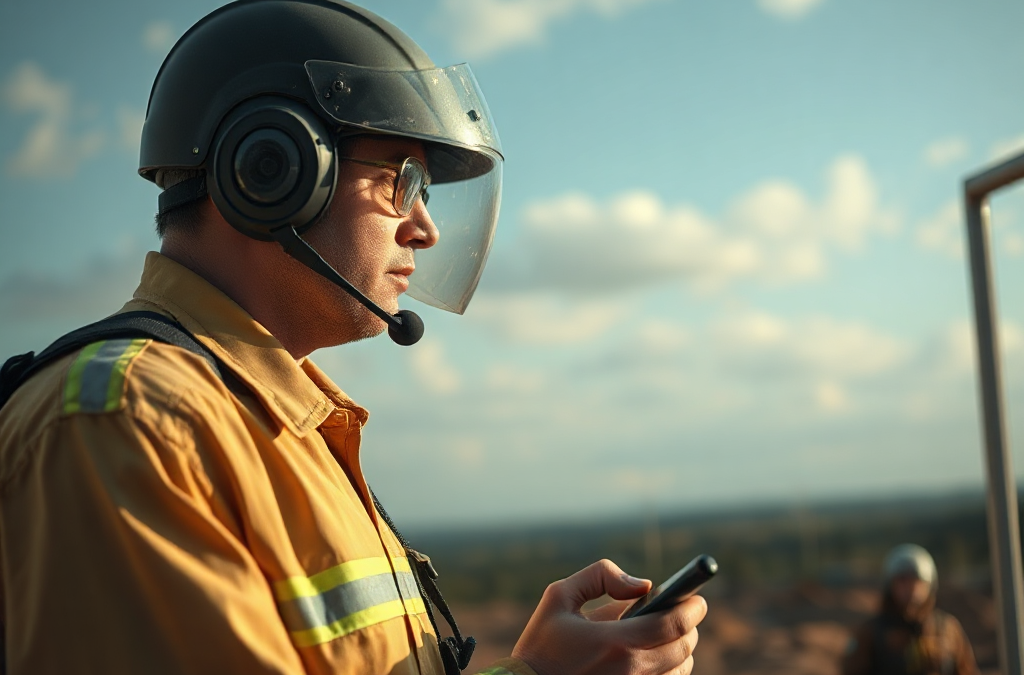
Situational awareness is essential in disaster planning as it enables individuals and organizations to respond effectively to emergencies. By actively monitoring surroundings and anticipating potential threats, responders can make informed decisions that enhance safety and resource management. For instance, utilizing technology like real-time data sensors can significantly improve response times during crises. Additionally, regular training and drills can help teams develop the skills necessary to maintain situational awareness, ensuring they are prepared for unexpected developments. Ultimately, fostering a culture of situational awareness can save lives and mitigate the impact of disasters.
Understanding Situational Awareness
Situational awareness refers to the perception and comprehension of one’s environment and the ability to predict how it may change. In the context of disaster planning, it is crucial for identifying threats and recognizing opportunities for effective response. This concept encompasses not only understanding the immediate surroundings but also anticipating the implications of various scenarios that could unfold during a disaster.
Situational awareness is built on three key components: perception, comprehension, and projection. Perception involves gathering information about current conditions, while comprehension entails understanding what that information means in the context of potential disasters. Finally, projection is about anticipating future events based on the current understanding. Together, these components create a framework for making informed decisions in high-stress situations.
Key Elements of Situational Awareness in Disaster Planning
Effective situational awareness in disaster planning involves several critical elements that enhance preparedness and response capabilities. These elements include continuous monitoring, effective communication, and the integration of technology to support decision-making.
Continuous monitoring requires the use of various tools and sensors to gather real-time data about environmental conditions, potential threats, and resource availability. This data can be analyzed to provide insights that inform planning and response strategies. For instance, weather monitoring systems can alert emergency services to impending storms or floods, allowing for timely evacuations and resource deployments.

Effective communication is another vital aspect of situational awareness. Establishing clear communication channels ensures that information flows smoothly among all stakeholders, including emergency services, government agencies, and the public. Regular drills and training sessions can help reinforce communication protocols and ensure that everyone knows their roles in a crisis.
Lastly, integrating technology such as Geographic Information Systems (GIS) and mobile applications can significantly enhance situational awareness. These tools provide visual representations of data, enabling responders to assess risks and allocate resources more efficiently. By leveraging technology, organizations can make informed decisions that improve response times and overall effectiveness.
Real-World Applications and Case Studies
Examining real-world applications of situational awareness in disaster planning reveals its effectiveness in various scenarios. One notable example is the response to Hurricane Katrina in 2005. The lack of situational awareness among authorities exacerbated the disaster’s impact, highlighting the need for improved preparedness and communication strategies.
In contrast, the response to Hurricane Sandy in 2012 demonstrated the benefits of effective situational awareness. Authorities utilized advanced modeling and monitoring techniques to predict the storm’s path and impact, allowing for timely evacuations and resource allocation. This proactive approach resulted in fewer casualties and more efficient emergency response efforts.
Another example can be found in wildland fire management. Firefighting agencies use real-time data and predictive modeling to assess fire behavior and spread. This information is critical for making decisions about evacuations, resource allocations, and containment strategies. By maintaining situational awareness, these agencies can effectively respond to wildfires and minimize damage to communities.
Common Mistakes in Situational Awareness
Despite the critical importance of situational awareness, common mistakes can undermine its effectiveness in disaster planning. One frequent error is over-reliance on technology without adequate human oversight. While technology can provide valuable data, it is essential to combine it with human judgment and experience to make informed decisions.
Another common pitfall is failing to conduct regular training and drills. Situational awareness skills can diminish over time without practice, leading to poor performance in real emergencies. Regular training helps reinforce communication protocols and ensures that all team members are familiar with their roles and responsibilities.
Additionally, neglecting to engage the community in disaster planning can lead to gaps in situational awareness. Community members often possess valuable local knowledge that can enhance overall preparedness. Involving them in the planning process fosters a sense of ownership and encourages proactive behavior during emergencies.
For those interested in exploring the topic further, it is beneficial to consult authoritative sources that discuss situational awareness in disaster planning. Resources such as FEMA guidelines, emergency management literature, and case studies from disaster response agencies can provide in-depth insights.
Frequently Asked Questions
What is situational awareness in disaster planning?
Situational awareness in disaster planning involves understanding the environment, recognizing potential threats, and predicting how situations may evolve, enabling effective decision-making during emergencies.
Why is situational awareness important during a disaster?
It enhances responsiveness and safety by allowing individuals and organizations to anticipate hazards, allocate resources effectively, and react swiftly to changing circumstances.
How can technology improve situational awareness?
Technology such as GIS and real-time monitoring systems provides critical data that helps organizations assess risks and make informed decisions during disasters.
What are common mistakes in maintaining situational awareness?
Common mistakes include over-reliance on technology, failing to conduct regular training, and neglecting community involvement in disaster planning.
How can communities enhance situational awareness?
Communities can enhance situational awareness by engaging in disaster planning, participating in drills, and sharing local knowledge that can inform emergency response strategies.
Further Reading
Authoritative Sources
- Ready.gov Preparedness Guidance
ready.govFederal preparedness guidance for household planning, alerts, supplies, and emergencies
- American Red Cross Emergency Preparedness
redcross.orgEmergency preparedness resources for families, disasters, and practical safety planning
- FEMA Preparedness Resources
fema.govNational preparedness resources for planning, mitigation, and response readiness
Conclusion
Situational awareness is a fundamental aspect of effective disaster planning. By understanding its components and actively engaging in continuous monitoring, communication, and training, individuals and organizations can significantly improve their preparedness and response capabilities. Prioritizing situational awareness not only enhances safety but also fosters a culture of proactive engagement within communities, ultimately leading to better outcomes during disasters.




