Storing large quantities of prepper supplies presents challenges such as limited space, organization issues, and preservation concerns. To address these, preppers should consider utilizing vertical storage solutions and underused areas like attics or basements to maximize space. Implementing a clear labeling system and maintaining an updated inventory can streamline access to supplies, reducing waste and ensuring items are used before expiration. Additionally, climate control measures are vital for preserving perishable goods, helping to maintain their quality and extend shelf life.
Understanding Space Constraints
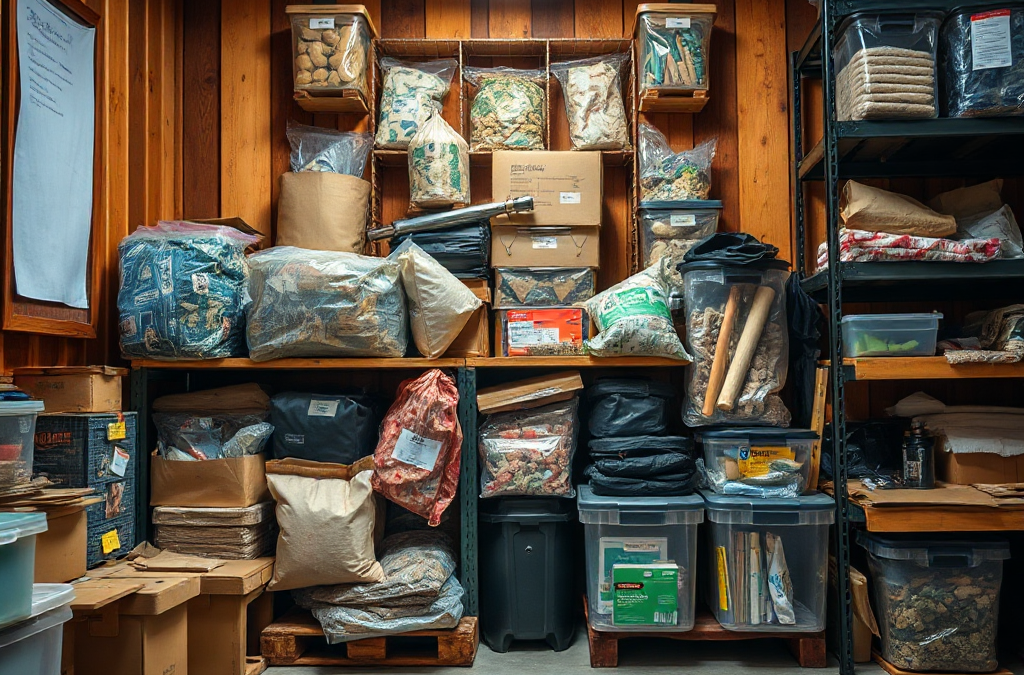
Storing large quantities of prepper supplies often begins with recognizing the limitations of available space. Many preppers face challenges in urban environments where storage areas are confined. This limitation can lead to inefficient use of space and may hinder the ability to stockpile essential items. To combat this, consider vertical storage solutions, such as shelving units and wall-mounted racks, which maximize the use of vertical space.
Additionally, utilizing underutilized areas like attics, basements, and even under furniture can create more room for supplies. Assessing the dimensions and layout of your storage area is crucial. For instance, using clear bins can help stack items while maintaining visibility, thus preventing the need to dig through boxes to find necessary supplies.
Effective Organization Techniques
Once space is optimized, the next challenge is organizing supplies effectively. A disorganized storage area can lead to wasted time and resources, as finding specific items becomes increasingly difficult. Implementing a labeling system is vital; categorize items by type, expiration date, or usage frequency. This not only speeds up access but also aids in inventory management.
Moreover, maintaining a detailed inventory list can enhance organization. Digital tools or simple spreadsheets can allow for real-time updates on stock levels and expiration dates, ensuring that supplies are rotated and used effectively. Regularly scheduled inventory checks can help identify items that need to be used soon, thus preventing waste.

Preservation Methods for Different Supplies
Preservation is critical in maintaining the viability of prepper supplies, especially perishable items. Different types of supplies require various preservation methods. For example, canned goods and dry foods often have long shelf lives, but they still need to be stored in a cool, dry place to prevent degradation. Consider investing in climate control options like dehumidifiers to maintain optimal storage conditions.
For more sensitive items, such as seeds or medicinal herbs, vacuum sealing can extend their shelf life significantly. Additionally, employing methods like freezing or dehydration for food items can preserve their nutritional value. Understanding the specific needs of each type of supply ensures that they remain usable when needed most.
Common Mistakes in Storage
Even seasoned preppers can fall victim to common storage mistakes. One significant error is neglecting the importance of rotation. Supplies should be used in the order they were acquired to ensure nothing goes to waste. Implementing the First In, First Out (FIFO) method can help mitigate this risk.
Another common mistake is underestimating the impact of environmental factors on supplies. Storing items in areas prone to moisture or extreme temperatures can lead to spoilage or deterioration. Regularly monitoring storage conditions and making necessary adjustments is vital to maintaining an effective prepper supply cache.
Frequently Asked Questions
What types of storage solutions are best for prepper supplies?
Using shelving units, clear bins, and vacuum-sealed containers can optimize space and organization for prepper supplies.
How can I prevent spoilage of food supplies?
Store food in cool, dry places, use vacuum sealing for perishables, and regularly check expiration dates to prevent spoilage.
What is the FIFO method?
The FIFO method stands for First In, First Out, which means using older supplies before newer ones to reduce waste.
How often should I check my prepper supplies?
Regular inventory checks every 3-6 months are recommended to ensure supplies are up to date and in good condition.
What common mistakes should I avoid when storing supplies?
Avoid neglecting rotation, underestimating environmental impacts, and failing to label items clearly.
Further Reading
Authoritative Sources
- Library of Congress Research Guides
guides.loc.govResearch guides that help readers locate reliable background sources on a wide range of subjects
- USA.gov Official Information and Services
usa.govOfficial U.S. government information and public resources for practical reference
- Google Scholar
scholar.google.comAcademic search resource for finding research literature and source material
Conclusion
Successfully storing large quantities of prepper supplies requires strategic planning and organization. By understanding space constraints, employing effective storage techniques, and utilizing proper preservation methods, preppers can create a reliable supply cache. Prioritizing these elements will not only enhance preparedness but also ensure that supplies remain viable when needed most. Regular inventory management and awareness of common pitfalls will further streamline the process, leading to a more effective preparedness strategy.
Related Content
- Prepare For A Hurricane
- Disaster Preparedness: The Basics Of Emergency Situation Supplies
- How can I plan for unexpected challenges in disaster scenarios?
- How to Prepare Your Home Like a Pro: Top 7 Tips for 2025
- The Impact of Seasonal Changes on Prepping Strategies: Adapting Supplies and Techniques for Every Season