
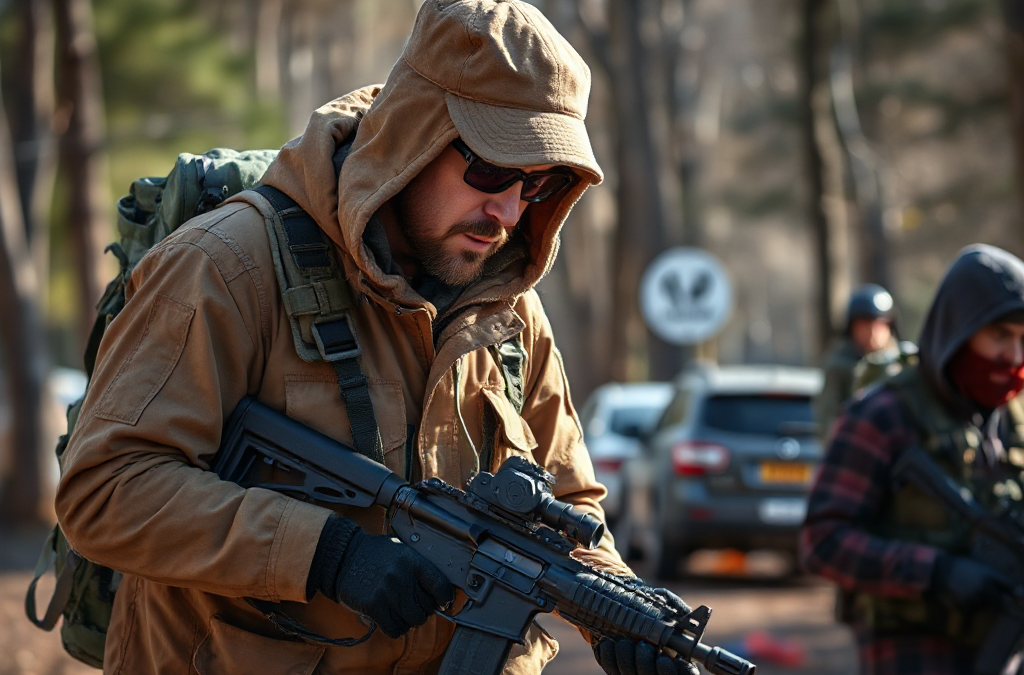
Regularly practicing survival skills is essential for effective emergency preparedness and response. Engaging in consistent training not only builds muscle memory but also enhances your ability to react swiftly and confidently in high-pressure situations. For instance, mastering techniques like CPR or fire-making through repeated practice can significantly increase your chances of success when faced with real-life challenges. Additionally, regular drills help you identify areas for improvement, ensuring a well-rounded skill set that can adapt to various emergencies. By committing to routine practice, you empower yourself to handle unexpected crises with clarity and decisiveness.
Understanding Survival Skills
Survival skills encompass a range of techniques that enable individuals to sustain themselves in emergency situations, whether in the wilderness or urban environments. These skills can include fire-making, shelter construction, navigation, first aid, and food procurement. Understanding these skills is the first step toward effective preparation, as each skill addresses specific needs that may arise during a crisis.
Knowing the fundamentals of survival skills is essential, but the true value lies in their practical application. For example, someone may understand how to start a fire but may struggle to do so under pressure if they have not practiced regularly. Therefore, incorporating these skills into routine practice ensures that individuals are not only knowledgeable but also capable of executing these techniques efficiently.
Benefits of Regular Practice
Regular practice of survival skills leads to numerous benefits that enhance an individual’s preparedness for emergencies. One of the primary advantages is the development of muscle memory, which allows for quicker and more effective responses during high-pressure situations. For instance, practicing how to perform CPR or use a tourniquet can make the difference between life and death in a medical emergency.
Additionally, consistent training helps individuals identify their strengths and weaknesses. This self-awareness is crucial for understanding which skills require more focus and practice, ultimately leading to a more comprehensive skill set. Furthermore, regular practice fosters confidence, enabling individuals to face unexpected challenges with a calm demeanor and clear decision-making.

Common Mistakes in Survival Training
Many individuals overlook the importance of realistic training scenarios when practicing survival skills. A common mistake is practicing skills in a controlled environment that does not mimic real-world conditions. For example, practicing fire-making indoors with all the necessary tools may not prepare someone for the challenges of creating a fire in the rain using limited resources.
Another mistake is neglecting to update and adapt skills based on changing circumstances or advancements in techniques. Survival skills should evolve with new information and technology. For instance, learning about the latest first aid practices or navigation tools can significantly enhance one’s preparedness.
Real-World Applications of Survival Skills
The application of survival skills can vary widely depending on the environment and situation. For example, in a natural disaster such as a hurricane or earthquake, survival skills such as emergency communication, first aid, and resource management become vital. Individuals trained in these skills are more likely to remain calm, assess their situation, and take appropriate action.
Moreover, survival skills are not limited to extreme situations. Everyday scenarios, such as getting lost during a hike or dealing with a minor injury, also highlight the importance of these skills. Regular practice ensures that individuals are prepared for both extraordinary and ordinary challenges, enhancing their overall resilience.
Frequently Asked Questions
How often should I practice survival skills?
It is recommended to practice survival skills at least once a month to maintain proficiency and confidence.
What are the most important survival skills to learn?
Essential survival skills include first aid, fire-making, shelter building, navigation, and food procurement.
Can survival skills be learned online?
Yes, many reputable organizations offer online courses that cover various survival skills effectively.
What should I include in a survival kit?
A survival kit should include items like a first aid kit, water purification tools, a fire starter, a multi-tool, and emergency food supplies.
How can I simulate real-world survival scenarios?
Engaging in outdoor activities, such as camping or hiking, can help simulate real-world survival scenarios and improve practical skills.
Further Reading
Authoritative Sources
- American Red Cross
redcross.orgThis resource provides comprehensive first aid training and emergency preparedness information
- Survival Skills Institute
survivalskills.comA platform offering courses and resources on various survival techniques and skills
- National Park Service
nps.govOffers guidelines and tips for outdoor safety and survival in national parks
Conclusion
Regularly practicing survival skills is vital for ensuring preparedness in emergencies. By developing muscle memory, boosting confidence, and understanding one’s limitations, individuals are better equipped to face unexpected challenges. It is essential to engage in realistic training scenarios and continuously adapt skills to remain effective. Prioritizing consistent practice will enhance not only your survival capabilities but also your overall resilience in various situations.




