Prepping on a limited budget is entirely feasible with strategic planning and prioritization. Focus on acquiring essential supplies like non-perishable food, water purification methods, and basic medical kits, which can be sourced affordably. Emphasizing DIY solutions allows you to create your own gear and supplies, significantly reducing costs. Additionally, honing practical skills, such as first aid or food preservation, can enhance your preparedness without the need for expensive equipment. By assessing local risks and community resources, you can tailor your prepping efforts to be both effective and budget-friendly.
Understanding the Basics of Budget Prepping
Prepping on a limited budget requires a clear understanding of your local risks and a strategic approach to resource allocation. This involves assessing your environment for potential threats, such as natural disasters or economic instability, which can dictate what supplies are most crucial. Knowing what to prepare for allows you to focus your limited funds on the most relevant supplies and skills.
One common mistake is the assumption that prepping requires extensive gear and supplies. Instead, it’s about making informed choices with the resources available. Prioritizing what you need based on your specific situation can lead to more effective and practical preparedness without the burden of overspending.
Essential Supplies to Focus On
When prepping on a budget, it’s vital to prioritize essential supplies that cover basic needs: food, water, shelter, and medical supplies. Start by creating a comprehensive list of items that fit your immediate survival needs and long-term sustainability.
For food, consider non-perishable items like canned goods, rice, and beans, which are affordable and have a long shelf life. Water purification methods, such as filters or purification tablets, are also crucial and can be sourced at reasonable prices. Additionally, first aid kits can be assembled at home using inexpensive materials, ensuring you have the necessary medical supplies without breaking the bank.

DIY Solutions for Cost-Effective Preparedness
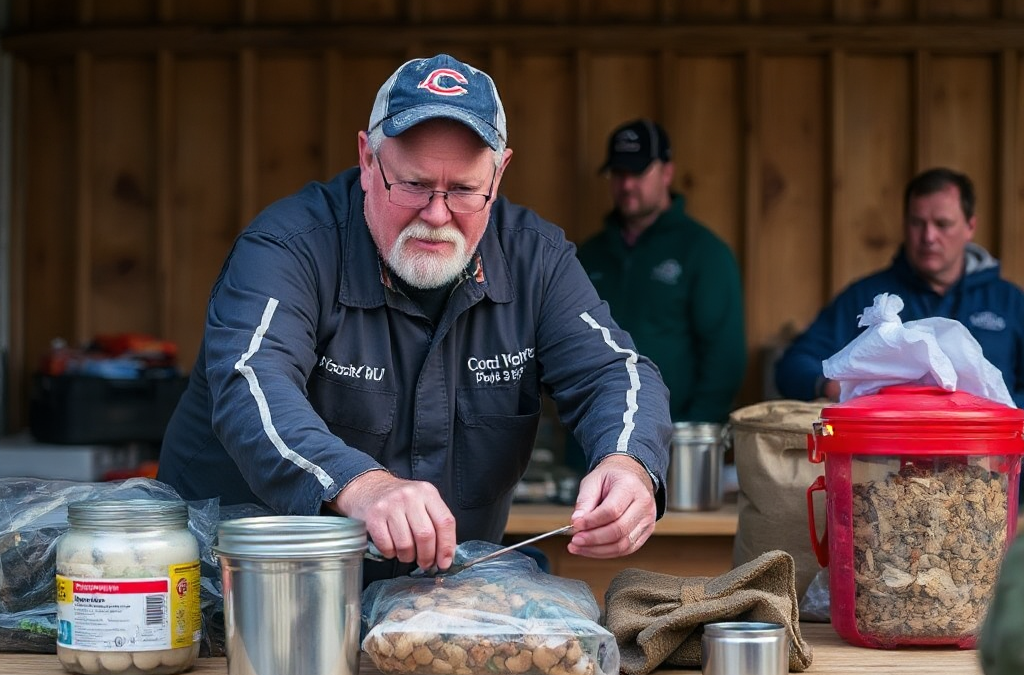
One of the most effective ways to prep on a budget is through DIY solutions. This not only saves money but also enhances your skills and understanding of your supplies. For example, creating your own food storage systems, such as dehydrating fruits and vegetables, can yield significant savings while providing nutritious options in times of need.
Moreover, learning to build your own emergency kits or basic survival tools can be done with readily available materials. Online resources and community workshops can provide guidance on creating effective solutions that meet your needs without the commercial price tag.
Building Skills Instead of Stockpiling Gear
Focusing on skill development rather than accumulating gear is a key strategy for budget prepping. Skills such as gardening, first aid, self-defense, and basic mechanical repairs can greatly enhance your preparedness. These skills often require minimal initial investment but offer long-term benefits in terms of self-sufficiency and resilience.
Consider joining local community groups or online forums focused on survival skills. These platforms not only provide valuable information but also foster connections with others who share similar interests, potentially leading to resource sharing and collaborative learning.
For those seeking additional resources on prepping within a budget, consider exploring local libraries or online platforms that offer free courses on survival skills and resource management. Engaging with community preparedness programs can also provide access to workshops and training.
Frequently Asked Questions
What are the most essential items for prepping on a budget?
The most essential items include non-perishable food, water purification methods, first aid supplies, and basic tools for shelter or repairs.
How can I make my own emergency supplies?
You can create your own emergency supplies by assembling a first aid kit at home, dehydrating food for storage, and using basic tools to construct shelters.
What skills should I focus on to prepare effectively?
Focus on skills like gardening, first aid, self-defense, and basic home repairs, which enhance your self-sufficiency and preparedness.
How can I assess my local risks for effective prepping?
Assess local risks by researching potential natural disasters, economic conditions, and community vulnerabilities that can affect your preparedness strategy.
Further Reading
Authoritative Sources
- Ready.gov Preparedness Guidance
ready.govFederal preparedness guidance for household planning, alerts, supplies, and emergencies
- American Red Cross Emergency Preparedness
redcross.orgEmergency preparedness resources for families, disasters, and practical safety planning
- FEMA Preparedness Resources
fema.govNational preparedness resources for planning, mitigation, and response readiness
Conclusion
Prepping on a limited budget is entirely feasible with the right strategies and prioritization. By focusing on essential supplies, leveraging DIY solutions, and building practical skills, you can create a sustainable preparedness plan without excessive expenses. Start small, assess your needs, and engage with your community to enhance your preparedness journey effectively.
Related Content
- Emergency Supply Planning Guide: Essential Checklist for Disaster Preparedness
- Importance of Having a Survival Seed Bank
- Safe Drinking Water in an Emergency Situation or Disaster
- How to Prepare Children for Emergencies: 5 Essential Tips for 2025
- The Ultimate Guide to an Effective Emergency Response Plan in 2025




