
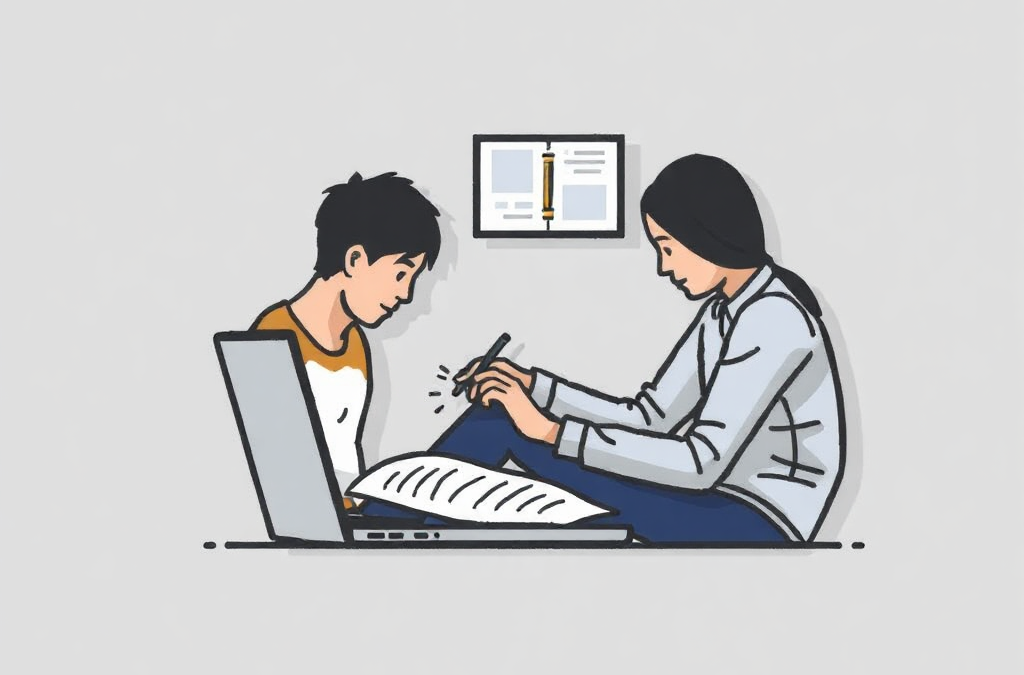
It requires a clear understanding of potential situations that may arise and the flexibility to modify your strategies and resources accordingly.
The first step in this process is to identify the specific scenarios you might face. This could range from natural disasters like floods and earthquakes to personal emergencies such as medical crises or job loss.
The direct answer to How to Adapt Your Plan for Different Scenarios: Key Steps and Considerations depends on adapt, plan, different and the specific conditions described in the article. It requires a clear understanding of potential situations that may arise and the flexibility to modify your strategies and resources accordingly.
Identifying Key Scenarios
Effective adaptation begins with a thorough identification of potential scenarios. This involves brainstorming possible emergencies and evaluating their likelihood and potential impact. For instance, if you live in a flood-prone area, your plan should focus heavily on flood preparedness rather than scenarios that are less likely to occur.
Prioritizing these scenarios based on their risk levels allows you to allocate resources more effectively. It is important to involve family or team members in this brainstorming session to gather diverse perspectives and insights.
Assessing Risks and Resources
Once you have identified the key scenarios, assessing the risks associated with each is crucial. This means understanding the specific challenges each scenario presents and the resources you will need to tackle them. For example, in the case of a medical emergency, you might need first aid supplies and knowledge of basic first aid techniques.

Additionally, consider logistical aspects such as the availability of essential supplies and the skills required for each situation. This assessment helps in recognizing gaps in your plan and identifying areas that need further development.
Implementing Flexible Strategies
With a clear understanding of the scenarios and associated risks, the next step is to implement flexible strategies that can be adjusted as needed. This could involve creating multiple action plans tailored to different situations, ensuring you can pivot quickly as circumstances change.
For example, if your original plan for a natural disaster involves evacuation, ensure you have alternative routes and means of transportation prepared in case roads are blocked. This flexibility is key to effective adaptation.
Regularly Updating Your Plan
Adapting your plan is not a one-time task; it requires regular updates based on new information, changing conditions, and lessons learned from previous experiences. Establish a routine review process to assess the effectiveness of your strategies and make necessary adjustments.
Engaging with others in your community can also provide valuable insights, as they may have experienced different scenarios that could inform your planning. Keeping your plan current ensures that you are always ready to respond effectively.
Further Reading
Authoritative Sources
- Library of Congress Research Guides
guides.loc.govResearch guides that help readers locate reliable background sources on a wide range of subjects
- USA.gov Official Information and Services
usa.govOfficial U.S. government information and public resources for practical reference
- Google Scholar
scholar.google.comAcademic search resource for finding research literature and source material
Frequently Asked Questions
What are the first steps in adapting my plan?
The first steps include identifying potential scenarios you may face, assessing their risks, and determining the necessary resources and strategies for each situation.
How often should I update my preparedness plan?
It is advisable to review and update your preparedness plan at least once a year or whenever significant changes occur in your life or environment.
What common mistakes should I avoid when adapting my plan?
Common mistakes include underestimating the likelihood of certain scenarios, failing to involve others in the planning process, and neglecting to update the plan regularly.
How can I involve my family in the planning process?
Involve your family by holding brainstorming sessions to discuss potential scenarios, gather their insights, and assign roles and responsibilities for each situation.
What resources are essential for emergency preparedness?
Essential resources often include first aid supplies, food and water, communication tools, and knowledge of evacuation routes or emergency contacts.




