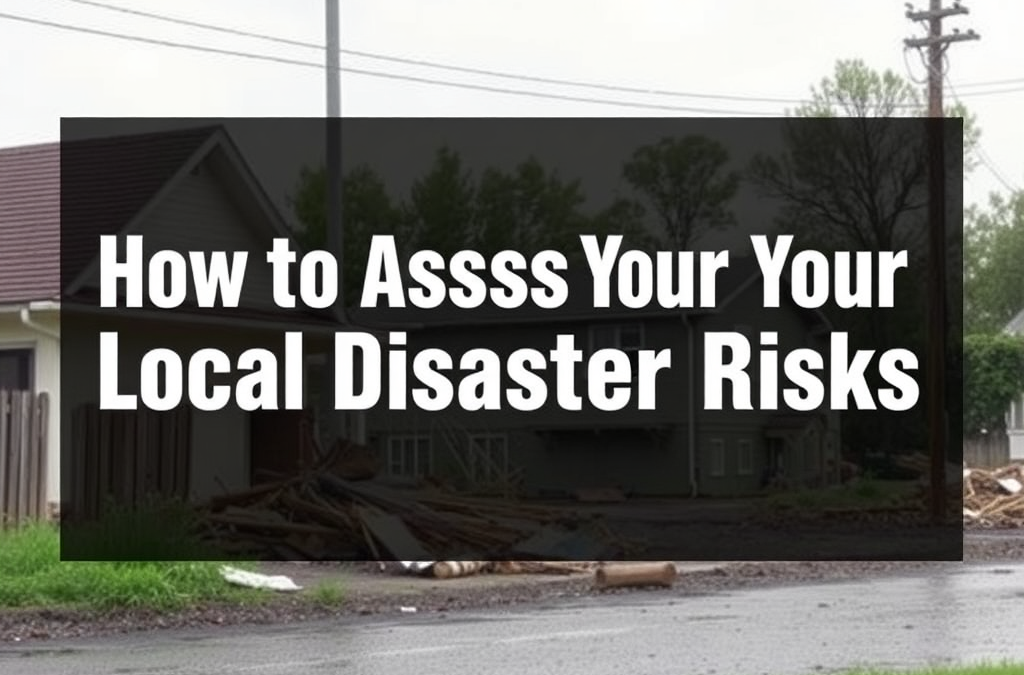
This includes natural disasters like hurricanes, floods, earthquakes, and man-made threats such as industrial accidents. Additionally, reviewing historical data on past disasters can reveal patterns and inform future preparedness efforts.
The first step in assessing local disaster risks is to This includes both natural disasters, such as floods, hurricanes, and wildfires, as well as man-made threats like hazardous material spills or infrastructure failures. To effectively identify local hazards, consult resources like the United States Geological Survey (USGS) for geological hazards or the National Oceanic and Atmospheric Administration (NOAA) for weather-related risks.
Identifying Local Hazards
The first step in assessing local disaster risks is to identify the hazards that are most prevalent in your area. This includes both natural disasters, such as floods, hurricanes, and wildfires, as well as man-made threats like hazardous material spills or infrastructure failures. Understanding these hazards allows communities to focus on the risks that matter most.
To effectively identify local hazards, consult resources like the United States Geological Survey (USGS) for geological hazards or the National Oceanic and Atmospheric Administration (NOAA) for weather-related risks. Additionally, local government agencies often provide hazard mitigation plans that outline specific risks and preparedness strategies. Engaging with these resources can provide a clearer picture of the threats residents face.
Evaluating Community Resources
Once potential hazards are identified, evaluating community resources becomes essential. This means understanding the available emergency services, shelters, and communication systems that can be activated during a disaster. Assessing these resources helps determine the community’s capacity to respond effectively to various emergencies.
Community resources can include local fire departments, medical facilities, and volunteer organizations. It’s critical to map these resources and understand their capabilities and limitations. Engaging with local leaders and emergency planners can help uncover gaps in resources and plans, ensuring that community members are well-prepared for potential disasters.

Using Technology and Tools
Modern technology offers various tools for assessing disaster risks effectively. Geographic Information Systems (GIS) can help visualize hazards, while online platforms like FEMA’s Risk Mapping provide detailed insights into flood zones, storm surge areas, and other risk factors. Using these tools can enhance understanding and planning efforts.
Moreover, mobile applications can facilitate real-time alerts and emergency information dissemination. Communities should leverage these technologies to foster awareness and preparedness. Training community members to use these tools effectively can improve overall disaster readiness.
Community Engagement and Preparedness
Community engagement is vital for effective disaster risk assessment. Collaborating with neighbors, local businesses, and organizations can create a network of support during emergencies. Engaging in community drills, workshops, and preparedness exercises fosters a culture of readiness and resilience.
Moreover, establishing communication channels among community members can enhance information sharing during a disaster. Regular meetings or forums can help address concerns, share resources, and develop collective response strategies. This engagement is crucial for ensuring that everyone understands their role during a disaster.
Further Reading
Authoritative Sources
- Ready.gov Preparedness Guidance
ready.govFederal preparedness guidance for household planning, alerts, supplies, and emergencies
- American Red Cross Emergency Preparedness
redcross.orgEmergency preparedness resources for families, disasters, and practical safety planning
- FEMA Preparedness Resources
fema.govNational preparedness resources for planning, mitigation, and response readiness
Frequently Asked Questions
What are the first steps in assessing disaster risks?
The first steps include identifying local hazards, evaluating community resources, and analyzing historical disaster data to understand risks specific to your area.
How can technology help in disaster risk assessment?
Technology such as GIS and FEMA’s Risk Mapping tools can provide visual representations of hazards and help communities analyze risk factors effectively.
Why is community engagement important?
Community engagement fosters collaboration among residents, enhances preparedness, and ensures that everyone knows their roles during emergencies.
What resources should be evaluated?
Evaluate resources like local emergency services, shelters, medical facilities, and communication systems to understand the community’s capacity to respond to disasters.
How can I find my area’s specific hazards?
Consult local government hazard mitigation plans, as well as resources from organizations like the USGS and NOAA, to identify the specific hazards in your area.
Conclusion
Assessing local disaster risks is a critical process that involves identifying hazards, evaluating community resources, and engaging with technology and community members. By understanding the specific risks your area faces, you can prioritize preparedness efforts and develop effective response strategies. Remember to continually reassess risks and engage with your community, as this collaboration can significantly enhance resilience in the face of disasters. Taking proactive steps now can make a significant difference when emergencies arise.
Related Content
- Surviving the Unexpected: How to Stay Safe and Prepared for Any Emergency
- The Ultimate Guide to Personal Disaster Readiness Tips for 2025
- Positive Preparedness: Mental Health Strategies
- Shelter-in-Place Versus Evacuation During Extended Utility Failures: A Decision Checklist for Heat, Water, and Mobility
- Emergency Water Supply Storage Tips for 2025: Stay Prepared Now