
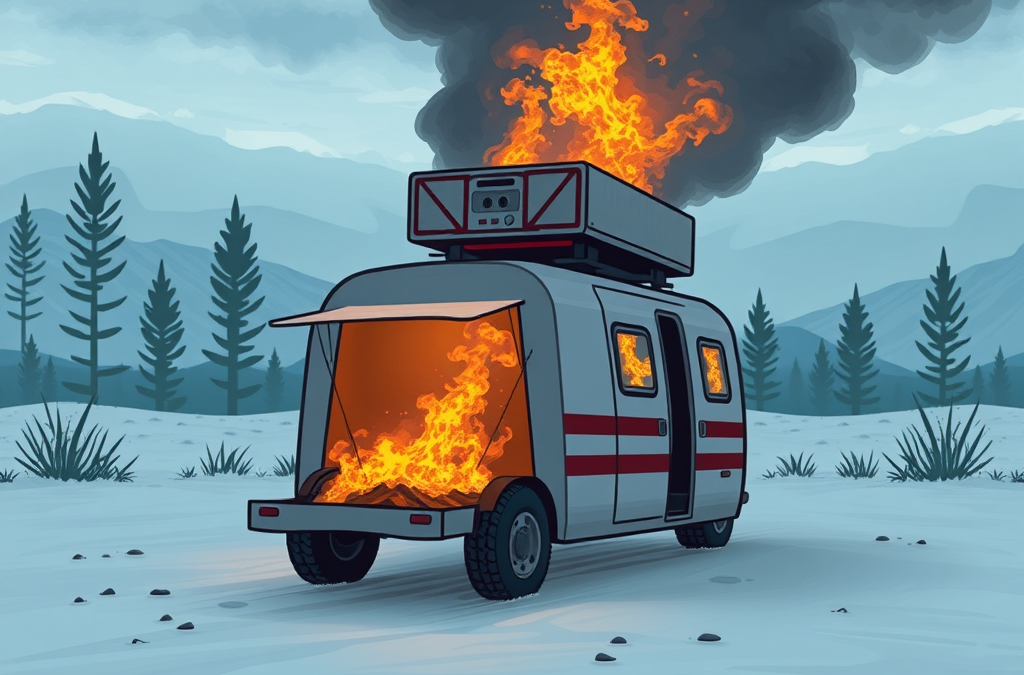
A common pitfall is neglecting to assess the environment and potential threats realistically. Factors such as local geography, population density, and weather conditions can significantly impact your escape routes and resource availability. Additionally, relying too heavily on untested or unfamiliar equipment can lead to failures. It’s essential to familiarize yourself with your gear and ensure it meets your specific needs.
Many bug-out plans fail due to unrealistic assumptions about the environment and available resources. A common pitfall is neglecting to assess the environment and potential threats realistically.
Understanding Common Failures in Bug-Out Plans
Many bug-out plans fail due to unrealistic assumptions about the environment and available resources. For instance, assuming that a specific route will be clear during an evacuation can lead to disastrous delays. It’s crucial to analyze potential scenarios, including road closures, traffic jams, and alternative routes. Preparing for these situations can help mitigate risks.
Additionally, individuals often underestimate the importance of situational awareness. Being aware of your surroundings and potential threats can make a significant difference when executing your plan. Regularly updating your knowledge about local hazards and community resources can enhance your preparedness.
The Importance of Testing and Drills
Without regular testing and drills, even the best-laid plans can fall apart under pressure. Conducting practice evacuations allows you to identify weaknesses in your plan and make necessary adjustments. These drills can reveal logistical issues, such as time constraints or equipment failures, that may not be apparent during planning.
Moreover, practicing with your family or group can improve communication and coordination, ensuring everyone knows their roles during an actual emergency. This preparation can significantly enhance your confidence and effectiveness when it matters most.

Adapting to Changing Situations
Flexibility is a critical component of a successful bug-out plan. Conditions can change rapidly during an emergency, and being able to adapt your strategy is vital. For instance, if a primary route becomes impassable, having alternative routes planned and understood can save valuable time.
Moreover, it’s essential to remain calm and assess the situation continuously. Being able to pivot and make quick decisions can mean the difference between safety and danger. Regularly reviewing and updating your plan based on new information or experiences can help you stay prepared.
Resource Management Strategies
Effective resource management is another critical factor in the success of your bug-out plan. Many individuals overlook the importance of having enough supplies, such as food, water, and medical kits. A well-stocked bug-out bag is essential, but so is knowing how to ration these supplies during an extended emergency.
Understanding how to source additional resources, whether through community networks or alternative means, can also enhance your preparedness. Consider joining local preparedness groups to share knowledge and resources, which can provide additional support in times of crisis.

Further Reading
Authoritative Sources
- Library of Congress Research Guides
guides.loc.govResearch guides that help readers locate reliable background sources on a wide range of subjects
- USA.gov Official Information and Services
usa.govOfficial U.S. government information and public resources for practical reference
- Google Scholar
scholar.google.comAcademic search resource for finding research literature and source material
Frequently Asked Questions
What is a bug-out plan?
A bug-out plan is a pre-determined strategy for evacuating from a location during an emergency, outlining routes, supplies, and protocols.
Why do bug-out plans fail?
Bug-out plans often fail due to unrealistic assumptions, lack of practice, and inadequate situational awareness during emergencies.
How often should I practice my bug-out plan?
Practicing your bug-out plan at least twice a year can help ensure everyone knows their roles and that the plan is effective.
What supplies should I include in my bug-out bag?
Your bug-out bag should include food, water, first aid supplies, clothing, tools, and important documents necessary for your evacuation.
How can I improve my situational awareness?
Improving situational awareness involves staying informed about local news, understanding potential threats, and regularly assessing your environment.




