
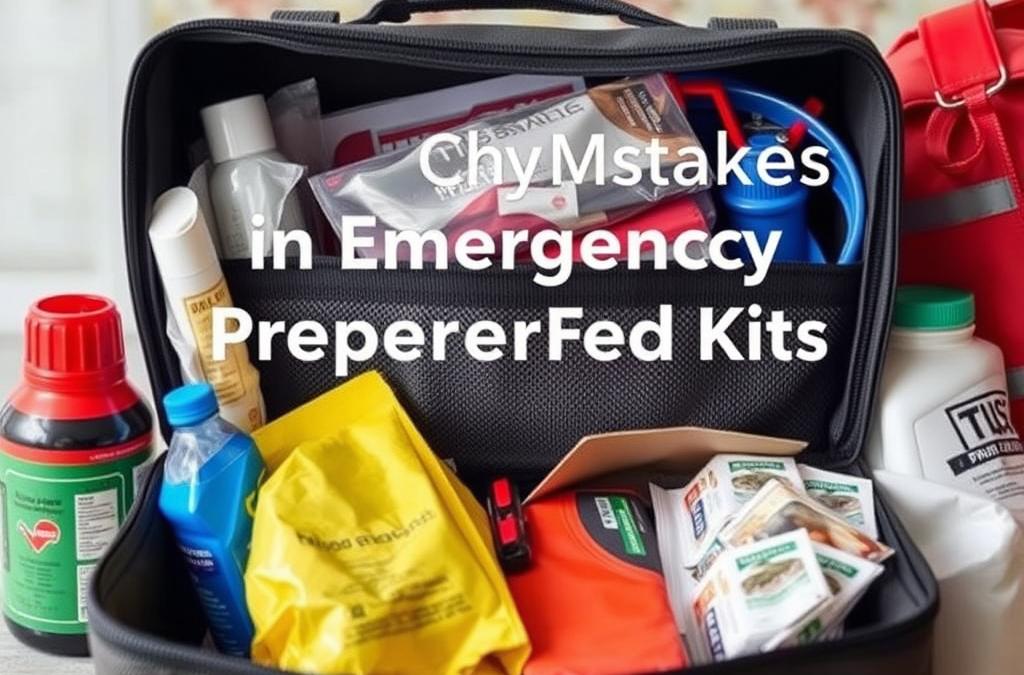
Individuals often stock up on only one type of food, which can lead to dietary deficiencies during extended emergencies. Proper planning should involve selecting foods that are calorie-dense, nutrient-rich, and easy to prepare. Additionally, keep in mind the dietary restrictions of family members and ensure that their needs are met.
Regular maintenance of your emergency preparedness kit is crucial to ensure that all items are usable when needed. Failing to update your kit can lead to expired items that are no longer effective in an emergency.
Neglecting Regular Maintenance and Updates
Regular maintenance of your emergency preparedness kit is crucial to ensure that all items are usable when needed. Many people forget to check expiration dates on food, medications, and other supplies. Failing to update your kit can lead to expired items that are no longer effective in an emergency. Schedule regular reviews, ideally every six months, to replace expired items and add new supplies as needed.
It’s also essential to consider seasonal changes that might affect your kit. For instance, if you live in an area prone to extreme weather, ensure your kit includes appropriate clothing, blankets, and heat sources during winter months. Keeping your kit relevant to your environment and lifestyle increases its effectiveness.
Ignoring Personal Medical Needs
Many people overlook the specific medical needs of household members when assembling their emergency kits. This can lead to critical gaps in preparedness. If someone in your household requires prescription medications, ensure that you have an adequate supply in your kit. Additionally, consider including over-the-counter medications for common ailments, such as pain relievers, antihistamines, and digestive aids.
To enhance your kit’s effectiveness, include a first aid manual and supplies tailored to your family’s needs. For example, if a family member has allergies, ensure that your kit contains an epinephrine auto-injector. By anticipating individual medical requirements, you can improve your family’s response to emergencies.

Overlooking Water Supply
Water is a critical component of any emergency preparedness kit, yet it is often neglected or insufficiently stocked. The general guideline is to have at least one gallon of water per person per day for at least three days. Many people underestimate their water needs, especially in high-stress situations where additional hydration may be necessary.
When preparing your water supply, consider the duration of potential emergencies and the number of people in your household. Additionally, think about including water purification tablets or filters, which can help ensure access to safe drinking water if your primary supply runs out.
Failing to Include Essential Tools
Another common mistake is neglecting to pack essential tools and equipment in your emergency kit. Basic tools like a flashlight, batteries, multi-tool, and a whistle can significantly enhance your ability to respond to emergencies. A lack of these tools can hinder your ability to communicate, navigate, or perform necessary repairs.
Evaluate your household’s needs and consider including items like a portable phone charger, fire starter, or duct tape. These tools can provide significant advantages in emergencies, allowing you to address various challenges effectively.

Further Reading
Authoritative Sources
- Ready.gov Preparedness Guidance
ready.govFederal preparedness guidance for household planning, alerts, supplies, and emergencies
- American Red Cross Emergency Preparedness
redcross.orgEmergency preparedness resources for families, disasters, and practical safety planning
- FEMA Preparedness Resources
fema.govNational preparedness resources for planning, mitigation, and response readiness
Frequently Asked Questions
What should I include in my emergency preparedness kit?
Your kit should include food, water, first aid supplies, medications, and essential tools like a flashlight and multi-tool.
How often should I check my emergency kit?
Regularly check your kit every six months to replace expired items and update supplies as needed.
How much water should I store in my emergency kit?
Store at least one gallon of water per person per day for at least three days.
What types of food are best for emergency kits?
Include non-perishable, calorie-dense foods like canned goods, dried fruits, nuts, and energy bars.
What tools are essential for an emergency kit?
Essential tools include a flashlight, batteries, a multi-tool, a whistle, and a portable phone charger.
Conclusion
Being aware of common mistakes in emergency preparedness kits can significantly enhance your ability to respond effectively during a crisis. Ensure that your kit is regularly maintained, includes essential supplies tailored to your family’s needs, and contains adequate food and water. By avoiding these common pitfalls, you can better prepare for unexpected situations and safeguard your family’s well-being.
Related Content
- How to Prepare for a Natural Disaster: A Step-by-Step Guide
- Don’t Wait for the Worst: Proactive Strategies for Effective Disaster Preparedness
- Outdoor Survival Gear For Outdoor Camping Trips
- From Panic to Prepared: Building Your Emergency Action Plan
- The Ultimate Guide to Emergency Preparation: 10 Proven Tips for 2025




