
Understanding the local environment is crucial for an effective emergency plan. Rural areas often face different threats compared to urban settings, such as wildfires, floods, or severe weather events. Residents must identify these risks and prioritize their planning efforts accordingly. For example, areas prone to wildfires should focus on evacuation routes and fire safety measures, whereas flood-prone regions need to address water safety and property protection.
Another common mistake is underestimating the importance of communication. In rural settings, reliable communication methods are essential, especially during emergencies when traditional infrastructure may fail. Establishing a network of communication options, including radios, cell phones, and community alert systems, can make a critical difference in emergency situations.
Identifying Local Hazards
Identifying local hazards is the first step in formulating an emergency plan for rural areas. This process involves recognizing potential risks such as natural disasters, technological hazards, and other localized threats. Understanding these hazards allows residents to tailor their emergency preparedness efforts effectively.
For instance, rural communities may be susceptible to specific environmental challenges like tornadoes or earthquakes. Knowing the frequency and impact of these events can guide the development of strategic responses. Additionally, residents should consider historical data and input from local emergency services to better understand their unique risks.
One often-overlooked element is the interconnectivity of hazards. For example, heavy rainfall can lead to flooding, which may disrupt power lines and communication systems. Therefore, prioritizing multiple threats in a comprehensive plan can enhance overall safety and preparedness.
Creating a Communication Plan
A robust communication plan is vital for effective emergency response in rural areas. This plan should outline how information will be shared before, during, and after a disaster. Establishing clear lines of communication can reduce confusion and ensure that everyone knows what to do in an emergency.
Thank you for reading this post, don't forget to subscribe NOW for FREE!

Residents should identify key contacts, including local authorities, neighbors, and family members. Utilizing a mix of communication methods—such as text alerts, social media, and community bulletin boards—can ensure that information reaches everyone, even if one method fails. Regular drills and updates to the communication plan can keep the community prepared.
Moreover, it’s essential to address potential barriers to communication, such as poor cell service or lack of internet access. Having alternative communication methods, such as walkie-talkies or satellite phones, can provide a safety net in case of system failures.
Assembling an Emergency Kit
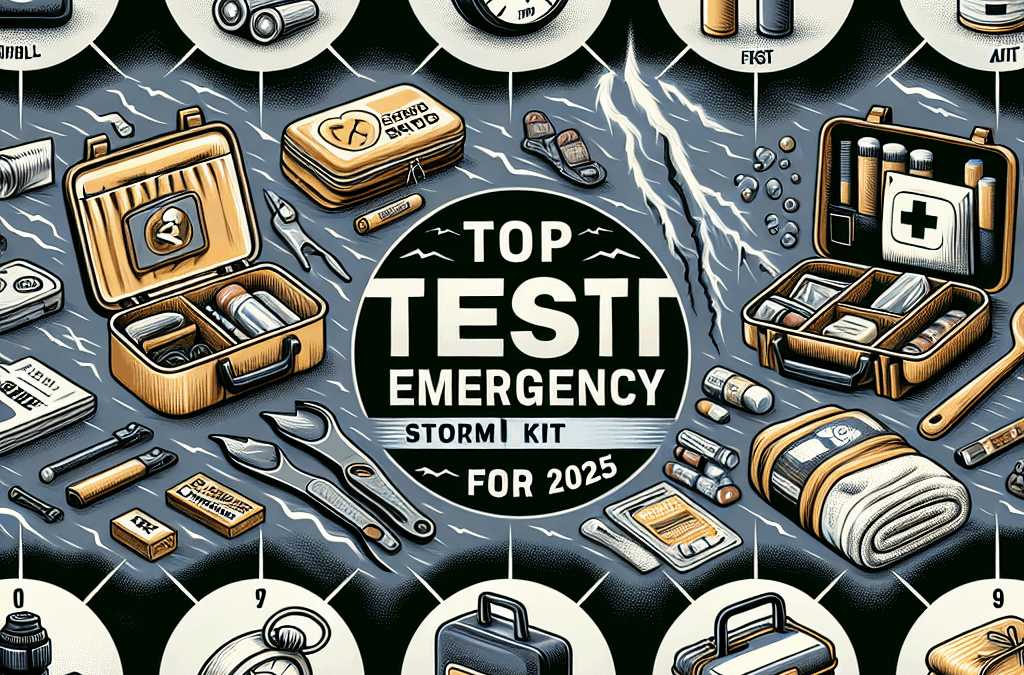
Assembling an emergency kit tailored to rural needs is a crucial component of any emergency plan. This kit should contain essential supplies that can support families for at least 72 hours following a disaster. Key items include food, water, medications, first aid supplies, and tools.
It’s important to consider the specific needs of all family members, including pets. Additionally, incorporating local resources, such as firewood or a portable stove, can enhance survival capabilities in remote areas. Regularly checking and updating the kit ensures that supplies remain viable and relevant.
Residents should also prioritize the storage of the emergency kit in a readily accessible location. In times of crisis, knowing where to find these supplies can significantly reduce response time and increase safety.
Developing Evacuation Routes
Developing clear evacuation routes is essential for rural areas, where traditional escape routes may be limited or obstructed during emergencies. Identifying multiple routes can provide options for residents, especially when faced with hazards like wildfires or floods.

Mapping these routes in advance and sharing them with the community can enhance safety. Residents should also consider the transportation needs of individuals with disabilities or those who require assistance. Regular drills can help familiarize everyone with the routes.
Furthermore, keeping these routes clear of obstructions, such as downed trees or debris, is crucial for ensuring safe passage during an emergency. Collaborating with local authorities can help maintain these routes and ensure timely updates on any changes.
Further Reading
Authoritative Sources
- Ready.gov Emergency Preparedness
ready.govA comprehensive resource for developing emergency plans and kits, tailored for various communities
- FEMA Emergency Management
fema.govOfficial guidelines and resources for emergency management and disaster preparedness
- American Red Cross Preparedness
redcross.orgInformation on creating emergency plans and kits, focusing on community readiness
- National Hurricane Center Preparedness
nhc.noaa.govResources for understanding hurricane preparedness, crucial for rural areas near coastal regions
- CDC Emergency Preparedness
cdc.govGuidelines on health-related considerations during emergencies and disasters
Frequently Asked Questions
What should be included in an emergency kit for rural areas?
Essential items include food, water, first aid supplies, medications, tools, and personal hygiene items, adapted to the specific needs of all family members.
How can communities prepare for wildfires?
Communities can create defensible spaces around properties, establish evacuation routes, and conduct regular fire drills to enhance preparedness.
What are the best communication methods during a disaster?
Utilizing a combination of text alerts, social media, and community bulletin boards can ensure information is disseminated effectively during emergencies.
How often should an emergency plan be reviewed?
Emergency plans should be reviewed at least annually and updated after any significant changes in the community or family circumstances.
Why is it important to identify local hazards?
Identifying local hazards allows communities to tailor their emergency plans to address specific risks, ensuring a more effective response during crises.
Conclusion
In conclusion, developing an effective emergency plan for rural areas requires a thorough understanding of local hazards, clear communication strategies, well-prepared emergency kits, and established evacuation routes. By prioritizing these elements, residents can enhance their resilience and preparedness in the face of disasters. Regularly reviewing and updating the plan is essential to ensure it remains relevant and effective. Community involvement and education play significant roles in fostering a culture of preparedness, ultimately leading to safer rural environments.
Related Content
- How can I incorporate economic downturns into my preparedness planning?
- Basic Go Bag Items: Essential Supplies for Emergency Preparedness
- How to Ensure Food Safety During Disasters: Critical Steps for Preservation and Safety
- The Risks of Relying on a Single Power Source: Common Pitfalls and Mitigation Strategies
- Preparing for the Worst: A Comprehensive Checklist for Disaster Preparedness




