When creating your emergency survival plan, consider the unique challenges your household may face. Factors such as the number of family members, pets, and any special needs should influence your planning. Additionally, assess the potential disasters most likely to occur in your area—be it natural disasters like hurricanes or man-made events. The common mistake many make is underestimating the importance of regular updates to their plans, which can lead to inadequate preparedness when an emergency strikes.
Moreover, it’s essential to prioritize communication methods within your emergency survival plan. In times of crisis, traditional communication channels may fail. Establishing predetermined meeting points and alternative ways to contact each other can prevent confusion and panic. Many families overlook the necessity of practicing their plan, which can lead to disorganization during an actual emergency. Regular drills help ensure everyone knows their roles and responsibilities, increasing the effectiveness of your emergency survival plan.
Creating an Emergency Survival Kit
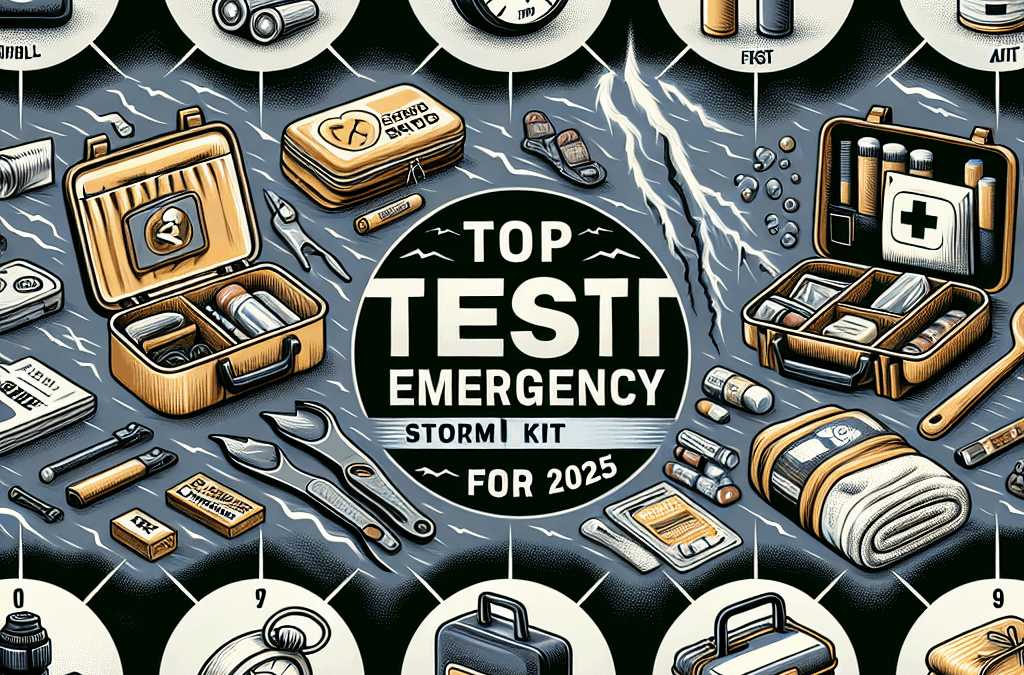
Every effective emergency survival plan must include a well-stocked survival kit tailored to your family’s needs. This kit should contain non-perishable food, water, first-aid supplies, flashlights, batteries, and any necessary medications. Additionally, consider including items like a multi-tool, blankets, and hygiene products. The goal is to ensure you have enough supplies to last at least 72 hours, as assistance may not be immediately available.
When assembling your kit, prioritize items that have a long shelf life and are easy to prepare. Many families mistakenly focus only on food without considering other essentials, such as sanitation and warmth. Regularly check and rotate supplies to maintain freshness and replace any expired items. Tailor your kit according to specific needs—families with infants should include baby food and diapers, while those with pets should have pet food and supplies.
Furthermore, storing your emergency survival kit in a readily accessible location is crucial. Many individuals hide their kits away, making them difficult to find in a crisis. Designate a specific place in your home that everyone knows about, and consider having smaller kits in your car or workplace for added safety. Regularly reviewing the kit with family members can also reinforce its importance and ensure everyone knows where to find it.
Establishing Communication Protocols
Effective communication is a cornerstone of any emergency survival plan. Establishing clear protocols for how family members will communicate during a disaster can significantly reduce panic and ensure everyone remains informed. Decide on a primary and secondary method of communication, such as mobile phones and text messages, and ensure everyone knows how to use these methods effectively.
Thank you for reading this post, don't forget to subscribe NOW for FREE!

One common pitfall is assuming that everyone will know what to do in an emergency. It’s vital to create a list of emergency contacts, including out-of-town relatives who can serve as a point of contact if local communication fails. Additionally, consider using a family group chat or an app designed for emergency alerts to maintain communication during crises. Many overlook the need for a backup plan if phones are not operational.
Moreover, practice your communication protocols regularly. Involve family members in drills that simulate emergency scenarios, helping them understand their roles and how to reach one another. This practice can significantly enhance your plan’s effectiveness, ensuring that everyone knows what to do when it matters most.
Evacuation Routes and Safe Locations
Identifying evacuation routes and safe locations is a critical aspect of an emergency survival plan. Understanding how to exit your home and community safely can save lives during a disaster. Map out multiple routes from your home to safe areas, such as designated shelters or the homes of friends and family. Familiarize yourself with these routes, ensuring all family members know them.
Many people fail to consider alternative routes, which can be a significant oversight. Traffic congestion or road closures during emergencies can make primary routes impassable. Regularly review and practice these routes, allowing family members to feel comfortable and confident when navigating them. Additionally, keep a list of safe locations in your emergency kit, including nearby hospitals, fire stations, and community centers.
Furthermore, consider the unique needs of your family when selecting safe locations. Families with pets should ensure their chosen destinations are pet-friendly. Also, be aware of any special accommodations needed for elderly or disabled family members. Planning for these factors can enhance the effectiveness of your evacuation strategy.
Practicing Your Emergency Plan
Regularly practicing your emergency survival plan is crucial to ensuring its effectiveness. Conduct drills that simulate various scenarios, such as natural disasters or home invasions, to help family members understand their roles and responsibilities. Practicing helps reinforce the importance of the plan and ensures that everyone is familiar with the procedures.

A common mistake is neglecting to review and update the plan regularly. As family dynamics change, so too should your emergency plan. For instance, if a family member moves away or a new pet is adopted, adjustments may be necessary. Schedule regular reviews of your plan, ideally every six months, to keep everyone informed and prepared.
Moreover, encourage open communication about the plan. After each drill, discuss what worked well and what could be improved. This feedback loop can help refine your emergency survival plan and ensure that it remains relevant and practical. By practicing regularly, families can build confidence and reduce anxiety during real emergencies.
Further Reading
For more information on developing an effective emergency survival plan, consider the following resources:
Authoritative Sources
- Ready.gov
ready.govThis official site provides comprehensive resources for creating emergency plans and preparedness tips
- American Red Cross
redcross.orgOffers a variety of resources on disaster preparedness, including emergency kits and planning guides
- FEMA
fema.govFederal Emergency Management Agency provides tools and information for disaster preparedness and recovery
Frequently Asked Questions
What should be included in an emergency survival kit?
Your emergency survival kit should include food, water, first-aid supplies, flashlights, batteries, medications, and hygiene products.
How often should I review my emergency survival plan?
Review your emergency survival plan every six months to ensure it remains relevant and effective.
What are the best communication methods during a disaster?
Use mobile phones and text messages as primary methods, but also establish alternative communication methods like meeting points.
How can I practice my emergency survival plan?
Conduct regular drills that simulate various emergency scenarios to ensure family members understand their roles.
What should I do if I have special needs in my family?
Consider the unique needs of your family members when creating your emergency plan, ensuring accommodations are made for everyone.
Conclusion
In summary, creating an effective emergency survival plan involves careful consideration of various factors, including communication, evacuation routes, and necessary supplies. Prioritize regular practice and updates to ensure your family remains prepared for any emergency. By taking these proactive steps, you can significantly enhance your safety and response capabilities during crises. Make your emergency survival plan a living document that evolves with your needs, ensuring your family’s resilience in the face of adversity.
Related Content
- How to Build a Survival Kit: Essential Items and Practical Steps
- Preparedness for Uncertain Times: Essential Strategies for Building Resilience
- The Ultimate Survival Guide for Earthquakes
- How to Plan an Emergency Evacuation Route
- The Ultimate Emergency Readiness Guide 2025: 10 Effective Tips to Stay Prepared