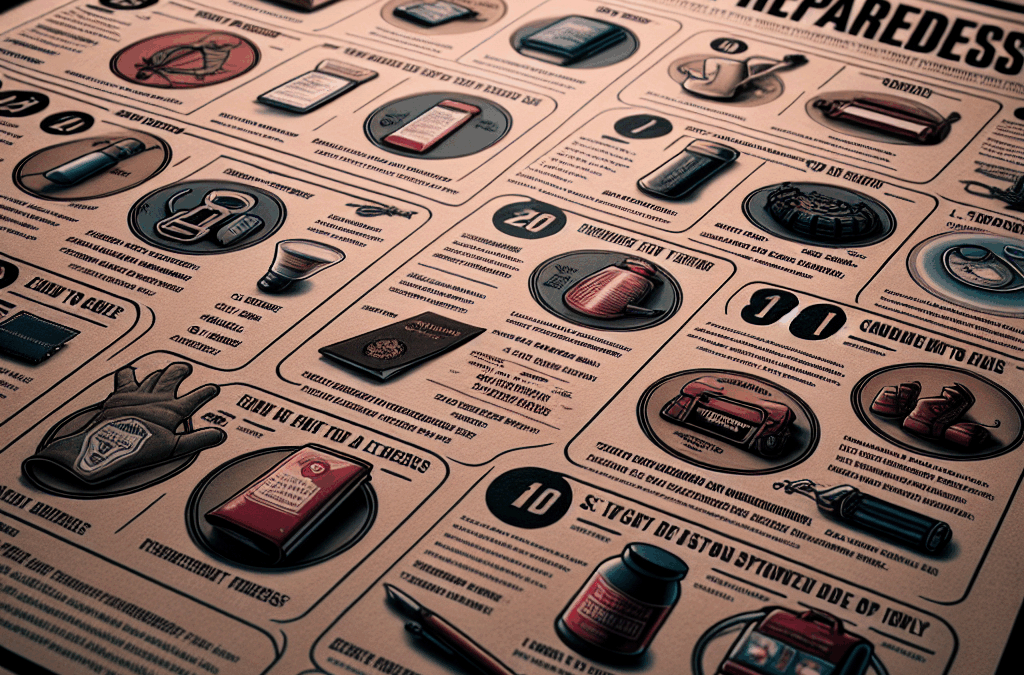
Understanding what to include in your emergency supply plan is crucial for ensuring that you and your loved ones are ready to face any situation. Many people underestimate the importance of having a well-thought-out supply kit and may overlook specific items that can make a significant difference. Prioritizing these supplies can greatly enhance safety and response effectiveness during crises.
A common mistake in emergency supply planning is failing to tailor the kit to individual needs, such as dietary restrictions or medical requirements. It’s essential to evaluate your unique situation and include items that address those specific needs. Additionally, regularly reviewing and updating your supplies ensures that everything remains functional and relevant.
Key Components of an Emergency Supply Kit
Every emergency supply kit should contain basic necessities that support survival for at least 72 hours. This includes non-perishable food, safe drinking water, and necessary medications. A well-rounded kit might also include hygiene products, flashlights, batteries, and a first aid kit.
It’s critical to ensure that food items are easy to prepare and require minimal resources, such as cooking or refrigeration. Canned goods, dried fruits, and energy bars are excellent choices. When it comes to water, experts recommend storing at least one gallon per person per day for drinking and sanitation.
Many people often forget essential items like multi-tools or portable chargers for communication devices. Including these tools can enhance your ability to stay informed and connected during emergencies. Regularly inspect and refresh your supplies to maintain their effectiveness and usability.
Assessing Your Unique Needs
Each household has specific needs that should be reflected in an emergency supply plan. Factors such as the number of family members, ages, and any medical conditions must be considered. For example, families with infants may require baby formula and diapers, while those with elderly members might need specialized medical supplies.
Thank you for reading this post, don't forget to subscribe NOW for FREE!

Additionally, consider the unique environmental risks you may face in your area, such as floods, hurricanes, or earthquakes. Understanding these risks will help you prioritize what to include in your kit. Engaging family members in this assessment can also foster a sense of preparedness and responsibility.
Many people overlook the importance of personal documents and records in an emergency kit. Keeping copies of identification, insurance policies, and medical records can be invaluable during crises. Make sure these documents are stored in a waterproof container within your kit.
Storage and Maintenance of Supplies
Proper storage of emergency supplies is crucial for ensuring their effectiveness when needed. Choose a cool, dry place for your kit, away from direct sunlight and moisture. Containers should be durable and easy to transport, such as plastic bins or backpacks.
Maintaining your supplies involves regular checks to replace expired items and replenish used goods. A good practice is to review your kit every six months, ideally coinciding with daylight saving time changes, to ensure everything is up-to-date.
It’s also advisable to keep a checklist of items in your kit. This way, you can quickly identify what needs to be restocked and simplify the maintenance process. Many people neglect this aspect, leading to incomplete or outdated kits when emergencies strike.
Creating an Emergency Communication Plan
In addition to physical supplies, a robust emergency communication plan is essential. This plan should outline how family members will contact each other during a crisis and where to meet if separated. Establishing contact methods in advance can reduce confusion and anxiety during emergencies.

Consider designating an out-of-area contact person who can help relay messages if local communication networks are disrupted. This person can be a friend or relative living far enough away to not be affected by the same emergency.
Many people underestimate the importance of practicing your communication plan. Regular drills can help ensure that everyone knows what to do and where to go, making the plan more effective when it truly matters.
Further Reading
Authoritative Sources
- Ready.gov: Emergency Supply Kit
ready.govThis resource provides comprehensive guidelines on what to include in an emergency supply kit
- American Red Cross: Emergency Preparedness
redcross.orgThe American Red Cross offers practical advice on preparing for various emergencies
- CDC: Emergency Preparedness and Response
cdc.govThe CDC provides valuable information on public health preparedness for emergencies
- FEMA: Emergency Management
fema.govFEMA offers resources and advice for personal and community preparedness
Frequently Asked Questions
What should I include in my emergency supply kit?
Your kit should contain non-perishable food, water, first aid supplies, tools, hygiene items, and necessary medications.
How often should I check my emergency supplies?
It is recommended to review your emergency supplies every six months to ensure everything is up-to-date and functional.
How much water should I store for emergencies?
Store at least one gallon of water per person per day for a minimum of three days for drinking and sanitation.
What is the best way to store emergency supplies?
Keep your supplies in a cool, dry place in durable containers that are easy to transport.
How can I prepare my family for emergencies?
Involve all family members in creating an emergency plan, practicing drills, and ensuring everyone knows what to do in a crisis.
Conclusion
Preparing for emergencies is not just about having supplies; it involves creating a comprehensive plan that addresses your family’s unique needs. By prioritizing essential items, assessing individual requirements, and maintaining your supplies, you increase your chances of staying safe during an unexpected event. Regular practice of your emergency communication plan can further enhance your preparedness. Take the time now to evaluate your situation and ensure that you are ready for any emergency that may arise.