
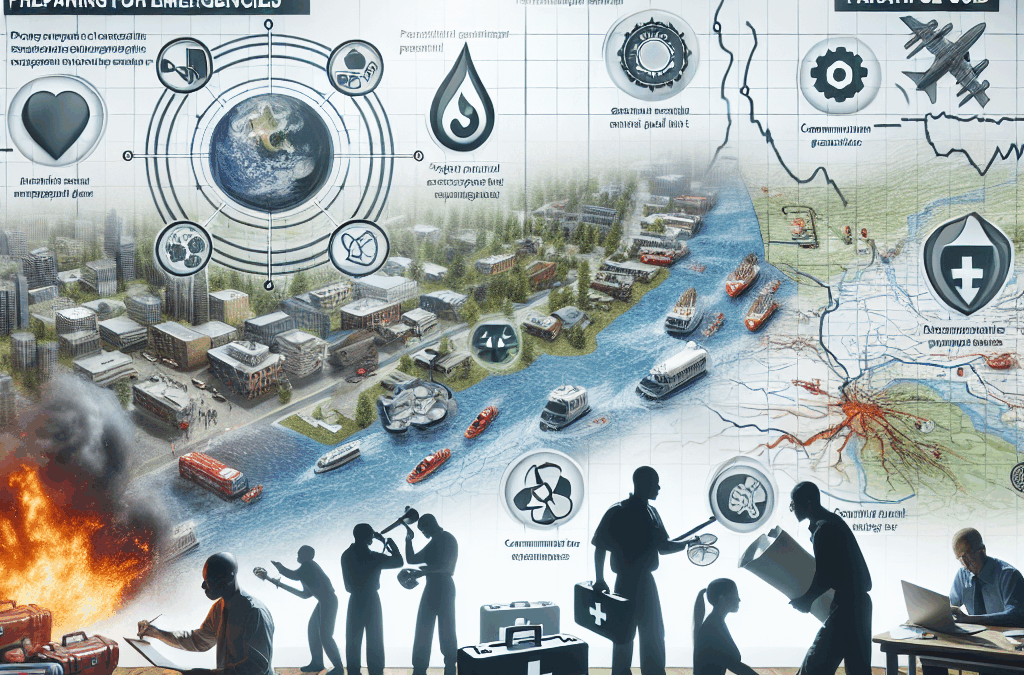
Understanding the types of disasters that may occur in your area is crucial. Natural disasters such as hurricanes, earthquakes, floods, or wildfires can happen with little warning. Each type of disaster may require different preparations, so assess your environment and risks. A common mistake is to assume that a one-size-fits-all approach will work for every situation. Instead, tailor your preparations based on specific threats and your family’s unique needs.
Another vital aspect is to maintain an up-to-date emergency contact list. In chaotic situations, communication can break down, making it challenging to reach loved ones. Ensure that every family member knows how to contact each other, and consider establishing a designated meeting point. This prevents confusion and ensures everyone can reunite after an emergency.
Assessing Risks and Identifying Hazards
To get disaster ready, the first step is to assess the risks specific to your location. Different regions face varying threats, such as tornadoes in the Midwest, earthquakes in California, or floods in coastal areas. Understanding these risks allows you to prioritize your preparedness efforts effectively.
Conduct a thorough review of your home and community. Identify potential hazards, such as nearby rivers that could flood or trees that might fall during a storm. Knowing these factors can help you make informed decisions about where to live and how to prepare your home. Additionally, consider taking advantage of local resources, such as community emergency management programs, which often provide valuable information on local risks.
Prioritize your findings to focus on the most likely and impactful hazards. This helps streamline your preparedness efforts, ensuring you allocate resources where they matter most. Remember, neglecting to assess risks can lead to inadequate preparation, leaving you vulnerable when disaster strikes.
Creating a Family Emergency Plan
A well-structured family emergency plan is essential for effective disaster readiness. Your plan should outline the steps your family will take in various emergency scenarios. Start by designating a safe location for family members to meet, away from potential hazards.
Thank you for reading this post, don't forget to subscribe NOW for FREE!

Include detailed instructions for communication during a disaster. This might consist of sharing contact information for relatives outside the affected area, as local lines may be down. Establish roles for each family member, ensuring everyone knows their responsibilities in an emergency. This can prevent chaos and confusion during high-stress situations.
Regularly review and practice your emergency plan to ensure everyone knows it well. Schedule drills for different scenarios, such as evacuation or sheltering in place. This practice helps identify weaknesses in your plan and builds confidence among family members.
Building Your Disaster Supply Kit
Assembling a disaster supply kit is a critical part of getting disaster ready. Your kit should contain essential items that can sustain your family for at least 72 hours. Include non-perishable food, water, first aid supplies, and personal hygiene items.
Consider the specific needs of your family members, such as medications, baby formula, or pet supplies. Regularly check your kit to ensure items are not expired and that you have everything necessary for different scenarios. A common mistake is to overlook the need for important documents, such as identification, insurance policies, and medical records. Keep these in a waterproof container within your kit.
When packing your kit, think about portability. Use a sturdy backpack or container that can be easily carried in case of evacuation. Having a well-organized kit increases your chances of quickly accessing what you need during an emergency.
Staying Informed and Practicing Preparedness
Staying informed about potential disasters is crucial to getting disaster ready. Sign up for local alerts and warnings to receive timely information about emergencies in your area. This can include weather alerts, evacuation notices, and public safety updates.
In addition to monitoring local news, engage with your community by attending emergency preparedness workshops or seminars. These events often provide valuable insights into local risks and effective strategies for disaster response. Networking with neighbors can also enhance community resilience, as shared knowledge and resources can be beneficial during emergencies.
Lastly, make preparedness a part of your routine. Regularly review your family emergency plan, practice drills, and update your disaster supply kit. Consistency in preparedness efforts can significantly enhance your family’s readiness when facing a disaster.
Further Reading
Authoritative Sources
- Ready.gov
ready.govThis site provides comprehensive resources for individuals and families to prepare for disasters
- American Red Cross: Emergency Preparedness
redcross.orgOffers guidance on building emergency kits and creating family plans
- FEMA: National Preparedness
fema.govProvides resources and tools for individuals to prepare for various types of disasters
Frequently Asked Questions
How can I prepare for a power outage?
Prepare by having flashlights, batteries, a battery-powered radio, and a supply of non-perishable food and water. Consider investing in a generator for prolonged outages.
What should I include in my emergency kit?
Your emergency kit should include water, non-perishable food, a first aid kit, medications, personal hygiene items, important documents, and a flashlight.
How often should I update my emergency plan?
Review and update your emergency plan at least once a year or whenever there are significant changes in your family situation or local risks.
What are some common mistakes in disaster preparedness?
Common mistakes include failing to tailor your plan to specific risks, not practicing the plan regularly, and not including necessary personal items in your emergency kit.
How can I stay informed during a disaster?
Stay informed by signing up for local alerts, following local news, and using weather apps to receive real-time updates during a disaster.
Conclusion
Getting disaster ready is an ongoing process that requires planning, education, and practice. By assessing risks, creating a family emergency plan, building a disaster supply kit, and staying informed, you can significantly enhance your family’s safety during emergencies. Prioritize regular reviews and updates of your preparedness strategies, ensuring that you and your loved ones are equipped to respond effectively when a disaster strikes.
Related Content
- The Ultimate Guide to 2025 Preparedness Skills List: 10 Effective Tips to Stay Ready
- HTML Sitemap
- Top Emergency Supplies: Essential Items for Effective Preparedness
- Preparing A Destination Before Evacuating Without Notice (Water, Access, And First-Night Checks)
- 10 Effective disaster preparedness strategies to protect your family in 2025




