
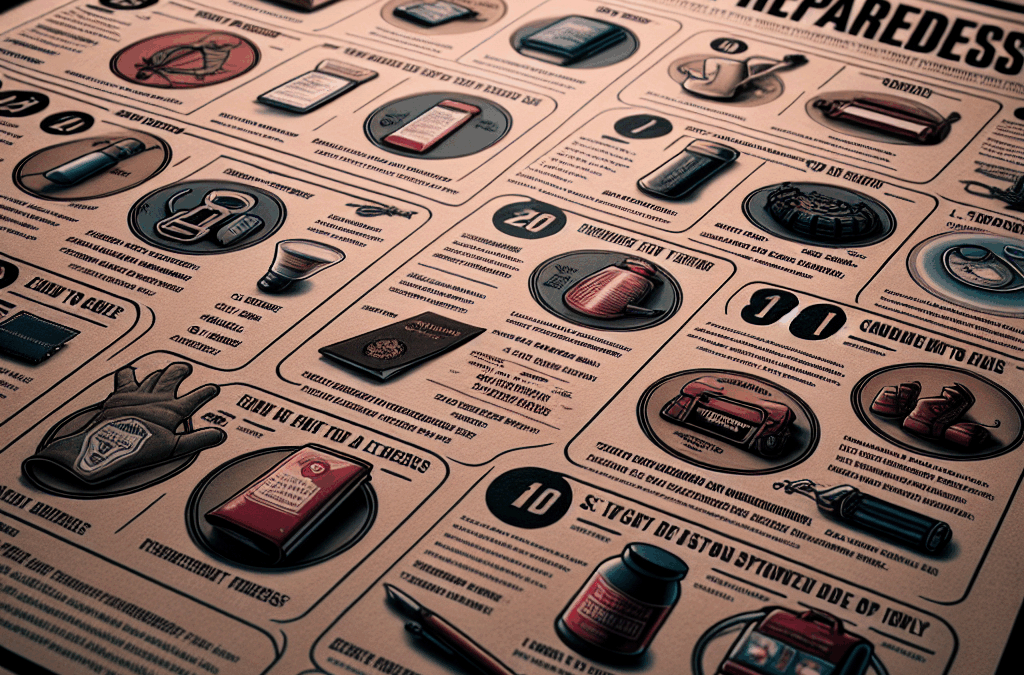
Understanding the specific risks in your area, such as natural disasters or public health emergencies, is crucial. Tailoring your emergency plan to address these risks can help prioritize necessary actions. For example, if you live in a flood-prone area, focus on evacuation routes and supplies that can withstand water damage. Additionally, assembling a well-stocked emergency kit is vital; common mistakes here include underestimating the amount of water and food needed for each family member.
Many people overlook the importance of regular updates to their emergency plans and kits. As circumstances change—such as the addition of family members or changes in local hazards—your preparations should evolve accordingly. Regularly practicing emergency drills can also enhance readiness, ensuring everyone knows their roles and responsibilities during a crisis.
Understanding Risks and Threats
Identifying potential risks is the first step in simple emergency prep. This involves assessing both natural and man-made threats that could affect your area. For instance, living in a region prone to hurricanes, wildfires, or earthquakes necessitates a tailored approach to preparedness. Understanding these risks allows for targeted planning and resource allocation.
Prioritizing which threats to prepare for can be challenging. Focus on the most likely scenarios based on historical data and local advisories. For example, if your community has frequent power outages, consider investing in a generator and non-perishable food items. Always remember that preparation is not just about supplies but also about knowledge and awareness of your surroundings.
Failing to recognize evolving risks can lead to inadequate preparation. Regularly review local news and updates from emergency management agencies to stay informed. This vigilance will help in adjusting your emergency plan to meet current threats.
Building Your Emergency Kit
An essential part of simple emergency prep is assembling a well-stocked emergency kit. This kit should contain food, water, first aid supplies, and other necessities to sustain your family for at least 72 hours. Water is critical; plan for at least one gallon per person per day, and don’t forget to include food that is non-perishable and easy to prepare.
Thank you for reading this post, don't forget to subscribe NOW for FREE!

Common pitfalls include underestimating the amount of food and water needed or neglecting to include essential medications. It’s also vital to regularly check expiration dates on items in your kit and replace them as needed. Consider adding items like a flashlight, batteries, a multi-tool, and a whistle for signaling.
Additionally, tailor your kit to meet the specific needs of your family members. For example, if you have infants, include baby formula and diapers. For pets, ensure you have food and supplies for their care. Regularly reviewing and updating your kit can prevent last-minute panic during an actual emergency.
Creating a Family Communication Plan
Establishing a family communication plan is another crucial aspect of simple emergency prep. This plan should outline how family members will communicate during an emergency, especially if separated. Designate a meeting place and ensure everyone knows how to reach each other using various methods, including phone calls, texts, or social media.
Many families overlook the importance of having a backup communication method. In the event of power outages or network failures, having an alternative means of communication, such as walkie-talkies or a designated neighbor, can be invaluable. It’s essential to practice this plan regularly to ensure everyone understands their role.
Additionally, consider including emergency contacts outside your immediate family. In case local networks are overwhelmed, having a contact person outside the affected area can help relay information and ensure everyone’s safety.

Practicing Emergency Drills
Practicing emergency drills is an often neglected but vital component of simple emergency prep. Regular drills help familiarize family members with the emergency plan and ensure everyone knows what to do in a crisis. Conducting these drills can identify weaknesses in your plan and areas needing improvement.
Common mistakes include not involving all family members in drills or failing to simulate real-life scenarios. It’s crucial to practice various scenarios, such as fire evacuations, severe weather responses, or medical emergencies. Adjust the drills based on the ages and capabilities of family members to ensure everyone can participate effectively.
Remember that the goal of these drills is to build confidence and reduce anxiety during an actual emergency. The more familiar family members are with the plan, the more likely they will respond calmly and effectively when it matters most.
Further Reading
Authoritative Sources
- Ready.gov
ready.govThis site provides comprehensive resources for emergency preparedness and planning for various disasters
- American Red Cross
redcross.orgOffers guidance on building emergency kits and creating family communication plans
- FEMA's Emergency Planning
fema.govProvides tools and resources for effective emergency planning and preparedness
Frequently Asked Questions
What should be included in an emergency kit?
Your emergency kit should include water, non-perishable food, a flashlight, batteries, a first aid kit, and any necessary medications.
How often should I update my emergency plan?
Review and update your emergency plan at least once a year or whenever there are significant changes in your family or local circumstances.
What are common mistakes in emergency preparation?
Common mistakes include not having enough supplies, failing to practice emergency drills, and not keeping contact information updated.
How can I involve children in emergency prep?
Involve children by educating them about potential risks, practicing drills, and allowing them to help assemble the emergency kit.
What is the best way to stay informed during an emergency?
Use multiple sources for information, including local news, social media, and official emergency management channels to stay informed.
Conclusion
In conclusion, simple emergency prep is essential for ensuring safety during unforeseen events. By understanding potential risks, building a comprehensive emergency kit, creating a family communication plan, and practicing emergency drills, you can significantly enhance your readiness. Prioritize regular updates to your plan and kit to stay prepared for changing circumstances. Taking these proactive steps will empower you and your family to respond effectively in a crisis.
Related Content
- Preparedness During Crisis: Essential Actions and Resources for Effective Response
- The significance of water and managing an expanding lack
- The Risks of Ignoring Nutritional Needs in Prep Food: Health Consequences, Common Mistakes, and Practical Solutions
- Emergency Preparedness for Apartment Dwellers
- What You Need to Do Before a Wildfire Strikes




