
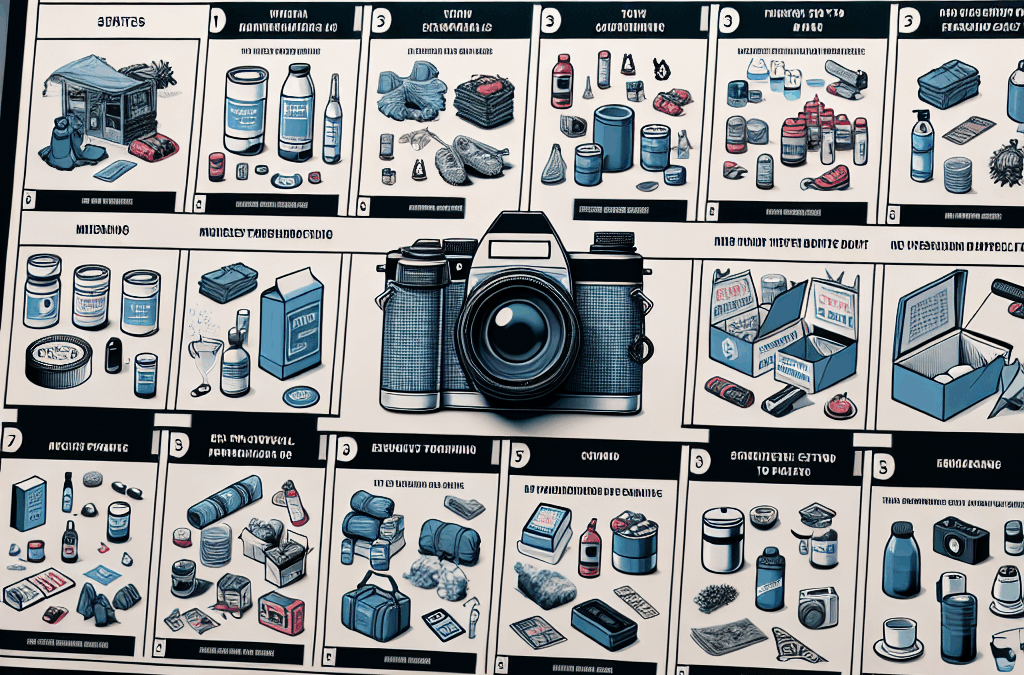
Understanding the nature of potential emergencies, such as natural disasters or personal crises, is crucial. Each type of event may require different preparations, but common elements include having a designated meeting place, a communication strategy, and essential supplies on hand. People often underestimate the importance of regular drills and updates to their plans, which can lead to confusion during actual emergencies.
One common mistake is failing to customize preparedness plans to fit specific circumstances. For example, urban dwellers may need different strategies compared to those in rural areas. Additionally, neglecting to consider the needs of all family members, including pets, can hinder effective response. It’s essential to approach readiness comprehensively, ensuring that all aspects of your life are addressed.
Identifying Potential Threats
Identifying potential threats is the first step in effective preparedness. Understanding the risks associated with your geographic location and lifestyle can help tailor your readiness efforts. Whether it’s natural disasters like hurricanes or man-made events such as power outages, knowing what to expect allows you to create a focused plan.
Many people overlook the importance of community resources when assessing threats. Local emergency services, community centers, and neighborhood watch programs can provide valuable information and support. Additionally, monitoring local news and weather channels can keep you informed about imminent threats.
It’s also worth recognizing that threats can evolve. For example, climate change is leading to increased frequency and severity of certain natural disasters. Regularly reviewing and updating your threat assessment ensures your preparedness remains relevant and effective.
Creating an Emergency Plan
Creating an emergency plan is critical for effective preparedness. This plan should outline specific actions to take during various emergencies, including evacuation routes, communication strategies, and designated meeting points. A well-structured plan can significantly reduce chaos and confusion during a crisis.
Thank you for reading this post, don't forget to subscribe NOW for FREE!

When formulating your plan, consider the unique needs of your household. Families with children or elderly members may require special considerations, such as accessible transportation or medical needs. Regular family meetings to discuss and practice the plan can reinforce its importance and ensure everyone knows their roles.
Common pitfalls include not practicing the plan often enough or failing to update it after significant life changes, such as moving or adding new family members. Keeping your emergency plan dynamic helps maintain its effectiveness over time.
Assembling Essential Supplies
Assembling essential supplies is a fundamental part of being prepared. This includes food, water, first-aid kits, and other necessities that can sustain you during an emergency. Having these supplies readily available can make a significant difference in your ability to respond effectively.
It’s advisable to create a checklist of items tailored to your specific needs. For instance, families with infants may need formula and diapers, while those with pets should include pet food and supplies. Regularly reviewing and rotating supplies ensures they remain fresh and usable.
One common mistake is underestimating the amount of water needed. A general rule is to have at least one gallon of water per person per day for at least three days. Additionally, consider the storage and accessibility of these supplies—having them in a designated spot can save crucial time during an emergency.

Staying Informed and Updated
Staying informed and updated is essential for effective preparedness. This involves monitoring local news, subscribing to emergency alerts, and utilizing apps that provide real-time information about potential threats. Being proactive in gathering information can significantly enhance your readiness.
Many people assume they will have access to information during a crisis, but this is not always the case. Power outages and network failures can disrupt communication. Therefore, having multiple sources of information, including battery-operated radios and offline maps, is a smart strategy.
Regularly updating your knowledge and preparedness plan based on new information and experiences is crucial. Attend local workshops, engage with community preparedness groups, and share experiences with neighbors to build a more resilient community.
Further Reading
Authoritative Sources
- Ready.gov
ready.govThis source offers comprehensive resources for emergency preparedness planning and supplies
- American Red Cross Emergency Preparedness
redcross.orgRed Cross provides guidelines on creating personalized emergency plans and assembling necessary supplies
- FEMA
fema.govFEMA offers essential information about disaster preparedness and recovery resources
Frequently Asked Questions
What should I include in my emergency kit?
Your emergency kit should include water, non-perishable food, a flashlight, batteries, a first-aid kit, and necessary medications.
How often should I review my emergency plan?
Review your emergency plan at least once a year or whenever significant changes occur in your household.
What are common mistakes in emergency preparedness?
Common mistakes include not customizing plans for specific needs, failing to practice, and neglecting to update supplies regularly.
How can I stay informed during an emergency?
Stay informed by subscribing to local emergency alert systems, monitoring news, and using weather apps.
What is the best way to prepare for a natural disaster?
The best way to prepare is to create a comprehensive emergency plan, assemble necessary supplies, and stay informed about potential threats.
Conclusion
In conclusion, being ready before it happens requires a thoughtful approach to emergency preparedness. By identifying potential threats, creating a detailed emergency plan, assembling essential supplies, and staying informed, you can significantly enhance your ability to respond effectively during a crisis. Regularly reviewing and practicing your plan is crucial to ensure everyone knows their roles and responsibilities. Ultimately, proactive preparation not only protects you and your loved ones but also contributes to a more resilient community.




