
- 1. Arsenal of Non-Perishable Foods
- 2. Long-Term Food Storage Solutions
- 3. Nutrition and Calorie-Dense Foods
- 2025. Innovative Survival Food Technology
1. Arsenal of Non-Perishable Foods
Choosing the Right Staple Items
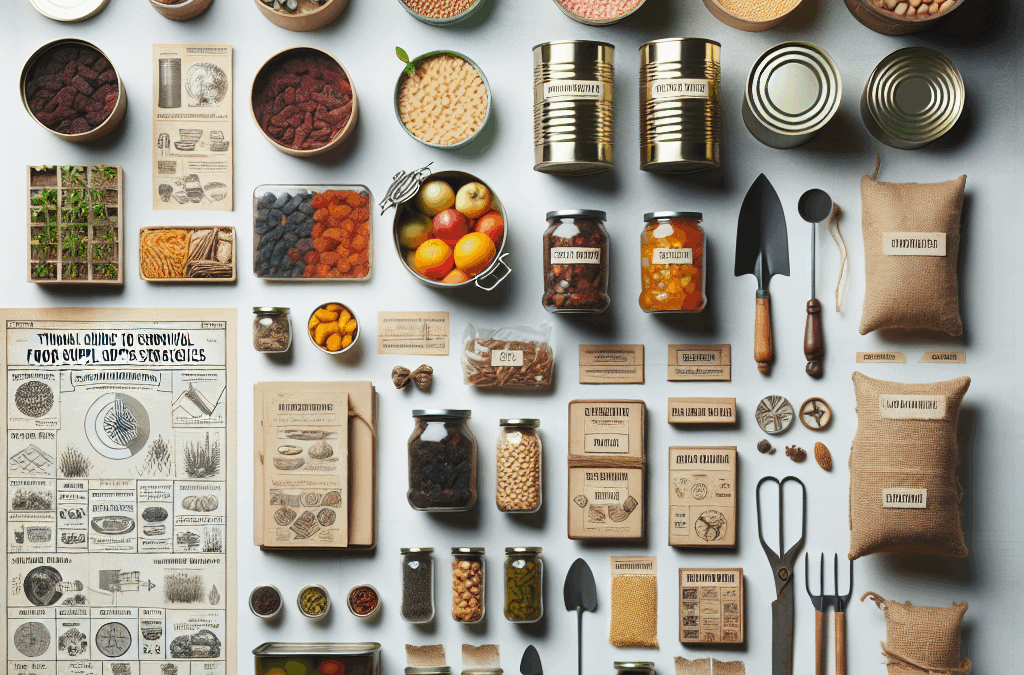
In 2025, building a robust survival food supply begins with selecting the right non-perishable foods. Items like canned vegetables, dried grains, and powdered proteins are essential. These foods have long shelf lives and maintain nutritional value over time, making them ideal for emergency preparedness. For instance, foods like rice, oats, and canned beans can last years while providing vital calories and nutrients.
When shopping for non-perishable items, pay attention to expiration dates and packaging integrity. Vacuum-sealed and retort pouches often last longer and resist pests better. Consider diversifying your arsenal with freeze-dried meals, which retain flavor and nutrients for decades if stored correctly.
Thank you for reading this post, don't forget to subscribe NOW for FREE!

Practical tips include rotating your supply periodically, so nothing goes to waste, and always having an accessible inventory. Remember, your survival food supply isnât just about quantity but also about quality and variety to prevent nutritional deficiencies and enhance morale during emergencies.
Storage Tips for Non-Perishables
Proper storage is critical to maintaining your survival food supply‘s longevity. Use airtight containers and store in cool, dark, and dry areas. Consider investing in food-grade buckets with gamma lids for bulk storage. These prevent moisture and pests from contaminating your supplies.
Labeling each container with purchase and expiration dates helps in rotation and prevents spoilage. Organizing your storage space with shelving units also makes it easy to access essentials quickly. For added security, store some bulk foods in a separate, waterproof location to protect against natural disasters or contamination.
Regular inspections and maintenance of your storage systems will ensure your survival food supply remains reliable for years to come. Staying proactive with storage practices in 2025 guarantees readiness in uncertain times.
2. Long-Term Food Storage Solutions
Vacuum Sealing and Oxygen Absorbers
In 2025, one of the best methods to extend the shelf life of your survival food supply is vacuum sealing combined with oxygen absorbers. These techniques remove air from packaging, slowing down oxidation and spoilage.
Vacuum-sealed foods like dried meats, fruits, and grains can remain edible for 10-25 years if stored under optimal conditions. Oxygen absorbers further reduce the risk of mold and insect infestation, ensuring your stock remains fresh even in prolonged emergencies.
Tip: Use high-quality vacuum sealers and stock up on various sizes of oxygen absorber packets to customize your packaging. Have a system for resealing and inspecting sealed packages regularly to catch potential issues early.
Mylar Bags and Food Dehydration
Another effective long-term storage strategy involves sealing dehydrated foods in Mylar bags with oxygen absorbers. These bags are excellent for stacking and compact storage, making them ideal for limited spaces.
Dehydration removes the moisture essential for microbial growth, significantly extending shelf life. When stored correctlyâaway from light, moisture, and temperature fluctuationsâdehydrated fruits, vegetables, and herbs can last over a decade.
Practical advice includes properly labeling each package with contents and date of dehydration, as well as performing periodic checks for signs of spoilage or damage. Combining dehydration with Mylar packaging offers a reliable survival food supply for 2025 and beyond.
3. Nutrition and Calorie-Dense Foods for Survival
High-Calorie Survival Foods
In emergency scenarios, maintaining energy levels is crucial. Calorie-dense foods like nuts, peanut butter, dried meats, and energy bars provide concentrated nutrition, saving space and weight in your survival food supply.
Research from 2024 indicates that having at least 2,000 to 3,000 calories per person per day is essential during prolonged emergencies. Incorporating these foods ensures you meet that requirement without burdening your storage with bulky items.
Tip: Combine calorie-dense foods with a variety of other nutrients to avoid deficiencies. For example, pairing nuts with dried fruits offers both fats and sugars for sustained energy.

Balanced Nutritional Planning
While calories are vital, balanced nutrition supports overall health during stressful times. Incorporate freeze-dried vegetables, fortified cereals, and vitamin supplements into your survival food supply to close nutritional gaps.
Strategic planning involves ensuring adequate protein, carbohydrates, fats, vitamins, and minerals. Diversify your supplies to include both plant-based and animal-based proteins, along with supplements if needed. This comprehensive approach boosts resilience and morale in challenging situations.
In 2025, advancements in food science are making nutrient-enhanced survival meals more accessible, further improving the quality of your survival food supply.
2025. Innovative Survival Food Technology
Emerging Food Preservation Methods
Technological innovations in 2025 include new preservation methods like bio-preservation and advanced vacuum technologies that extend shelf life while maintaining flavor and nutritional value. These innovations make it easier for individuals and organizations to stockpile with confidence.
For instance, smart packaging with time-temperature monitoring can alert you to spoilage risks long before they happen, ensuring your survival food supply remains safe and usable.
Stay updated on these trends to optimize your preparedness strategy and leverage cutting-edge solutions for maximum efficiency and safety.
3D-Printed Food Supplies
One of the most exciting developments for 2025 is the potential for 3D-printed foods, allowing you to create meals on demand from stored ingredients or nutrient cartridges. This innovation could revolutionize survival food supply systems, making them more flexible and customizable.
Imagine having the ability to produce fresh, customized meals even in remote locations or disaster zones. While full-scale commercial availability is still developing, pilot programs and prototypes show promising future applications.
Integrating such technology into your survival planning can provide peace of mind and unprecedented flexibility in your emergency food preparations.
Conclusion
Successfully preparing a comprehensive survival food supply for 2025 involves understanding current best practices, leveraging innovative food preservation techniques, and strategically diversifying your stockpile. By focusing on high-quality, long-lasting, and nutritionally balanced foods, you can ensure your readiness for any emergency. Remember, your survival food supply is not just a backupâitâs an essential component of your resilience and peace of mind in uncertain times. Stay informed, plan ahead, and keep your supplies upgraded to face the challenges of 2025 confidently.
Frequently Asked Questions
1. What is the best way to store my survival food supply for 2025?
The best way to store your survival food supply is in airtight, moisture-proof containers placed in a cool, dark, and dry location. Use vacuum sealing and oxygen absorbers for long-term storage, and rotate your stock regularly to maintain freshness.
2. How long can survival foods last in 2025?
With current technology, many survival foods like freeze-dried and dehydrated items can last 10-25 years when stored properly. Advances in preservation techniques are enhancing shelf life further, ensuring a reliable survival food supply for decades.
3. What nutrients are essential in a survival food supply?
An effective survival food supply should include a balance of carbohydrates, proteins, fats, vitamins, and minerals. Incorporate calorie-dense foods, dried fruits, vegetables, nuts, and fortified meals to promote overall health and energy during emergencies.
4. Are there any new innovations in survival food technology for 2025?
Yes. In 2025, emerging technologies like advanced bio-preservation, smart packaging, and 3D-printed foods are transforming how we stockpile and prepare survival foods, offering greater shelf life, customization, and convenience.
Related Content
- Preparedness Package Tips For Survival Needs
- The Best Strategies for Bartering in Crises
- Empower Yourself: A Step-by-Step Guide on How to Prepare for Civil Unrest and Protect Your Community
- The Impact of Stress on Decision-Making in Emergencies: Causes, Mechanisms, and Real-World Consequences
- The Ultimate Guide to Disaster Preparedness Training: 7 Effective Strategies for 2025




