
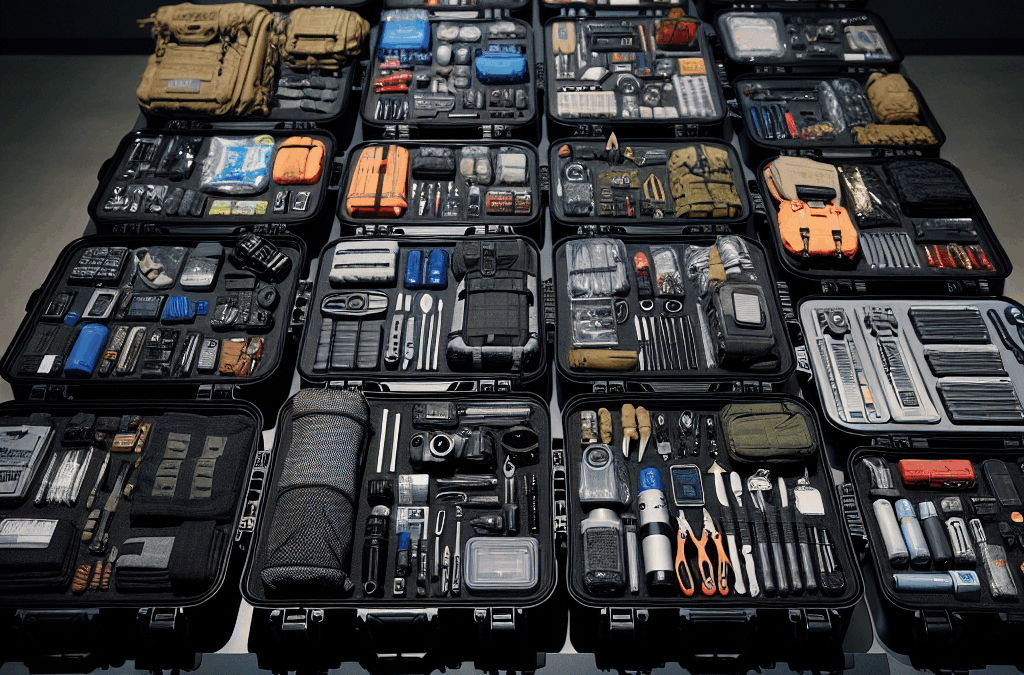
1. Advanced Supply Organization for Easy Access
Using Modular Containers for Better Sorting
In 2025, the focus on more prepared emergency kits emphasizes efficient and quick access. Modular storage containers allow you to organize supplies by category such as first aid, food, water, and tools. These containers can be labeled clearly and stacked neatly, making retrieval faster during stressful situations.
Investing in transparent bins or color-coded containers can further streamline your kit organization. This way, every family member can easily find what they need without rummaging through the entire kit. Remember: a well-organized kit reduces panic and saves valuable time in emergencies.
Furthermore, consider using stackable drawers or portable totes that fit into your home storage areas or vehicle compartments. This flexibility ensures your emergency kits are not only prepared but accessible wherever you need them. The goal is to create more prepared emergency kits that are practical and easy to maintain.
Thank you for reading this post, don't forget to subscribe NOW for FREE!

Creating Digital Inventory Records
Alongside physical organization, maintaining a detailed digital inventory of your emergency supplies can be a game-changer. Use apps or spreadsheets to log quantities, expiration dates, and replacement needs. This proactive approach ensures that in 2025, your kits remain fully stocked and ready to deploy at a moment’s notice.
Set reminders for regular check-ins or automatic notifications to update supplies. Digital records can also guide family members or neighbors during emergencies, reducing confusion and delays. Combining physical organization with digital tracking makes your preparedness efforts more robust and reliable.
2. Customized Kits for Specific Disasters
Understanding Local Risks
In 2025, tailoring emergency kits to specific regional hazards is more important than ever. For example, coastal areas should focus on tsunami readiness, while inland regions might prioritize earthquake preparedness. Knowing what disasters are most likely in your area allows you to customize your more prepared emergency kits accordingly.
Research recent data from government agencies like FEMA or the USGS to identify prevalent risks. Customization ensures you’re not wasting space on supplies you don’t need and enhances your ability to respond effectively to threats most relevant to your location.
Additionally, consider seasonal hazardsâstorm season supplies for hurricanes or winter gear for cold climates. This strategic approach ensures your kits are comprehensive and targeted for maximum efficiency.
Incorporating Specific Items
Once you understand regional risks, include specialized items such as waterproof clothing, portable chargers, or even snowshoes, depending on your area. For floods, consider waterproof containers and sandbags, while for hurricanes, include battery-powered fans and generators.
Updating your kits with these specific supplies creates more prepared emergency kits tailored to your environment. Regularly review and refine these components based on new risks or weather patterns to stay ahead of potential emergencies.
3. Incorporating Smart Technology
GPS Trackers and Emergency Apps
In 2025, smart technology integration is a game-changer in emergency preparedness. GPS trackers for family members and pets can help locate loved ones quickly during a disaster. Emergency management apps can provide real-time alerts, weather updates, and shelter locations, making your more prepared emergency kits smarter.
Equip your kit with portable battery packs or solar chargers to keep these devices powered. Being proactive with technology ensures you can stay informed and connected, drastically improving response times during critical situations.
Many apps now include checklists and reminders for periodic supplies refresh, complementing physical kits with digital managementâan essential step toward more prepared emergency kits.
Smart Safety Devices
Consider adding smart safety devices like automated lighting, carbon monoxide detectors, or connected fire alarms. These innovations can monitor your environment and alert you remotely to any hazards, even if you’re away or asleep.
Augment your kits with these tools to enhance safety and responsiveness. Investing in technology in 2025 not only modernizes your emergency preparedness but also tangibly increases your chances of protecting yourself and loved ones when disaster strikes.
4. Regular Audit and Updates
Setting Routine Checks
One of the most overlooked aspects of creating more prepared emergency kits is routine maintenance. Schedule quarterly or bi-annual audits to verify supplies, check expiration dates, and replace outdated items. Staying proactive guarantees your kits remain functional and ready for any scenario in 2025.
Create a checklist for each audit session tailored to different kit typesâhome, vehicle, work, or school kits. This systematic approach minimizes surprises during actual emergencies and ensures your preparedness is always at peak level.
Encourage family participation so everyone understands the importance of upkeep. When everyone is involved, the responsibility becomes shared, and your overall readiness improves significantly.
Learning from Disasters
After each major event or drill, review what worked and what didn’t. This critical analysis can reveal gaps in your kits or organization methods. Incorporate lessons learned into your next update cycle to continually improve your more prepared emergency kits.
Stay informed about new products, safety guidelines, and best practices by following reputable sourcesâand always incorporate relevant improvements. Ongoing education is vital to maintaining optimal preparedness in 2025.
5. Community Sharing and Networking
Building Local Emergency Support Networks
Creating networks with neighbors, local organizations, and community groups can amplify your preparedness efforts. Sharing resources like extra supplies or tools can strengthen collective resilience, making it easier to create more prepared emergency kits for everyone involved.
Organize neighborhood preparedness meetings or drills to ensure all members understand their roles. This collaboration fosters trust and facilitates resource sharing during actual emergencies.
In 2025, leveraging community support not only reduces individual costs but also enhances overall safety. Together, we can build a more disaster-resilient environment through strategic networking.
Sharing Knowledge and Resources
Distribute informational flyers, host workshops, or participate in online forums focused on emergency preparedness. Educating your community about creating more prepared emergency kits ensures everyone can benefit and be ready when disaster strikes.
Develop shared resource poolsâlike community emergency supply storageâthat are accessible during crises. These collaborative efforts lead to stronger, more resilient neighborhoods.
6. Essential Communication Devices
Battery-Powered and Solar-Powered Radios
In 2025, communication remains a critical component of effective emergency kits. Invest in reliable, battery-powered or solar-powered radios to receive news and alerts if your cell service is disrupted.
Choose models with NOAA weather alerts and multiple power options, ensuring consistent operation during extended outages. The clarity and durability of these radios can be lifesavers during a crisis.

Include spare batteries and portable chargers in your more prepared emergency kits to extend device lifespan. Staying connected is key to managing any emergency efficiently.
Emergency Contact and Family Communication Plans
Developing a clear communication plan is essential. Share contact information, designated meeting points, and how to reach each other if separated. Document these plans within your kits for quick access amid chaos.
Practice these plans regularly to ensure everyone understands their roles. Well-documented and rehearsed communication strategies significantly increase your family’s resilience during disasters.
7. Sustainability and Green Supplies
Eco-Friendly Materials and Reusable Items
In 2025, being environmentally conscious is integral to preparedness. Use reusable water bottles, biodegradable sanitation supplies, and solar-powered devices to reduce waste and reliance on non-renewable resources.
This approach not only benefits the environment but also ensures your emergency kits remain sustainable over the long term. Consider sourcing supplies from eco-friendly vendors for peace of mind.
Proper storage and recycling of any disposable items are crucial for maintaining green practices within your more prepared emergency kits.
Solar and Renewable Power Sources
Integrate solar chargers and rechargeable batteries to power your devices sustainably. During extended outages, these renewable energy sources allow you to keep critical electronics running without relying solely on batteries or generators.
Invest in portable solar panels designed for emergency use, enabling your kits to stay powered without grid dependence. This innovation represents a practical step toward greener, more reliable emergency preparedness in 2025.
8. Hands-On Training and Simulations
Conducting Regular Drills
Practicing emergency response through drills ensures your family or team knows how to use supplies effectively. Schedule regular simulationsâat least twice a yearâto test your more prepared emergency kits in real-life scenarios.
This practice highlights gaps in supplies or knowledge and helps everyone become confident in their roles. Make it engaging and educational to encourage full participation.
Document lessons from each drill and update your kits accordingly, ensuring ongoing improvement and heightened readiness in 2025.
Learning First Aid and Survival Skills
Beyond storing supplies, learning first aid, CPR, and basic survival skills is vital. These skills can make a life-saving difference during emergencies when professional help isnât immediately available.
Attend local courses or utilize online training programs designed for all age groups. Incorporate these skills into your emergency preparation plan for a comprehensive approach.
9. Cutting-edge Gear and Tools
Leveraging Recent Innovations
Stay ahead in 2025 by including innovative gear such as compact water filtration systems, multi-tools, or compact portable stoves in your more prepared emergency kits. These items enhance functionality and readiness.
Research latest products that are lightweight, durable, and versatileâideal for varying emergency scenarios. Using the newest technology ensures your kits are as effective as possible.
Always evaluate new gearâs reliability through reviews and testing, integrating only the best solutions into your preparedness strategy.
Specialized Equipment for Unique Needs
Assess any special needs family members or pets might have and include appropriate suppliesâlike medical devices, mobility aids, or pet food. Customization ensures no one is left vulnerable.
Update these specialized components regularly to accommodate changing needs or new products, keeping your more prepared emergency kits comprehensive and inclusive.
10. Education and Ongoing Awareness Campaigns
Staying Informed on New Threats and Solutions
In 2025, continuous education is vital for maintaining effective emergency preparedness. Follow reputable sources such as FEMA, the CDC, and local agencies for updates on emerging threats and best practices.
Attend workshops, subscribe to newsletters, and participate in online forums to stay engaged. Knowledge is power, and the more you learn, the better your more prepared emergency kits will be geared toward current challenges.
Regular learning ensures your readiness evolves with the changing landscape of natural and man-made disasters.
Community Awareness Initiatives
Promote awareness and preparedness programs in your community. Share guidelines, distribute informational materials, and encourage neighbors to develop their own kits.
Collective preparedness minimizes vulnerabilities and enhances overall resilience. An informed community is a safer community.
Investing in education and ongoing awareness in 2025 creates a culture of preparedness that benefits everyone.
Related Content
- Emergency Storage Checklist: Essential Items for Effective Preparedness
- Making Emergency Readiness a Daily Habit
- Hidden Dangers of Expired First Aid Supplies: Risks, Consequences, and What to Check
- Simple Emergency Prep: Essential Steps for Effective Readiness
- How to Prepare for Disaster: 7 Effective Strategies for 2025




