
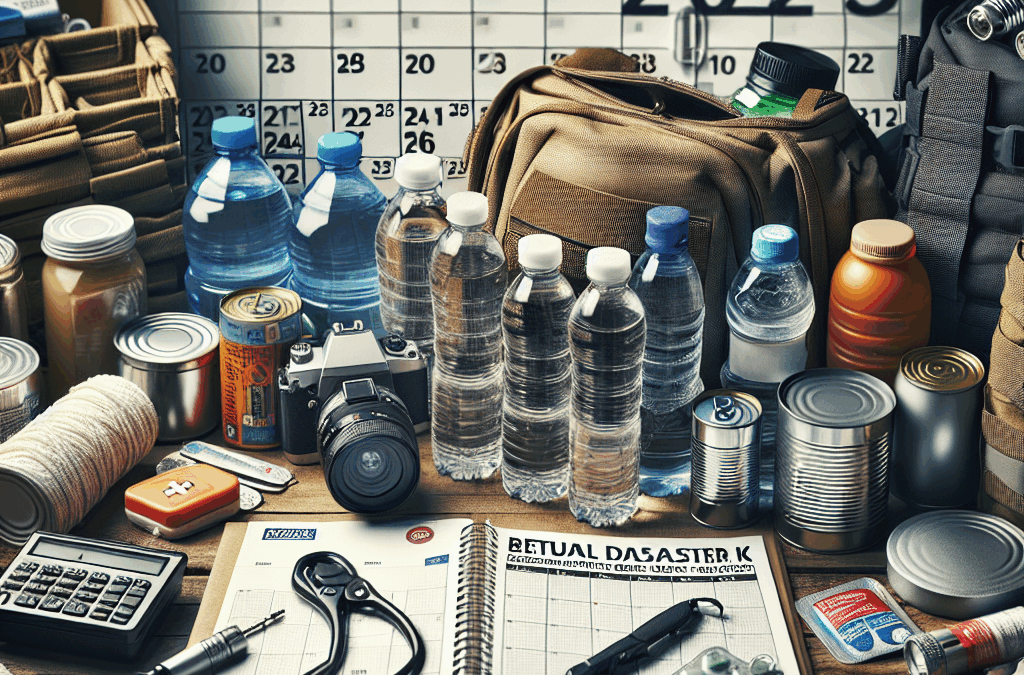
1. Essential Water Supply and Purification Tools
Importance of Clean Water in a Disaster
Having access to clean water during a natural disaster is crucial. In 2025, data shows that more than 30% of disaster-related fatalities are due to dehydration or waterborne illnesses. A well-prepared natural disaster kit should include water purification tools to ensure safety. These tools are effective in filtering out harmful pathogens and contaminants from questionable water sources, which are common during emergencies.
Thank you for reading this post, don't forget to subscribe NOW for FREE!

For example, portable water filters like the LifeStraw or Sawyer Filter have proven effective in independent tests and are a staple in any preparedness kit. These devices allow you to drink directly from streams or contaminated sources safely. Also, carrying water purification tablets can be a lifesaver when filters aren’t available or malfunctioning. In 2025, advancements in portable purification tech mean smaller, more efficient devices than ever before.
To maximize preparedness, I always recommend storing at least one gallon of water per person per day, for a minimum of three days. Incorporating water purification tools into your emergency kit ensures your safety even when supplies run low. Make sure to practice using these tools ahead of time so youâre familiar with their operation during an actual emergency.
Tips for Maintaining Water Supplies
Water supplies in your disaster kit should be stored in food-grade containers and replaced regularly. When water is stored improperly, it can become a breeding ground for bacteria. Use sturdy, sealed bottles that prevent leaks and contamination. Additionally, rotate stored water every six months to ensure freshness and potency of purification tablets or filters.
Labeling your water containers with purchase and expiry dates helps you keep track of freshness. In 2025, many new water storage options feature UV sterilization caps, making it easy to treat water on demand with just a few minutes of exposure. These innovations help extend the shelf life of your water supplies and ensure safety in critical moments.
Remember, always have backups, especially if you live in an area prone to flooding or hurricanes. A comprehensive natural disaster kit prioritizes not just water storage but also reliable purification methods to adapt to different scenarios efficiently.
2. Non-Perishable Food Items
Choosing Nutritious and Long-Lasting Food
In 2025, the focus on nutrition in emergency food supplies has grown significantly. Your natural disaster kit should include a variety of non-perishable foods that provide essential nutrients and energy. Canned goods, freeze-dried meals, and ready-to-eat bars are popular choices. When selecting foods, aim for items with long shelf livesâat least five yearsâand minimal preparation requirements.
Practical examples include high-protein options like jerky, nuts, and trail mixes, which are easy to store and transport. Including comfort foods, such as chocolate or instant coffee, can improve morale during stressful times. Consider dietary restrictions and allergies, ensuring your kit is versatile for all family members. Incorporating vitamin supplements can also help fill nutritional gaps during extended emergencies.
Storage tips include keeping foods in airtight, waterproof containers and labeling expiration dates clearly. In 2025, innovative packaging such as vacuum-sealed pouches and biodegradable containers have become more common, helping reduce waste and environmental impact. Regularly updating your supply ensures freshness and preparedness.
Meal Planning and Preparation Tips
Pre-planning meals before an emergency can save crucial time and resources. Stock up on various meal options so you can rotate supplies and avoid spoilage. Preparing grab-and-go meal kits in advance, with items like instant oatmeal or rice meals, allows quick access during emergencies. Don’t forget utensils, can openers, and portable stoves if cooking is necessary.
Dehydrated and freeze-dried foods require minimal water and heat, making them ideal for emergencies. In 2025, new multi-purpose cooking devices combine solar, battery, and hand-crank power sources, enabling versatile meal preparation even when power is out. Always test your meal options periodically to ensure they remain in good condition and can be prepared easily during a crisis.
Having a well-thought-out food strategy in your natural disaster kit ensures you wonât go hungry. Focus on lightweight, nutrient-dense foods that can sustain you through prolonged power outages or supply chain disruptions.

2025. Emergency Shelter and Comfort Items
Types of Emergency Shelters
Providing a safe space is vital during a natural disaster. Your natural disaster kit should include items like emergency tents, tarp tarps, and sleeping bags. These supplies offer protection from the elements and can be set up quickly in various environments. When choosing an emergency shelter, consider size, portability, and ease of setup.
For instance, compact, lightweight tents are suitable for hiking but may not offer enough space or insulation for families. Emergency bivvy bags or space blankets can provide warmth and protection without bulk. In 2025, modular shelter systems that integrate solar-powered vents and insulated materials are becoming more popular, offering enhanced comfort and energy efficiency.
Prioritize shelters that are sturdy against wind and rain, and ensure you have accessories like stakes, ropes, and repair kits. Practice setting up your shelter at home so you’re prepared to do so quickly during an actual emergency. The right shelter can significantly impact your safety and well-being during prolonged disaster scenarios.
Adding Comfort Items for Mental Well-being
Stress management is essential, especially in extended displacement situations. Including comfort items such as personal hygiene supplies, blankets, and photos helps maintain mental health. Small comforts can diminish the feeling of being overwhelmed and aid in maintaining a positive outlook.
Electrical-powered devices like radios or flashlights with backup batteries are important for updates and entertainment. In 2025, solar-powered chargers and wireless charging pads have become more accessible, making it easier to keep communication devices operational. Remember, a well-equipped natural disaster kit isnât just about survival but also about fostering resilience and hope during tough times.
Make sure to allocate space and weight in your kit for these comfort items, and update them regularly to keep morale high when disaster strikes.
Frequently Asked Questions
What should be included in a natural disaster kit?
A comprehensive natural disaster kit should include essentials like water purification tools, non-perishable food, first aid supplies, emergency shelter, hygiene products, lighting, and communication devices. Tailor your kit to your area’s most common hazards and the needs of your family.
How often should I update my natural disaster kit?
Itâs recommended to review and update your disaster kit every six months. Check expiration dates, replace used or outdated items, and ensure all components are functional. Regular maintenance keeps your kit reliable and ready for emergencies in 2025.
Why is a natural disaster kit important?
Having a prepared natural disaster kit can significantly increase your chances of safety and survival during emergencies. It ensures you have access to necessary resources, reduces stress, and helps you respond quickly and effectively in unpredictable situations.
Can I customize my natural disaster kit for different emergencies?
Absolutely! Customizing your kit based on the specific risks in your area, such as floods, hurricanes, earthquakes, or wildfires, will make it more effective. Consider adding specialized gear like flood barriers or fire-resistant clothing to enhance your preparedness in 2025.




