
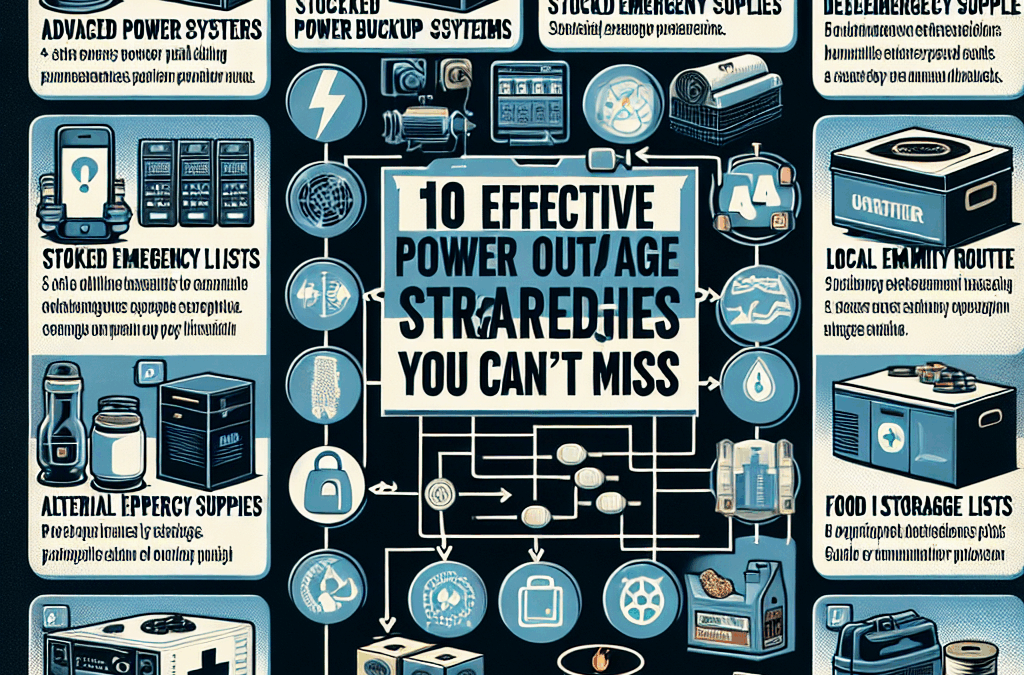
- 1. Build a Comprehensive Emergency Supply Kit
- 2. Enhance Your Homeâs Insulation and Backup Power
- 3. Set Up Reliable Communication Systems
- 4. Understand Your Local Utility Policies
- 5. Invest in Energy-Efficient Devices and Alternatives
- 6. Prepare for Food and Water Storage
- 7. Maintain and Safely Operate Generators
- 8. Educate Your Family on Power Outage Protocols
- 9. Practice Power Outage Drills
- 10. Stay Informed with Real-Time Updates
1. Build a Comprehensive Emergency Supply Kit
Essential Items for Power Outage Preparedness
Creating a reliable emergency supply kit is the foundation of effective power outage preparedness for 2025. Your kit should contain non-perishable food, bottled water (at least one gallon per person per day for three days), flashlights, batteries, and a first aid kit. Don’t forget solar-powered or hand-crank chargers for devices, as cell towers may fail during outages.
Consider adding portable power banks capable of charging smartphones and essential electronics. According to recent studies, having a well-stocked emergency kit reduces panic and ensures safety during unforeseen power failures. Make sure to regularly update your supplies and check expiration dates to stay ready.
Incorporate comfort items like blankets, hygiene supplies, and printed copies of important documents. Having these items prepared fully supports your familyâs well-being and resilience during a blackout.
Thank you for reading this post, don't forget to subscribe NOW for FREE!

Storage Tips and Accessibility
Store your emergency supplies in an easily accessible location known to everyone in the household. Use clear containers and label everything for quick retrieval. For urgent situations, prioritize low-height shelves to make supplies reachable even if mobility is limited.
Planning ahead also involves organizing supplies in a way that allows quick restocking. Keep a checklist to track inventory levels and expiration dates. This preparation minimizes the chaos when a power outage strikes unexpectedly, aligning with the principles of effective power outage preparedness for 2025.
2. Enhance Your Homeâs Insulation and Backup Power
Improving Home Insulation for Outage Resilience
In 2025, improved home insulation plays a vital role in maintaining indoor temperature during power failures. Well-insulated homes reduce heat loss in winter and keep cool in summer, lessening reliance on heating or cooling systems during outages. This is especially critical as climate patterns fluctuate more widely.
Seal drafts around windows, doors, and vents to conserve energy and prolong the functionality of heating sources. Upgrading insulation in walls and attics can also make a significant difference, saving energy and ensuring comfort during prolonged power outages.
Being proactive with insulation not only supports power outage preparedness but also reduces utility bills, making it a wise investment in today’s energy-conscious environment.
Backup Power Options
Investing in backup power solutions like generators, solar battery systems, or portable power stations ensures continuity during outages. A modern standby generator, properly maintained, can provide power for essential appliances and communication devices, reducing downtime and risk.
In 2025, integrating solar energy with battery storage is becoming more feasible and affordable, making it an attractive option for households seeking sustainable backup power. Ensure proper installation and regular maintenance to guarantee safety and efficiency.
With a reliable backup power system, you effectively enhance your overall power outage preparedness, reducing disruption and safeguarding your comfort and safety.
3. Set Up Reliable Communication Systems
Emergency Communication Tools
During a power outage, staying connected is paramount. Traditional cell phones might not work if cellular towers are affected, so investing in alternative communication tools like hand-crank radios, satellite phones, or NOAA weather radios is essential.
These tools can receive alerts and updates even when traditional networks fail, keeping you informed about weather warnings or emergency instructions. Encourage your family to carry pocket-sized radios and keep extra batteries or solar chargers handy.
Being connected during a blackout helps reduce anxiety and ensures you can coordinate evacuation plans or seek help efficiently, making it a critical part of your power outage preparedness for 2025.
Creating a Family Communication Plan
Develop a simple communication plan that includes meeting points, contact methods, and alternative ways to reach each other. Practice the plan periodically so everyone is familiar with it. This reduces confusion during actual outages and ensures everyone knows their roles.
Use social media alerts and local emergency notification systems as part of your plan. Register your household with community alert programs to receive timely updates. Being prepared with reliable communication strategies could be life-saving in emergency situations.
4. Understand Your Local Utility Policies
What to Expect During Power Outages
Knowing your utility company’s policies can help you plan effectively for potential outages in 2025. Many providers offer outage maps, estimated repair times, and alertsâfamiliarize yourself with these resources before an outage occurs.
Review your utility providerâs restoration protocols or customer service contact details. Understanding their approach helps set realistic expectations and enables quicker response actions. For example, some utilities prioritize outages based on infrastructure damage, while others send updates via mobile alerts.
This knowledge contributes directly to your power outage preparedness, allowing you to act swiftly and accurately during emergencies.
Sign Up for Alerts and Updates
Register for outage alerts through your utility’s notification system to stay updated on service restoration progress. Many companies offer SMS or email alerts, which can inform you about planned outages or emergencies that may impact your area.
Couple these alerts with local news sources and social media channels for comprehensive situational awareness. These proactive measures ensure you’re not caught off guard and can implement your preparedness plan promptly.
5. Invest in Energy-Efficient Devices and Alternatives
Using Energy-Efficient Household Items
In 2025, energy-efficient lighting, appliances, and gadgets not only reduce utility costs but also improve your power outage resilience. LED bulbs, for example, use less power and last longer during outages.
Opt for smart power strips and energy-saving devices that minimize wastage. This type of equipment ensures that when power is restored, your home can recover faster without additional strain on the grid.
This investment supports sustainable living while bolstering your power outage preparedness, especially during peak outage seasons or extreme weather events.
Alternative Power Sources
Solar-powered chargers, portable generators, and hand-crank radios are excellent alternatives when the grid fails. Solar panels with battery storage can provide clean, renewable energy during extended outages, offering independence from utility disruptions.
Evaluate your energy needs and choose appropriate alternatives based on budget and household size. Implementing these options in 2025 will greatly improve your readiness for unexpected power failures and reduce dependency on unstable power grids.
6. Prepare for Food and Water Storage
Long-Term Food Storage Strategies
Stockpiling non-perishable food items like canned goods, dried fruits, and dehydrated meals ensures availability even during prolonged outages. Plan for at least a two-week supply for your entire household.
Use airtight containers and rotate stock periodically to keep supplies fresh. In 2025, consider freeze-dried and vacuum-sealed foods for maximum shelf life and nutritional value.
Having a well-organized food storage plan minimizes panic and ensures your family maintains proper nutrition during emergencies.

Water Storage and Purification
Store enough clean water for drinking, cooking, and hygieneâaim for one gallon per person per day and at least three daysâ worth. Use food-grade stored water containers, and replace stored water annually.
Invest in water purification devices such as filters, bleach, or portable purifiers. These tools can make contaminated water safe to drink, critical for your power outage preparedness in 2025.
Preparedness here provides peace of mind knowing you can sustain your familyâs basic needs during extended disruptions.
7. Maintain and Safely Operate Generators
Generator Maintenance Tips
Regularly inspect and service your generator to ensure it functions properly when needed. Change oil, check fuel levels, and test run the equipment monthly. This is crucial as many outages occur unexpectedly, and a well-maintained generator offers peace of mind.
Store fuel safely in approved containers and keep a backup supply, especially considering increased power outage events forecasted for 2025.
Proper maintenance prolongs the lifespan of your generator and guarantees safe operation during emergencies, aligning perfectly with effective power outage preparedness.
Safety Precautions for Operation
Operate generators outdoors in well-ventilated areas to prevent carbon monoxide poisoning. Keep generators away from windows, vents, or doorways. Never plug your generator directly into your home’s outlets unless using a transfer switch installed by a professional.
Train family members on proper startup, shutdown, and emergency procedures to minimize accidents. Clear signage and safety plans add an extra layer of protection during power outages.
8. Educate Your Family on Power Outage Protocols
Developing Emergency Roles and Procedures
Communicate with your family about what to do during a power outage. Assign clear rolesâwho checks emergency supplies, who contacts emergencies, and who ensures safety for pets and vulnerable members.
Create step-by-step procedures for safeguarding critical devices, turning off utilities, and notifying authorities if needed. Practice these routines regularly to build confidence and coordination.
Education ensures everyone knows how to react calmly and decisively, significantly improving your power outage preparedness.
Sharing Knowledge and Resources
Distribute easy-to-understand guides, checklists, and emergency contact info to your family members. Use visual aids or drills to reinforce learning. This ensures that all members understand the importance of preparedness and their individual responsibilities.
Encouraging open discussions about potential scenarios helps identify gaps and improves your readiness for unexpected outages, a necessity in the evolving landscape of 2025.
9. Practice Power Outage Drills
Why Regular Drills Matter
Practicing power outage drills helps your family become comfortable with emergency procedures. Simulate outages during weekends or holidays to test your plan’s effectiveness.
This hands-on experience reveals difficulties and areas for improvement, making the real emergency less stressful. In 2025, the frequency of outages is expected to increase in some regions, making drills an essential part of preparedness.
Review and update your routines regularly based on drill feedback to ensure ongoing effectiveness.
Recording Lessons Learned
Document your drills, noting what worked well and what needs adjustment. Share lessons learned with your household and adjust your plans accordingly.
This structured approach enhances overall readiness, ensuring youâre well prepared for any unexpected power failure situation in 2025 and beyond.
10. Stay Informed with Real-Time Updates
Utilize Technology for Up-to-the-Minute Info
Leverage apps, social media, and emergency alert systems to receive real-time news during outages. Subscribe to local government notifications and utility alerts to get immediate updates.
In 2025, many cities and utility companies offer enhanced digital platforms to track outages and restoration times accurately, making it easier to plan your next steps.
Staying informed lets you react quickly, implement contingency plans, and avoid unnecessary risks â an essential aspect of power outage preparedness.
Monitoring Weather and Outage Forecasts
Keep an eye on weather forecasts, especially during storm seasons that typically cause outages. Many weather apps now integrate with emergency services, providing early warnings.
Pre-emptive action based on forecasts gives your family time to prepare, securing safety and comfort. Incorporating these tools into your routine enhances your overall resilience for 2025.
Frequently Asked Questions
What is power outage preparedness?
Power outage preparedness involves planning and taking proactive steps to ensure safety, comfort, and communication during power failures. It includes assembling supplies, setting up backup power, and educating family members on response procedures.
How often should I review my power outage preparedness plan?
It’s recommended to review and update your plan at least once a year, or after significant weather events or outages. Regular reviews ensure your supplies are current and procedures are familiar to all household members.
What are the best backup power options for emergencies?
Popular options include portable generators, solar battery systems, and uninterruptible power supplies (UPS). Choose based on your household needs, budget, and space.
How can I make my home more resilient to power outages?
Enhancing insulation, investing in backup power solutions, and installing energy-efficient devices all contribute to increased resilience. Additionally, staying informed and practicing emergency drills improve your preparedness.
Why is communication system setup crucial for power outage preparedness?
Reliable communication ensures you stay updated, coordinate responses, and call for help if needed. Alternative devices like NOAA radios and satellite phones are vital when traditional networks fail.
Conclusion
Effective power outage preparedness for 2025 is essential for safeguarding your familyâs safety, comfort, and well-being during disruptions. From building a comprehensive emergency kit to practicing drills and staying informed, these strategies create a resilient household ready for the unexpected. Prioritizing the exact keyword phrase ‘power outage preparedness’ throughout your planning process ensures that you remain proactive and confident no matter what 2025 throws your way. Remember, being prepared today sets the foundation for peace of mind tomorrow.
Related Content
- Be Ready: The Essential Guide to Emergency Preparedness
- How to Involve Children in Emergency Training: Practical Steps and Engaging Activities
- The Best Survival Clothing for Extreme Weather
- The Ultimate 2025 Guide to Preparedness for Biological Threats: Top Strategies & Tips
- The Best Way to Store Emergency Medical Supplies




