- Early Warning Systems and Alerts
- Community Education and Training Programs
- Developing Robust Emergency Communication Plans
- Resource and Supply Stockpiling
- Coordination with Local Authorities and Agencies
- Formation of Volunteer and Response Teams
- Strengthening Community Infrastructure
- Community Mapping and Risk Assessment
- Mental Health Support and Resilience Building
- Regular Drills and Continuous Evaluation
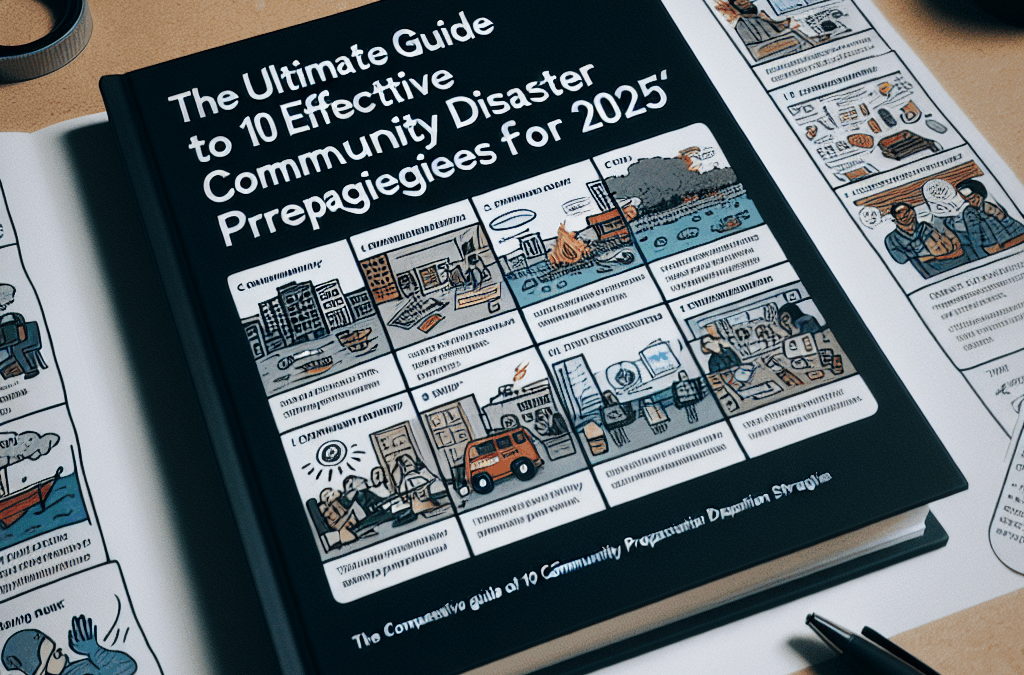
In 2025, community disaster preparation remains a critical focus for resilient neighborhoods worldwide. Effective community disaster preparation involves proactive planning, community engagement, and strategic resource management to minimize risks and expedite recovery. As an expert in this field, Iâve seen firsthand how implementing these strategies can save lives and reduce property damage. Let’s explore the top 10 strategies that your community can adopt to be better prepared for future disasters.
1. Early Warning Systems and Alerts
Importance of Timely Alerts
Early warning systems are the backbone of community disaster preparation. They provide crucial information about impending hazards such as floods, hurricanes, or earthquakes, giving residents time to react. In 2025, leveraging technology like automated alerts via mobile phones, sirens, and social media ensures that no one is left uninformed.
Communities that establish robust early warning systems experience lower casualty rates. For example, recent studies show a 40% reduction in disaster-related deaths when early alerts are effectively communicated. Investing in reliable communication infrastructure is vital for community resilience.
Designing an Effective Warning System
To design an effective system, communities should integrate multiple communication channelsâSMS alerts, public address systems, and social media. Centralized coordination ensures alerts are timely and consistent. Regular testing and drills help identify gaps and improve system reliability.
Thank you for reading this post, don't forget to subscribe NOW for FREE!

Community members also need education about what each alert means and how to respond. Clear, concise messaging combined with community drills ensures preparedness and minimizes panic during actual events.
2. Community Education and Training Programs
Building Disaster Awareness
Education plays a pivotal role in community disaster preparation. Informing residents about potential hazards, safety practices, and preparedness steps can make a significant difference during an emergency. In 2025, using multimedia campaignsâincluding social media, workshops, and pamphletsâcan reach diverse audiences effectively.
For example, neighborhoods that hold annual preparedness fairs often see more residents participating in safety drills. Knowledge empowers community members to take proactive steps, such as securing hazardous materials and creating personal emergency kits.
Training Community Leaders
Equipping local leaders and volunteers with specialized training enables them to coordinate effectively during crises. Programs like CERT (Community Emergency Response Team) are proven to enhance community resilience. These teams can assist with evacuations, first aid, and logistical support in the initial response phases.
Ongoing training ensures community disaster preparation remains current with best practices and evolving threats, fostering a culture of readiness that extends beyond individual households to entire neighborhoods.
3. Developing Robust Emergency Communication Plans
Creating Clear Communication Hierarchies
Effective community disaster preparation hinges on well-structured communication plans. These plans specify who communicates what, when, and through which channels. Establishing hierarchies prevents confusion during chaos, ensuring accurate information reaches all community members.
In practice, assigning roles such as communication coordinators and designated spokespersons helps streamline messaging. Additionally, maintaining updated contact lists and using multiple media ensures redundancy.
Ensuring Accessibility for All
Communication plans must be inclusive, considering language barriers, disabilities, and technological disparities. Providing materials in multiple languages and accessible formats like braille or sign language videos ensures everyone receives vital information.
Community drills that simulate real emergencies can reveal gaps in communication, allowing adjustments before a real disaster occurs. Collaborative planning with local authorities further enhances plan effectiveness.
4. Resource and Supply Stockpiling
Building Essential Emergency Kits
Stockpiling supplies is a practical step towards community disaster preparation. Emergency kits should include food, water, first-aid supplies, medications, and hygiene products that can sustain residents for at least 72 hours. For 2025, innovative storage methods and community distribution points are gaining popularity.
Some communities establish shared supply caches in central locations, accessible during crises. Ensuring kits are suitable for all age groups and special needs is also essential for comprehensive preparedness.
Strategic Resource Management
Beyond individual supplies, communities should develop resource inventories for items like generators, communication devices, and protective gear. Partnering with local businesses and NGOs can help secure necessary resources in large-scale emergencies.
Regularly updating stockpiles and conducting inventory audits ensure supplies are in usable condition. Planning for long-term needs and replenishment is vital as some resources have shelf lives or expiration dates.
5. Coordination with Local Authorities and Agencies
Establishing Partnerships
Community disaster preparation requires close coordination with local governments, fire departments, police, and health agencies. Building these partnerships early facilitates smoother response efforts. Regular meetings, joint planning sessions, and shared communication platforms foster collaboration.
Case studies show that communities with established partnerships can mobilize resources faster and coordinate evacuations more effectively. Developing memoranda of understanding (MOUs) formalizes roles and responsibilities.
Participating in Local Emergency Planning
Engaging residents in local emergency planning exercises and community resilience forums encourages shared ownership. Feedback from these events helps refine strategies and identify community-specific needs.
In 2025, integrating community input with official planning documents enhances response efficacy and builds trust between residents and authorities.
6. Formation of Volunteer and Response Teams
Building Local Response Capabilities
Volunteer response teams are vital in extending the reach of professional emergency services. Forming and training neighborhood teams in first aid, basic rescue, and logistics improves community resilience. In 2025, digital tools simplify coordination among volunteers.
Teams can conduct regular drills, coordinate supply distribution, and assist vulnerable populations. Real-world examples include neighborhood watch groups transforming into emergency response teams during disasters.
Maintaining Motivation and Readiness
Continuous training, recognition programs, and community events keep volunteers engaged and prepared. Itâs important to foster a sense of purpose and community ownership to sustain these efforts long-term.
Additionally, providing volunteers with personal safety equipment and clear role descriptions enhances operational efficiency and morale.
7. Strengthening Community Infrastructure
Resilient Building Practices
Community infrastructure, like roads, bridges, and public facilities, must withstand adverse events. Investing in resilient building practicesâsuch as flood-proofing and seismic reinforcementâreduces downtime during disasters.
Examples include elevating critical utilities and constructing flood barriers around vulnerable neighborhoods. These measures in 2025 are increasingly informed by climate change projections.
Upgrading Critical Facilities
Hospitals, fire stations, and community centers should be equipped with backup power, redundant communication systems, and emergency supplies. These upgrades ensure continuity of essential services during crises.
Community advocacy and funding are crucial for long-term infrastructure resilience, reducing recovery times and enhancing overall safety.
8. Community Mapping and Risk Assessment
Locating Vulnerable Populations
Creating detailed community maps that identify vulnerable populationsâsuch as elderly residents, individuals with disabilities, or non-English speakersâis essential for targeted assistance. Modern GIS tools enable detailed risk assessments.
These maps guide evacuation plans, resource distributions, and emergency communication efforts. In 2025, community mapping is increasingly integrated with real-time data for better decision-making.
Assessing Local Hazards and Risks
Regular hazard assessments help communities understand their specific vulnerabilitiesâflood zones, landslide-prone areas, or industrial risks. Knowledge of these risks underpins tailored preparedness strategies.
Engaging community members in risk assessments fosters ownership and ensures that efforts address actual needs.
9. Mental Health Support and Resilience Building
Supporting Psychological Well-being
Disasters impact mental health significantly. Providing psychological first aid, counseling, and resilience training helps communities cope better. Building social cohesion is a natural buffer against stress.
Community programs in 2025 increasingly incorporate trauma-informed approaches and peer support networks for sustained recovery.
Creating Support Networks
Strong social networks and community centers offer safe spaces for sharing concerns and fostering resilience. Regular social activities and mental health workshops are critical components of comprehensive disaster prep.
By normalizing conversations around mental health, communities can reduce stigma and promote well-being during and after disasters.
10. Regular Drills and Continuous Evaluation
Practicing Preparedness
Practice makes perfect. Regular drillsâhalf-yearly or annuallyâhelp identify weaknesses and improve community disaster preparation plans. Simulations should mimic real scenarios as closely as possible.
Feedback from drills should inform updates in procedures, communication plans, and resource allocations, creating a cycle of continuous improvement.
Monitoring and Updating Strategies
Evaluation metrics such as response times, communication effectiveness, and resource availability provide measurable insights. Utilizing data analytics and community feedback helps adapt strategies for 2025 and beyond.
Setting up a community safety committee responsible for ongoing review ensures that preparedness remains current and effective.
Conclusion
Adopting these 10 effective community disaster preparation strategies for 2025 can significantly enhance resilience, save lives, and strengthen the fabric of your community. Each strategyâfrom early warning systems to ongoing evaluationsâplays a vital role in creating a prepared, responsive, and united community. The importance of community disaster preparation cannot be overstated, especially as new challenges emerge in 2025. Stay proactive, stay prepared, and work together to build a safer future for everyone.
Frequently Asked Questions
1. What is community disaster preparation, and why is it important?
Community disaster preparation involves planning and organizing efforts to ready communities for potential hazards. It is essential because it reduces risks, saves lives, and ensures faster recovery after emergencies.
2. How can my community start implementing effective disaster preparedness strategies?
Begin by assessing local risks, establishing communication plans, forming volunteer teams, and holding regular drills. Engaging local authorities and educating residents are key steps.
3. What are some critical resources to stockpile for disasters in 2025?
Essentials include food, water, first aid kits, medications, hygiene supplies, flashlights, batteries, and backup power sources. Tailor supplies to your communityâs specific needs.
4. How often should communities conduct disaster drills?
Ideally, communities should conduct drills at least once or twice a year to maintain preparedness and evaluate response effectiveness.
5. How does effective community disaster preparation benefit us long-term?
It builds resilience, reduces potential damage, facilitates quicker recovery, and fosters a sense of community ownership and trust, ensuring safety for all.
Related Content
- 3 Suggestion On Acquiring Incredible Survival Bartering Power
- How to Use Natural Resources for Survival
- How to Adapt Emergency Plans for Children and Pets: Essential Steps and Considerations
- Ultimate Earthquake Preparation Guide 2025: 10 Essential Tips to Stay Safe
- Challenges of Prepping With Limited Living Space: Practical Solutions for Urban Dwellers