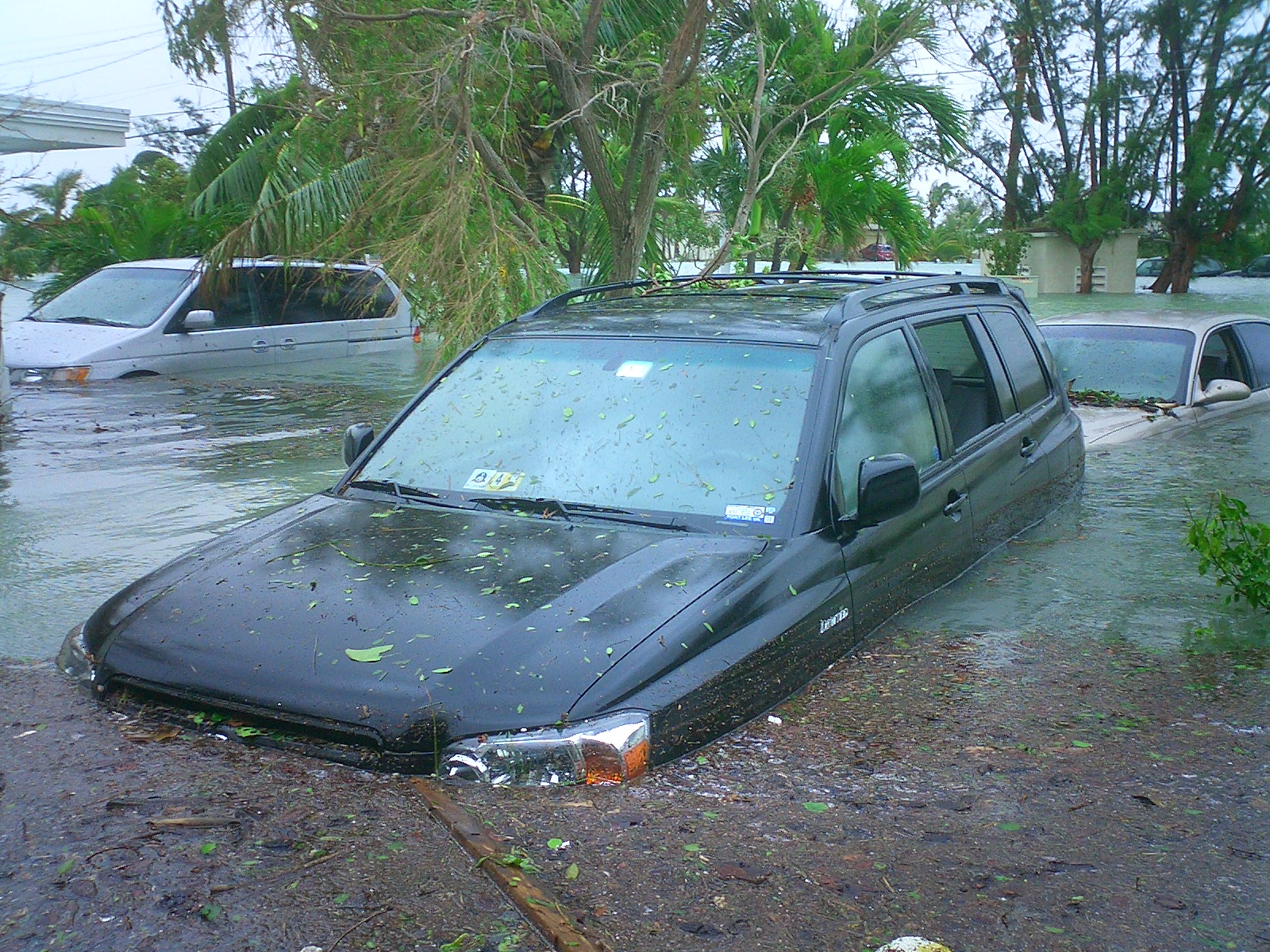
Preparing for emergencies in 2025 requires a well-thought-out disaster preparedness kit. This kit is your lifeline during unexpected events like natural disasters, power outages, or other crises. Iâve spent years helping families and communities build resilient emergency supplies, and I can tell you, the right disaster preparedness kit can make all the difference in staying safe. In this comprehensive guide, Iâll share 10 effective tips to ensure your kit is ready for anything in 2025.
Practical Tips for Regularly Updating and Testing Your Kit
1. Understanding the Importance of a Disaster Preparedness Kit
Why Every Family Needs a Kit
In 2025, disasters can strike unexpectedlyâfrom hurricanes and earthquakes to wildfires and cyber-attacks. Having a well-prepared disaster preparedness kit ensures that you and your loved ones are ready to face these emergencies confidently. This kit acts as your safety net, providing essentials during critical moments.
Research indicates that over 70% of disaster-related injuries are due to lack of immediate access to supplies. By maintaining a comprehensive kit, you can significantly reduce injury risks and improve recovery time. Whether youâre at home or on the go, your kit should be easily accessible and complete.
Creating an effective disaster preparedness kit is not just about collecting supplies; itâs about strategic planning. Consider the types of emergencies likely in your area and tailor your kit accordingly. This proactive approach can make a real difference in crisis situations.
2. Assessing Your Specific Needs
Personal and Family Considerations
Every household has unique needs, especially in 2025, with diverse populations, ages, and health conditions. Think about infants, elderly family members, or pets when assembling your disaster preparedness kit. Special dietary or medical needs should influence your supplies.
For example, if you have elderly family members, include necessary medications, mobility aids, and extra comfort items. For families with infants, ensure your kit contains baby formula, diapers, and baby-safe medicines. Personalization ensures everyoneâs needs are met during an emergency.
Involving everyone in the assessment process not only helps identify specific items needed but also encourages preparedness awareness. Conducting a family emergency plan review every few months keeps your kit relevant and comprehensive.
3. Choosing the Right Container for Your Kit
Durability and Portability
The container you select must be durable enough to withstand rough conditions in 2025 disasters. Rigid plastic bins with waterproof seals are popular for their robustness and affordability. For portability, consider backpacks or rolling carts for easy transport.
Think about size and weightâyour disaster preparedness kit should be comprehensive but manageable. A kit for home might stay in a secure, accessible location, while a smaller version should be kept in your vehicle or at work.
Labeling your container clearly and organizing items systematically can help you quickly access essentials during an emergency. Invest in modular storage within the container to separate food, water, medical supplies, and tools.
4. Gathering Essential Food and Water Supplies
Long-lasting, Nutritious Food Options
In 2025, the importance of having enough food and water cannot be overstated. Experts recommend storing at least a 3-day supply per person, but aiming for a 2-week reserve is ideal. Freeze-dried meals, energy bars, and canned goods are excellent choices because of their shelf life and nutritional value.
Water is the most critical resourceâaim for one gallon per person per day. Consider water purification tools like filters or tablets to supplement stored water. Remember, stored water should be rotated regularly to prevent spoilage.
Some families find it helpful to include comfort foods to boost morale. Commercially packaged emergency food supplies now come with clear expiration dates and easy preparation instructions, making safe planning easier.
5. Including First Aid and Medical Supplies
Essential Medical Items for Emergencies
Medical emergencies often accompany disasters, so your disaster preparedness kit must include comprehensive first aid supplies. Bandages, antiseptics, pain relievers, and specialized medications are all essentials.
In 2025, consider including personal medical devices such as glucose meters, inhalers, or EpiPens, especially if family members have ongoing health conditions. A well-stocked first aid kit can manage minor injuries and stabilize severe ones until help arrives.
Training on basic first aid and CPR is also invaluable. Many organizations now offer virtual courses tailored for disaster scenarios, so your family can respond confidently during crises.
6. Adding Communication Devices
Staying Connected During Disasters
Communication is often disrupted during disasters, making reliable devices vital. Battery-powered radios, walkie-talkies, and portable chargers ensure you stay informed and connected. In 2025, solar-powered devices are increasingly popular for sustainable power sources.
Smartphones with preloaded emergency apps can provide real-time alerts and location services. But always have backup options like traditional radios and printed maps, especially when electronic devices fail.
Practice using these devices regularly so everyone in the family knows how to operate them swiftly in an emergency. Clear communication channels can save lives by providing timely updates and coordination.
7. Ensuring Proper Clothing and Shelter Items
Protection Against Weather Extremes
Weather can be unpredictable in 2025, so your disaster preparedness kit should include clothing suitable for various conditions. Waterproof jackets, sturdy boots, hats, and gloves protect against rain, snow, or heat waves.
Furthermore, consider shelter options such as compact tents, thermal blankets, or sleeping bags designed for different climates. These items offer a safe refuge if your primary shelter becomes compromised.
Comfort and safety are paramount. Adequate clothing and shelter gear can prevent hypothermia, heat exhaustion, or other weather-related health issues during emergencies.
8. Incorporating Power and Lighting Resources
Ensuring Light When Power Fails
Power outages are common in 2025 disasters, so your kit needs reliable lighting and backup power sources. LED flashlights, headlamps, and extra batteries should be staples.
Solar chargers and portable power banks help keep devices operational without grid power. Investing in a small generator or fuel-powered backup can be worthwhile for extended outages.
Synchronize your power and lighting supplies with your communication devices and medical equipment to maintain functionality during crises. Regular checks and battery replacements keep your gear ready to use.
9. Maintaining Your Disaster Preparedness Kit
Regular Checks and Upgrades
A disaster preparedness kit isnât a ‘set it and forget it’ situation. In 2025, the best practice is to review your kit every three to six months to check expiration dates, replace used supplies, and update items based on changing needs.
Create a schedule for inspections and include your family members in this process. Keeping your kit current ensures readiness and peace of mind during emergencies.
Labeling shelves and containers with expiration dates, and keeping a log of when supplies were last checked, helps streamline maintenance efforts. Remember, a well-maintained kit can be a life-saving resource.
10. Practical Tips for Regularly Updating and Testing Your Kit
Simulated Emergency Drills
In 2025, testing your disaster preparedness kit through drills can reveal weaknesses and improve response times. Conducting family simulations helps everyone understand their roles and the location of supplies.
Update your kit after drills, noting items that need replenishing or replacing. Keep a dedicated folder with instructions, maps, and emergency contacts for quick reference.
Practice assembling and using equipment under time constraints to build confidence. The goal is to turn preparedness from a routine task into a muscle memory in emergency situations.
Frequently Asked Questions about Disaster Preparedness Kits in 2025
1. What should I include in my 2025 disaster preparedness kit?
Your kit should contain food, water, medical supplies, communication devices, clothing, shelter items, power sources, and personal essentials. Tailor these to your familyâs specific needs for maximum effectiveness.
2. How often should I update my disaster preparedness kit?
Itâs recommended to review your kit every three to six months. Check expiration dates, replace used items, and update supplies based on new needs or emerging threats.
3. Can I prepare a disaster preparedness kit for pets?
Absolutely! Include pet food, water, medications, and comfort items. Remember, pets are part of the family, and their safety is equally important during emergencies.
4. Why is a disaster preparedness kit essential in 2025?
With the increasing frequency of natural and man-made disasters, having a disaster preparedness kit in 2025 can greatly reduce risks, ensure survival, and facilitate faster recovery during crises.
5. How do I ensure my disaster preparedness kit remains effective?
Regular inspections, practicing emergency drills, and updating supplies help maintain the kitâs effectiveness. Keep items organized and accessible, and educate your family on how to use everything confidently.
Conclusion
In summary, building and maintaining a comprehensive disaster preparedness kit in 2025 is vital for ensuring safety and resilience during unforeseen events. By following these 10 effective tips, you can create a reliable resource that protects your loved ones and gives you peace of mind. Remember, preparation today can save lives tomorrowâso donât wait to start assembling your perfect disaster preparedness kit.
In a world where natural disasters and emergencies can strike with little to no warning, it’s imperative for families to prioritize disaster preparedness. Understanding the importance of being ready for unforeseen events is the first step in safeguarding your loved ones, your property, and your peace of mind. A well-crafted family emergency plan not only reduces panic during crises but also empowers everyone in the household to respond effectively.
*Assessing Risks: Identifying Potential Disasters in Your Area**
The landscape of disasters is as unique as the communities we live in. To begin crafting your strategy, conduct a thorough assessment of risks specific to your locale. Are you situated near coastal waters prone to hurricanes? Maybe earthquakes or wildfires are more common in your region? By identifying these potential threats, you can tailor your emergency plan to address them directly, ensuring that each family member understands what risks are present and how best to respond.
*Key Components of a Family Emergency Plan**
Once you’ve assessed the risks, it’s time to put together a solid family emergency plan. This should include evacuation routes—ensuring every member knows multiple ways out of the home—and designated meeting spots outside the immediate vicinity for when communication lines may be down. It’s crucial that everyone understands their roles; assigning duties based on age and ability will bolster confidence and cooperation during stressful times. Additionally, keep important documents like insurance policies and medical records in an easily accessible location or digitally stored for quick retrieval.
*Building an Emergency Kit: Essentials for Every Family**
An integral part of disaster readiness lies within having an emergency kit at the ready. This kit should contain essentials such as non-perishable food items, water (a gallon per person per day), first aid supplies, flashlights, batteries, hygiene products, and any necessary medications. Don’t forget about incorporating comfort items—like blankets or toys—that can help ease anxiety during trying times. Remember that kits should be regularly checked and updated; expired food or outdated medications do not serve anyone well!
*Communication Strategies: Staying Connected During a Crisis**
During an emergency, effective communication can be a lifeline. Establishing clear strategies ensures that all family members remain connected even when chaos unfolds. Create a list of key contacts outside your immediate area who can relay messages if local phones fail due to overwhelmed networks. Encourage family members to familiarize themselves with various messaging apps designed for low-bandwidth circumstances; these tools often function better than traditional calls.
*Practicing Your Plan: Drills and Updates for Best Preparedness**
Finally, putting theory into practice is vital! Regularly scheduled drills allow families to rehearse their emergency plans until they become second nature. Make these exercises fun by turning them into games or challenges; this not only prepares everyone but also alleviates fear associated with emergencies by normalizing discussions around disaster preparedness. After each drill or real-life instance where plans were utilized, revisit and update your strategy based on what worked well and what didn’t.
In conclusion, building a comprehensive disaster preparedness strategy isn’t just about packing supplies—it’s about fostering resilience within your family unit through awareness, planning, communication, and practice. By taking proactive steps today, you’ll ensure that you’re equipped not just to survive but thrive during life’s unpredictable moments!
Prepping for economic collapse in 2025 means ensuring your family won’t go hungry when supply chains falter. Building a robust food storage system is foundational. Focus on non-perishable items like rice, beans, canned vegetables, and freeze-dried foods. These can last years if stored properly, providing vital nourishment during crises.
For example, rotating your stock regularly prevents spoilage, and utilizing airtight containers keeps pests out. Consider storing a minimum of three months’ worth of food for each family member, but planning for a year or more adds extra security.
Additionally, diversifying your stored foods ensures a balanced dietâessential for maintaining health and energy. Incorporate grains, proteins, fats, and vitamins to support your immune system during stressful times.
Practical Tips for Organic Gardening
While building storage is crucial, growing some of your own food enhances self-reliance. Starting a garden with hardy vegetables like potatoes, squash, and legumes can supplement your supplies. In 2025, climate-resilient crops and sustainable gardening techniques will become even more critical as weather patterns become unpredictable.
Invest in composting and rainwater harvesting to optimize your gardenâs productivity. These methods reduce dependence on external supplies and make prepping for economic collapse more sustainable.
Remember, the ability to grow your own food provides not just nourishment, but peace of mind during uncertain times.
2. Develop a Sustainable Water Supply Plan
Securing Drinking Water in Emergencies
Water will be one of your most valuable resources during an economic collapse. Developing a sustainable water supply plan involves storing enough potable water for at least two weeks and knowing how to access alternative sources if supplies are disrupted.
Consider installing rainwater collection systems and filtering methods like charcoal or ceramic filters. These can significantly extend your water independence, ensuring you have clean drinking water without frequent supply runs.
Factoring in water purification tablets and portable filters is essential for on-the-go solutions. Protecting your water sources from contamination ensures safety during times of crisis.
Harvesting and Storing Water Effectively
Effective water storage involves using food-grade containers that prevent algae and bacterial growth. Label and rotate stored water regularly, replacing it every six months. Storing enough for basic hygiene and cooking can support your family through prolonged disruptions.
Practicing water conservation techniques, like reusing greywater from laundry or washing, can also stretch your supplies further. Prepping for economic collapse in 2025 should include plans to manage water scarcity proactively.
3. Stockpile Essential Medical Supplies
Creating a Basic First Aid Kit
In a collapse scenario, access to healthcare may be limited. Building a comprehensive medical kit with bandages, antiseptics, pain relievers, and antibiotics helps manage injuries and illnesses. Learning basic first aid skills is equally important.
Discovering ways to treat common ailments with natural remedies can also be beneficial if pharmaceutical supplies run out. Familiarize yourself with herbal medicines and alternative treatments.
Regularly reviewing and replenishing your supplies ensures readiness at all times. Keep the kit in an easily accessible location known to all family members.
Advanced Medical Preparedness
For extended crises, consider training in more advanced medical procedures like CPR and wilderness medicine. Stock extra supplies such as splints, wound dressings, and emergency medications.
Partnering with a healthcare professional or taking prepping courses adds an extra layer of preparedness. Planning for medical emergencies aligns with prepping for economic collapse by minimizing health risks when resources are scarce.
4. Create Financial Contingency Plans
Preparing Cash and Alternative Payment Methods
Financial stability is unpredictable during an economic collapse, so having contingency plans is vital. Keep a stash of cash in small denominations, as digital banking may become unreliable. Consider investing in precious metals like silver or gold as a hedge against currency devaluation.
Exploring barter items â such as alcohol, tobacco, or batteries â can also serve as alternative payment methods. Keep records of your assets and make a plan for managing finances when banks and ATMs may be inaccessible.
Making digital copies of important financial documents and storing them securely adds an extra layer of preparedness for 2025.
Budgeting and Emergency Funds
Creating a strict budget that reduces unnecessary expenses allows you to save more quickly. Maintain an emergency fund that covers essential living expenses for at least six months. The goal is to minimize financial vulnerabilities during economic downturns.
Review and adjust your financial plans regularly, especially as economic indicators change. The better prepared your finances, the more resilient you’ll be in 2025.
5. Enhance Self-Defense Capabilities
Legal and Effective Self-Defense Strategies
Prepping for economic collapse includes safeguarding your home and loved ones. Investing in self-defense tools such as pepper spray, stun guns, or firearms (where legal) is a common approach. Enroll in self-defense classes to develop confidence and skills.
Understanding local laws and regulations ensures responsible firearm ownership and use. Creating a security plan that includes neighborhood watch programs can also bolster safety.
Remember, non-violent conflict de-escalation techniques are valuable skills that reduce unnecessary risks during chaotic times.
Physical Fitness and Situational Awareness
Maintaining physical fitness enhances your ability to respond effectively in crises. Regular exercise improves strength, endurance, and mental alertness.
Practicing situational awarenessâbeing mindful of your surroundingsâhelps you identify threats early and avoid danger. This proactive approach is crucial in volatile environments.
Preparing for economic collapse isn’t just about weapons; itâs about empowerment and confidence to protect yourself and your family.
6. Establish a Community Network
Building Local Support Systems
Community is a cornerstone of survival. Forming relationships with trusted neighbors and local groups increases collective resilience. Share resources, skills, and information to create a support network.
Organize regular meetings to discuss preparedness strategies and coordinate efforts, such as food sharing or security patrols. Mutual aid significantly improves your chances of enduring hardships.
Joining or forming local barter and trade groups can also help stabilize access to supplies and services during a collapse scenario.
Online Platforms and Local Groups
Use online forums and social media responsibly to connect with like-minded preppers. Many communities have local prepper groups that organize training and resource exchanges.
Maintaining strong local bonds allows for quicker response times and better information flowâa vital component of prepping for economic collapse in 2025.
Always verify the trustworthiness of community members and prioritize safety when joining such groups.
7. Learn Practical Skills for Self-Sufficiency
Skills That Make a Difference
Developing practical skills is one of the most effective prepping for economic collapse moves. Learn how to preserve food through canning and dehydration, repair clothing, and perform basic carpentry.
Gardening, hunting, fishing, and foraging are invaluable skills that can supplement your food stores. Also, gaining proficiency in energy conservation and alternative cooking methods increases your independence.
Consider taking courses or reading authoritative guides now to build confidence and competence before a crisis hits.
Natural and DIY Remedies
Stock up on natural remedies and learn how to make tinctures, salves, and herbal medicines. In 2025, access to pharmaceuticals may be limited, making traditional herbal medicine skills even more critical.
This knowledge not only supports your health but also saves money and resources during a collapse scenario. Practice these skills regularly to ensure proficiency when needed.
Prepping for economic collapse involves investing in your ability to handle everyday emergencies independently.
8. Invest in Alternative Energy Sources
Solar and Wind Power Options
Energy independence is key during an economic collapse. Investing in solar panels, portable solar generators, or small wind turbines ensures a continuous power supply even if conventional grids fail.
In 2025, advances in portable renewable energy units make it easier and more affordable to implement these solutions. Properly sizing your system based on your needs will maximize efficiency.
Installing battery storage and energy management systems allows you to store excess energy and reduce reliance on external sources.
Manual and Low-Tech Alternatives
Complement your renewable energy setup with manual alternatives like hand-crank radios, water pumps, and cooking stoves. These low-tech options provide redundancy and reliability.
Always plan for maintenance and have spare parts or backup systems. In prepping for economic collapse, the goal is to maintain minimal functionality in a long-term blackout or disruption scenario.
Smart investments in alternative energy improve your resilience in 2025 and beyond.
9. Secure Important Documents and Digital Data
Physical and Digital Storage
Protecting vital documentsâlike IDs, insurances, property deeds, and passportsâprevents chaos and theft in collapse situations. Use fireproof and waterproof safes for physical copies.
Digitize copies and store them in encrypted cloud accounts or external drives stored securely off-site. Keeping these records accessible and safe is crucial for identity and asset recovery.
Regularly update your documentation and test your backup systems to ensure they are functional when needed.
Cybersecurity and Data Protection
In 2025, cyber threats remain a concern. Protect your digital assets with strong passwords, two-factor authentication, and secure networks. Back up essential data regularly.
Creating a plan for offline communication methodsâlike satellite phones or ham radiosâadds an extra layer of preparedness for digital failures.
Securing your documents and data is an often overlooked but vital aspect of prepping for economic collapse in 2025.
10. Stay Informed and Maintain Mental Resilience
Monitoring Economic Trends
Staying informed about global and local economic indicators helps you anticipate challenges and adapt your strategies promptly. Read reputable news from multiple sources regularly.
Practice critical thinking and avoid panic to keep a clear head during crises. Having a fail-safe plan and knowing when to execute it is crucial for survival.
Set alert systems and join local preparedness groups to stay connected with real-time information in 2025.
Mental and Emotional Readiness
Developing mental resilienceâthrough mindfulness, stress management, and community connectionsâensures you can handle prolonged adversity. Prepping physically is important, but mental strength sustains you through tough times.
Engage in regular physical activity, maintain social bonds, and keep a positive outlook. These habits foster a mindset geared toward resilience and proactive problem-solving.
Remember, staying calm and adaptable is one of the most effective prepping for economic collapse strategies for 2025.
Frequently Asked Questions
1. What are the best prepping for economic collapse strategies for 2025?
The most effective strategies include building a robust food and water supply, securing medical and financial resources, developing self-defense skills, and establishing community networks. Staying informed and mentally prepared rounds out a comprehensive plan.
2. How much food should I store for prepping for economic collapse?
A good rule of thumb is to store at least three months of supplies per person, but aiming for a full year provides better security. Diversify your stock to ensure nutritional balance and longevity.
3. What are key skills to learn for prepping for economic collapse?
Important skills include basic medical aid, food preservation, gardening and foraging, energy conservation, and self-defense. These practical abilities increase your independence during crises.
4. Why is staying informed important for prepping for economic collapse?
Monitoring economic trends allows you to anticipate shortages and disruptions, enabling timely adjustments to your prepping strategies. Education and awareness are critical for making effective decisions in 2025.
5. How can I ensure my digital data is protected during an economic collapse?
Encrypt and back up critical digital data regularly, use secure storage methods, and keep copies offline in physically secure locations. This safeguards your identity and essential information when cyber threats or infrastructure failures occur.
Conclusion
Prepping for economic collapse in 2025 is a multifaceted process that requires strategic planning, skill development, and community involvement. Incorporating these 10 effective strategies can significantly enhance your resilience and peace of mind. Remember, the key to thriving during economic turmoil is preparednessâstart today by implementing these proven prepping for economic collapse strategies and stay ahead of uncertainties in 2025.