
by Preparation | Aug 24, 2025 | Preparedness
Table of Contents
- 1. Develop a Personalized Emergency Plan
- 2. Build a Comprehensive Emergency Kit
- 3. Stay Informed with Reliable Alerts
1. Develop a Personalized Emergency Plan
Understanding Your Risks
Creating an effective emergency preparedness blog starts with understanding the specific risks in your area. Are you prone to floods, hurricanes, earthquakes, or wildfires? In 2025, climate change has increased the frequency and severity of many natural disasters, making it crucial to tailor your plan accordingly. Research local hazard maps and historical data to identify your primary threats.
Knowing your risks allows you to prioritize preparations and allocate resources effectively. For example, households near coastlines or riverbanks should focus on flood safety plans, while those in seismic zones need earthquake readiness strategies. This targeted approach ensures your emergency plan is both realistic and efficient.
Take the time to consult local authorities and community resources. Many cities offer hazard risk assessments online, providing a valuable starting point. Incorporating these insights into your emergency preparedness blog can help readers develop personalized plans that are grounded in accurate, current data.
Creating Clear Communication Protocols
Effective communication is the backbone of any emergency plan. Developing clear protocols ensures everyone in your household knows who to contact, where to meet, and how to share information during a crisis. In 2025, digital tools like emergency apps and messaging services complement traditional methods, offering real-time alerts and updates.
Practice these communication procedures regularly through drills and discussions. Consider establishing a family or community emergency contact list that includes out-of-town relatives and local emergency contacts. This redundancy helps prevent confusion and ensures messages get through when it matters most.
Building a reliable communication strategy within your emergency preparedness blog encourages readers to take proactive steps, making their responses swift and coordinated in high-stress situations.
2. Build a Comprehensive Emergency Kit
Essential Items for Your Kit
An emergency kit is a critical element of preparedness. For 2025, experts recommend including at least a three-day supply of food and water, first aid supplies, personal hygiene items, flashlights, batteries, and copies of important documents. Tailor your kit to meet specific needs, such as medications, pet supplies, or special equipment for children or seniors.

Invest in durable, waterproof containers to keep supplies safe and organized. Include multi-use tools, manual can openers, blankets, and masks to enhance your readiness. The goal is to ensure you have everything needed to survive without outside assistance for at least 72 hours.
Regularly review and update your emergency kit to account for changing needs, expiration dates, and new products. For instance, in 2025, new lightweight solar chargers have become affordable and efficient, making them a smart addition to keep devices powered during blackouts.
Storage and Accessibility Tips
Proper storage is essential so your emergency kit remains accessible and in good condition. Choose a central location in your home, such as a closet or garage, that is easy to reach during a crisis. Make sure all family members know where the kit is stored and can access it quickly.
Label compartments clearly and consider using color-coded or numbered containers for quicker identification. If you have small children or elderly family members, ensure they can reach and use the kit independently or have a plan for assistance.
Practicing regular drills to retrieve the kit ensures everyone feels comfortable accessing it under stress. Additionally, consider storing duplicates in different locations if your household is large or spread out.
FAQs about the Emergency Preparedness Blog
- 1. Why is an emergency preparedness blog important in 2025?
- In 2025, with increasing natural disasters and climate-related events, an emergency preparedness blog provides critical information and practical tips to help individuals and communities stay safe and resilient. Itâs a reliable resource for current strategies and updates.
- 2. How often should I review my emergency plan and kit?
- Itâs advisable to review your emergency plan quarterly and update your kit every 6 to 12 months. Regular reviews ensure youâre prepared for evolving risks and that supplies are fresh and functional.
- 3. What are the top trends in emergency preparedness for 2025?
- Top trends include the use of smart technology, portable solar power solutions, community-based planning, and the integration of social media for alerts. These innovations enhance readiness and communication during crises.
- 4. How can I make my emergency preparedness blog more engaging?
- Include real-world stories, practical tips, infographics, and interactive content such as checklists and quizzes. Sharing personal experiences and current data also helps connect with readers and motivate preparedness.
- 5. What are the key elements of a successful emergency preparedness blog?
- Key elements include accurate information, practical advice, regular updates, user-friendly design, and comprehensive coverage of topicsâespecially focusing on the most current data and strategies for 2025.
Conclusion
Staying prepared for emergencies in 2025 is more vital than ever. An effective emergency preparedness blog serves as a vital resource, offering valuable tips, strategies, and insights to help individuals and communities navigate uncertainty. Whether itâs developing personalized plans, building comprehensive kits, or staying informed through reliable alerts, being proactive can make all the difference. Remember, the key to resilience lies in knowledge, preparation, and action. By leveraging the guidance from top emergency preparedness blogs, you can face any crisis with confidence and peace of mind.
by Preparation | Aug 24, 2025 | Preparedness
Table of Contents
- 1. Assess Your Risks and Prepare Accordingly
- 2. Build a Comprehensive Emergency Kit
- 3. Develop a Family Emergency Plan
- 4. Learn Basic Survival Skills
- 5. Stockpile Food and Water Strategically
- 6. Secure Safe Shelter Options
- 7. Establish Communication Protocols
- 8. Practice Regular Drills and Training
- 9. Stay Informed with Reliable Sources
- 10. Keep Your Preparation Up-to-Date for 2025
1. Assess Your Risks and Prepare Accordingly
Understanding Common Disasters in 2025
Knowing the potential hazards in your area is crucial for effective survival prepping. In 2025, experts forecast an increase in natural disasters like hurricanes, wildfires, and cyber-related disruptions. Conduct thorough research to understand which events are most likely to impact your region. This helps tailor your prep efforts effectively.
For example, if you live in a coastal area prone to hurricanes, focus on hurricane preparedness. If wildfires are common nearby, prioritize fire safety and fire-resistant materials. Staying educated on evolving threats allows you to allocate resources wisely and avoid wasteful over-preparation.
Additionally, consider the impact of urban surface transportation failures or power grid outages, which are rising concerns in our digital age. Your risk assessment should be comprehensive and include both natural and man-made threats.
Creating a Personal Risk Analysis Plan
Developing a personal risk analysis plan involves listing possible scenarios and their likelihood, along with the specific actions needed to mitigate each. Start by evaluating your area’s climate data, historical incident reports, and infrastructure vulnerabilities. Use this to build a customized survival prepping guide for 2025.
This plan should also include points like evacuation routes, communication plans, and resource management. For example, know multiple routes out of your area in case one is compromised. Regularly update your risk assessment to reflect new developments, such as climate change impacts or technological vulnerabilities.
Investing in a risk analysis helps you avoid unnecessary panic and ensures youâre prepared for whatâs most probable. Remember, targeted preparation beats generic readiness every time.
2. Build a Comprehensive Emergency Kit
Essentials to Include in Your 2025 Emergency Kit
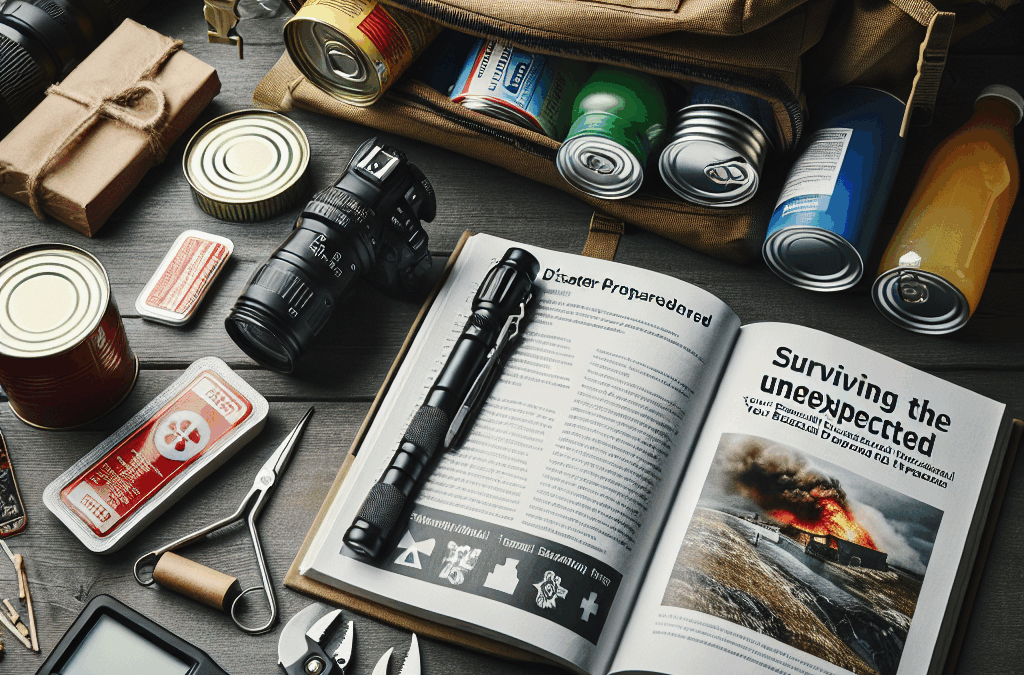
An emergency kit is your lifeline during a crisis. In 2025, the focus is on including modern essentials like portable power banks, solar chargers, and durable multi-tools. Pack enough supplies to sustain yourself and your family for at least 72 hours or longer, depending on your risk assessment.
Important items include non-perishable food, clean drinking water (at least one gallon per person per day), first-aid supplies, and hygiene products. Donât forget specialized items such as masks, gloves, and sanitation wipes, especially considering ongoing health concerns globally.
Additionally, consider tech gadgets like radios, flashlights with extra batteries, and portable Wi-Fi hotspots to stay connected in emergencies. Tailor your kit to account for family membersâ specific needs, including pets, elderly, or medically dependent individuals.
Storing and Maintaining Your Emergency Supply
Proper storage is key to making sure your supplies stay usable. Use waterproof, labeled containers stored in accessible locations. Rotate perishable items regularlyâmonthly checkups are recommended in 2025 to ensure freshness and functionality.
Create a maintenance schedule with reminders to replace expired items, batteries, and water. Itâs a good idea to periodically review your kit to include new technology and adapt to evolving threats. Remember, a well-maintained emergency kit is a cornerstone of your survival prepping guide.
Practicing how to quickly access and use your kit will save you precious time during a real crisis.
Conclusion
In 2025, having a solid survival prepping guide is essential to ensure youâre ready for whatever challenges the year may bring. From assessing risks to building robust emergency kits, each step plays a vital role in your overall preparedness. Remember, good preparation isnât just about having suppliesâit’s about making smart, informed decisions and staying adaptable.
By following these practical tips and continuously updating your survival prepping guide, youâll enhance your resilience and peace of mind. Stay vigilant, stay prepared, and be ready to face any emergency with confidence. Your future self will thank you for the effort today!
Frequently Asked Questions
1. What is a survival prepping guide?
A survival prepping guide is a comprehensive plan or set of instructions designed to help individuals or families prepare for emergencies or disasters. It covers risk assessment, supplies, strategies, and practice drills to ensure safety and self-sufficiency during crises.
2. How often should I update my survival prepping guide in 2025?
Itâs advisable to review and update your survival prepping guide at least annually. In 2025, consider current threats like climate change impacts, technological risks, and recent emergency experiences to keep your plan relevant and effective.
3. What are the most critical items in a survival kit for 2025?
Essential items include non-perishable food, clean water, a first-aid kit, reliable lighting, communication devices, and power sources like solar chargers. Tailoring your kit to your environment and specific needs ensures maximum effectiveness.
4. How do I create a family emergency plan?
Start by identifying emergency contacts, safe meeting points, and evacuation routes. Practice the plan regularly with your family, and tailor it based on your home and community environment to ensure everyone understands their role during a crisis.
5. Why is a survival prepping guide important in 2025?
With increasing natural and man-made threats in 2025, having a detailed survival prepping guide enhances your ability to respond effectively. It helps reduce panic, conserve resources, and increases your chances of safety during emergencies.
by Preparation | Aug 24, 2025 | Preparedness
Table of Contents
- Introduction to preparedness and self reliance in 2025
- 1. Understanding the importance of self reliance today
In 2025, the importance of preparedness and self reliance has never been greater. As we face unpredictable global eventsâfrom climate change impacts to geopolitical shiftsâbeing prepared means having the skills, knowledge, and resources to sustain oneself independently. Self reliance involves developing the confidence and capability to meet your own needs, whether it’s food, energy, or safety.
Many people today are realizing that relying solely on external systems can be risky. The rise of climate disasters, supply chain disruptions, and economic fluctuations makes preparedness and self reliance critical components of a resilient lifestyle.
By embracing these principles, you empower yourself to handle emergencies effectively while reducing dependency on uncertain external sources.
2. Building a robust emergency supply kit for 2025
Essential items to include
Creating an emergency supply kit tailored to 2025âs challenges involves more than just bottled water and canned food. Consider adding PPE, portable renewable energy sources, and health essentials. Remember, your kit should cover at least 72 hours of basic needs for all family members.
Invest in high-quality supplies and regularly review them to replace expired items. Digital tools like apps can help track inventory and expiration dates, ensuring readiness at all times.
Incorporate items based on your specific circumstances, such as medical supplies, pet needs, or specialized equipment, to truly support your preparedness and self reliance strategy.
3. Mastering food self-sufficiency in 2025
Growing your own food
Food self-sufficiency is a cornerstone of preparedness and self reliance. In 2025, more individuals are turning to urban gardening, hydroponics, and permaculture to produce fresh vegetables year-round. Not only does this reduce dependence on grocery stores, but it also enhances food security.
Start small with container gardening if youâre limited on space. Invest in heirloom seeds for better resilience and flavor. Use sustainable practices to maximize yields without exhausting your soil or resources.
Additionally, preserving food through canning, drying, and freezing ensures you can rely on your harvest even during off-seasons or supply disruptions.
4. Developing emergency skills for 2025 preparedness
First aid and safety training
Having emergency skills in 2025 is a game changer. Taking first aid and CPR courses equips you to handle injuries effectively during crises. Itâs essential to refresh your knowledge regularly as protocols evolve with new technologies and standards.
Additionally, training in firearm safety, self-defense, and basic survival skills like fire-starting and shelter-building can significantly improve your ability to remain self reliant. Many community centers and online platforms now offer comprehensive courses tailored to disaster preparedness.
Sharpening these skills provides peace of mind and expands your capacity for self reliance in unpredictable situations.
Conclusion
In 2025, emphasizing preparedness and self reliance remains a vital strategy for weathering uncertainties and building resilience. By proactively developing skills, stockpiling essential supplies, and embracing sustainable living practices, you can confidently face future challenges. Whether itâs creating emergency kits, growing your own food, or honing survival skills, every step you take in this direction enhances your independence and peace of mind. Prioritize preparedness and self reliance today to secure a safer, more resilient tomorrow.
Frequently Asked Questions
1. What exactly is preparedness and self reliance?
Preparedness and self reliance involve developing the skills, resources, and mindset to handle emergencies independently. It means being ready for disruptions in food, energy, and safety systems, and reducing dependence on external sources.
2. Why is preparedness and self reliance especially important in 2025?
2025 presents unique challenges such as climate-related disasters, geopolitical uncertainties, and supply chain issues. Being prepared and self reliant ensures you can withstand these disruptions with confidence and resilience.
3. How can I start building my self reliance in 2025?
Begin with small steps like creating an emergency kit, growing a vegetable garden, and learning basic survival skills. Consistent effort and planning will gradually enhance your independence.
4. Are there resources to help me improve my preparedness and self reliance?
Yes, numerous online courses, local workshops, and community groups focus on sustainable living, emergency preparedness, and survival skills. Building a network of knowledgeable individuals can also boost your efforts.
Remember, prioritizing preparedness and self reliance in 2025 is a proactive choice that can significantly improve your quality of life and safety. Stay informed, stay prepared, and take meaningful action today.




